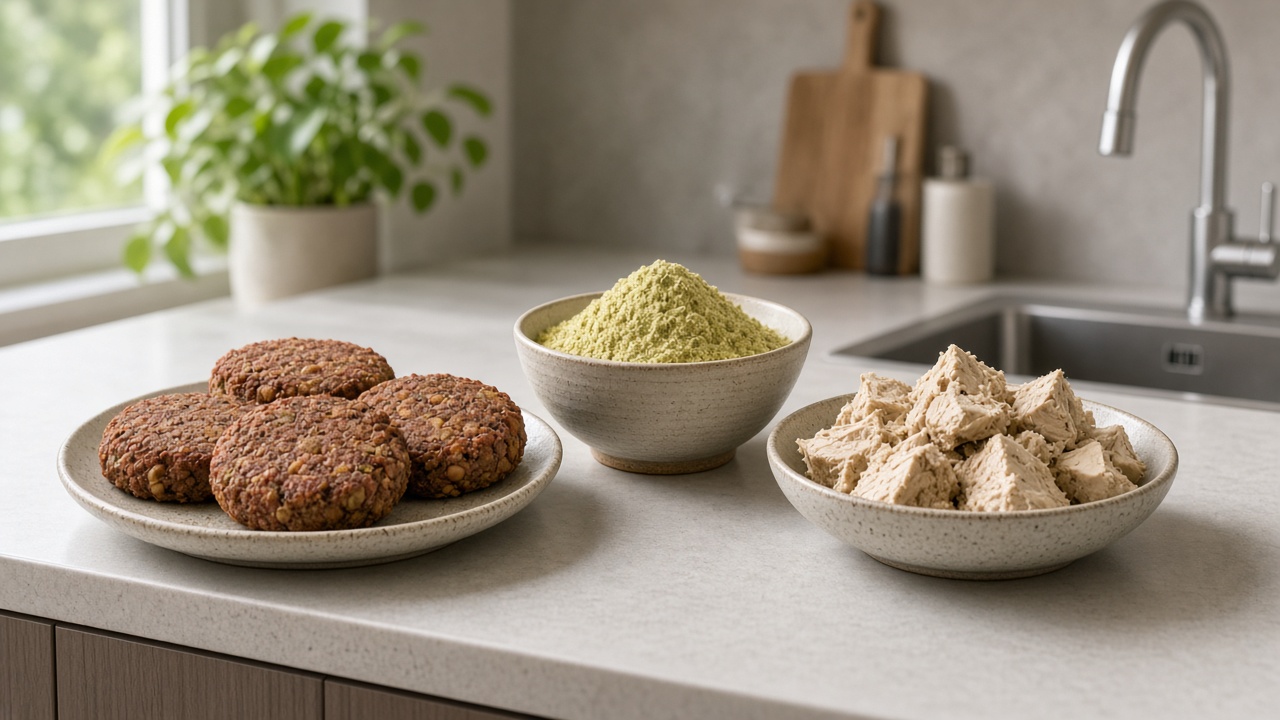
From Green Revolution harvests to organic shelves, bioreactor meat, LED vertical farms, and plant-based proteins—how feeding people is being reinvented.
HYV -> LabsOrganicAlt Proteins
Why Food Systems Matter
How we grow protein and calories shapes hunger, climate, water, and health. The Green Revolution proved science can boost yields; the next decades ask whether we can feed more people with less environmental cost.
This future timeline follows high-yield cereals, organic alternatives, cultivated meat, vertical farms, and the broader alternative-protein wave.
Big picture
Food futures in one view
Yield first, then soil and purity, then cells and LEDs, then proteins redesigned for plates. Each wave answers a limit of the last—and creates new trade-offs.
From open fields to controlled environments—food as system design.
Yield First1960s - 1980s
Green Revolution
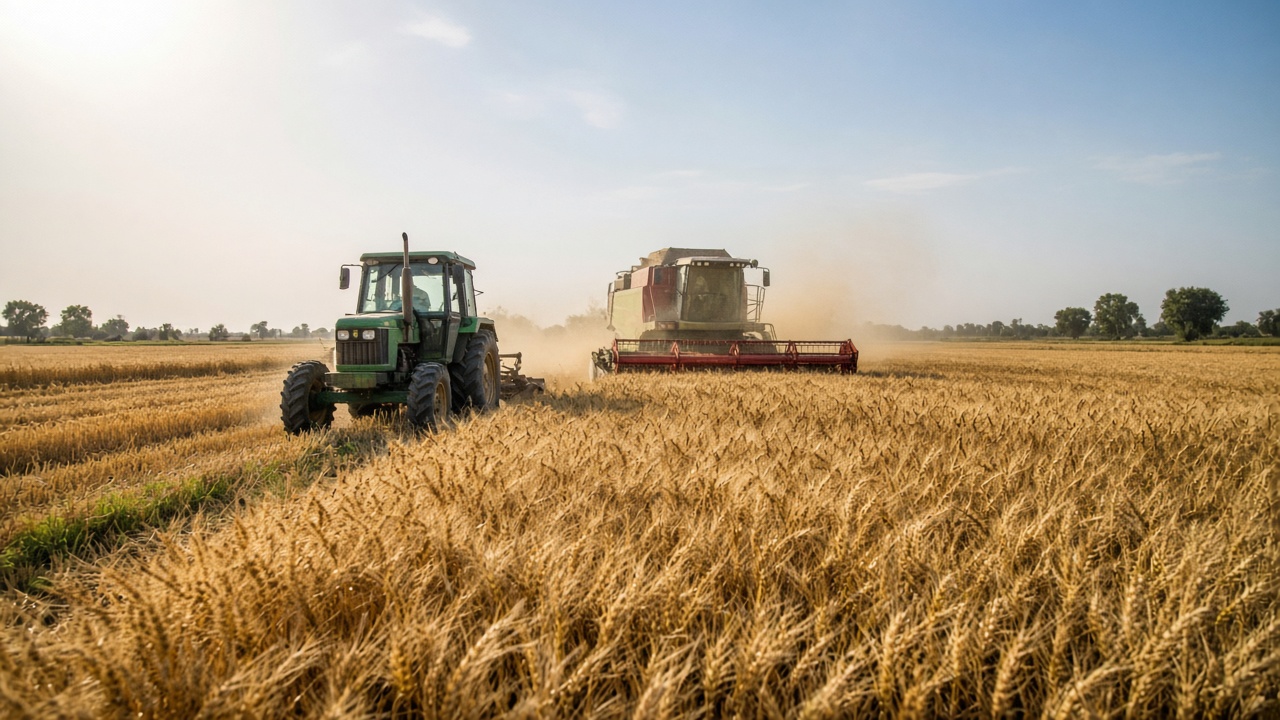
High-yielding wheat and rice, fertilisers, irrigation, and mechanisation raised grain output and cut famine risk in India and beyond. Food security improved—while water, chemicals, and monocultures created long-term questions.
Green Revolution: science-driven yields reshape national food bowls.
HYV seeds + irrigation expand cereal production.
India moves from chronic shortages toward buffer stocks.
Input-intensive farming becomes the dominant model.
Technology Used
HYV cereals: Semi-dwarf wheat and rice varieties.
NPK fertilisers & pesticides: Boost and protect yields.
Tube wells & canals: Secure water for multiple crops.
Features
Calorie security: More grain per hectare.
Regional winners: Benefits concentrated where water and credit existed.
Legacy costs: Aquifer stress and chemical dependence.
Soil & Purity1970s - Present
Organic Movement
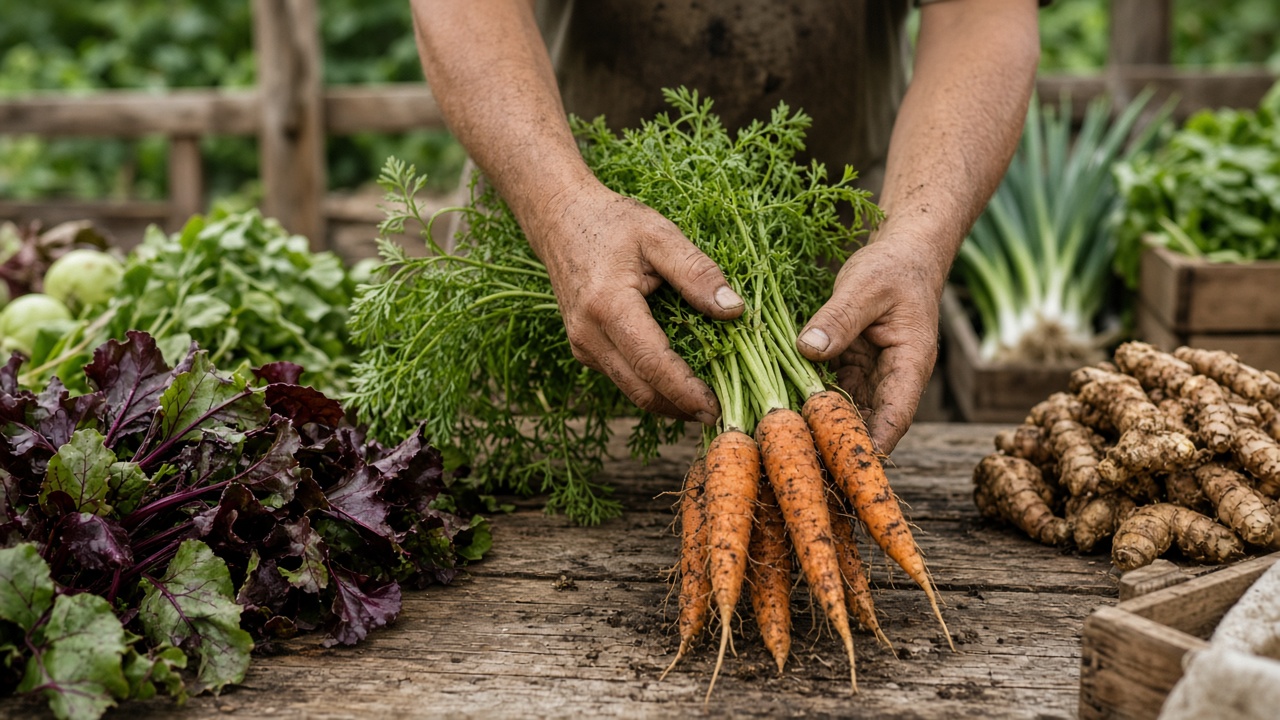
Consumers and farmers pushed back toward certified organic and natural methods—compost, crop rotation, and fewer synthetic inputs. Premium markets grew, while debates continue over yields, scale, and what “natural” should mean.
Organic era: certification, soil health, and conscious shopping.
Standards and labels define certified organic produce.
India expands organic / natural farming programmes and exports.
Lower synthetic load: Fewer chemical residues by design.
Yield trade-offs: Often lower output without careful management.
Trust economy: Labels and farmer brands matter.
Cells as Farms2010s - Present
Lab-Grown Meat
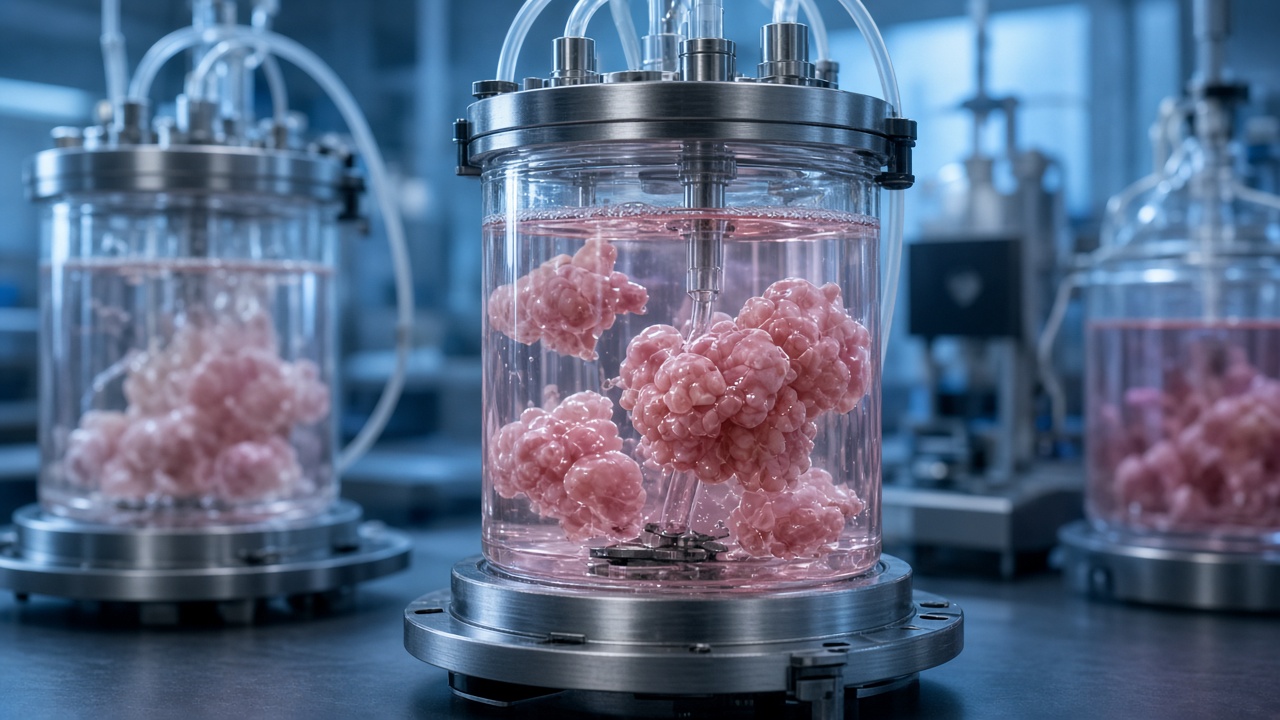
Cultivated meat grows animal cells in bioreactors to make muscle tissue without raising and slaughtering whole animals. Prototypes and limited approvals arrived first; cost, scale, and culture will decide whether it becomes everyday protein.
Cultivated era: meat from cells, not herds—still early.
First public cultured burgers and chicken pilots appear.
Regulators begin setting approval pathways.
Scale-up and cheaper media remain the hard problems.
Technology Used
Cell culture & scaffolds: Grow and structure tissue.
Bioreactors: Controlled nutrient and oxygen environments.
Food safety science: Novel food assessments.
Features
Animal welfare angle: Less livestock farming per kilo (in theory).
Energy & cost: Still expensive versus conventional meat.
Acceptance: Taste, religion, and trust shape adoption.
Stacked Harvests2010s - Present
Vertical Farming
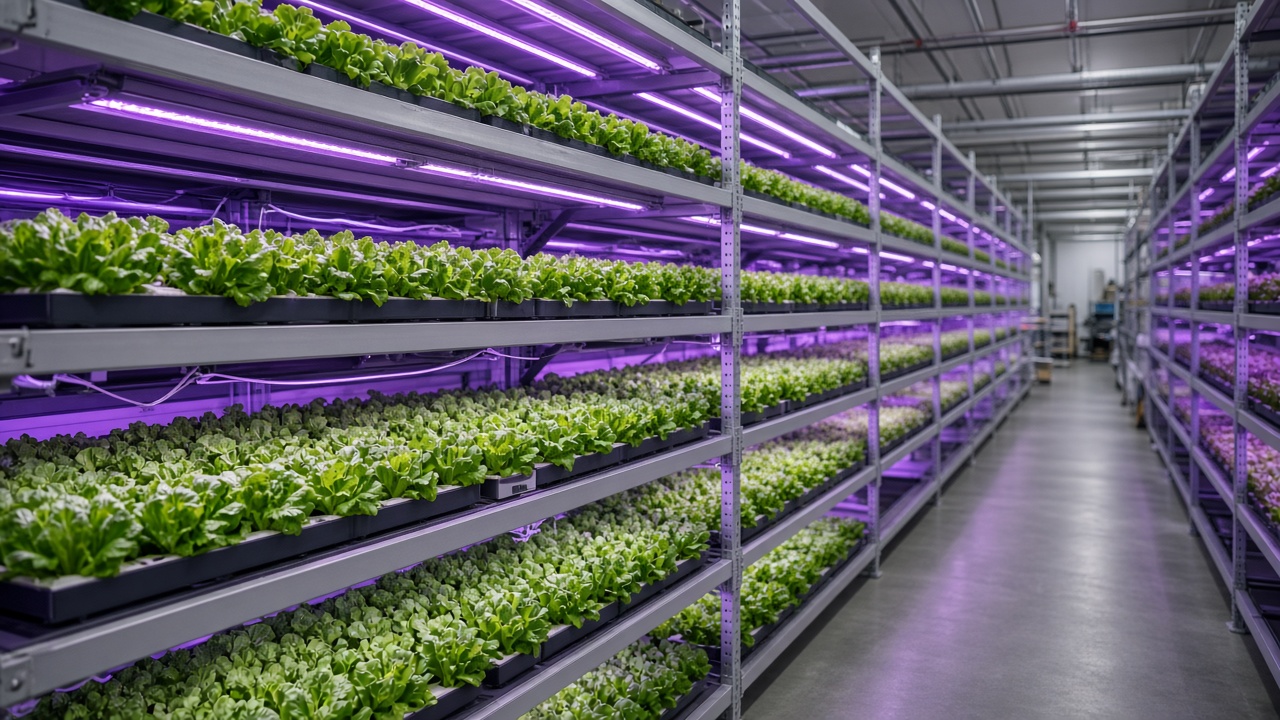
Indoor farms stack leafy greens under LEDs with hydroponics or aeroponics. They promise year-round local produce with less land and water—if electricity is clean and cheap enough to justify the capital cost.
Vertical era: city-adjacent greens on shelves of light.
Urban and peri-urban facilities target salads and herbs.
Sensors and automation tune light, nutrients, and climate.
Plant-based meats, mycoprotein, pulses, and eventually cultivated products compete for the protein plate. The goal is familiar taste with lower climate and land footprints—while staying affordable for mass markets like India.
Alt-protein era: burgers without herds, protein without one template.
Retail plant-based meats and dairy analogues expand.
Startups blend legumes, fungi, and fermentation tech.
Policy and labeling debates define what can be called “meat.”
Technology Used
Extrusion & texturising: Mimic meat structure from plants.
Fermentation: Mycoprotein and precision ingredients.
Pulse crops: Affordable protein staples at scale.
Features
Climate lever: Potentially lower emissions per gram protein.
Taste barrier: Must match local cuisine preferences.
Hybrid future: Conventional + alt proteins likely coexist.
Food System Future Summary
Year / Era
Milestone
Why it matters
1960s–80s
Green Revolution
Yields rise; famine risk falls.
1970s–
Organic movement
Soil, purity, and certification grow.
2010s–
Lab-grown meat
Cells become a meat pathway.
2010s–
Vertical farming
Indoor stacked greens near cities.
2010s–future
Alternative proteins
Protein without only livestock.
Key Historical Events
Event
Year
Significance
Green Revolution spreads
1960s–70s
HYV cereals transform food security.
Organic standards mature
late 20th c.
Certified markets and labels expand.
First cultured burger demos
2010s
Lab meat enters public imagination.
Vertical farm commercial wave
2010s–
LED indoor greens scale in cities.
Plant-based meat boom
2010s–
Retail alt proteins go mainstream.
Limited cultivated meat approvals
2020s
Regulation begins to open markets.
Climate-food nexus debates
ongoing
Diets linked to emissions policy.
Pulse & fermentation R&D
ongoing
Cheaper proteins for mass markets.
Food Pathways at a Glance
Pathway
Strength
Limit
Green Revolution fields
High staple yields
Water & chemical stress
Organic / natural
Soil & residue focus
Scale & yield trade-offs
Lab-grown meat
Meat without herds
Cost, energy, acceptance
Vertical farms
Local leafy greens
Power & capital costs
Plant / fungal proteins
Scalable & cheaper path
Taste & cuisine fit
Then vs Now (and Next)
HYV fields to plates redesigned with plants, fungi, and cells.
Metric
Then (Green Revolution)
Now / next
Goal
More calories
Calories + climate + health
Place
Open fields
Fields + labs + warehouses
Protein
Crops + livestock
+ plant, fungal, cultivated
Inputs
Fertiliser & irrigation
Also LEDs, bioreactors, data
Consumer
Affordable staples
Also labels, ethics, brands
Future Predictions
2025–2030: Plant-based and pulse proteins grow faster than cultivated meat at mass price points.
Late 2020s: Vertical farms stay niche for greens; energy costs decide winners.
2030s: Limited cultivated meat scales in regulated markets if costs fall.
Ongoing: Hybrid plates—staples from fields, proteins from many sources.
India spotlight
Food Futures in India
India’s Green Revolution secured wheat and rice for hundreds of millions. Today organic and natural farming schemes, millet revival, and startups in plant-based foods sit beside traditional vegetarian protein cultures—pulses already are alternative proteins at national scale.
India spotlight: HYV security, organic push, and protein innovation.
1960s–80s
Green Revolution
HYV wheat/rice, fertiliser, and irrigation transform food security.
Organic push
Certified & natural farming
Programmes and exports grow alongside conventional fields.
Pulses & millets
Traditional alt proteins
Dal, soy, and millets remain affordable protein and climate-smart staples.
2010s–
Startups & CEA
Plant-based brands and controlled-environment pilots appear in cities.
Next
Hybrid food system
Fields, organic niches, and new proteins coexist under climate pressure.
Affordability: Mass India needs cheap protein, not only premium burgers.
Water: Future food must respect stressed aquifers.
Culture: Cuisine and faith shape which proteins win.
Test Your Knowledge
20 questions on Green Revolution, organic, cultivated meat, vertical farms, and alt proteins. Click to reveal answers.
Answer: Cereal yields (especially wheat and rice) via HYVs and inputs.
Answer: Groundwater stress, chemical runoff, or biodiversity loss.
Answer: Most synthetic pesticides/fertilisers (per certification standards).
Answer: Meat grown from animal cells in bioreactors.
Answer: In stacked indoor layers, often with LEDs and hydroponics.
Answer: Leafy greens and many herbs (not usually wheat/rice).
Answer: Non-conventional meat/dairy proteins: plant, fungal, insect, cultivated, etc.
Answer: Pulses / dal (and soy, millets in many diets).
Answer: LEDs and climate control use a lot of electricity.
Answer: High-yielding variety.
Answer: Fungi / fermentation (fungal protein).
Answer: Cost, production scale, regulation, and acceptance.
Answer: Certify production practices meet organic standards.
Answer: Potentially lower land/GHG impact than some livestock systems.
Answer: No—it raised staples but benefits and nutrition gaps remain uneven.
Answer: Growing plants in nutrient solution without soil.
Answer: Affordable plant/pulse proteins more than premium lab meat.
Jump to any other future timeline on WorldTimelineHub.
Disclaimer: This content is AI-generated for educational purposes and may contain errors or outdated details. For correct and authoritative information, please refer to official and reliable sources such as government publications, manufacturers, museums, and academic references.