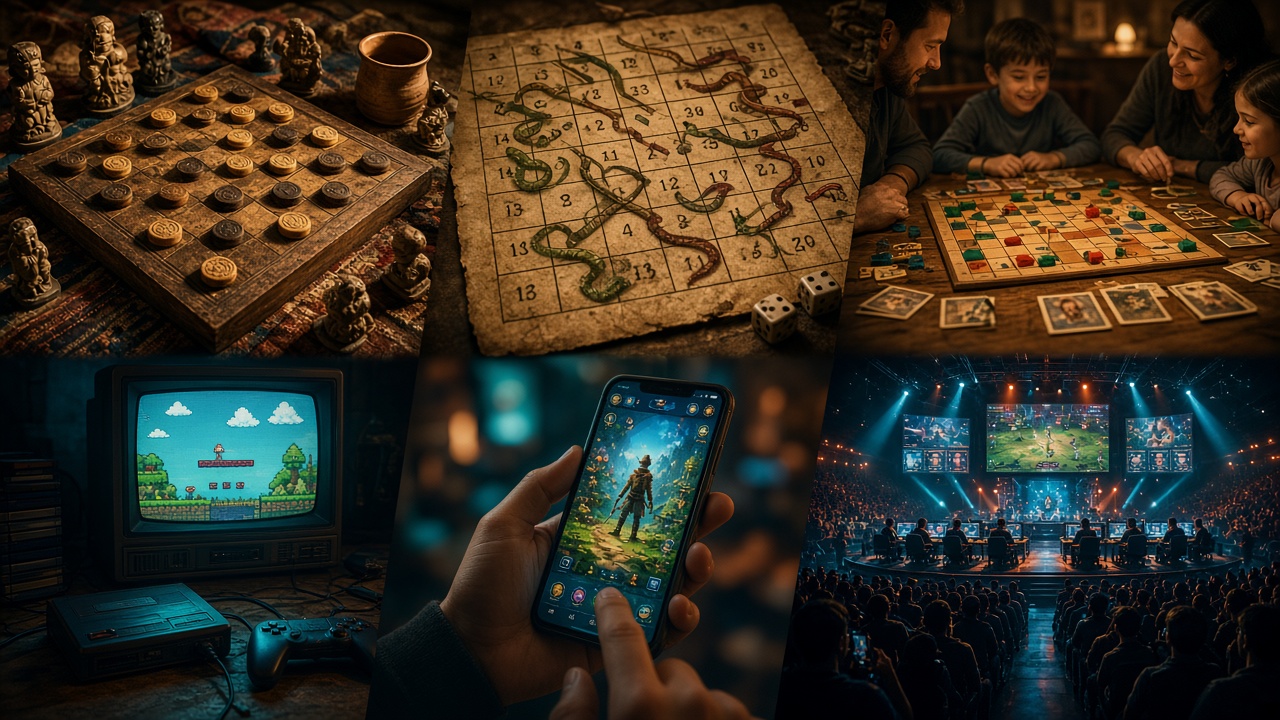
From chaturanga’s carved armies to snakes & ladders, family property nights, glowing consoles,
pocket screens, and stadium esports — play kept reinventing its board.
This timeline follows six turns: chess from chaturanga, snakes & ladders, Monopoly-style tabletop capitalism,
video games, mobile gaming, and esports as spectator sport.
Chaturanga → EsportsBoard · Screen · ArenaIndia · World · Play
Why Games Matter
Games teach rules, chance, strategy, and social negotiation. India helped invent deep strategy (chaturanga)
and moral race games (snakes & ladders); the twentieth century industrialised tabletop hits; screens then
made play portable, always-on, and eventually a stadium spectacle.
From carved boards to pocket screens and arena stages.
♟️ Strategy RootsAncient Roots
Chess (Chaturanga)
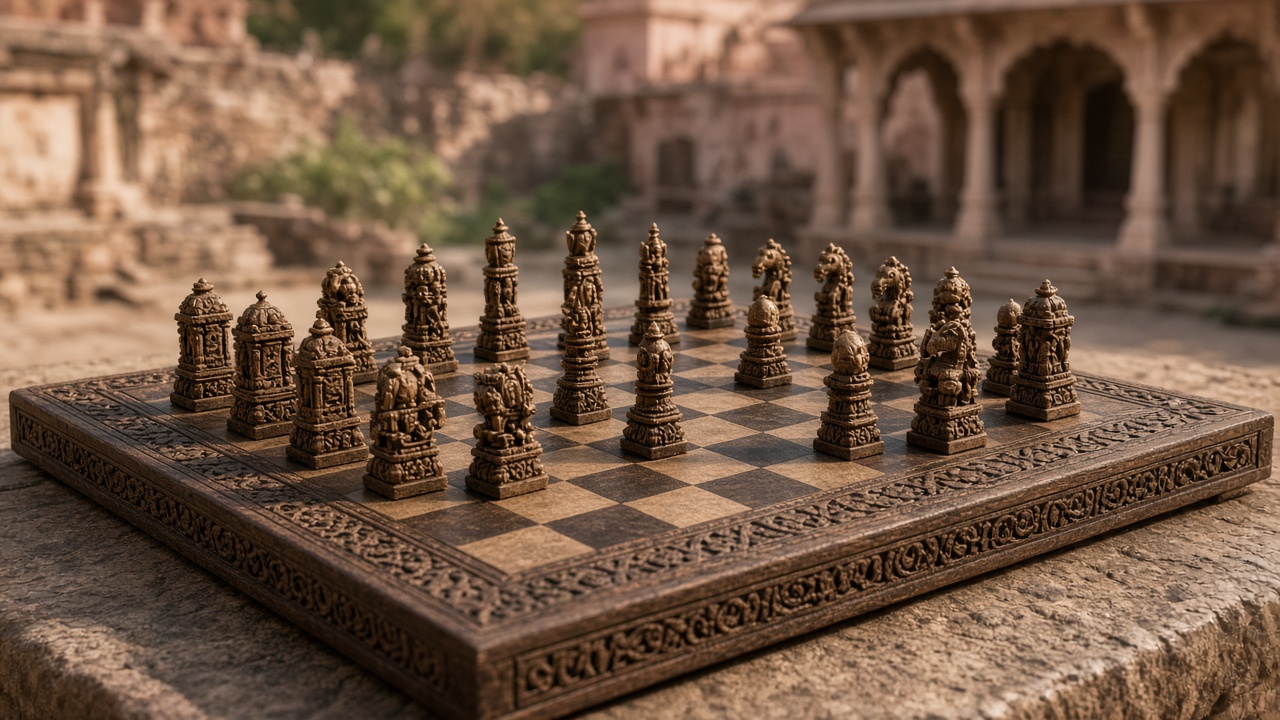
Chaturanga — “four divisions” of an army — is the Indian ancestor of chess. Infantry, cavalry, elephants, and chariots became the logic of kings, queens, knights, and bishops as the game travelled west and evolved into today’s 64-square contest.
Chaturanga: strategy as army on a board.
Indian origin: Early forms linked to Indian courts and military metaphors.
Global spread: Via Persia and the Islamic world into Europe as chess.
Modern India: School chess, clubs, and grandmaster pipelines keep the tradition alive.
Digital chess: Online platforms and engines extend the same ancient duel.
Ideas & Practices
Perfect information: Both players see the whole board.
Piece roles: Different moves encode different unit types.
Notation & study: Games recorded and replayed as knowledge.
Features
Deep skill: Years of mastery, minutes of a single move.
Cultural pride: India’s gift to world strategy games.
Continuity: Still thrives beside screens and esports.
🐍 Moral RaceIndia → World
Snakes & Ladders
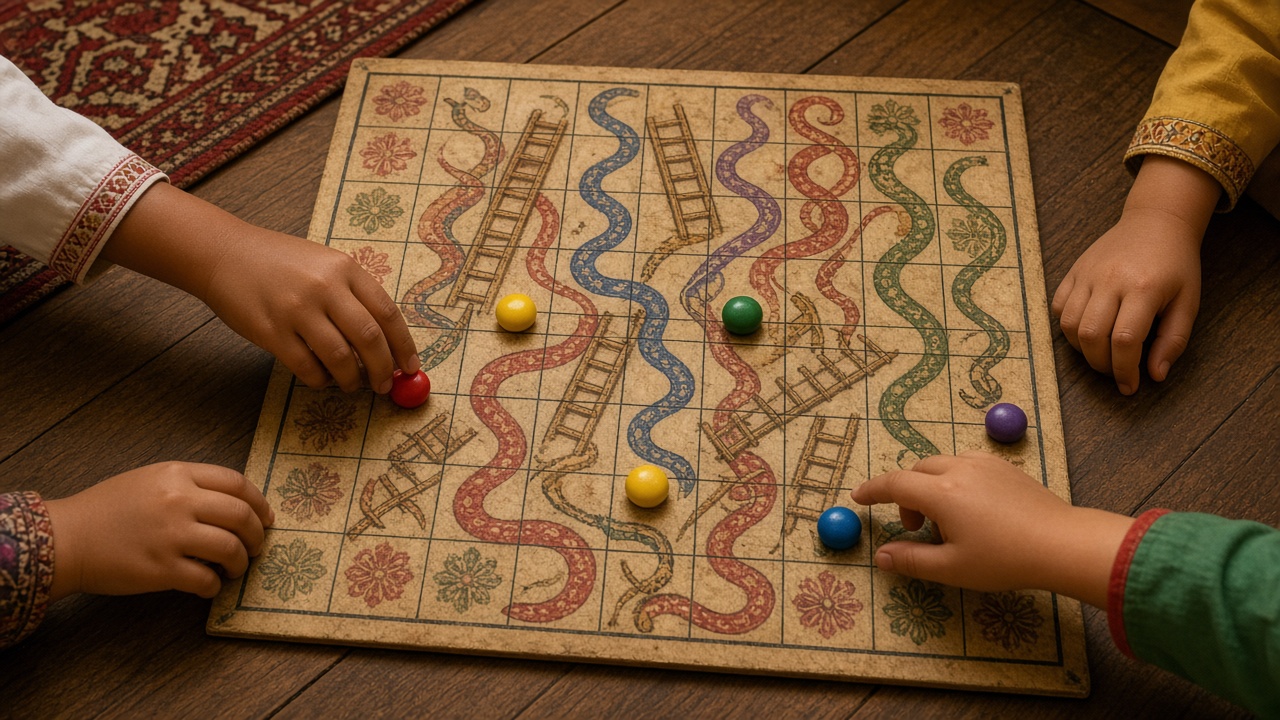
Before it was a rainy-day kids’ classic, snakes & ladders grew from Indian games like Moksha Patam / Gyan Chaupar — ladders for virtues, snakes for vices, a race toward liberation. Chance taught ethics; later versions kept the dice and dropped much of the philosophy.
Snakes & ladders: fortune, setbacks, and climbing again.
Indian roots: Moral boards teaching karma-like ups and downs.
Victorian export: British versions rebranded it as children’s entertainment.
Living rooms: Still a first shared board game for many Indian families.
Ideas & Practices
Chance-first: Dice dominate; skill is limited.
Visual storytelling: Illustrated snakes and ladders guide emotion.
Print culture: Cheap paper boards spread the game massively.
Features
Inclusive: Young children can play without complex rules.
Teaching tool: Originally ethics; later literacy of “fair play.”
Enduring: Survives as app clones and plastic sets alike.
🏠 Property Night20th Century
Monopoly
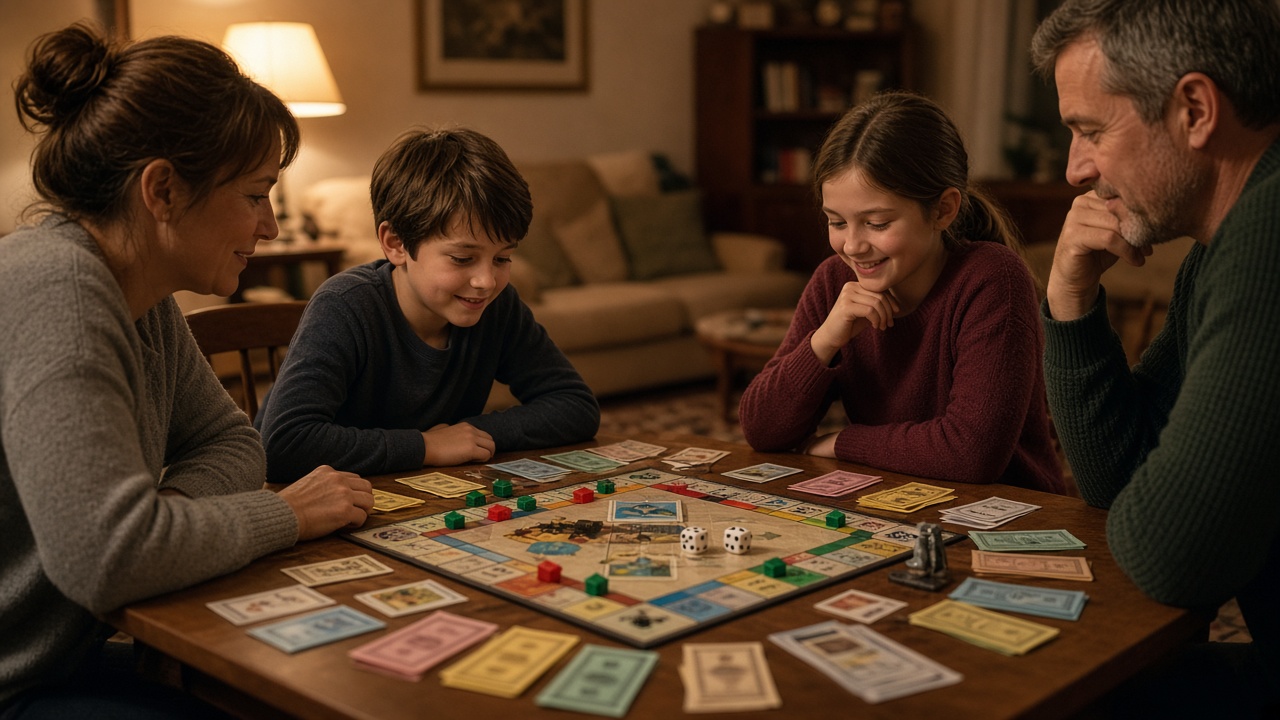
Property-trading boards turned capitalism into a tabletop drama: buy streets, build houses, charge rent, bankrupt friends. Monopoly became the emblem of long family evenings — and of how industrial toys packaged adult economics as play.
Monopoly era: trade, rent, and tabletop rivalry.
Mass-market hit: Boxed sets make complex trading games a household product.
Local editions: City-named boards adapt the formula worldwide, including India.
Social ritual: Hours-long sessions teach negotiation — and arguments.
Design cousins: Opens the door to modern designer board games and cafes.
Systems
Money tokens: Play currency as a teaching metaphor.
Property monopoly: Sets reward concentration of ownership.
House rules: Families remix official rules — living design.
Features
Adult themes: Debt, rent, and luck in kid-friendly form.
Long play: Marathon sessions vs short race games.
Cultural meme: “Monopoly money” enters everyday speech.
📺 Screen Play1970s – Present
Video Games
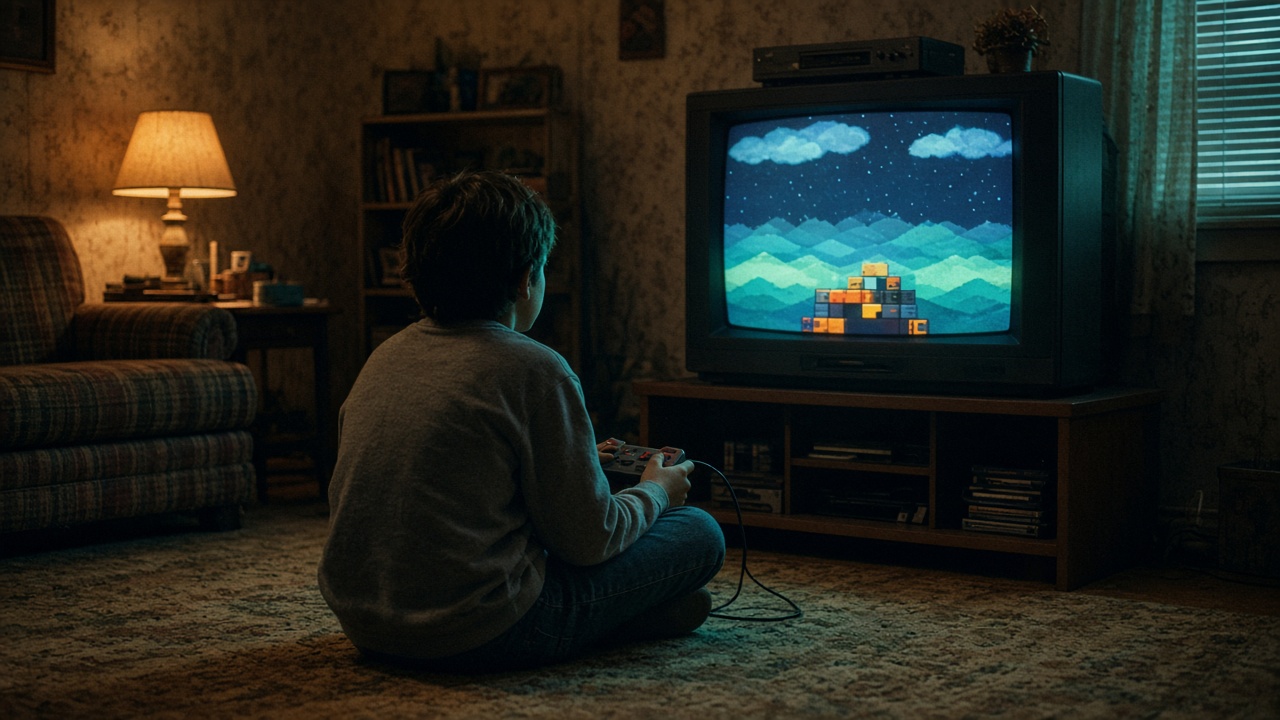
Arcades, consoles, and PCs moved the board onto glowing glass. Controllers replaced dice cups; levels replaced printed tracks. In India, gaming cafes, pirated CDs, and later legal stores taught a generation that play could be real-time and audiovisual.
Video games: living-room screens as the new board.
Arcade to home: Cabinets first, then consoles and PCs indoors.
Genre explosion: Action, puzzles, sports sims, RPGs, and more.
India’s path: Cyber cafes and TV consoles before high-end PCs became common.
Always evolving: Online multiplayer blurs into the esports chapter.
Technology Used
GPUs & CPUs: Real-time graphics and physics.
Controllers: Buttons and sticks as new “dice.”
Storage media: Cartridges, discs, and downloads.
Features
Immersion: Sound and motion deepen presence.
Skill ceilings: Reflexes and mastery loops.
Industry scale: Games become a major creative economy.
📱 Pocket Play2000s – Present
Mobile Gaming
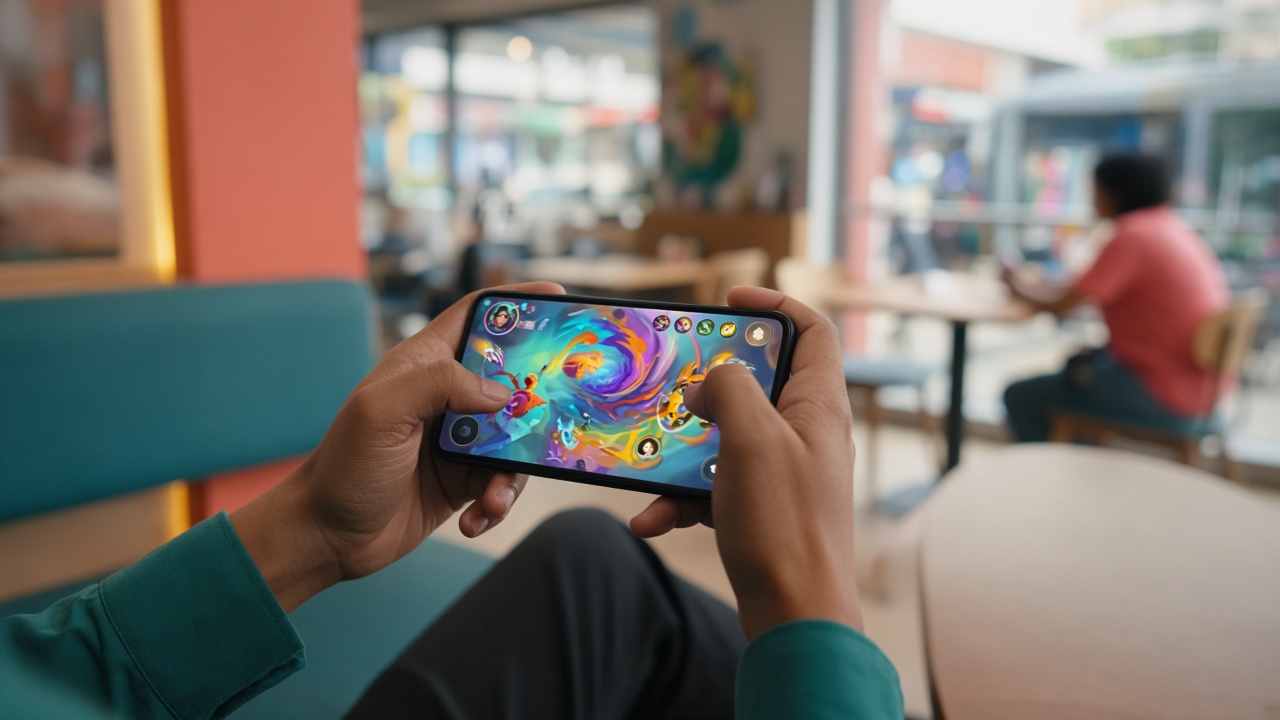
Smartphones put a games cabinet in every pocket. Touch screens, free-to-play models, and cheap data made India one of the world’s largest mobile gaming audiences — short sessions on buses, long evenings in chat-linked matches.
Mobile gaming: the board that travels with you.
Access leap: No console required — a mid-range phone is enough.
Casual to hardcore: From puzzle snacks to battle-royale nights.
India scale: Mass adoption via Android and affordable data plans.
Design shift: Sessions built for interruption, ads, and social invites.
Technology Used
App stores: Instant distribution and updates.
Touch UI: Fingers replace controllers for many genres.
Cloud & 4G/5G: Online matchmaking on the move.
Features
Ubiquity: Play anywhere there is signal.
Business models: Free entry, optional spends.
Bridge to esports: Mobile titles fill competitive arenas too.
🏟️ Play as Sport2010s – Present
Esports
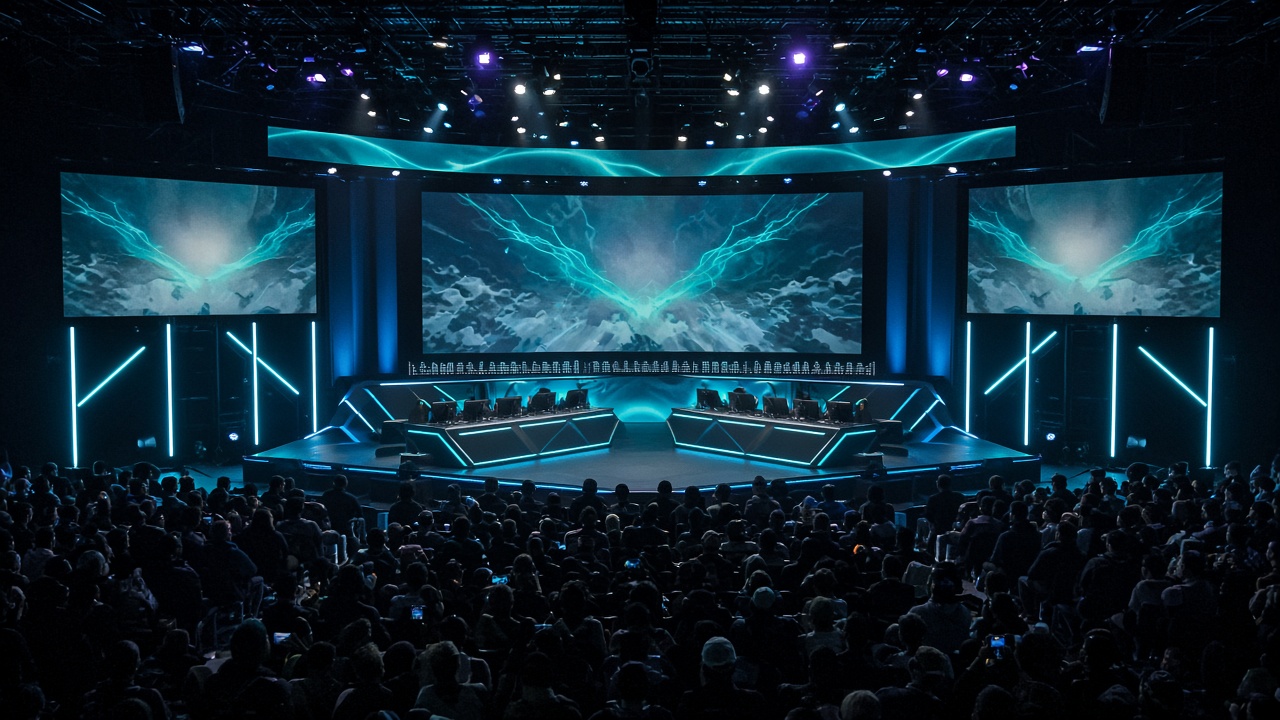
Organised competitive gaming turned high scores into leagues: teams, coaches, sponsors, streams, and packed arenas. Esports treats mastery of a digital ruleset like athletic excellence — and asks schools, parents, and governments to rethink what “sport” can mean.
Esports: games as spectator championships.
Pro circuits: Seasonal leagues and world championships.
Streaming culture: Audiences watch play as entertainment.
India scene: Growing orgs, campus cups, and mobile-first titles.
Recognition debates: Medal events and official sport status evolve unevenly.
Systems
Tournament tech: Anti-cheat, observers, and broadcast overlays.
Training stacks: VODs, analytics, and bootcamps.
Monetisation: Sponsors, media rights, and creator economies.
Features
Spectator sport: Crowds cheer digital goals.
Career path: Players, casters, and event staff.
Full circle: Strategy and ranking echo chess — on a new board.
Game Eras Compared
Each era answers a different need: deep strategy, moral chance, economic role-play, audiovisual immersion, pocket access, and stadium competition.
Era
Main idea
Strength
Limitation
Chess (chaturanga)
Strategy duel
Deep skill & heritage
Steep learning curve
Snakes & ladders
Chance + morals
Easy for all ages
Little strategic agency
Monopoly
Property trading
Social & economic play
Long, luck-heavy sessions
Video games
Screen worlds
Immersion & genres
Hardware & cost barriers
Mobile gaming
Play anywhere
Mass access in India
Attention & monetisation issues
Esports
Competitive spectacle
Careers & audiences
Burnout & recognition debates
India Spotlight: Games Milestones
India’s imprint: chaturanga, snakes & ladders, chess culture, and mobile play.
Era
Milestone
Significance
Ancient
Chaturanga
Roots of global chess.
Classical / early modern
Moksha Patam / Gyan Chaupar
Ancestor of snakes & ladders.
20th century
Family board nights
Imported classics become household play.
1990s–2000s
Cafes & consoles
Screen gaming enters urban youth culture.
2010s–present
Mobile + esports
Mass digital play and competitive scenes.
Board Games Timeline Summary
Year / Era
Milestone
Ancient roots
Chess from chaturanga
India → world
Snakes & ladders (moral race games)
20th century
Monopoly-style property board games
1970s+
Video games (arcade, console, PC)
2000s+
Mobile gaming boom
2010s+
Esports as competitive spectacle
Test Your Knowledge
10 quick questions from the board games timeline. Click each question to reveal the answer.
Answer: Chaturanga.
Answer: Four divisions of an army (or four limbs/parts).
Answer: Moksha Patam or Gyan Chaupar.
Answer: Virtues (good deeds / moral ups).
Answer: Property trading / buying and charging rent.
Answer: Video games (arcades, consoles, PCs).
Answer: Affordable smartphones and data made play widely accessible.
Answer: Organised competitive video gaming as spectator sport.
Answer: No — they often coexist with digital play.
Answer: Both are ranked skill contests with rules, practice, and audiences.
Classroom activity
Students Tasks
Use these prompts for discussion or projects on games and play.
HistoryDesignCultureDigital play
Draw a six-panel poster from chaturanga to esports.
Explain how chaturanga’s army pieces map to modern chess pieces.
Design a mini snakes & ladders board that teaches a school value.
Compare chance games vs strategy games with two examples each.
Interview elders about board games they played as children.
List three ways mobile gaming differs from console gaming.
Debate: “Esports is a real sport” vs “Esports is only entertainment.”
Create fair house rules for a classroom Monopoly-style economy game.
Research one Indian chess grandmaster and present three facts.
Predict one new form of play India will popularise by 2040.
Continue exploring
Games connect to education tools, gadgets, and competitive sport. Explore those timelines next.
Click any panel to expand and explore the visual mood.
Games in pictures — chaturanga, snakes & ladders, Monopoly nights, screens, phones, and arenas.
Chaturanga
Chess roots
Snakes & Ladders
Moral race
Monopoly
Property night
Video Games
Screen play
Mobile
Pocket play
Esports
Arena play
Through Time
Board to arena
Explore all sports timelines
Jump to any other sports timeline on WorldTimelineHub.
Disclaimer: This content is AI-generated for educational purposes and may contain errors or outdated details. For correct and authoritative information, please refer to official and reliable sources such as government publications, manufacturers, museums, and academic references.