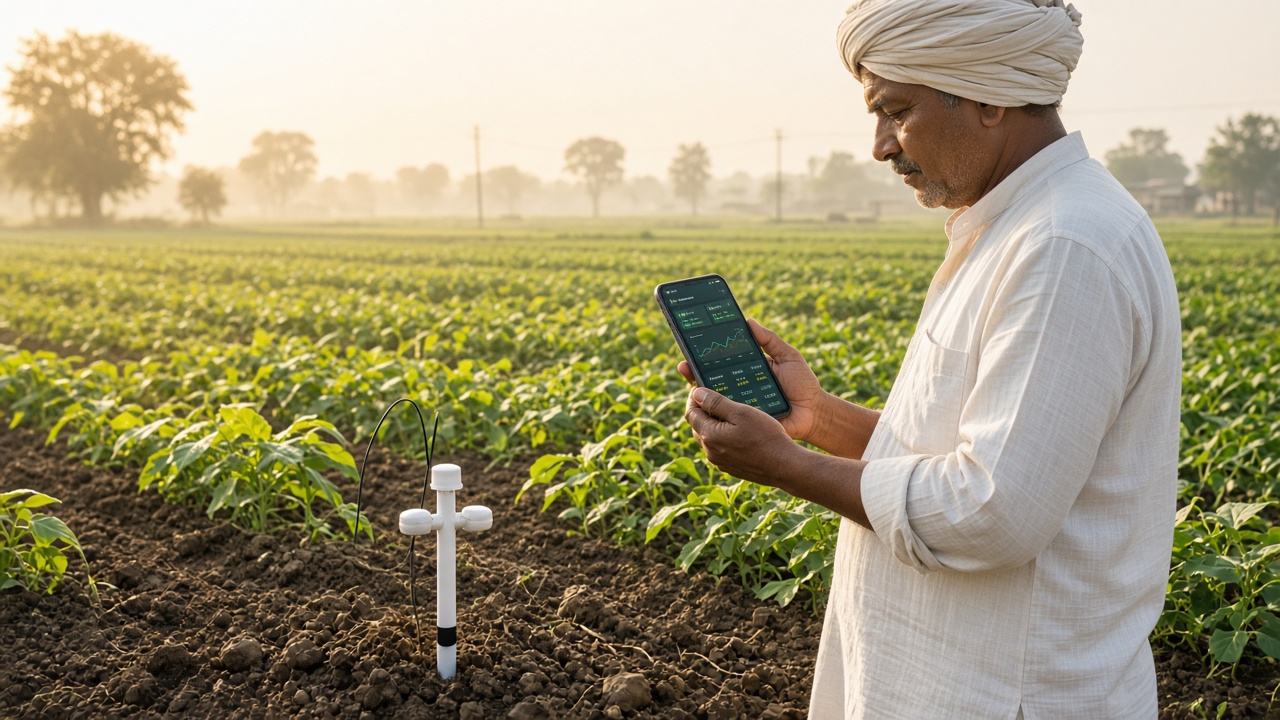
From RFID tags and factory telemetry to M2M networks, smart homes, industrial IoT platforms, Matter interoperability, and India’s smart-city and agri-sensor programmes.
1980s -> PresentRFID -> MatterIIoT + Cities
Internet of Things Ideas
The Internet of Things (IoT) connects sensors, actuators, and everyday devices to networks so they can measure, report, and sometimes act with little human input. It grew from industrial telemetry and RFID into homes, farms, cities, and factories.
This timeline follows that path from tagged objects and SCADA loops through M2M cellular links, IP-enabled sensors, consumer smart homes, industrial platforms, and safer interoperable standards—including India’s smart-city and agri-IoT push.
Big picture
IoT evolution in one view
Cheap radios, smartphones as hubs, cloud dashboards, and later edge AI each unlocked a bigger wave of connected things. Security and interoperability became as important as connectivity itself.
IoT: sensors and actuators talking over networks to apps and people.
Tags1980s - 1998
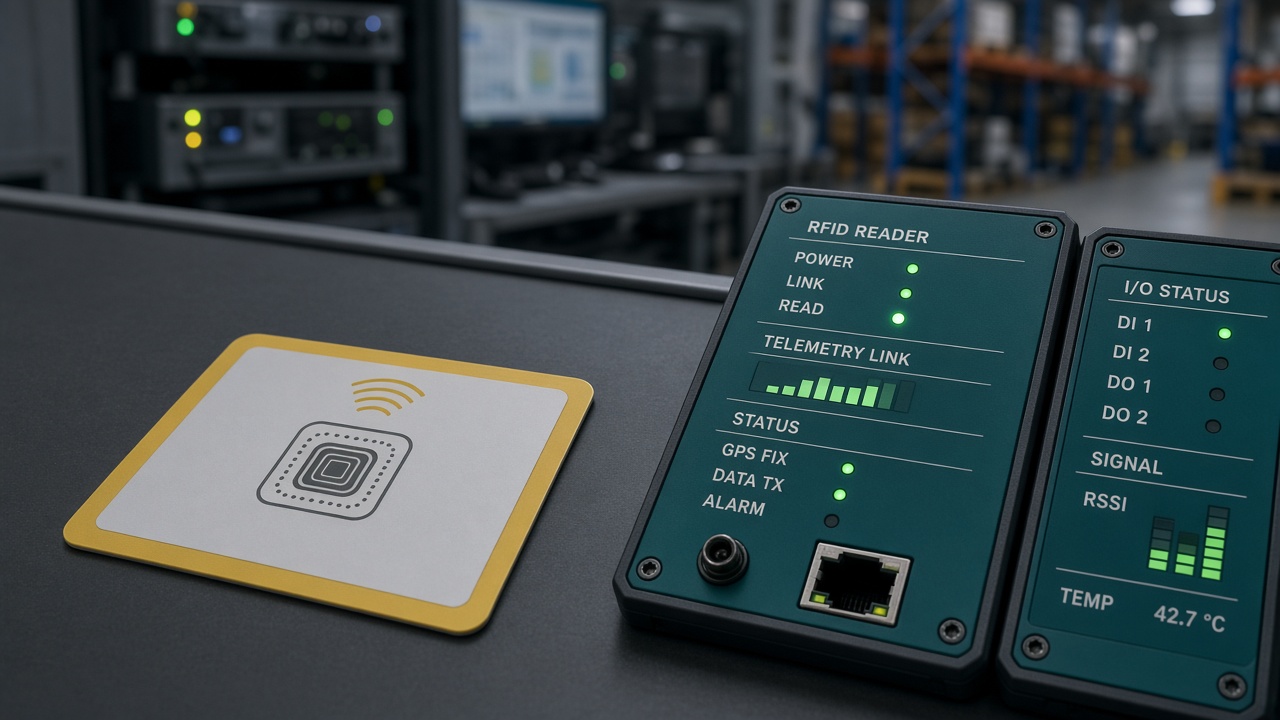
RFID, SCADA and Industrial Telemetry
Factories and utilities already monitored machines with SCADA. RFID tags made objects readable without line-of-sight barcodes. These systems were networked—but rarely to the public Internet.
Tags and control rooms: things report before the word IoT exists.
RFID for logistics and access control.
SCADA and PLC telemetry on private networks.
Early wireless sensor experiments in labs.
Takeaway: Connected things begin as industrial tooling, not consumer gadgets.
Named1999 - 2008
M2M Networks and the Word “IoT”
Around 1999 Kevin Ashton popularised “Internet of Things” for RFID-to-Internet vision. Cellular machine-to-machine (M2M) links connected meters, fleets, and vending machines through operator platforms.
Machines talk to machines over telecom and early IP links.
1999: “Internet of Things” enters wider use.
M2M SIMs for meters, cars, and logistics.
IPv6 and embedded OS research accelerate.
Takeaway: The idea gets a name; cellular M2M proves remote things can scale.
IP Everywhere2009 - 2013
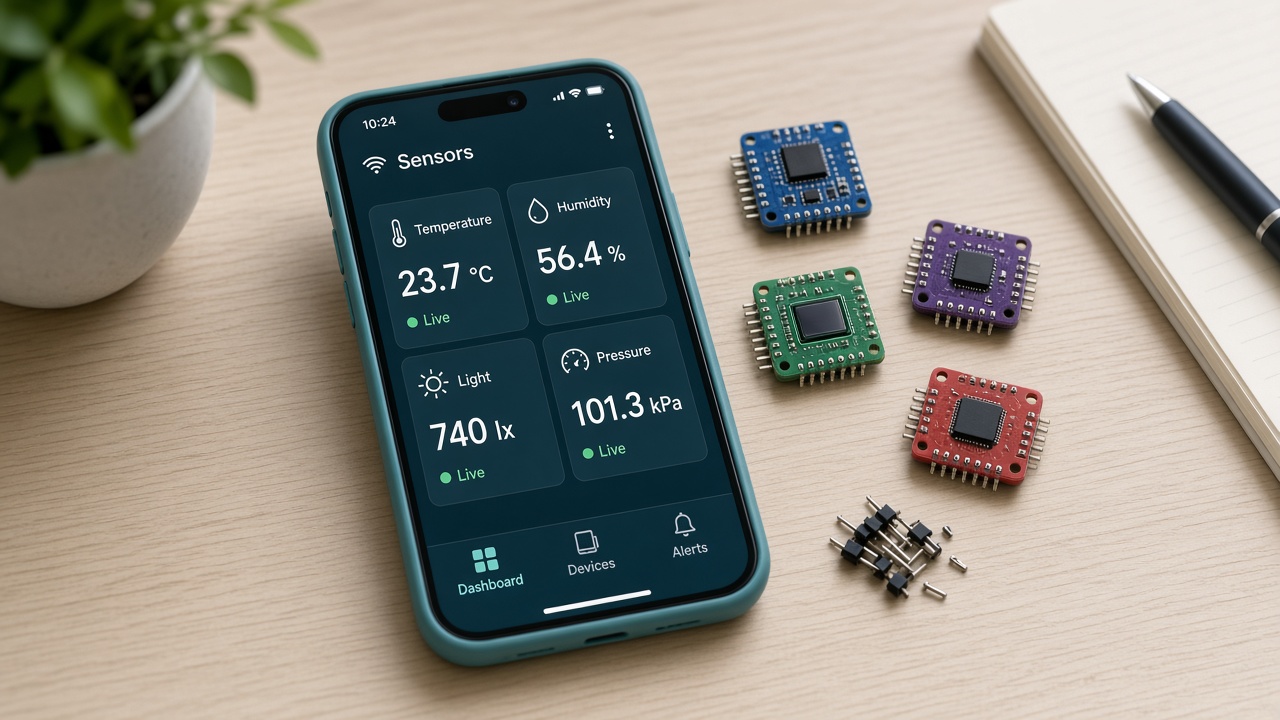
Smartphones, MQTT and Tiny IP Nodes
App phones became remote controls and gateways. Lightweight protocols such as MQTT, plus Contiki/TinyOS-class stacks, pushed IP toward constrained sensors. Wi-Fi modules and maker boards made prototyping cheap.
Phones and tiny IP boards turn sensors into everyday projects.
MQTT and CoAP for constrained messaging.
Maker boards and Wi-Fi modules boom.
Cloud dashboards for device fleets appear.
Takeaway: IoT becomes a developer movement, not only a telco product.
Home2014 - 2017
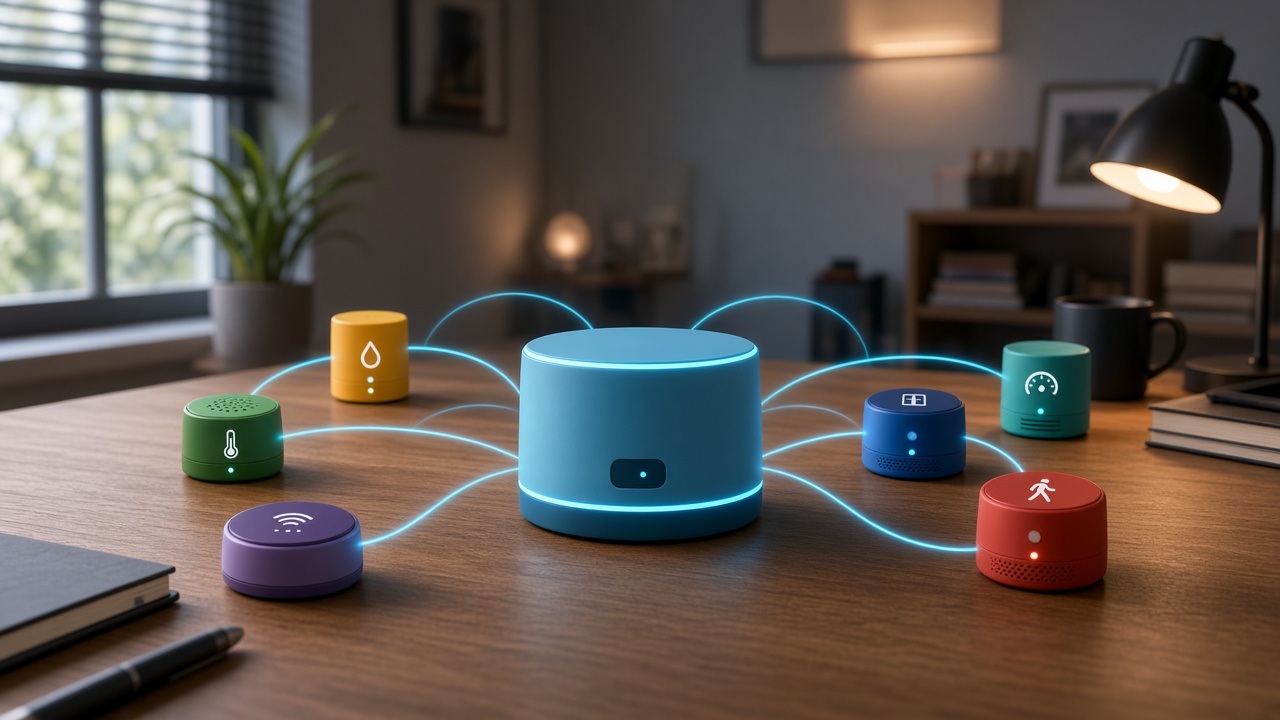
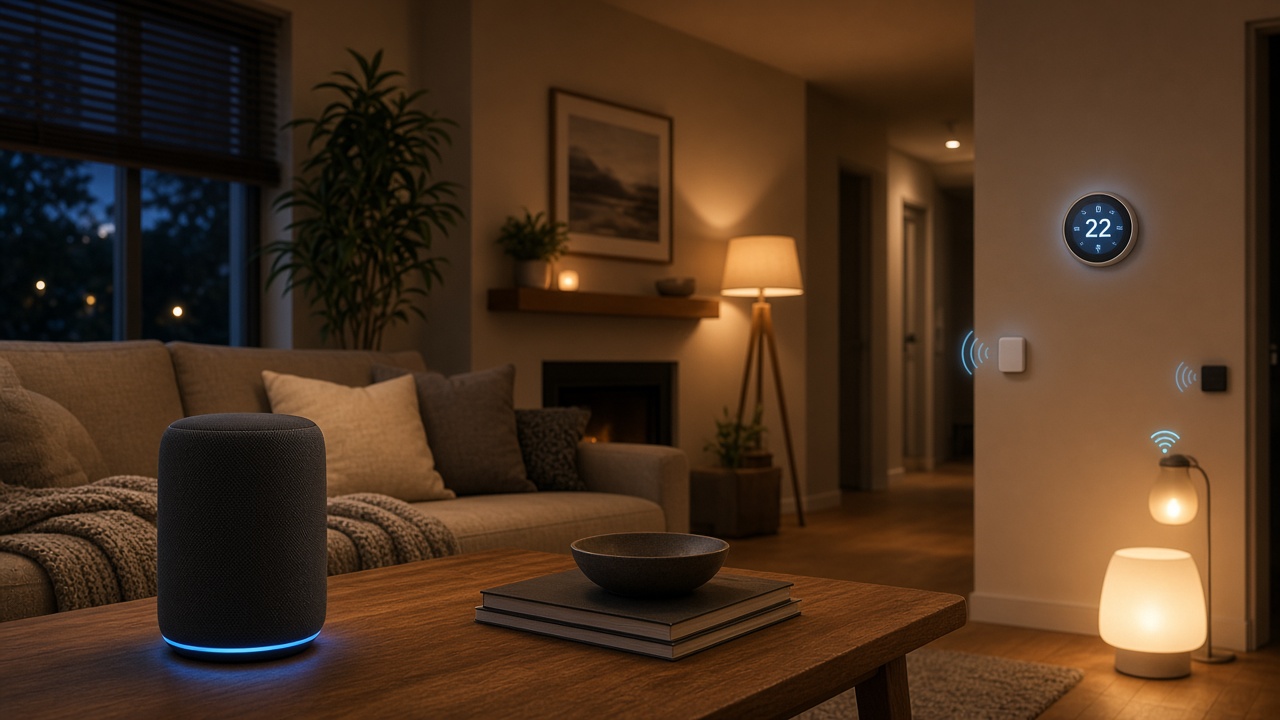
Smart Speakers, Bulbs and Consumer IoT
Thermostats, cameras, bulbs, and voice assistants brought IoT into living rooms. Convenience soared—so did worries about privacy, weak passwords, and walled gardens that would not talk to each other.
Homes fill with connected devices—and new security questions.
Voice assistants and smart hubs go mainstream.
Retail IoT gadgets multiply on store shelves.
Botnets and camera breaches raise security alarms.
Takeaway: Consumer IoT wins on ease; loses trust without security basics.
Industry2016 - 2020
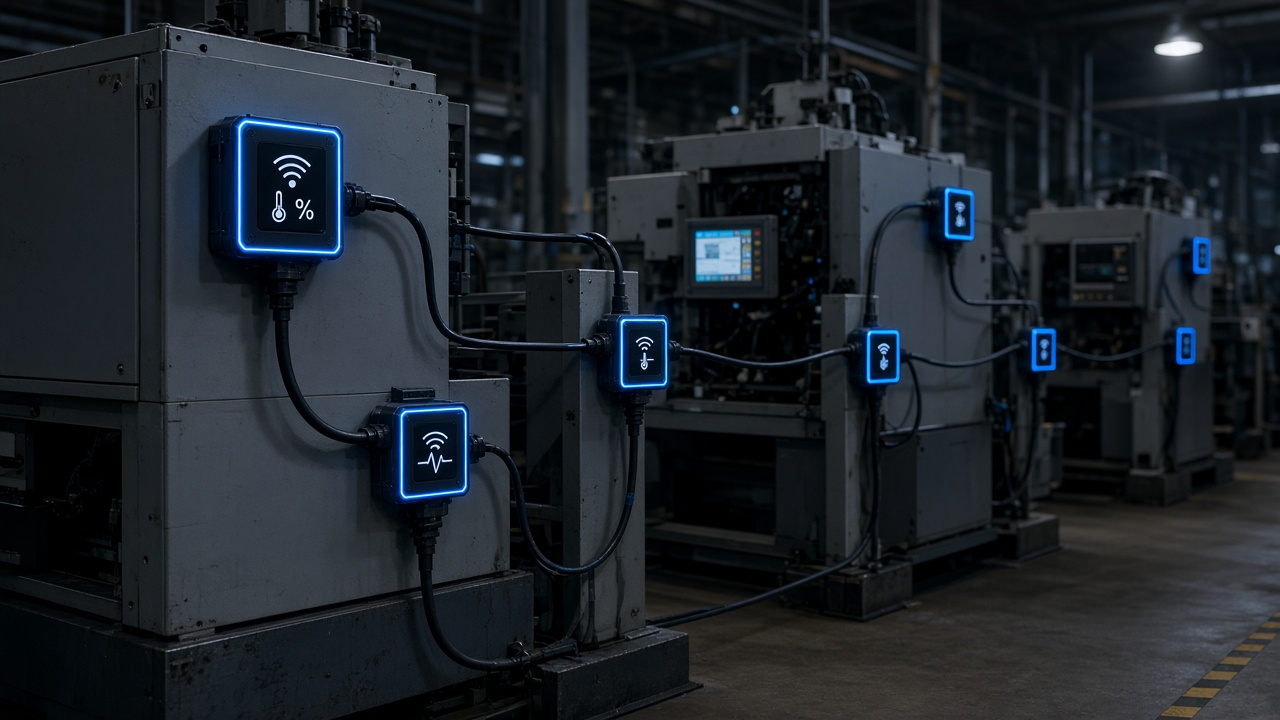
Industrial IoT Platforms and Predictive Maintenance
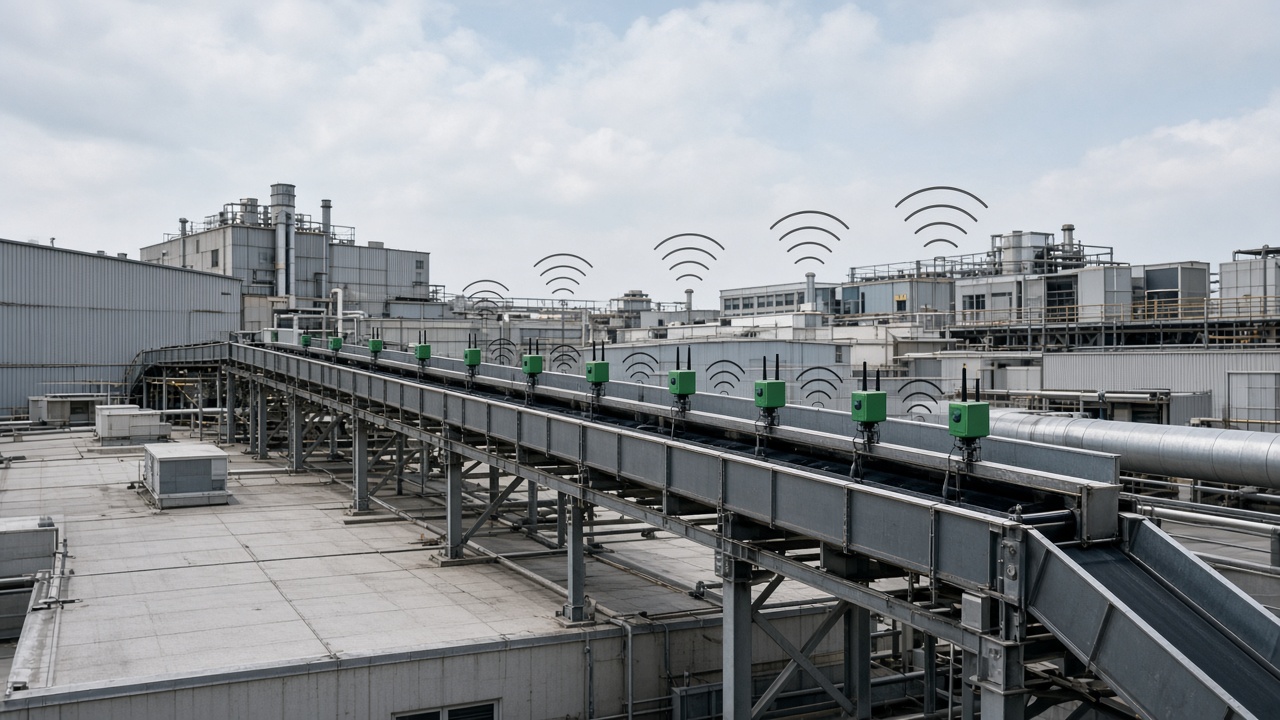
Factories linked sensors to cloud and on-prem platforms for vibration, energy, and quality data. Digital twins and predictive maintenance became boardroom topics. OT/IT security and 5G private networks entered the conversation.
Shop-floor sensors feed platforms for uptime and efficiency.
IIoT platforms for fleets of machines.
Predictive maintenance and energy analytics.
OT security and private LTE/5G trials.
Takeaway: Value shifts from “connected” to reliable, secure industrial outcomes.
Standards2021 - Present
Matter, Zero-Trust and Smarter Edges
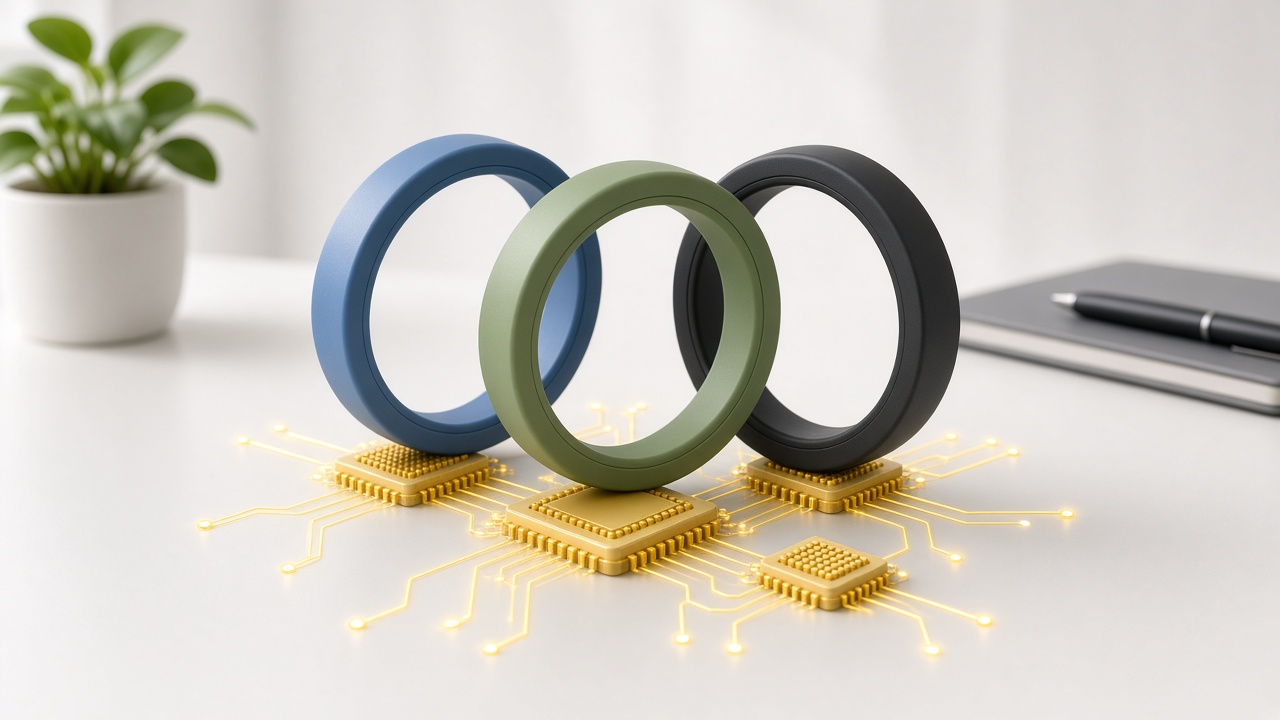
Matter aims to make smart-home devices work across brands. Zero-trust and secure boot harden fleets. Tiny on-device AI filters data before the cloud. Cities and farms in India scale sensors for water, traffic, and crops.
Interoperability, security, and on-device intelligence define the next wave.
Matter and similar interoperability efforts.
Secure device identity and update pipelines.
Edge AI + LPWAN for farms and cities.
Takeaway: The hard problems are trust, standards, and useful data—not only more gadgets.
Internet of Things Timeline Summary
Era
Years
Focus
RFID & telemetry
1980s-1998
Tags, SCADA, private nets
M2M & named IoT
1999-2008
Cellular M2M, IoT label
IP sensors
2009-2013
MQTT, makers, phones
Smart home
2014-2017
Consumer gadgets, privacy
Industrial IoT
2016-2020
Platforms, predictive maint.
Matter & secure
2021-Present
Standards, edge AI, cities
Then vs Now
Aspect
Then
Now
Networks
Private SCADA / early M2M
Wi-Fi, LPWAN, 5G, Matter fabrics
Devices
Specialist industrial gear
Homes, farms, wearables, factories
Data path
Local HMI / closed loop
Cloud + edge AI filtering
Risk focus
Uptime
Security, privacy, interoperability
Breakthroughs
RFID: Identify objects without contact scanning.
M2M cellular: Remotely reach machines at scale.
MQTT / CoAP: Light messaging for tiny devices.
Smart hubs: Consumer IoT controllable by voice/apps.
Matter + secure identity: Cross-brand trust and updates.
Impact on Daily Life
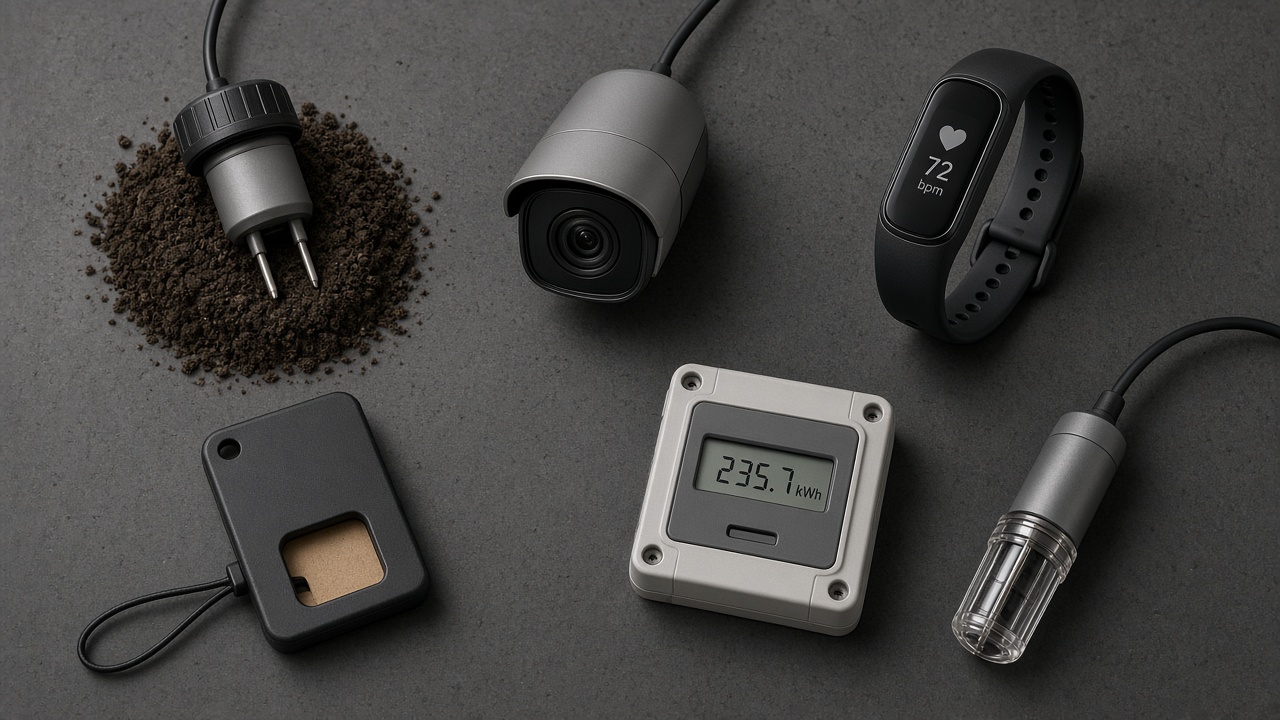
Thermostats learn schedules, meters report usage, warehouses track packages, and farms watch soil moisture. The flip side is more attack surface and more data about how we live—so passwords, updates, and network segmentation matter at home too.
Homes, cities, farms, factories, health, and logistics.
India focus
Internet of Things in India
Smart Cities Mission projects, agri-sensors, and industrial modernisation drive Indian IoT adoption. Startups build water, energy, and logistics solutions; telecoms offer M2M SIMs; colleges teach embedded and cloud IoT stacks.
India: cities, farms, and factories connect sensors at scale.
Smart-city traffic, lighting, and water pilots.
Agri-IoT for soil, weather, and cold-chain monitoring.
Manufacturing IIoT for quality and energy.
Local startups + telecom M2M platforms.
Test Your Knowledge
Twenty quick checks on RFID, M2M, MQTT, smart homes, and Matter.
Answer: Internet of Things.
Answer: Identify/track tagged objects wirelessly.
Answer: Industrial / utility control and monitoring.
Answer: About 1999 (Kevin Ashton era).
Answer: Machine-to-Machine.
Answer: Lightweight messaging protocol for devices.
Answer: Low overhead for constrained devices/networks.
Jump to any other technology timeline on WorldTimelineHub.
Disclaimer: This content is AI-generated for educational purposes and may contain errors or outdated details. For correct and authoritative information, please refer to official and reliable sources such as government publications, manufacturers, museums, and academic references.