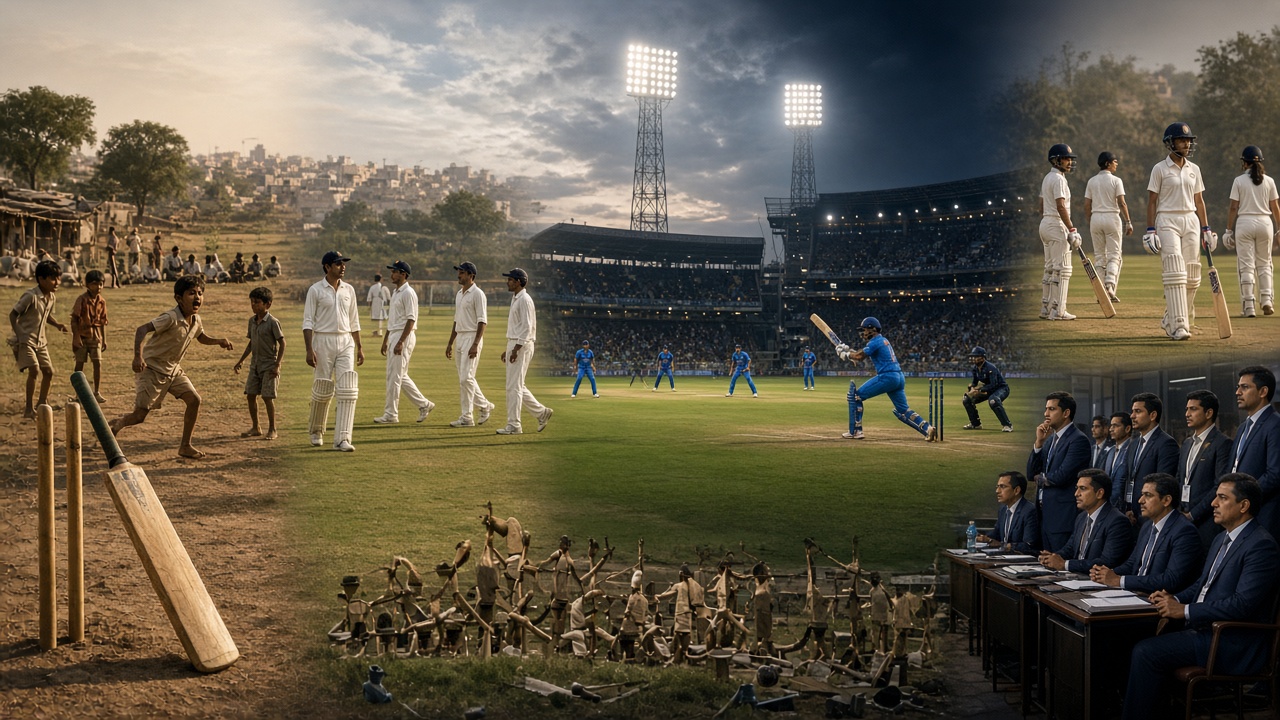
From dusty village maidans to Test whites, World Cup nights, T20 fireworks, women’s cricket, and billion-dollar franchises —
cricket became India’s shared language of sport and spectacle.
This timeline follows six turns: grassroots play, five-day Tests, one-day cricket, T20 and the IPL, the women’s game’s rise,
and the franchise business that remade the sport’s economy.
Maidan → FranchiseTest · ODI · T20Play · Broadcast · Business
Why Cricket Matters in India
Cricket is play, identity, and industry. Gully and village games feed the talent pipeline; Tests build prestige;
ODIs made a nation dream together; T20 and the IPL turned evenings into entertainment products; women’s cricket claims equal space;
franchise economics show how sport became a media and finance story.
From village cricket to Tests, ODIs, T20/IPL, women’s cricket, and franchise business.
🌳 Maidan RootsLong Tradition
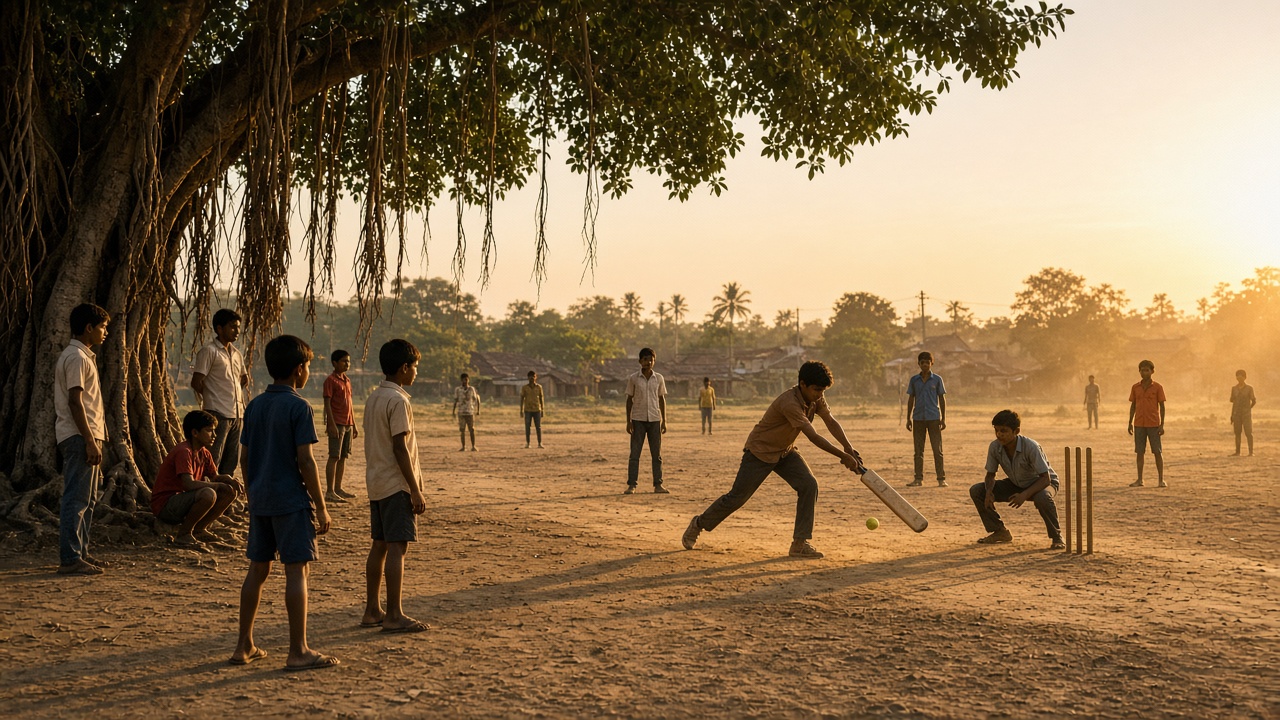
Village Cricket
Before stadiums and auctions, cricket lived on maidans — tennis balls, taped cork, broken bats, and endless summer evenings. Village and gully cricket remain India’s talent factory and cultural soundtrack.
Village cricket: rules flexible, passion fixed.
Gully & maidan: Local grounds with local rules — one-tip-one-hand, last-man stands, rubber ball bounce.
Social glue: Festivals, school rivalries, and neighbourhood leagues.
Pathway: From village nets to district trials, state academies, and IPL discovery.
Ideas & Practices
Street adaptations: Shorter pitches and soft balls for crowded spaces.
Coaching culture: Uncles, seniors, and local clubs as first coaches.
Seasonal calendars: Summer tournaments and monsoon pauses.
Features
Access: Almost anyone can start with a ball and a wall.
Creativity: Shot-making born from rough pitches.
Continuity: Still thrives beside professional leagues.
🧥 Five-Day Prestige1932 – Present
Test Cricket
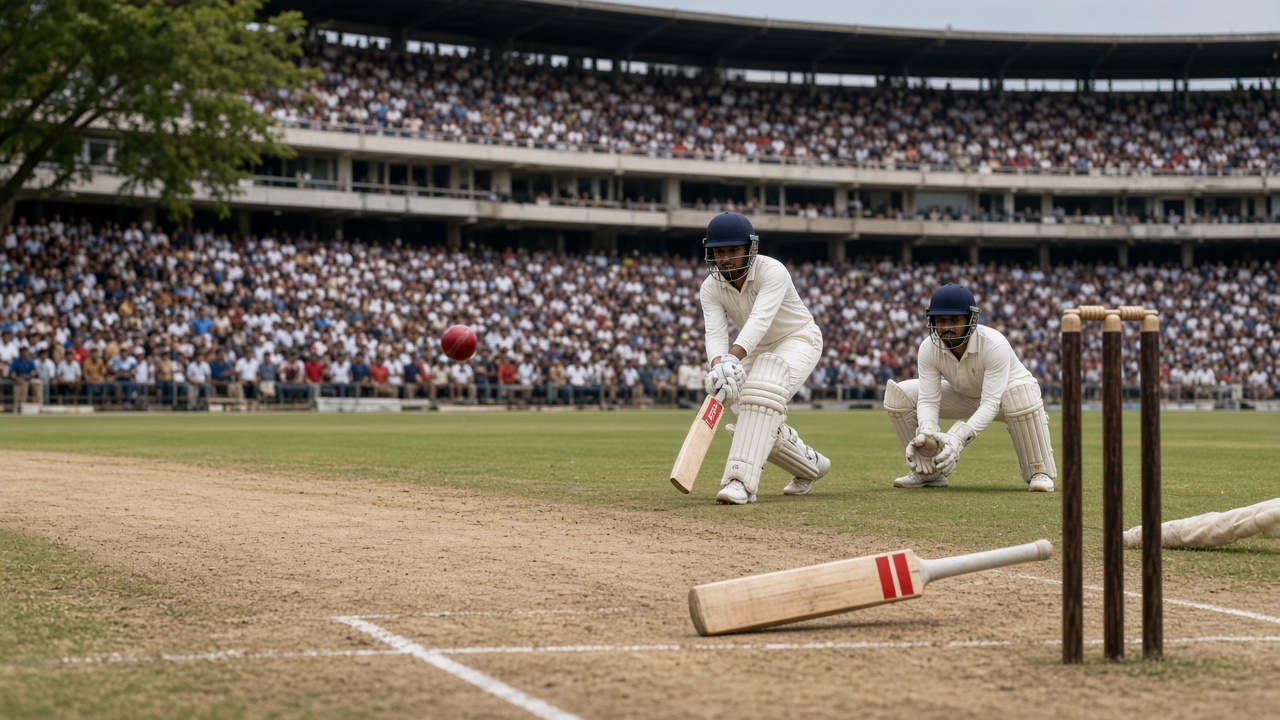
India entered Test cricket in 1932 at Lord’s. The longest format built patience, spinning legends, and national pride — from early tours to home fortress wins and World Test Championship battles.
Test cricket: time, technique, and reputation.
1932: India plays its first Test against England at Lord’s.
Spin era: Home pitches and great spinners shape India’s identity.
Away milestones: Series wins in Australia, England, and elsewhere redefine belief.
Modern Tests: Day-night pink-ball experiments and World Test Championship.
Technology Used
Red ball & whites: Classic equipment and clothing.
Depth over drama: Sessions and strategies unfold slowly.
Player status: Test caps remain a gold standard for many.
Audience shift: Competes with shorter formats for attention.
☀️ One-Day Nation1970s – Present
ODI
One Day Internationals brought coloured clothing, floodlights, and a finish before midnight. India’s 1983 World Cup win turned cricket into mass television emotion — and made ODIs the nation’s weekend ritual for a generation.
ODIs: a whole match in a day — and a nation on the sofa.
Format birth: Limited overs catch on globally from the 1970s.
1983 World Cup: Kapil’s Devils rewrite Indian sporting self-belief.
2011 home triumph: World Cup victory in Mumbai seals another national memory.
TV age: Commentary, ads, and cricket soaps grow together.
Technology Used
White ball / coloured kits: Visibility under lights.
Fielding restrictions: Rules that reward aggressive batting.
Broadcast packages: Satellite and later digital rights.
Features
Narrative arc: Build, middle, death overs.
Hero culture: Finishers and openers become household names.
Still central: World Cups remain the biggest stage for many fans.
⚡ Night Entertainment2000s – Present
T20 / IPL
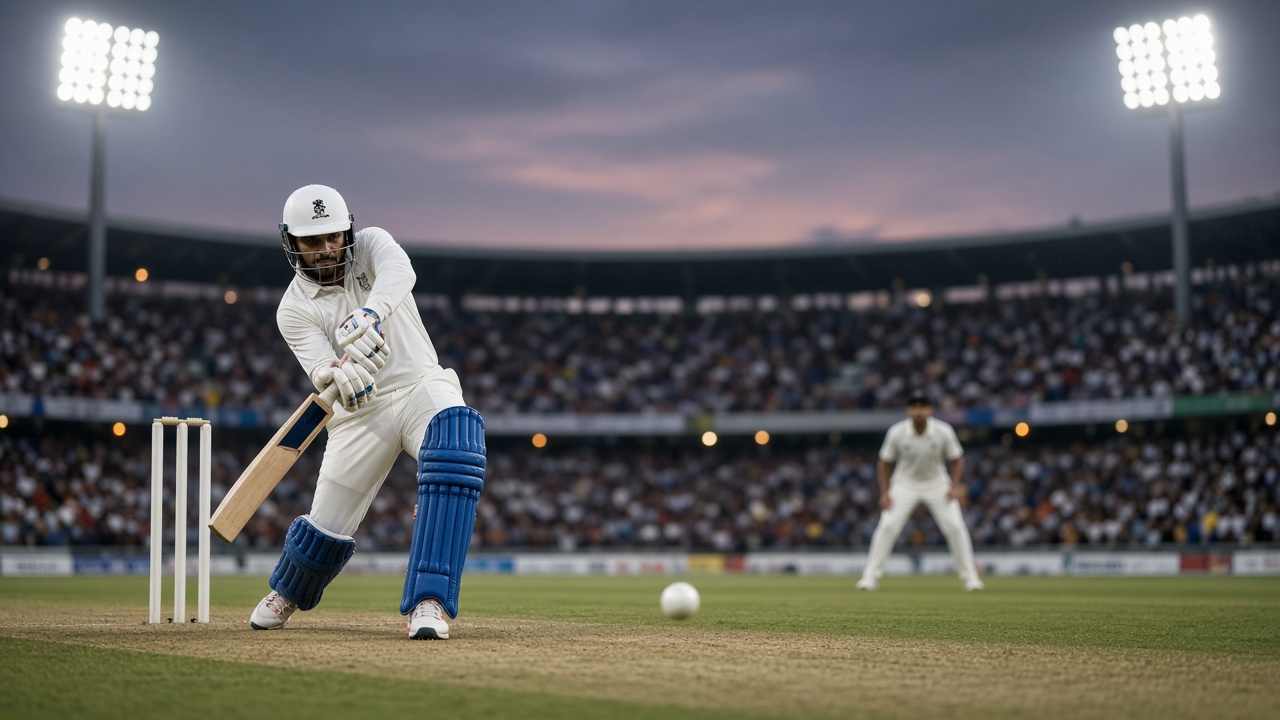
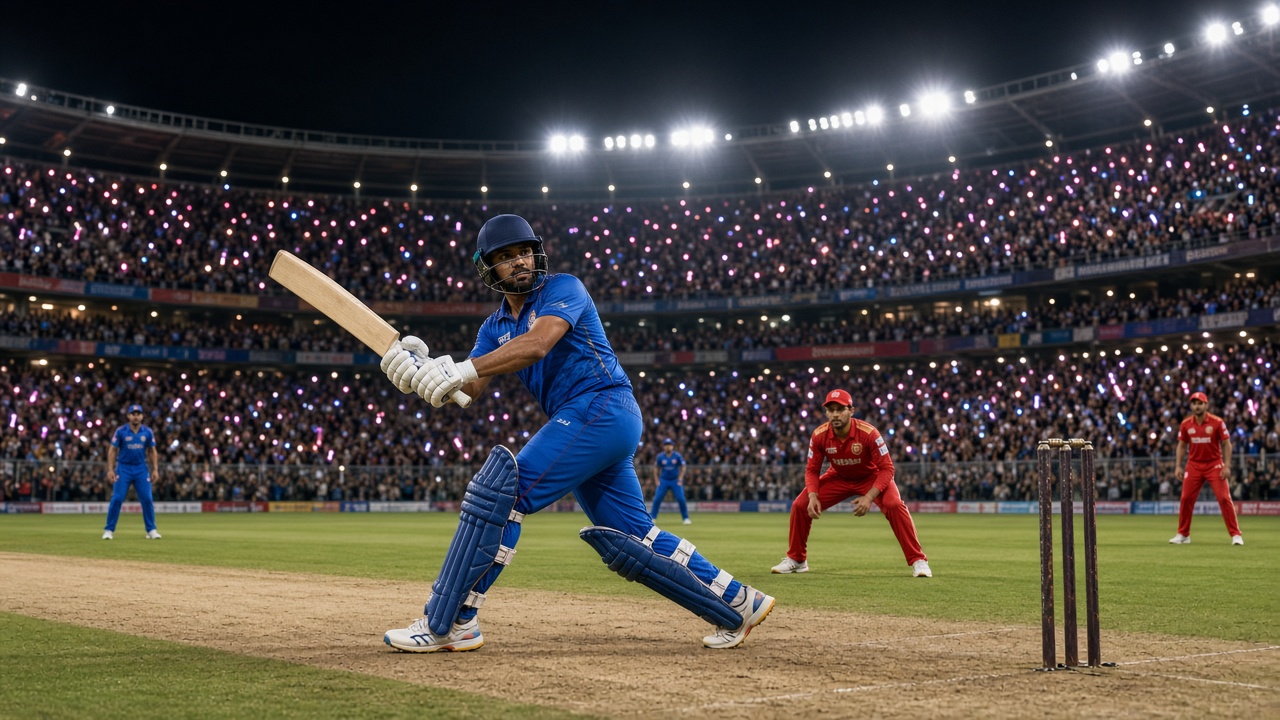
Twenty20 compressed cricket into three hours of sixes, music, and city pride. The IPL (2008) made franchise colours as recognisable as national blues — and turned April–May into India’s loudest sports season.
T20/IPL: cricket as prime-time entertainment.
T20 invention: Short format designed for busy audiences and TV.
2007 World T20: India’s win fuels appetite for a home league.
2008 IPL: City franchises, auctions, cheer culture, and global stars.
Skill shift: Power-hitting, yorkers, and strategic timeouts become craft.
Technology Used
Stadium production: LED, sound, and multi-camera broadcasts.
Data & analytics: Match-ups and death-over planning.
Digital streaming: Apps expand the audience beyond TV.
Features
City loyalty: Fans adopt franchise identities.
Career path: Domestic T20 can launch international careers.
Calendar pressure: Debate over workload and format balance.
🌟 Equal Stage1970s – Present
Women’s Cricket
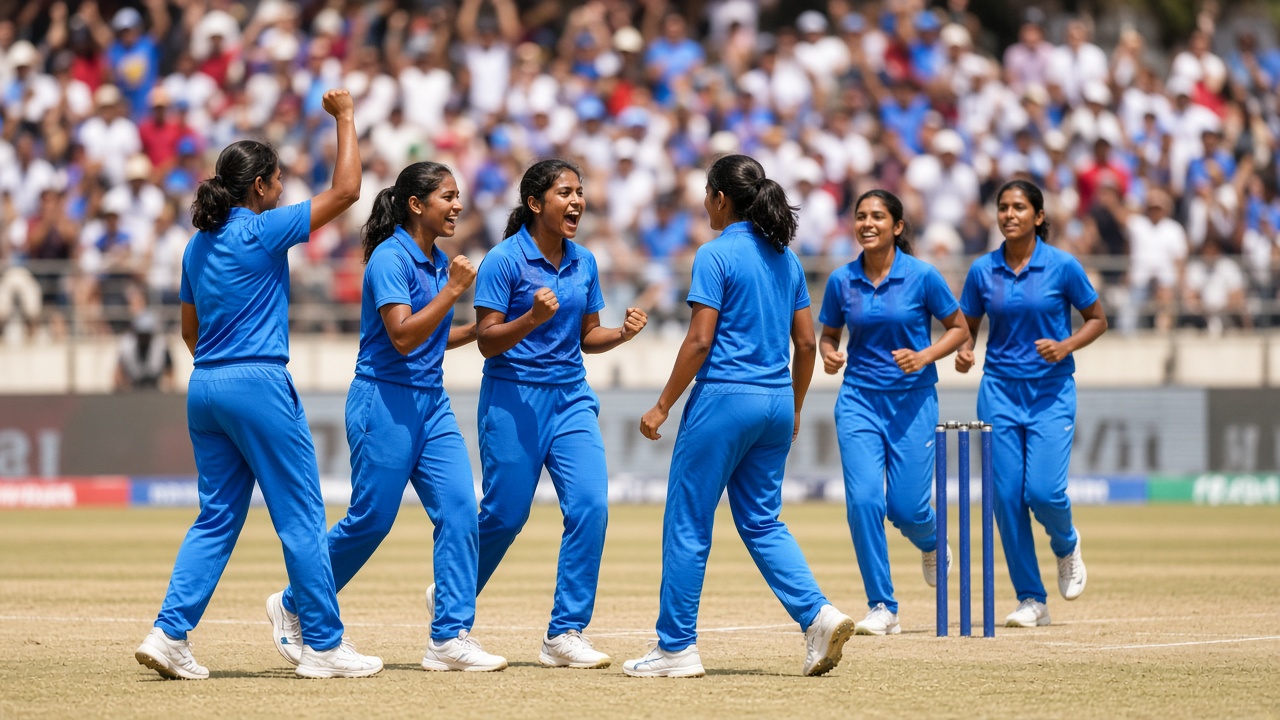
Women’s cricket in India grew from pioneering tours and thin resources to World Cup finals, professional contracts, and the WPL. Visibility, pay, and pathways finally began catching up with talent that was always there.
Women’s cricket: skill first — spotlight catching up.
Early decades: Dedicated pioneers play with limited facilities and media coverage.
Stars & milestones: Leaders like Mithali Raj and later generations normalise excellence.
World Cup moments: Deep tournament runs raise public attention.
2023 WPL: Franchise league brings auctions, TV slots, and young role models.
Systems & Support
Central contracts: Professional pay structures expand.
Domestic pathway: State cricket and age-group systems deepen.
Broadcast slots: Live coverage makes stars household names.
Features
Inspiration loop: Girls see careers as possible.
Parity unfinished: Pay, scheduling, and facilities still improve unevenly.
Same formats: Tests (rare), ODIs, and T20s share the calendar.
💼 Sport as Business2008 – Present
Franchise Economics
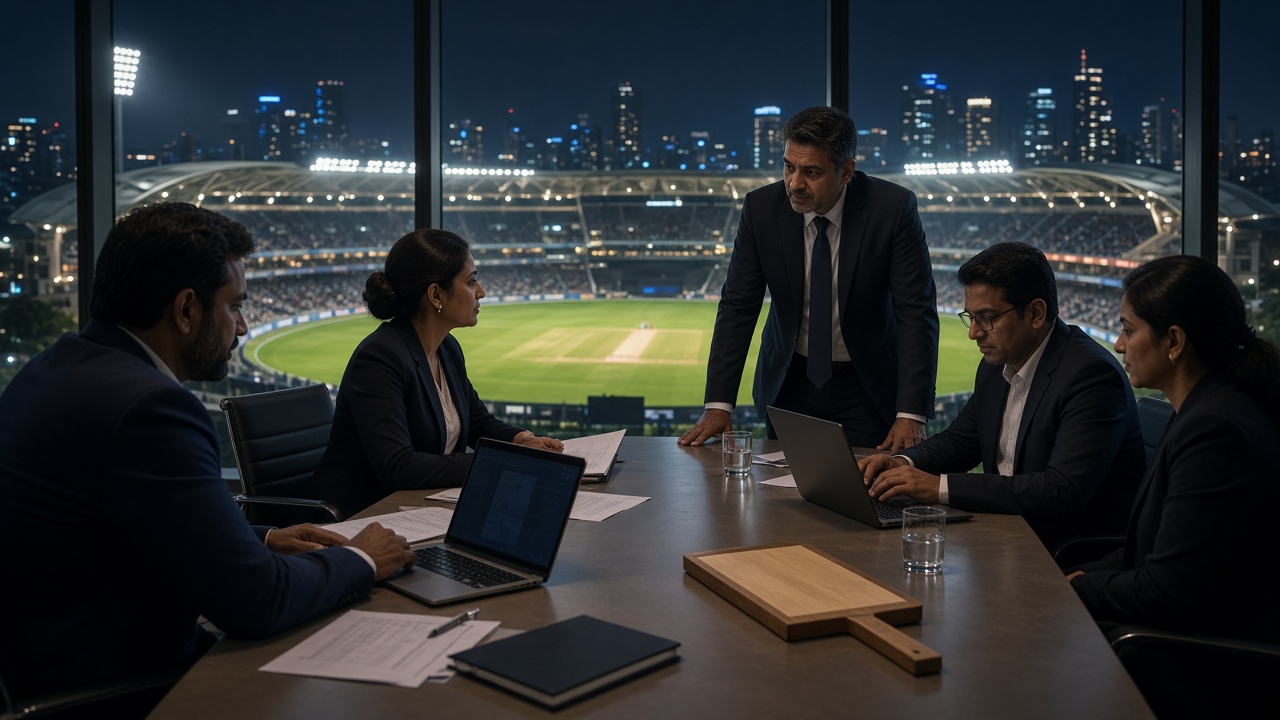
IPL franchises turned cricket into a portfolio asset: media rights, sponsorships, auctions, brand valuation, and city marketing. The money remade player wages — and raised questions about governance, workload, and who owns the game.
Franchise economics: auctions, rights, and brand value.
Team ownership: Corporates and consortia buy city teams as long-term brands.
Player auctions: Price discovery for talent — with surprises every season.
Media rights: Broadcast and digital deals become the league’s cash engine.
Spillover: WPL and global T20 leagues copy the franchise template.
Business Tools
Rights packages: TV + streaming split by window and territory.
Sponsor stacks: Jersey, stadium, and digital inventory.
Valuation metrics: Brand, eyeballs, and merchandise.
Features
Wealth creation: Players and boards earn at new scales.
Entertainment product: Match days designed like concerts.
Public debates: Conflict of interest, schedule load, and cricket’s soul.
Cricket Eras Compared
Each era answers a different need: play space, prestige, national TV drama, night entertainment, gender equity, and business scale.
Era
Main idea
Strength
Limitation
Village cricket
Grassroots play
Universal access, talent pipeline
Uneven facilities & coaching
Test cricket
Five-day contest
Prestige, technique, history
Time-poor audiences
ODI
One-day narrative
World Cup romance
Squeezed by T20 calendars
T20 / IPL
Short entertainment
Mass reach, city fandom
Workload & format debates
Women’s cricket
Equal opportunity
New stars & WPL growth
Parity still incomplete
Franchise economics
Sport as business
Revenue & professional pay
Governance & commercial pressure
India Spotlight: Cricket Milestones
From Lord’s 1932 to IPL nights and the WPL.
Year / Era
Milestone
Significance
Long tradition
Village & gully cricket
Grassroots culture of the game.
1932
First Test at Lord’s
India joins international cricket.
1983
Men’s ODI World Cup win
Mass national cricket fever.
2007
Men’s T20 World Cup win
Sparks IPL momentum.
2008
IPL launches
Franchise cricket era begins.
2011
Men’s ODI World Cup at home
Home triumph memory.
2023
WPL begins
Women’s franchise leap.
Cricket Timeline Summary
Year / Era
Milestone
Long tradition
Village and gully cricket
1932+
Test cricket era
1970s–80s+
ODI cricket and World Cups
2000s+
T20 cricket and IPL
1970s–2020s
Women’s cricket professionalises
2008+
Franchise economics dominate the calendar
Test Your Knowledge
10 quick questions from the cricket timeline. Click each question to reveal the answer.
Answer: A tennis ball or taped tennis ball.
Answer: 1932 (at Lord’s, against England).
Answer: 50 overs.
Answer: 1983.
Answer: 2008.
Answer: 20 overs.
Answer: The Women’s Premier League — India’s women’s franchise T20 league.
Answer: 2023.
Answer: Media rights, sponsorships, or ticket/merchandise sales.
Answer: Board of Control for Cricket in India.
Classroom activity
Students Tasks
Use these prompts for discussion or projects on cricket in India.
FormatsHistoryGender & sportMedia & money
Interview someone who played gully cricket and list five local rules they used.
Make a six-panel poster from village cricket to franchise economics.
Compare Test, ODI, and T20: duration, skills, and audience.
Explain why the 1983 World Cup mattered beyond sport.
Design a fair school tournament that includes girls’ and boys’ teams.
Research one IPL franchise and map its sponsors and home city.
Debate: “T20 is saving cricket” vs “T20 is harming Test cricket.”
Write a short profile of a women’s cricket pioneer from India.
Create a budget for a village cricket kit for 20 players.
Predict one change cricket will see in India by 2040.
Continue exploring
Cricket connects to Olympics, media, business, and women’s history. Explore those timelines next.
Click any panel to expand and explore the visual mood.
Cricket in pictures — maidans, Tests, ODIs, T20 nights, women’s cricket, and franchises.
Village Cricket
Maidan roots
Test Cricket
Five-day prestige
ODI
One-day nation
T20 / IPL
Night entertainment
Women’s Cricket
Equal stage
Franchise $
Sport as business
Through Time
Maidan to franchise
Explore all sports timelines
Jump to any other sports timeline on WorldTimelineHub.
Disclaimer: This content is AI-generated for educational purposes and may contain errors or outdated details. For correct and authoritative information, please refer to official and reliable sources such as government publications, manufacturers, museums, and academic references.