From shikar grounds to tiger reserves, Wildlife Act protection, eco-tourism circuits,
and the hard edge of human–wildlife conflict — India’s parks story is conservation under pressure.
This timeline follows five turns: shikar, Project Tiger, the Wildlife Act, eco-tourism,
and human–wildlife conflict.
Hunt → ProtectTiger · Law · TourismIndia · Parks · Wildlife
Why Parks Matter
Parks are not just scenery. They are legal spaces where hunting rules, tiger recovery, tourism money,
and village livelihoods collide. India’s path runs from elite shikar to statute books, reserve networks,
safari economies, and daily negotiation at the forest edge.
From shikar camps to tiger reserves, law, tourism, and forest-edge conflict.
Hunt GroundsColonial – Early Independence
Shikar
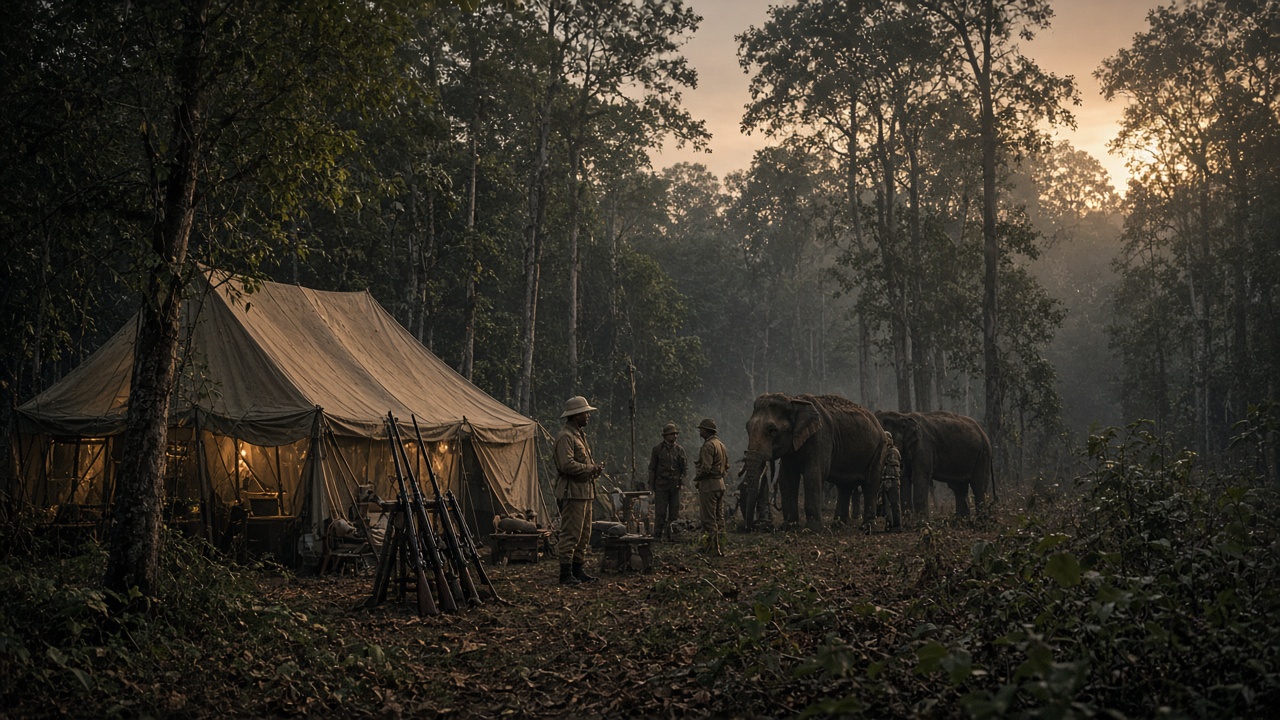
Before modern parks, forests were often framed as sporting estates. Princely shikar, colonial officers’ hunts, and trophy culture thinned wildlife while also producing early game reserves — uneven protection shaped more by elite leisure than by ecology.
Shikar: forests as hunting theatre.
Elite sport: Big-game hunts as status and diplomacy.
Game laws: Early closed seasons and reserves, often for hunters.
Wildlife decline: Tigers, rhinos, and other species under heavy pressure.
Shikar camps: Organised expeditions with beaters and elephants.
Trophy culture: Skins and photographs as prestige objects.
Proto-reserves: Some hunting blocks later become park cores.
Features
Unequal access: Local use vs elite sport.
Knowledge: Trackers and forest lore later feed conservation.
Legacy: Public backlash helps birth legal protection.
Flagship Species1973 –
Project Tiger
Launched in 1973, Project Tiger made the tiger a national conservation symbol. Tiger reserves with core and buffer zones, anti-poaching teams, and later camera-trap science turned scattered forests into a managed network — imperfect, contested, and still central to India’s park identity.
Project Tiger: habitat protection with a flagship species.
1973 launch: National programme after alarming tiger declines.
Reserve model: Cores for breeding; buffers for multiple use.
Monitoring: From pugmark counts to camera traps and estimates.
Landscape view: Corridors and prey base enter the conversation.
Tools & Methods
Anti-poaching: Patrols, intelligence, and enforcement.
Habitat management: Water, grassland, and inviolate cores.
Science: Population estimation and prey studies.
Features
Visibility: Tiger success stories mobilise public support.
Displacement debates: Relocation and rights remain contested.
Umbrella effect: Protecting tiger habitat can shelter other species.
Legal Shield1972 –
Wildlife Act
The Wildlife (Protection) Act, 1972, gave parks their legal backbone. Schedules of protected species, national parks and sanctuaries, and bans on hunting and trade shifted conservation from goodwill to statute — later amendments tightened enforcement and expanded protected-area categories.
Wildlife Act: protection written into law.
1972 Act: Framework for species and habitat protection.
Protected areas: National parks, sanctuaries, and later categories.
Trade controls: Restrictions on wildlife products and hunting.
Amendments: Stronger penalties and institutional updates over time.
Legal Tools
Schedules: Graded protection for listed species.
Notifications: State and central designation of parks.
Enforcement: Forest staff, courts, and wildlife crime cells.
Features
Clarity: Hunting is no longer a casual elite privilege.
Paper vs ground: Law needs staff, funds, and community buy-in.
Foundation: Project Tiger and tourism operate inside this frame.
Visit & Value1990s – Present
Eco-tourism
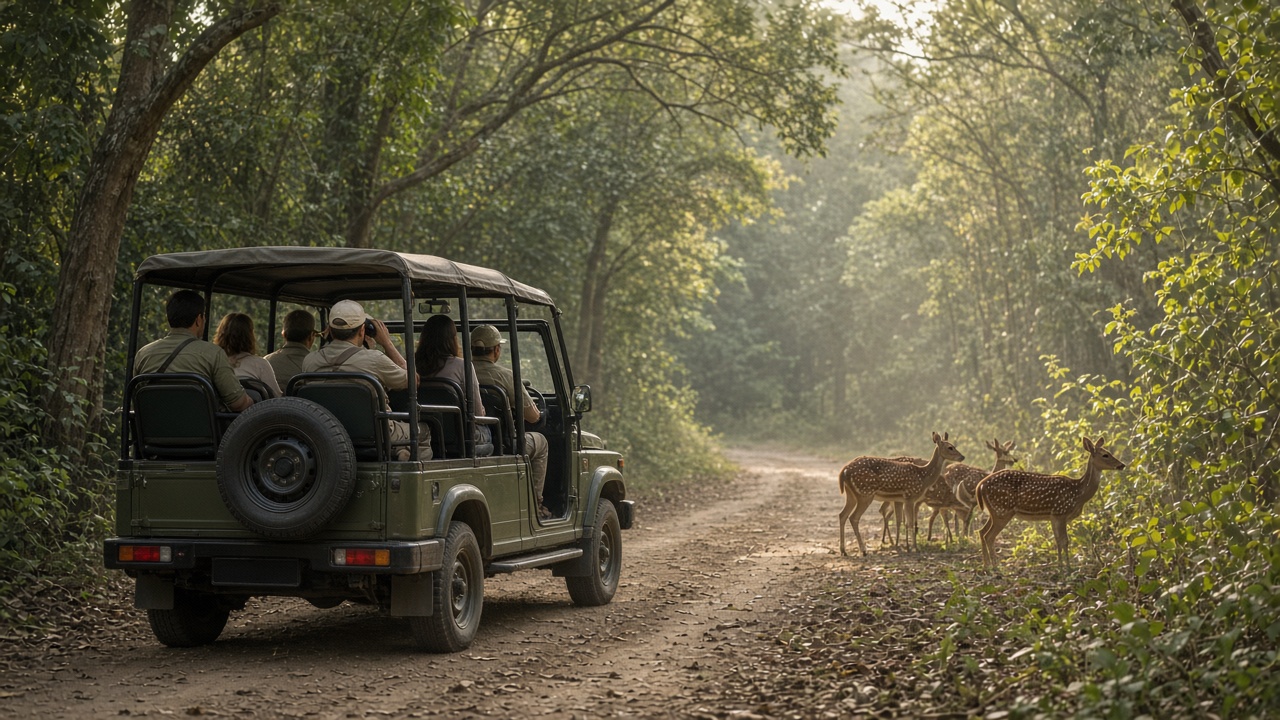
Safari circuits, jungle lodges, and guided interpretation turned parks into visitor economies. Done well, eco-tourism funds protection and local jobs; done poorly, it crowds cores, stresses animals, and prices communities out of their own landscapes.
Eco-tourism: watching wildlife without owning it.
Safari boom: Tiger parks become national travel destinations.
Buffer livelihoods: Guides, homestays, and handicrafts near reserves.
Rules & zones: Vehicle caps, timings, and no-go cores.
Brand India: Wildlife tourism joins heritage and pilgrimage circuits.
Tools & Practices
Interpretation: Naturalists, nature trails, and visitor centres.
Booking systems: Online permits and zone allotments.
Carrying capacity: Limits meant to reduce disturbance.
Features
Revenue: Entry fees can support protection.
Pressure: Peak-season overcrowding remains a risk.
Education: Tourism can build conservation constituencies.
Shared EdgesOngoing
Human–Wildlife Conflict
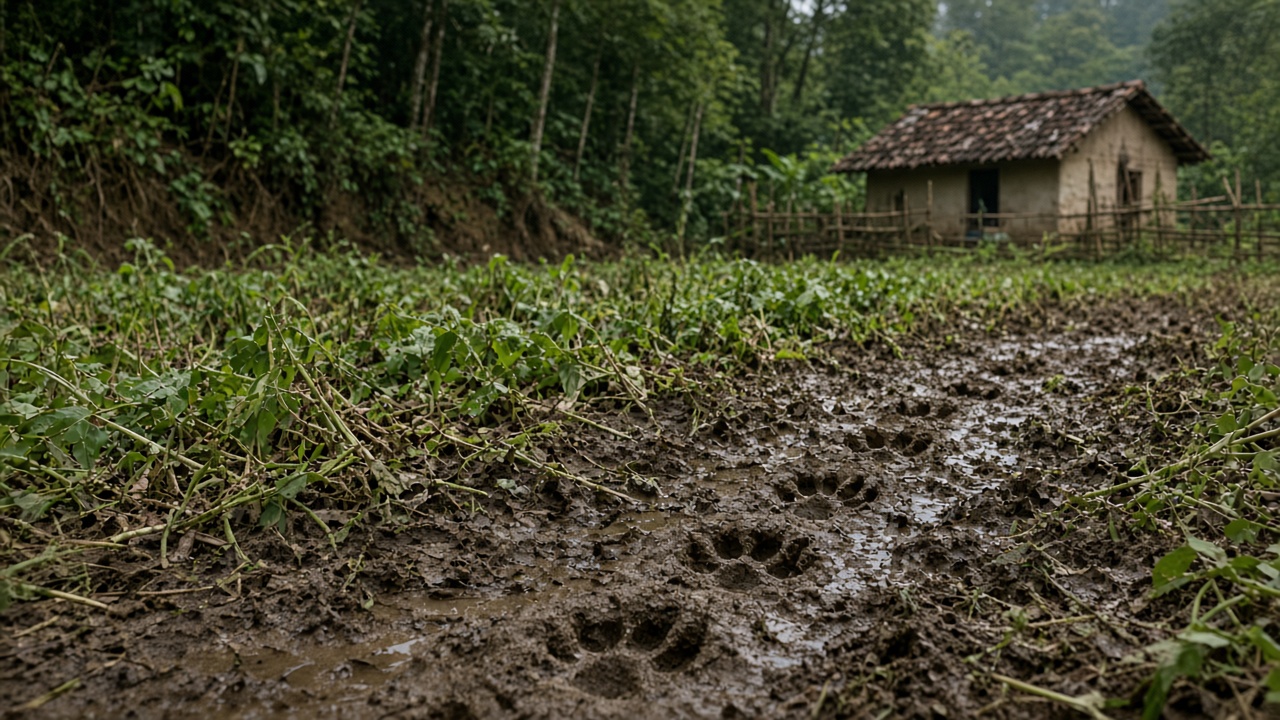
As forests fragment and some wildlife populations recover, people and animals meet more often at the edge. Crop raids, livestock kills, and safety fears force hard choices — fences, compensation, early warning, corridors, and community partnerships that decide whether parks stay socially viable.
Conflict: conservation success meets village livelihoods.
Edge encounters: Elephants, leopards, tigers, and wild pigs near farms.
Livelihood loss: Crops and livestock damage without fast relief.
Response tools: Compensation, barriers, alerts, and rapid response teams.
Landscape fix: Corridors and land-use planning beyond park fences.
Mitigation Tools
Early warning: SMS/apps and watchtowers for animal movement.
Physical barriers: Trenches, solar fences, and crop guards.
Insurance & ex-gratia: Faster payouts to reduce retaliation.
Features
Justice question: Who bears the cost of wild neighbours?
Shared future: Parks need local consent to survive.
Continuity: Conflict management is now core park work.
Parks Eras Compared
Each era answers a different need: sport, species recovery, legal force, visitor economy, and coexistence.
Era
Main idea
Strength
Limitation
Shikar
Elite hunting
Early game awareness
Wildlife decline
Project Tiger
Flagship reserves
Habitat focus & science
Rights & relocation debates
Wildlife Act
Legal protection
National statute
Enforcement gaps
Eco-tourism
Visit & value
Funds & awareness
Crowding risk
Conflict
Coexistence
Centres local reality
Hard, ongoing trade-offs
India Spotlight: Parks Milestones
From shikar to Project Tiger, the 1972 Act, tourism, and conflict management.
Year / Era
Milestone
Significance
Colonial–1950s
Shikar culture
Forests framed as hunting grounds.
1972
Wildlife (Protection) Act
Legal backbone for parks and species.
1973
Project Tiger
National tiger reserve programme.
1990s+
Eco-tourism growth
Safari economies around parks.
Ongoing
Human–wildlife conflict focus
Coexistence as core park policy.
Parks Timeline Summary
Year / Era
Milestone
Colonial–early independence
Shikar and game estates
1972
Wildlife (Protection) Act
1973+
Project Tiger
1990s+
Eco-tourism expansion
Ongoing
Human–wildlife conflict management
Test Your Knowledge
10 quick questions from the parks timeline. Click each question to reveal the answer.
Answer: Organised big-game hunting by elites in colonial and princely India.
Answer: 1973.
Answer: Relatively inviolate habitat for breeding / wildlife (limited human use).
Answer: 1972.
Answer: National parks and wildlife sanctuaries (among others).
Answer: Revenue, awareness, and local livelihood opportunities — if well regulated.
Click any panel to expand and explore the visual mood.
Parks in pictures — shikar, Project Tiger, Wildlife Act, eco-tourism, and conflict.
Shikar
Hunt grounds
Project Tiger
Flagship reserves
Wildlife Act
Legal shield
Eco-tourism
Visit & value
Conflict
Shared edges
Through Time
Hunt to coexistence
Explore all environment timelines
Jump to any other environment timeline on WorldTimelineHub.
Disclaimer: This content is AI-generated for educational purposes and may contain errors or outdated details. For correct and authoritative information, please refer to official and reliable sources such as government publications, manufacturers, museums, and academic references.