Sacred contests at Olympia became a global festival of sport. From the 1896 Athens revival through Cold War boycotts and satellite TV to India’s hockey dynasty and today’s multi-sport stars, the Games remain one of the world’s highest-engagement shared events.
776 BCE -> Present1896 Athens revivalIndia on the podium
Why the Olympics Matter
Every four years (and every two years when Summer and Winter alternate), billions watch athletes chase records under national flags. The Games mix sport science, ceremony, geopolitics, and storytelling—from olive wreaths to live streaming. For India, Olympic nights mean hockey legends, individual gold breakthroughs, and a growing multi-sport pipeline.
Big picture
Olympic evolution in one view
A religious festival of the Greek world became a modern international movement, then a Cold War stage, then a media mega-event—while India moved from hockey dominance to broader medal diversity.
From sacred stadium dust to modern global spectacle.
Sacred Contests776 BCE - 393 CE
Ancient Olympia
At Olympia in the western Peloponnese, Greek city-states paused wars for a festival honouring Zeus. Running, wrestling, boxing, chariot racing, and the pentathlon crowned victors with olive wreaths—fame that poets and statues preserved.
Ancient era: sport, religion, and civic pride shared one stadium.
Traditional start date: 776 BCE (stadion race).
Only free Greek men competed; women had separate festivals such as the Heraia.
Games faded under late Roman religious bans.
Events & Ideas
Stadion / diaulos: Short and double-stadion races.
Amateur myth later: Ancient athletes could be richly rewarded by cities.
Memory: Olympia ruins inspired modern revivalists.
Athens 18961896 - 1924
Modern Revival
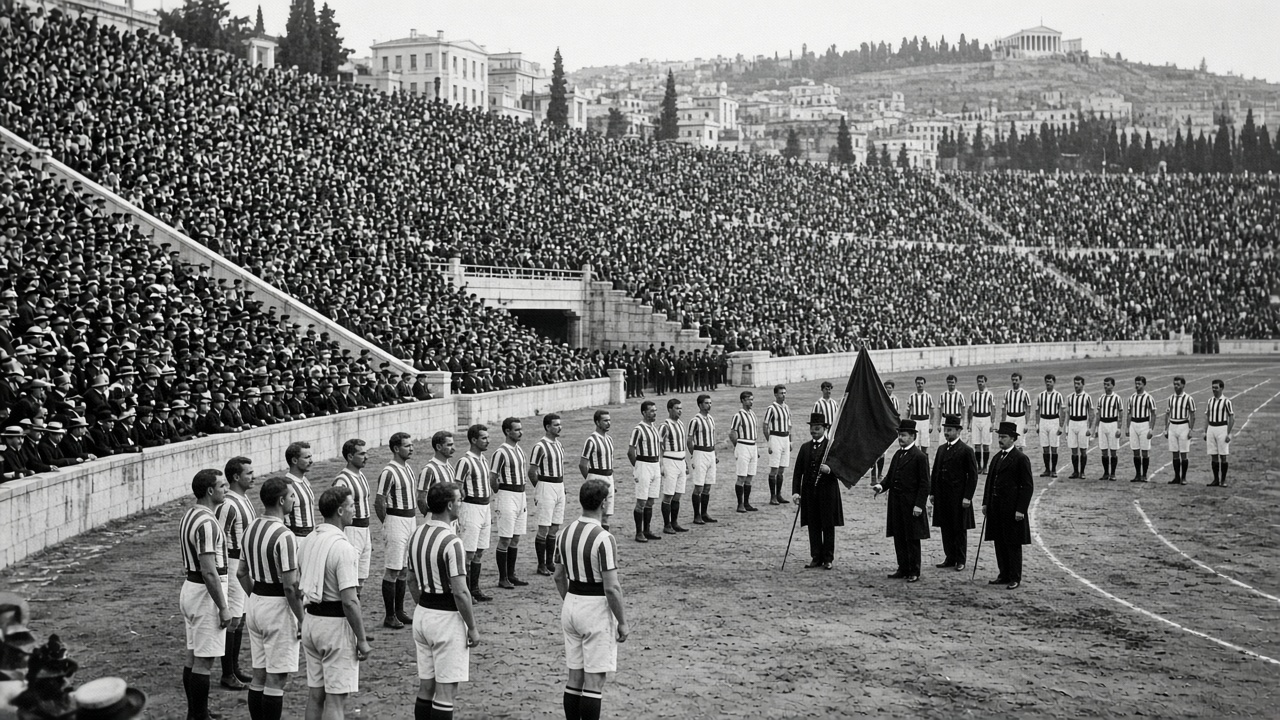
Pierre de Coubertin and Greek organisers relaunched the Games in Athens in 1896. Early Olympics mixed athletics with pageantry, and the idea of a rotating international festival took hold—interrupted by world wars but never abandoned.
1896: the modern Olympic movement begins in Athens.
1896 Athens: first Games of the modern cycle.
IOC forms to govern the international programme.
World wars cancel 1916, 1940, and 1944 editions.
Organisation
IOC: International Olympic Committee stewardship.
National teams: Flags and anthems enter the story.
Marathon: Linked to Greek legend and modern road racing.
Features
Internationalism: Sport as peaceful rivalry among nations.
Host prestige: Cities compete to stage the festival.
Wider Field1924 - 1952
Women, Winter Games and Ceremony
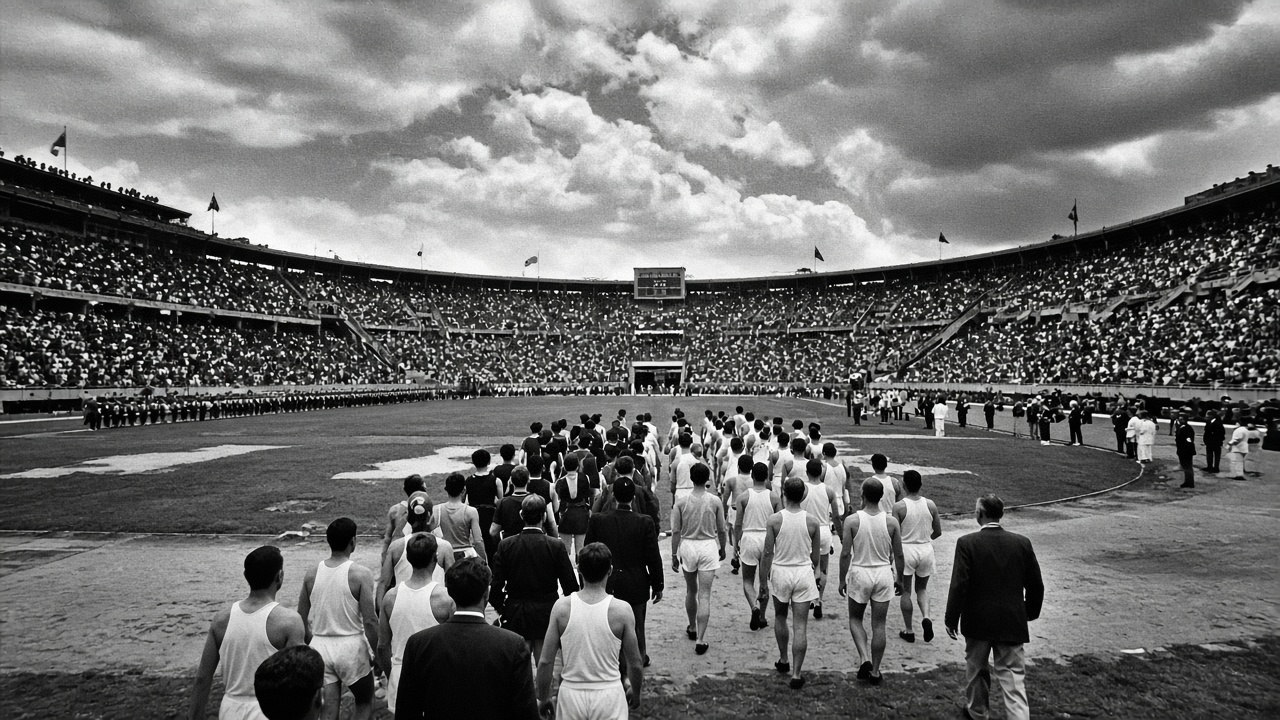
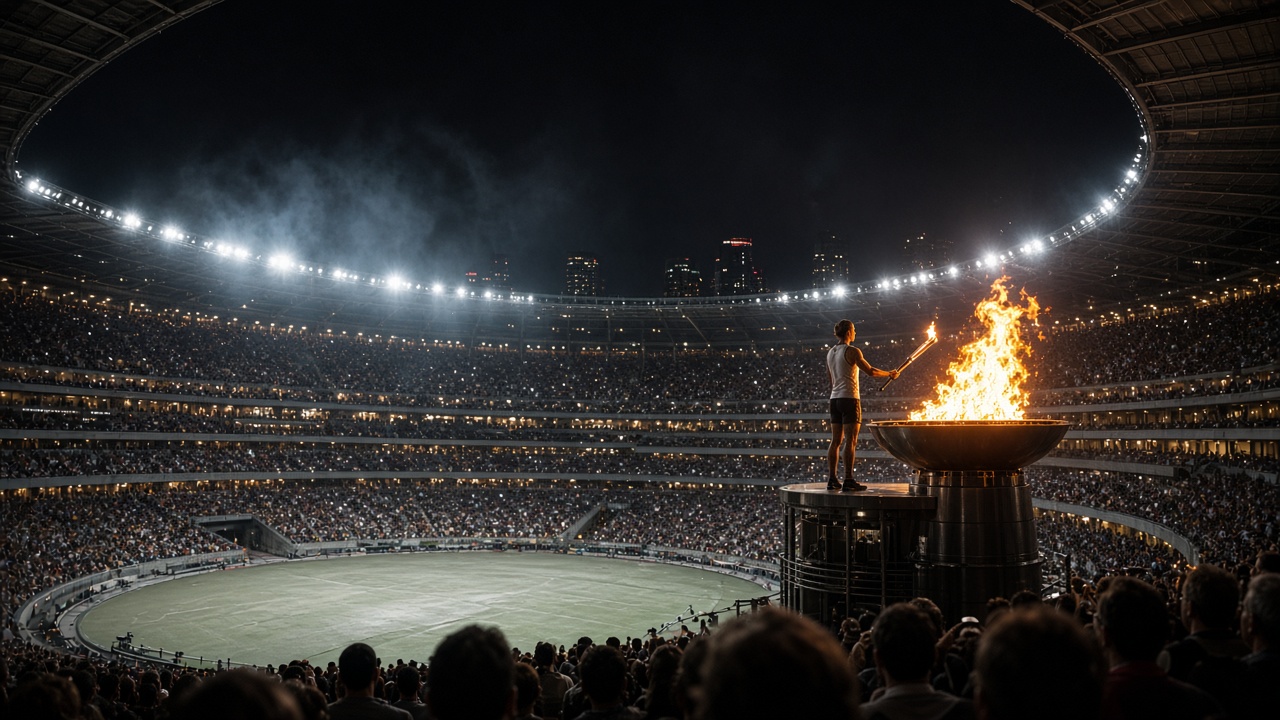
The first Winter Olympics (Chamonix 1924) added snow and ice sports. Women’s events expanded. Opening ceremonies, the Olympic flame ritual (popularised from 1936), and larger programmes turned the Games into a full cultural spectacle.
Ceremony era: pageantry joins performance on the world stage.
1924: first Winter Olympics.
Women’s participation grows across athletics and more sports.
Flame relay and grand openings become iconic.
New Formats
Winter programme: Skiing, skating, ice hockey, and more.
Flame & cauldron: Ritual symbols of continuity.
Village living: Athletes share an Olympic Village.
Features
Inclusion battles: Gender and colonial representation evolve slowly.
Media growth: Radio, then television, amplify reach.
Political shadow: 1936 Berlin shows propaganda risk.
Soft Power1952 - 1988
Cold War Olympics
Medal tables became Cold War scoreboards. State sports systems invested heavily. Boycotts of Moscow 1980 and Los Angeles 1984 showed how politics could empty stadiums of rivals—while India’s hockey golden age defined another national story.
Cold War era: every final felt like more than sport.
Superpower rivalry dominates headlines and medal counts.
1980 & 1984: major reciprocal boycotts.
India’s men’s hockey wins multiple golds (through 1980).
Systems
State academies: Full-time athlete pathways.
Doping scandals: Fairness crises emerge publicly.
Security focus: After Munich 1972, Games security tightens.
Features
National pride: Anthems and flags as soft power.
Amateur cracks: Professionals edge closer to eligibility.
Global south rise: More nations on the medal table.
Broadcast Era1984 - 2012
Global TV and the Professional Era
Satellite television and sponsorship turned the Olympics into a commercial mega-event. Professionals entered more sports. Host cities staged ever-larger productions; audiences watched live across time zones. Beijing 2008 brought India its first individual Olympic gold.
TV era: ceremony, sponsorship, and live global audiences redefine the Games.
Winter and Summer Games split to alternate years (from 1994).
Commercial rights and host-city bidding intensify.
2008: Abhinav Bindra’s individual gold for India.
Media & Money
Broadcast deals: Fund much of the Olympic Movement.
Sports science: Timing, recovery, and analytics rise.
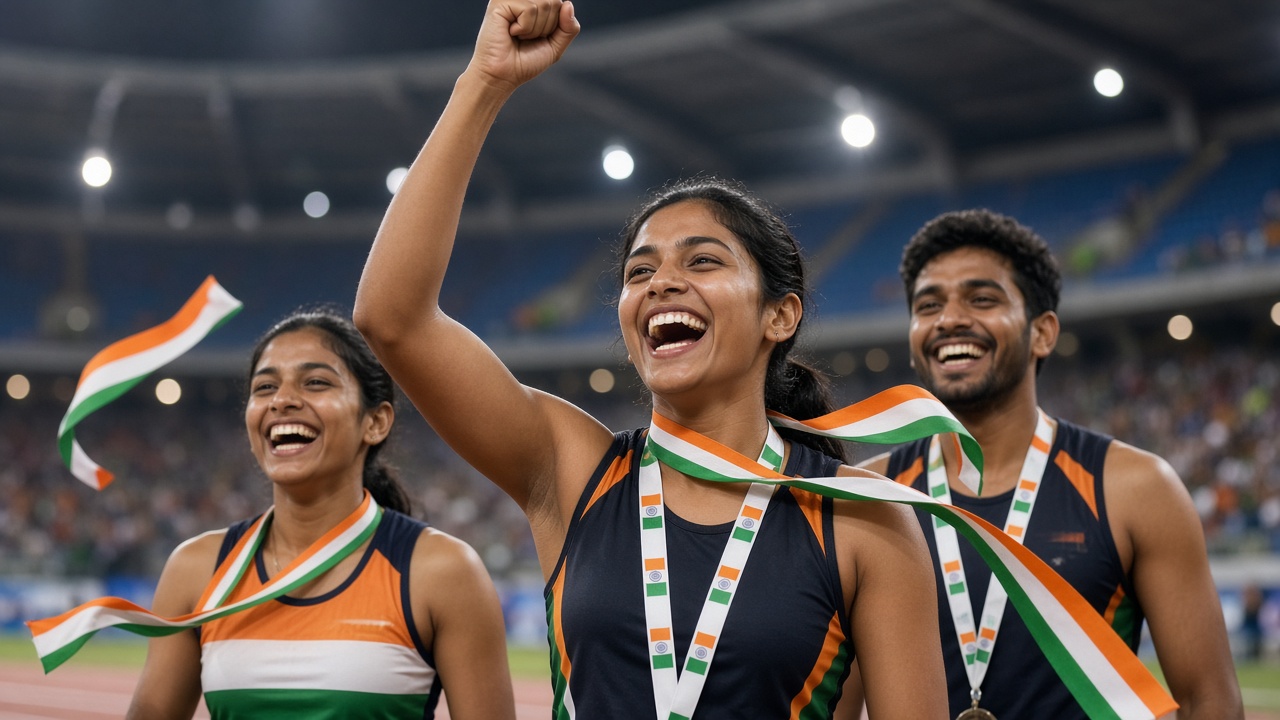
Streaming, social media, and multi-sport academies reshape fandom. India’s medal haul diversifies—shooting, wrestling, badminton, athletics, hockey returns—while the Games remain a shared national appointment every Olympiad.
Today: India’s Olympic story widens beyond a single sport.
London 2012 onward: broader Indian medal mix.
Tokyo 2020 / Paris 2024 cycles: historic medal counts for India.
Youth pathways, Target Olympic Podium schemes, and pro leagues feed talent.
Modern Stack
Streaming + TV: Clip culture meets live finals.
Data coaching: Wearables and biomechanics.
Multi-sport focus: Not only cricket headlines.
Features
High engagement: Peak national viewing nights.
Role models: Women athletes reshape aspirations.
Future hosts: Cities rethink sustainable Games models.
Olympics Timeline Summary
Era
Milestone
Why it matters
776 BCE+
Ancient Olympia
Template of periodic sacred games.
1896
Athens revival
Modern international Olympics begin.
1924
First Winter Games
Snow/ice sports join the movement.
1952–88
Cold War contests
Sport as soft-power theatre.
1984+
TV & professionals
Global commercial mega-event.
2008+
India diversifies
Individual golds + multi-sport medals.
Key Historical Events
Event
Year
Significance
Traditional first Olympiad
776 BCE
Ancient Games calendar begins.
Modern Games in Athens
1896
Revival of the Olympic idea.
Women compete (limited events)
1900
Slow path to gender inclusion.
First Winter Olympics
1924
Separate winter festival.
India hockey gold run
1928–56
National sporting identity.
Moscow / LA boycotts
1980 / 1984
Politics empty the fields.
Bindra individual gold
2008
India’s first individual Olympic gold.
Alternate Summer/Winter years
from 1994
Olympics every two years on TV.
Then vs Now
Olive wreaths to global streaming—same hunger to be fastest, highest, strongest.
Metric
Then (ancient / early modern)
Now
Prize
Wreath / civic honour
Medals, sponsors, career platforms
Audience
Stadium crowds
Billions via TV & streaming
Athletes
Greek men (ancient)
Global, gender-diverse fields
Sports count
Few track & combat events
Dozens of Summer & Winter sports
India story
Hockey-centric mid-century
Multi-sport medal pipelines
Future Predictions
2026–2032: Leaner, climate-aware host models; more shared venues.
Streaming first: Clip-native storytelling for younger fans.
India: Deeper medal diversity if grassroots + science funding hold.
Integrity: Ongoing battle against doping and competition manipulation.
India spotlight
India at the Olympics
From colonial-era participation to independent India’s hockey dynasty, the long wait for individual gold, and a twenty-first-century surge across shooting, wrestling, badminton, athletics, and hockey once more.
India spotlight: national nights when sport unites living rooms.
1920s–30s
Early participation
Indian athletes compete under the colonial banner; hockey emerges as a strength.
1928–56
Hockey golden age
Men’s team golds forge a lasting Olympic identity.
1980
Moscow hockey gold
Last men’s hockey gold of the twentieth century for India.
2008
Bindra’s breakthrough
First individual Olympic gold opens a new chapter.
2012–24
Multi-sport surge
Broader medal lists and higher public engagement every Games.
Icons: Dhyan Chand era hockey; later stars across many sports.
Systems: National camps, private academies, and Olympic funding schemes.
Culture: Olympics nights rival big cricket audiences when medals are close.
Test Your Knowledge
20 questions on ancient Games, the modern revival, Cold War Olympics, and India. Click to reveal answers.
Answer: 776 BCE.
Answer: Olympia in Greece.
Answer: Athens, 1896.
Answer: Pierre de Coubertin (with Greek organisers).
Jump to any other world history timeline on WorldTimelineHub.
Disclaimer: This content is AI-generated for educational purposes and may contain errors or outdated details. For correct and authoritative information, please refer to official and reliable sources such as government publications, manufacturers, museums, and academic references.