From Carrier’s humidity control and cooled theatres to window boxes, quiet splits, inverter efficiency, and app-driven ACs reshaping India’s summers and power grids.
Carrier -> SplitInverterSmart & Stars
Why Air Conditioning Matters
Air conditioning refrigerates and dries indoor air, unlocking comfort in humid heat, denser cities, hospitals, data centres, and offices. It also drives peak electricity demand—so efficiency, refrigerants, and how we use ACs are climate issues as much as lifestyle ones.
This timeline follows Carrier’s breakthrough, public cooling, window units, India’s split-AC boom, inverter tech, and smart, star-labelled machines.
Big picture
AC evolution in one view
Industrial refrigeration shrank into room machines. Splits quieted bedrooms; inverters cut wasteful cycling; labels and apps push households to buy—and run—cooling more carefully.
From factory humidity control to bedroom wall units.
Birth of Modern AC1900s - 1920s
Mechanical Refrigeration and Carrier
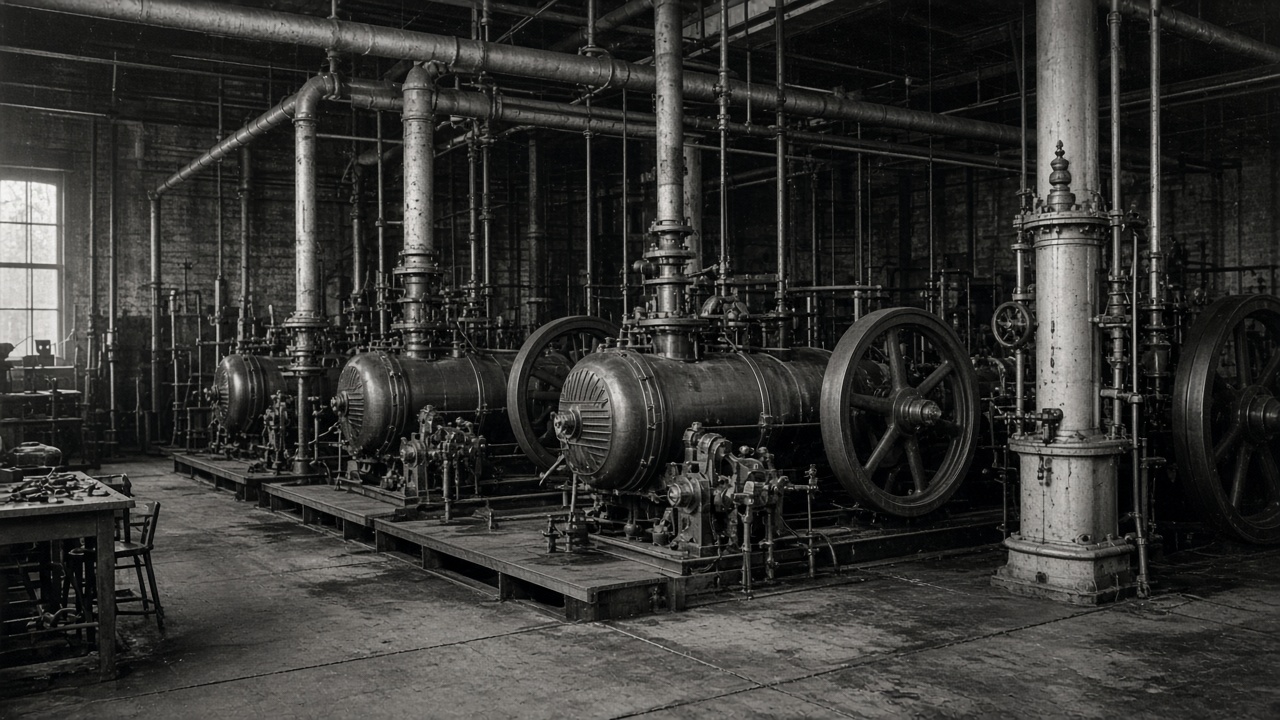
Willis Carrier’s 1902 system controlled temperature and humidity for printing—proving air could be engineered, not just fanned. Mechanical refrigeration plants scaled that idea for industry before comfort cooling reached the public.
Carrier era: engineered air begins in factories and process plants.
1902: Carrier designs modern comfort air conditioning roots.
Process industries adopt humidity and temperature control.
Compressors and refrigerants become specialised engineering fields.
Psychrometrics: Control of moisture as well as heat.
Industrial plants: Large central equipment, ducts, coils.
Features
Precision air: Quality printing and manufacturing.
Expensive & bulky: Not yet a home appliance.
Foundation: Same physics as today’s room ACs.
Shared Comfort1920s - 1950s
Public and Commercial Cooling
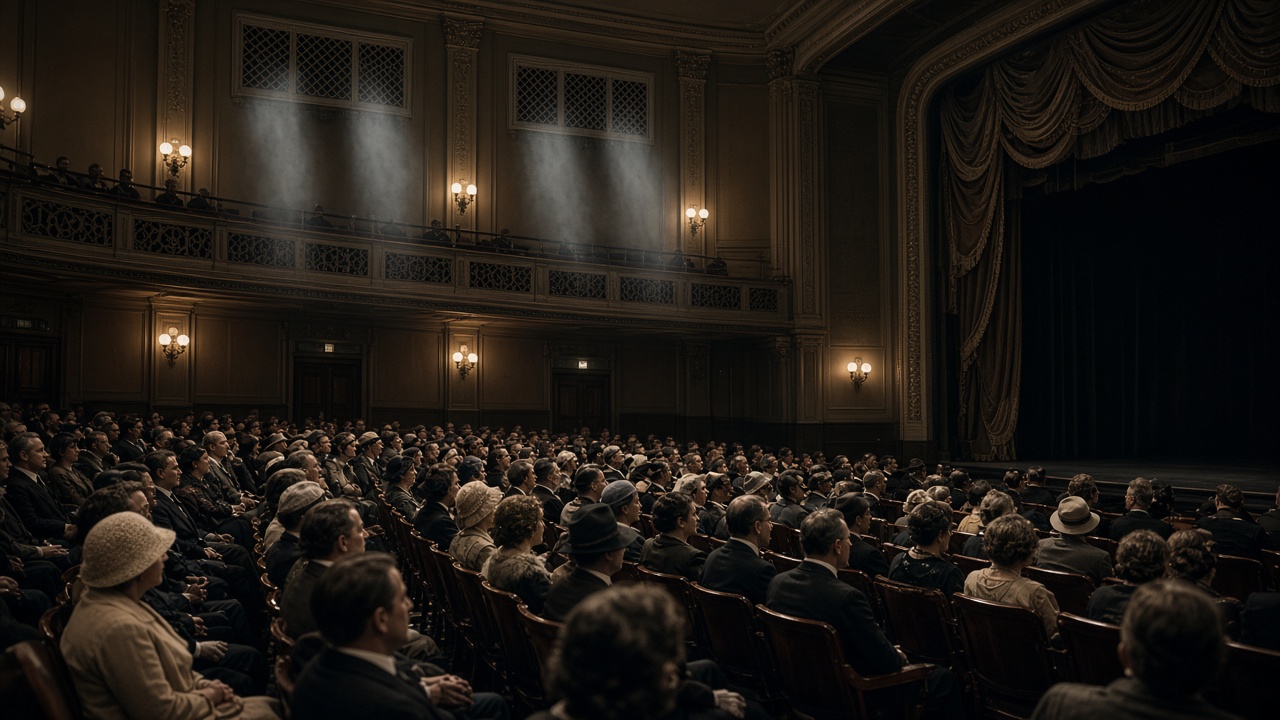
Movie theatres, department stores, and offices sold cool air as an attraction. Public AC changed where people spent summer evenings and how commercial buildings were designed—long before most homes had a unit.
Public era: cool theatres and shops make AC a social experience.
Cinemas market “cooled air” as a summer draw.
Offices and hotels adopt central systems.
Architecture begins to assume mechanical cooling.
Technology Used
Central plants: Chillers, air handlers, duct networks.
Building envelopes: Sealed rooms to keep cool air in.
Early refrigerants: Later replaced for safety and environment.
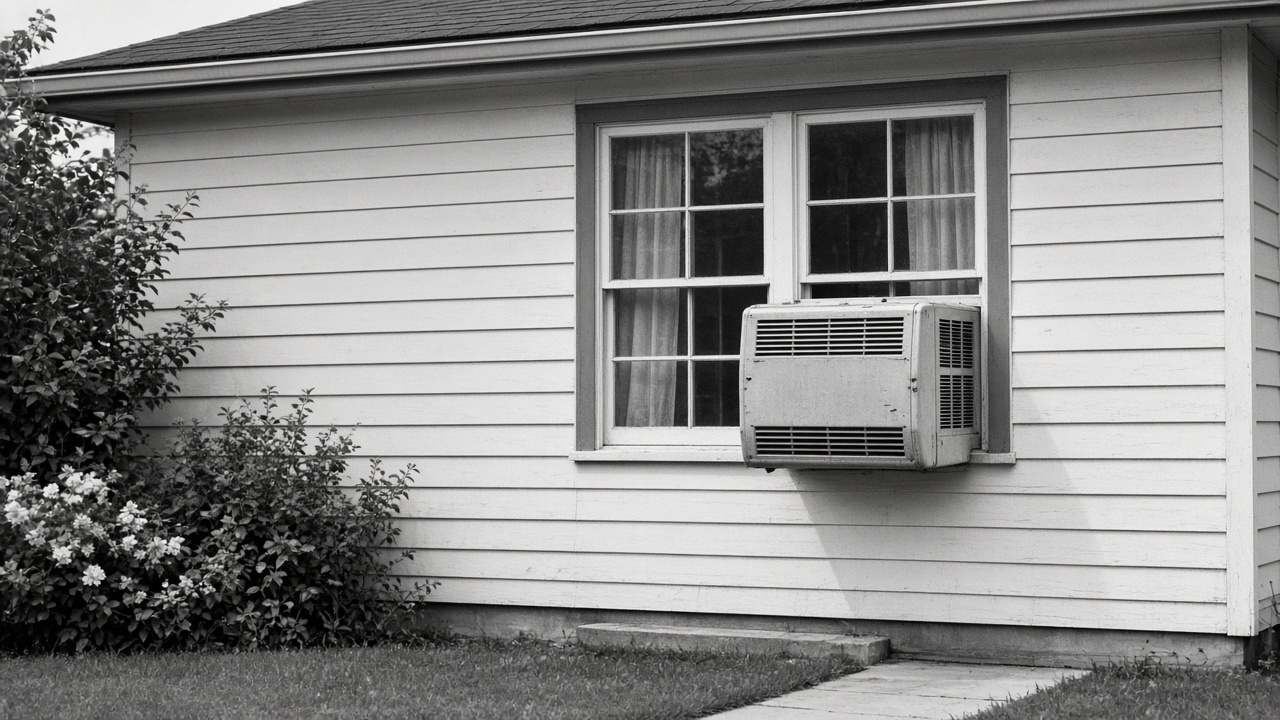
Self-contained window units put a compressor in the bedroom wall. They brought refrigerated comfort into ordinary homes and hotels worldwide—loud, visible, and transformative for middle-class summers.
Window era: the first mass residential AC form factor.
Post-war homes and hotels adopt window ACs widely.
One box = compressor + evaporator + controls.
India later uses windows heavily before splits dominate.
Technology Used
Packaged refrigeration: All components in one chassis.
Window sleeves: Exhaust heat outdoors through the sash.
Fixed-speed compressors: Simple on/off cycling.
Features
Easy concept: Plug in and cool one room.
Noise indoors: Compressor hum in the living space.
Still sold: Budget and rental markets keep window ACs alive.
Quiet Indoors1990s - 2010s
Split AC Boom
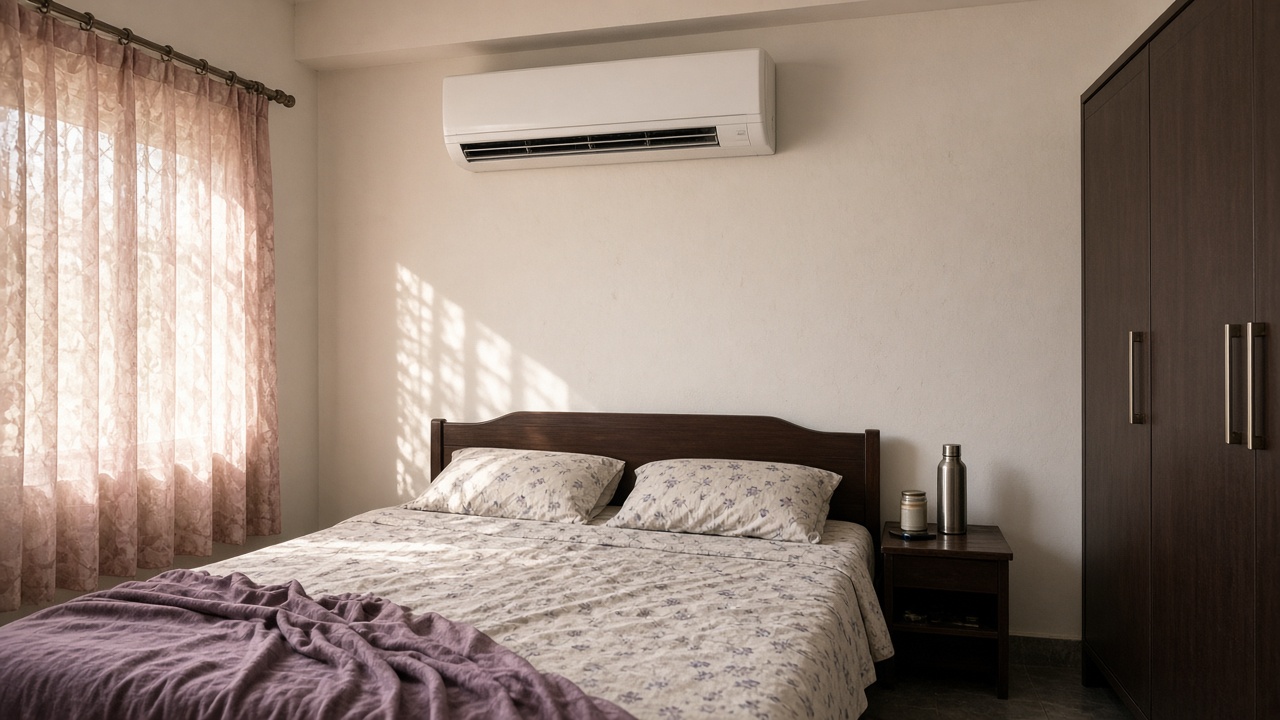
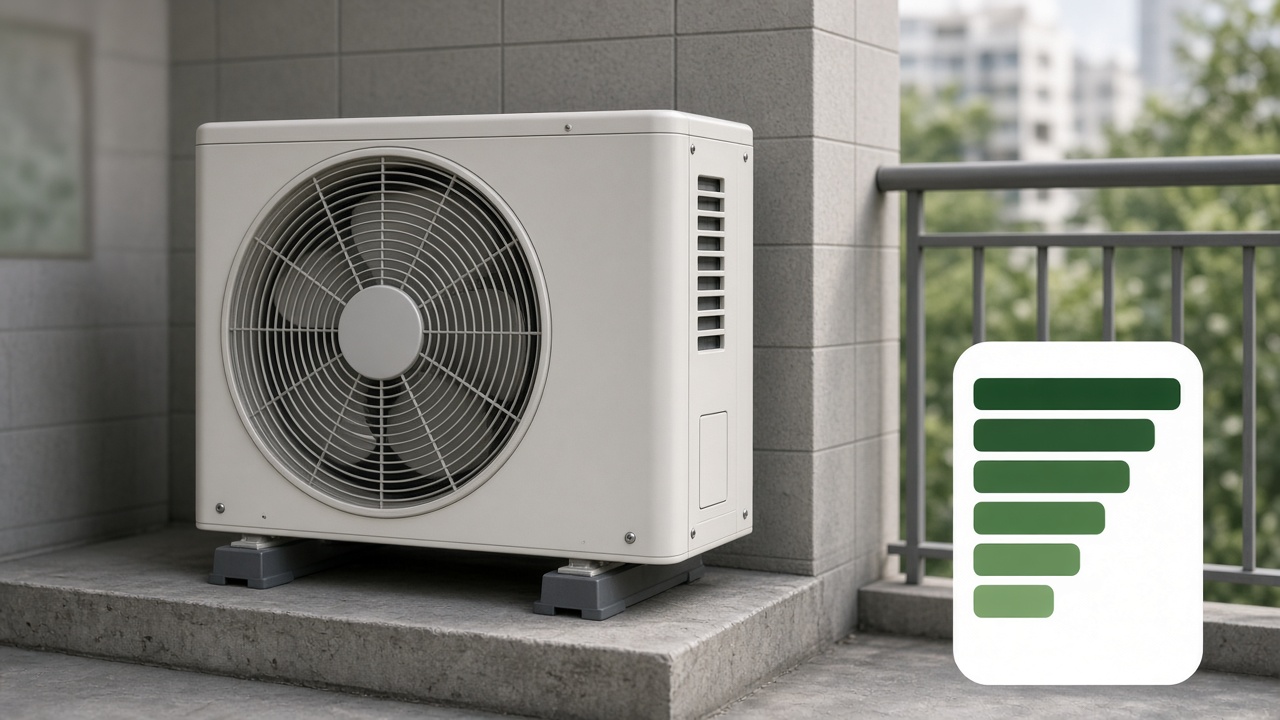
Indoor evaporators and outdoor compressors made bedrooms quieter and installations more flexible. In India, rising incomes, denser flats, and hotter summers turned split ACs into a defining urban appliance—alongside fans and coolers.
Split era: outdoor noise, indoor calm—and booming Indian sales.
Wall-mounted splits become the default new install.
Multi-brand retail and service networks expand nationwide.
Peak summer demand on Indian grids grows with AC ownership.
Technology Used
Indoor + outdoor pair: Copper pipes and signal cables.
Thermostats & remotes: Consumer-friendly set points.
Room sealing: Curtains, gaps, and insulation matter more.
Features
Quieter sleep: Compressor lives outside.
Flexible placement: High walls, multiple rooms over time.
Higher bills: Comfort raises electricity and refrigerant stakes.
Variable Speed2000s - 2010s
Inverter Technology
Inverter compressors modulate speed instead of slamming on and off. Paired with better heat exchangers and India’s ISEER / star labels, they became the efficiency story of modern room ACs—if sized and used well.
Inverter era: compressors that cruise instead of thrash.
Variable-speed compressors cut cycling losses.
Star labels and ISEER guide Indian buyers.
Right-sizing and 24–26°C set points matter as much as hardware.
Technology Used
Inverter drives: Electronics vary compressor RPM.
Improved coils & fans: Better heat transfer.
Efficiency metrics: ISEER / seasonal ratings.
Features
Steadier comfort: Fewer temperature swings.
Lower running cost potential: Especially at part load.
Electronics complexity: PCB/driver repairs more specialised.
Connected Cooling2010s - Present
Smart and Efficient AC
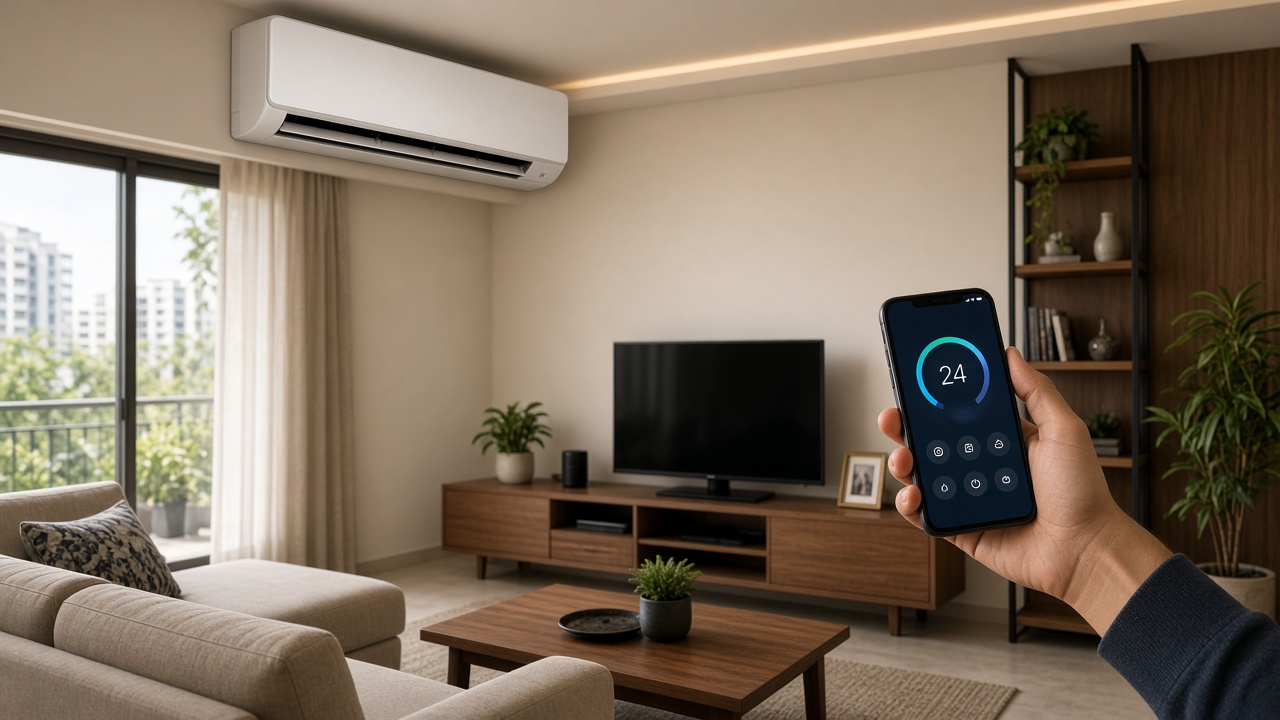
Wi-Fi ACs, voice control, occupancy sensors, and greener refrigerants reshape the category. Heatwaves push ownership up; policy pushes efficiency and refrigerant transitions—while fans and coolers still share the summer toolkit.
Smart era: apps, stars, and climate-aware cooling.
App scheduling and geofencing reduce wasted run hours.
Lower-GWP refrigerants phase in under global rules.
Demand-response and grid stress enter the AC conversation.
Technology Used
Connected controllers: Wi-Fi / IoT modules.
Newer refrigerants: Lower climate impact blends.
High-star inverter platforms: Efficiency as a product feature.
Features
Remote comfort: Pre-cool before you arrive.
Privacy & security: Cloud accounts need care.
System thinking: Fans + higher set points still save power.
Air Conditioner Timeline Summary
Year / Era
Milestone
Why it matters
1902
Carrier system
Modern AC engineering begins.
1920s–50s
Public / commercial AC
Cool air becomes a mass experience.
1950s–80s
Window units
Residential refrigerated cooling spreads.
1990s–
Split AC boom
Quiet indoor units redefine homes.
2000s–
Inverter ACs
Efficiency becomes the sales story.
2010s–
Smart + greener refrigerants
Apps, stars, and climate policy shape cooling.
Key Historical Events
Event
Year
Significance
Carrier air-conditioning breakthrough
1902
Controlled temp + humidity for industry.
Cooled cinemas and stores
1920s–
Public demand for comfort cooling.
Mass window AC era
mid-20th c.
Room ACs enter ordinary homes.
Split systems expand
late 20th c.
Quieter, flexible residential installs.
India urban AC growth
1990s–2010s
Splits become aspirational then common.
Inverter + star labelling
2000s–
Buyers compare seasonal efficiency.
Refrigerant transitions
ongoing
Ozone then GWP concerns reshape gases.
Smart / connected ACs
2010s–
Cooling joins home automation.
AC Types at a Glance
Type
Typical use
Strength
Central / commercial
Offices, malls, hospitals
Large spaces, ducted control
Window AC
Single rooms, rentals
Simple all-in-one install
Split AC
Homes, small offices
Quiet indoors, flexible placement
Cassette / ductable
Larger rooms, shops
Even distribution
Inverter split
Modern homes
Better part-load efficiency
Smart / Wi-Fi AC
Connected homes
Remote control and schedules
Then vs Now
Factory plants to bedroom apps—same refrigeration idea, new controls.
Metric
Then (early / window)
Now (inverter / smart)
Form
Industrial plant or window box
Split + outdoor unit
Control
Simple thermostat / dial
Remote, app, sensors
Compressor
Mostly fixed speed
Often variable (inverter)
Buying filter
Tons / brand
Stars, ISEER, refrigerant
Grid impact
Local novelty
Major summer peak load
Future Predictions
2025–2030: Higher-star inverter splits remain the default new Indian sale.
Late 2020s: Wider low-GWP refrigerants and tighter efficiency floors.
2030s: More demand-response ACs that ease grid peaks during heatwaves.
Ongoing: Fans + sensible set points remain the cheapest comfort partners.
India spotlight
Air Conditioning in India
India leapt from rare window units and hotel plants to a massive split-AC market. Desert coolers still rule many dry zones, but humid coasts and urban heatwaves push inverter ACs—and summer peak load—into national energy debates, with BEE stars and ISEER guiding buyers.
India spotlight: splits, stars, and summer grid peaks.
Hotels / offices
Early commercial AC
Central and package plants cool elite spaces before mass homes.
Window era
Room ACs arrive
Window units appear in better-off urban homes and guest rooms.
1990s–2010s
Split boom
Wall splits become the aspirational then standard urban buy.
Jump to any other electronics timeline on WorldTimelineHub.
Disclaimer: This content is AI-generated for educational purposes and may contain errors or outdated details. For correct and authoritative information, please refer to official and reliable sources such as government publications, manufacturers, museums, and academic references.