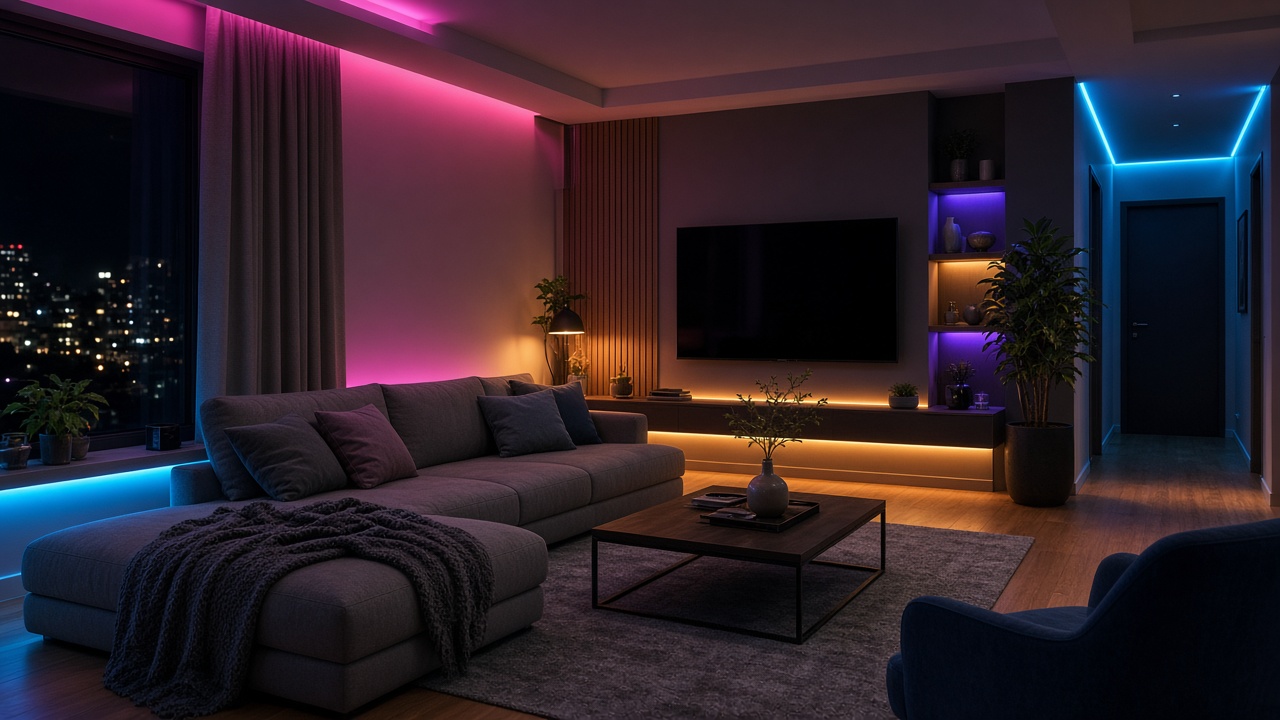
From campfire and oil lamps to gas streets, glowing filaments, efficient LEDs, and app-controlled smart bulbs—how humans conquered the dark.
Fire -> LEDGas & FilamentSmart Homes
Why Lighting Matters
Artificial light stretches the day: work, study, safety, worship, and nightlife all depend on it. Every leap—from flame to filament to semiconductor—changed energy use, city design, and how people live after sunset.
This timeline follows fire, oil and candles, gas streets, electric bulbs, LEDs, and smart lighting—with India’s LED push and festival lamps in view.
Big picture
Lighting evolution in one view
Fuel and flame gave way to piped gas, then to wires and glowing metal, then to cold LEDs and networked colour. Efficiency, safety, and control drove each step.
From shared flames to app-tuned LEDs—light as technology.
OriginsPrehistory - Antiquity
Fire and Flame
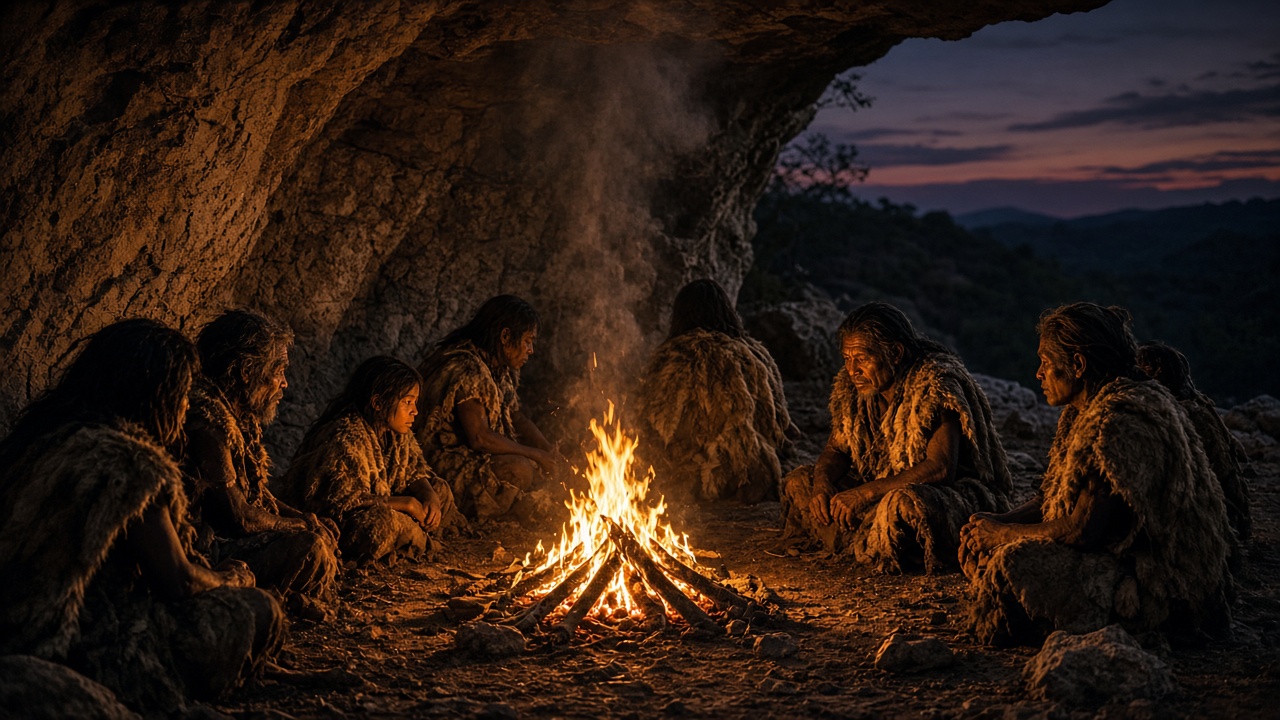
Controlled fire was humanity’s first lamp: hearths, torches, and bonfires pushed back the night for cooking, warmth, and safety. Light and heat were the same tool for ages.
Campfire era: social light before lamps had wicks.
Hearths and torches extend activity after sunset.
Smoke, sparks, and fuel gathering shape daily life.
Sacred and communal fires appear across cultures.
Technology Used
Wood & biomass: Primary fuels for open flame.
Torches: Resinous wood or cloth-wrapped sticks.
Hearth design: Stone rings and shelters to hold fire.
Features
Multi-purpose: Light, heat, cooking, defence.
Dangerous smoke: Indoor pollution and fire risk.
No switch: Light lasts only while fuel burns.
Wick & OilAntiquity - 1800s
Oil Lamps and Candles
Clay, stone, and metal lamps with wicks burned plant oils, animal fat, and later whale oil or kerosene. Candles and Indian diyas brought portable, ritual, and household light into every room that could afford fuel.
Oil and wick: brighter, more controllable than open campfires.
Mediterranean and Asian oil-lamp traditions mature.
Candles (tallow, beeswax, later paraffin) spread widely.
Kerosene lamps light rural homes into the 20th century.
Ritual role: Diyas and candles in festivals and worship.
City Light1790s - Early 1900s
Gas Lighting
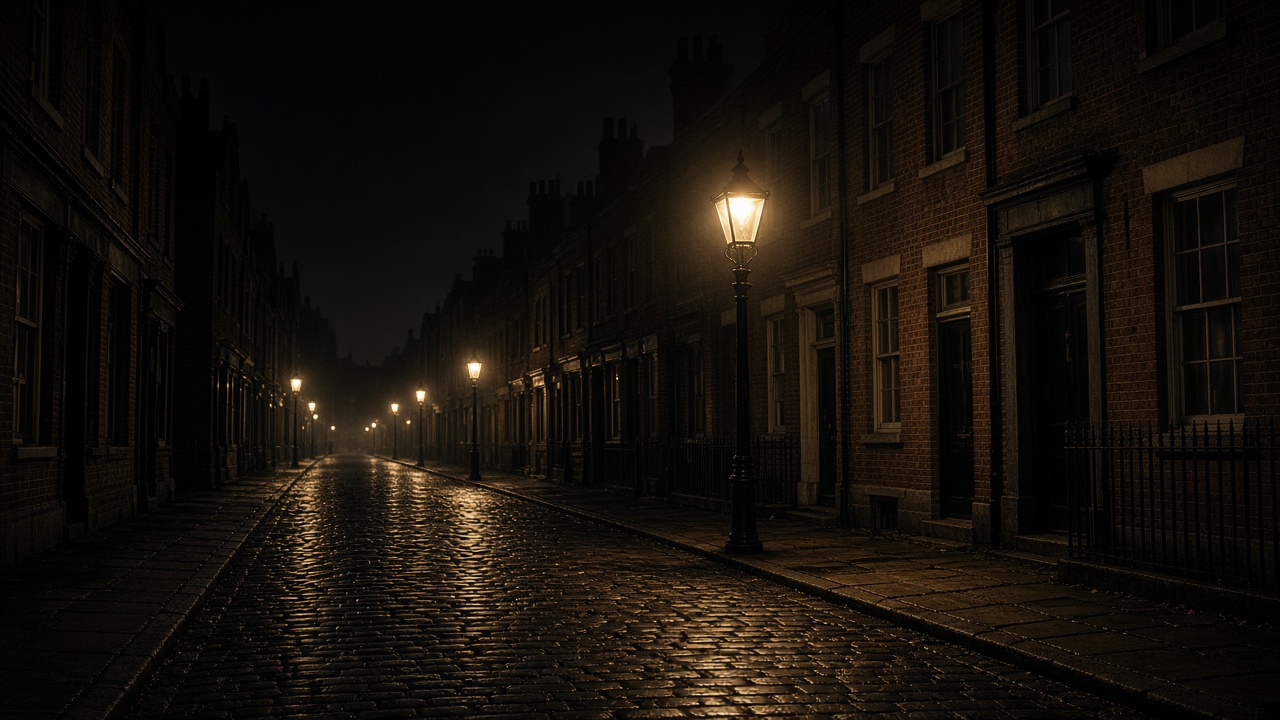
Coal-gas (and later other gases) piped to street lamps and indoor fixtures lit industrial cities. Night streets became walkable and shops stayed open—until electric systems displaced the mantles and open flames.
Gas era: networked fuel turns night into civic infrastructure.
Early 1800s: public gas lighting spreads in Europe and beyond.
Mantles raise brightness for streets and theatres.
Factories and homes adopt piped indoor gas lights.
Technology Used
Gasworks & mains: Produce and distribute coal gas.
Lamp posts & fixtures: Burners, glass, and mantles.
Lamplighters: Manual dusk/dawn service (early systems).
Features
Urban scale: Whole streets lit together.
Explosion & CO risk: Leaks and indoor danger.
Bridge to electricity: Prepares cities for wired light.
Electric Glow1870s - 2000s
Incandescent Electric Light
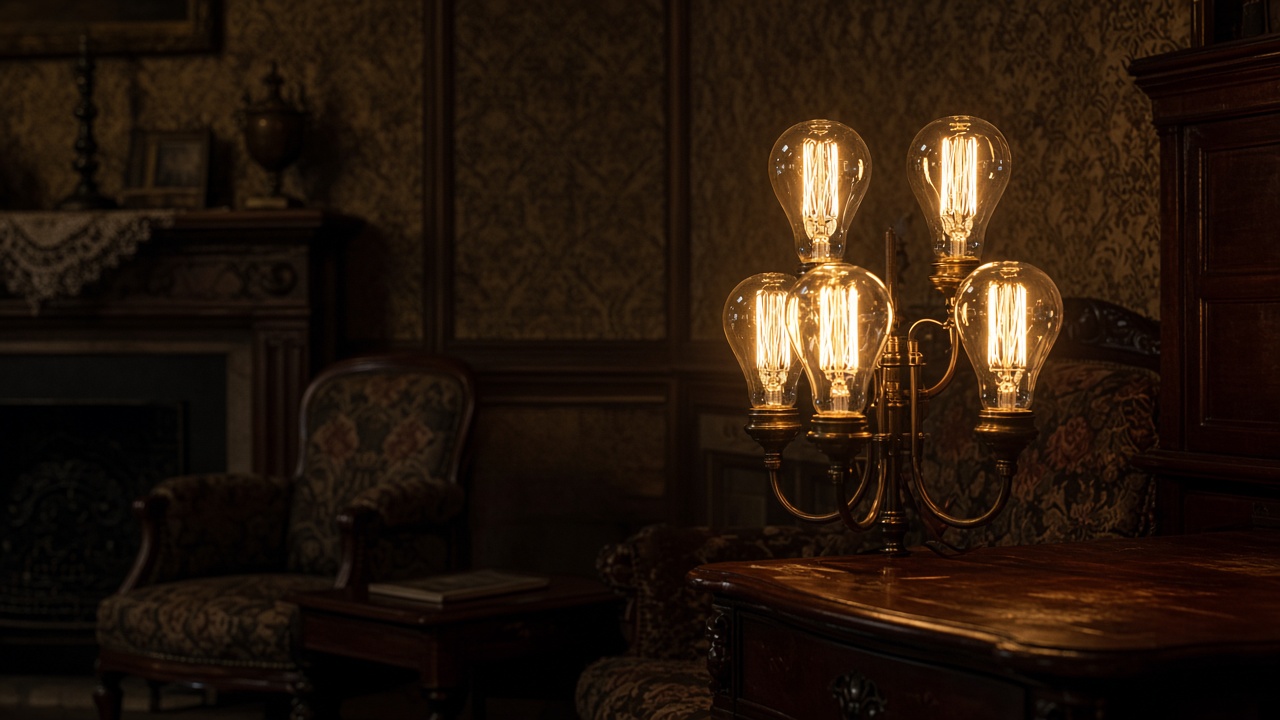
Practical carbon-filament bulbs (Edison, Swan, and others) and later tungsten filaments put a switch on every wall. Fluorescent tubes and CFLs later competed on efficiency before LEDs won the mass market.
Filament era: light without an open flame in the home.
Light-emitting diodes moved from indicators to white general lighting. Long life, low watts, and falling prices replaced most household bulbs and remade street and commercial lighting worldwide—including India’s mass LED programmes.
LED era: more lumens per watt, longer life, cooler fixtures.
Blue LED breakthrough enables bright white lighting.
Retrofit bulbs drop into existing sockets at scale.
Street and industrial LEDs cut municipal power bills.
Technology Used
Semiconductor diodes: Electroluminescence, not hot wire.
Drivers & heat sinks: Electronics manage current and temperature.
Phosphor conversion: Blue LED + phosphor → white light.
Features
High efficacy: Far less electricity for the same brightness.
Long service life: Fewer replacements.
Dim & colour options: Foundation for smart control.
Connected2010s - Present
Smart Lighting
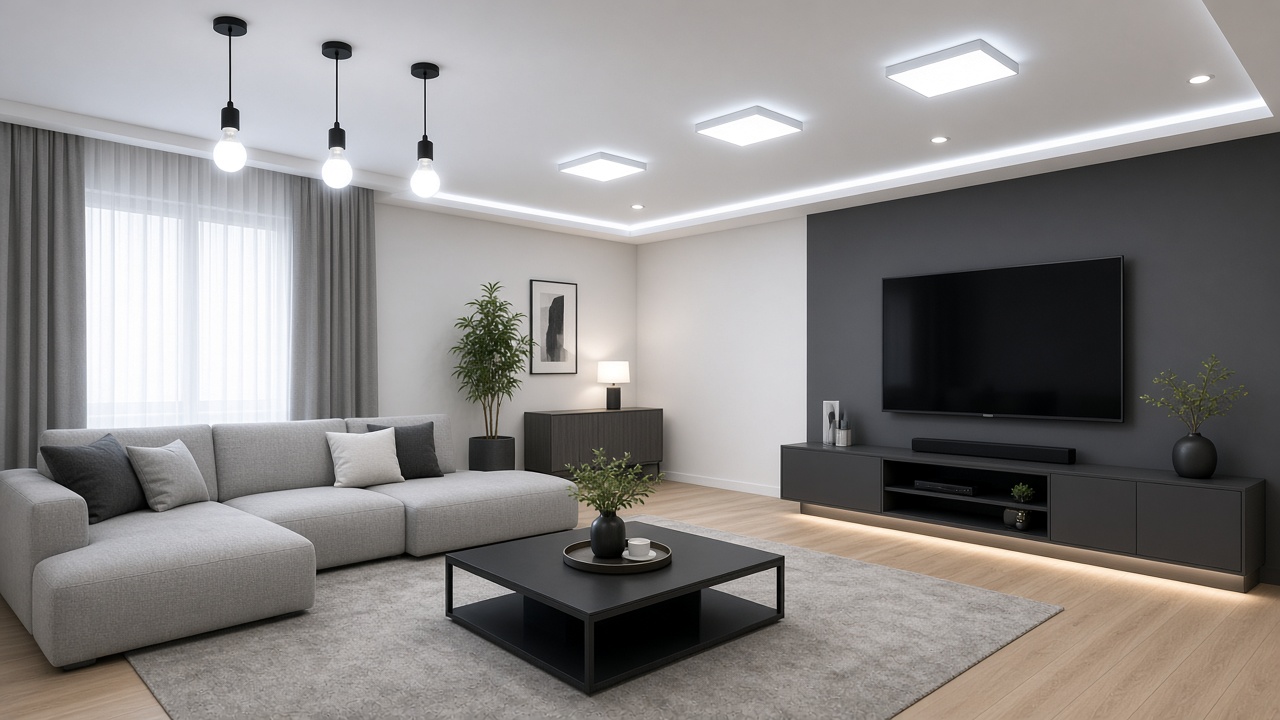
Wi-Fi, Bluetooth, Zigbee, and Matter link bulbs to phones, voice assistants, and sensors. Scenes, schedules, tunable white, and RGB colour turn lighting into software—part of the broader smart-home and IoT story.
Smart era: light as an app, sensor network, and lifestyle layer.
App and voice control become consumer defaults.
Occupancy and daylight sensors automate offices and streets.
Standards (e.g. Matter) aim to reduce brand lock-in.
Technology Used
Connected LEDs: Radios + microcontrollers in fixtures.
Hubs & clouds: Local and remote automation.
Sensors: Motion, ambient light, presence.
Features
Scenes & schedules: Mood and energy savings by design.
Remote access: Control lights from anywhere.
Privacy trade-offs: Cloud accounts and network security matter.
Lighting Timeline Summary
Year / Era
Milestone
Why it matters
Prehistory
Controlled fire
First artificial night light.
Antiquity–
Oil lamps & candles
Portable, room-scale flame light.
1800s
Gas street lighting
Cities stay open after dark.
~1879
Practical electric bulb
Flame-free domestic light.
1990s–
White LEDs scale
Efficiency and long life win.
2010s–
Smart bulbs & IoT
Light becomes software.
Key Historical Events
Event
Year
Significance
Controlled fire in human culture
Deep prehistory
Night becomes usable time.
Widespread oil lamps / candles
Ancient–modern
Household lighting standard for millennia.
Public gas lighting boom
early 1800s
Urban nightlife and safety improve.
Practical filament bulbs
~1879–80
Electric lighting goes commercial.
Tungsten filament maturity
early 1900s
Brighter, longer-lasting bulbs.
Blue LED / white LED breakthrough
1990s
Enables efficient general lighting.
Mass LED retrofit programmes
2010s
Households and cities cut power use.
Consumer smart lighting
2010s–20s
Apps, voice, and sensors control light.
Light Sources at a Glance
Source
Typical use
Strength
Fire / torch
Camp, hearth
No grid needed; multi-use heat
Oil / candle / diya
Homes, ritual
Portable, simple, cultural role
Gas lamp
Streets, theatres
City-scale before electricity
Incandescent
Homes (legacy)
Warm colour, cheap historically
Fluorescent / CFL
Offices, homes
Better efficiency than filament
LED / smart LED
Everywhere
Efficiency, life, controllable
Then vs Now
Open flame to programmable photons—same need, new physics.
Metric
Then (flame / early electric)
Now (LED / smart)
Energy
Fuel or inefficient heat
High lumens per watt
Control
Light / extinguish manually
App, voice, sensors, schedules
Safety
Fire, soot, gas leaks
Cooler LEDs; electrical codes
Colour
Warm flame / warm filament
Tunable white and RGB
Scale
Room or street post
Cities + homes as networks
Future Predictions
2025–2030: Matter and open standards simplify multi-brand smart lighting.
Late 2020s: More human-centric / circadian lighting in offices and hospitals.
2030s: Adaptive street lighting that dims with traffic and weather as default.
Ongoing: Efficiency gains slow; design, health, and light pollution take centre stage.
India spotlight
Lighting in India
Diyas and oil lamps remain cultural icons, while grids and LED programmes remade everyday lighting. UJALA-style LED distribution and LED street-light upgrades cut household and municipal power demand; smart lighting grows in cities and new housing.
India spotlight: festival lamps meet national LED efficiency drives.
Tradition
Diyas & oil lamps
Ritual and household flame lighting remain central to festivals such as Diwali.
Colonial–post
Gas & electric towns
Urban centres adopt gas then electric street and domestic lighting with grid growth.
CFL phase
Compact fluorescents
CFLs briefly bridge inefficient bulbs and the LED wave.
UJALA / LED
Mass LED adoption
Large-scale LED bulb distribution and street-light replacements cut electricity use.
2020s
Smart & solar
App bulbs, solar lanterns, and LED street networks expand in cities and villages.
Efficiency: LEDs ease peak load on stressed grids.
Access: Solar LED lanterns support off-grid and backup needs.
Culture: Electric lights coexist with traditional flame rituals.
Test Your Knowledge
20 questions on fire, oil, gas, bulbs, LEDs, and smart lighting. Click to reveal answers.
Answer: Controlled fire (campfires, torches, hearths).
Answer: A wick draws oil by capillary action.
Answer: Coal gas (gas lighting).
Answer: Around 1879–1880.
Answer: Most energy is lost as heat, not light.
Answer: Light-emitting diode.
Answer: It enabled bright white LED lighting with phosphors.
Answer: UJALA-style mass LED distribution (and LED street lights).
Answer: A traditional oil lamp, often clay, used in Indian homes and festivals.
Answer: Electric lighting (arc, filament, then LED).
Answer: Networked lights controlled by apps, voice, or sensors.
Answer: Wi-Fi, Bluetooth, Zigbee, or Thread/Matter-related stacks.
Answer: Efficiency versus classic incandescent bulbs.
Answer: Lower energy use and longer life for cities.
Answer: Leaks, carbon monoxide, and fire/explosion hazards.
Answer: Changing colour temperature/intensity through the day for comfort or rhythms.
Answer: To supply proper current and protect the semiconductor.
Answer: Off-grid areas or during power cuts (with LED + battery).
Answer: Excess or poorly aimed outdoor light that wastes energy and washes out the night sky.
Answer: From burning fuel to efficient, controllable semiconductor light.
Classroom activity
Students Tasks
Ten prompts on lighting history, efficiency, India’s LED push, and smart homes.
HistoryEnergyLEDsIndia
Compare campfire light with an LED bulb: three differences.
Explain why cities switched from gas to electric lighting.
Calculate rough savings if a 60 W bulb is replaced by a 9 W LED (same hours).
Research how a diya works and when it is used culturally.
Debate: should all outdoor lights be motion-sensing?
List privacy risks of cloud-connected smart bulbs.
Describe UJALA or a similar LED programme in one paragraph.
Design a poster: Fire → Oil → Gas → Bulb → LED → Smart.
Jump to any other electronics timeline on WorldTimelineHub.
Disclaimer: This content is AI-generated for educational purposes and may contain errors or outdated details. For correct and authoritative information, please refer to official and reliable sources such as government publications, manufacturers, museums, and academic references.