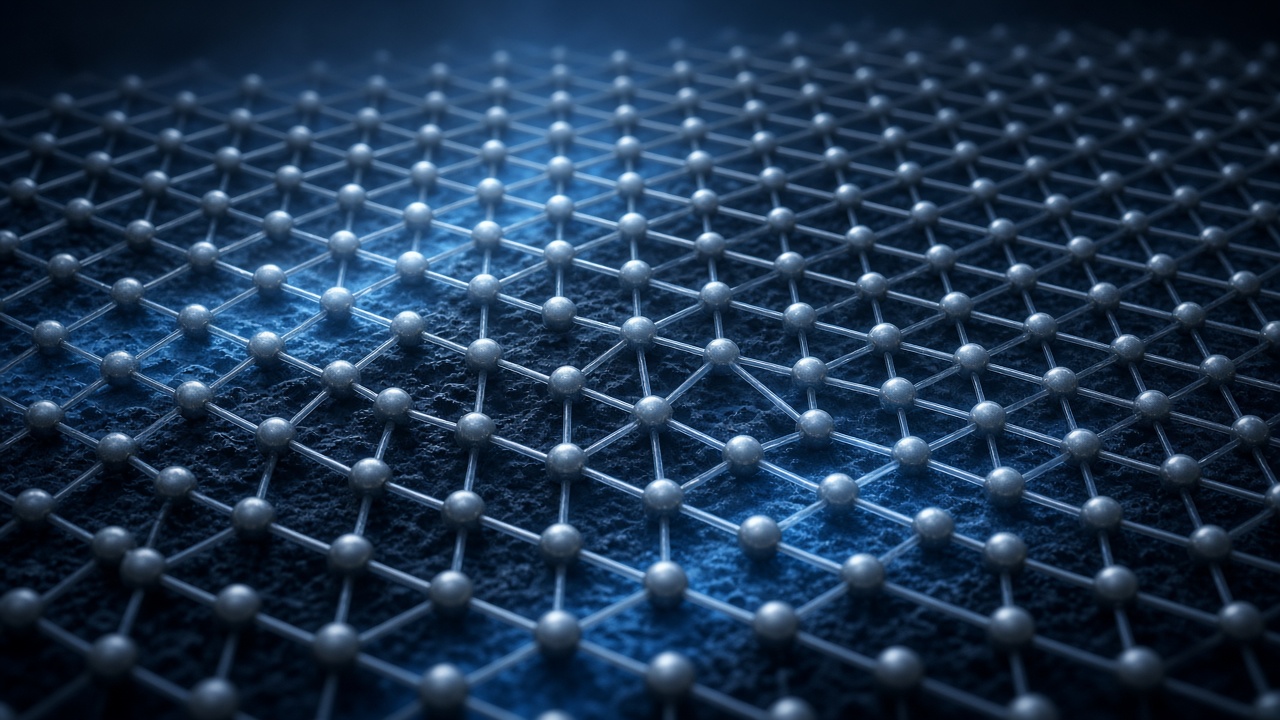
From alchemy and the periodic table to plastics, semiconductors, nanomaterials, and graphene—how matter science remade materials and machines.
Elements orderedPolymers & chipsNano & 2D carbon
Why Chemistry Matters
Chemistry explains how atoms bond, materials form, and industry transforms raw matter into medicines, fuels, plastics, and chips. Each leap—from alchemy’s workshops to graphene labs—widens what humans can make and measure.
This timeline follows alchemy, the periodic table, plastics, semiconductors, nanomaterials, and graphene as linked turning points.
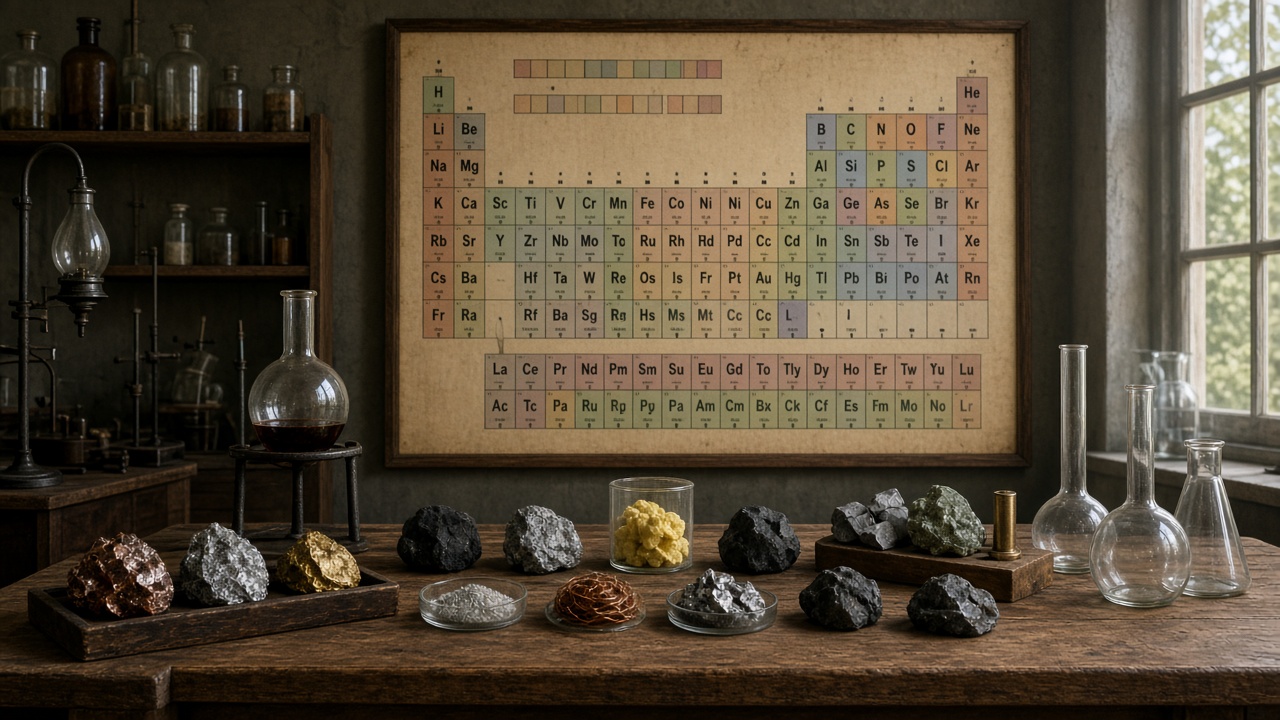
Alchemy mixed practical recipes—metals, medicines, dyes, distillation—with mystical goals like transmutation. Across Eurasia, alchemists refined furnaces, glassware, and techniques that later laboratories inherited, even as modern chemistry replaced mystical aims with atomic theory and measurement.
Alchemy era: craft, curiosity, and transformation.
Distillation, assaying, and metallurgy skills grow.
Glass apparatus becomes a lab staple.
Bridge from craft tradition to experimental science.
Ordering the Elements1869
Periodic Table
Mendeleev arranged elements by atomic weight and recurring properties, predicting undiscovered ones. The periodic table became chemistry’s map—later refined by atomic number and electron shells—so students and researchers could see patterns instead of memorising isolated facts.
Periodic era: patterns that predict new elements.
Groups and periods organise chemical behaviour.
Gaps guide discovery of new elements.
Classroom icon of modern chemistry literacy.
Polymer Age1900s
Plastics
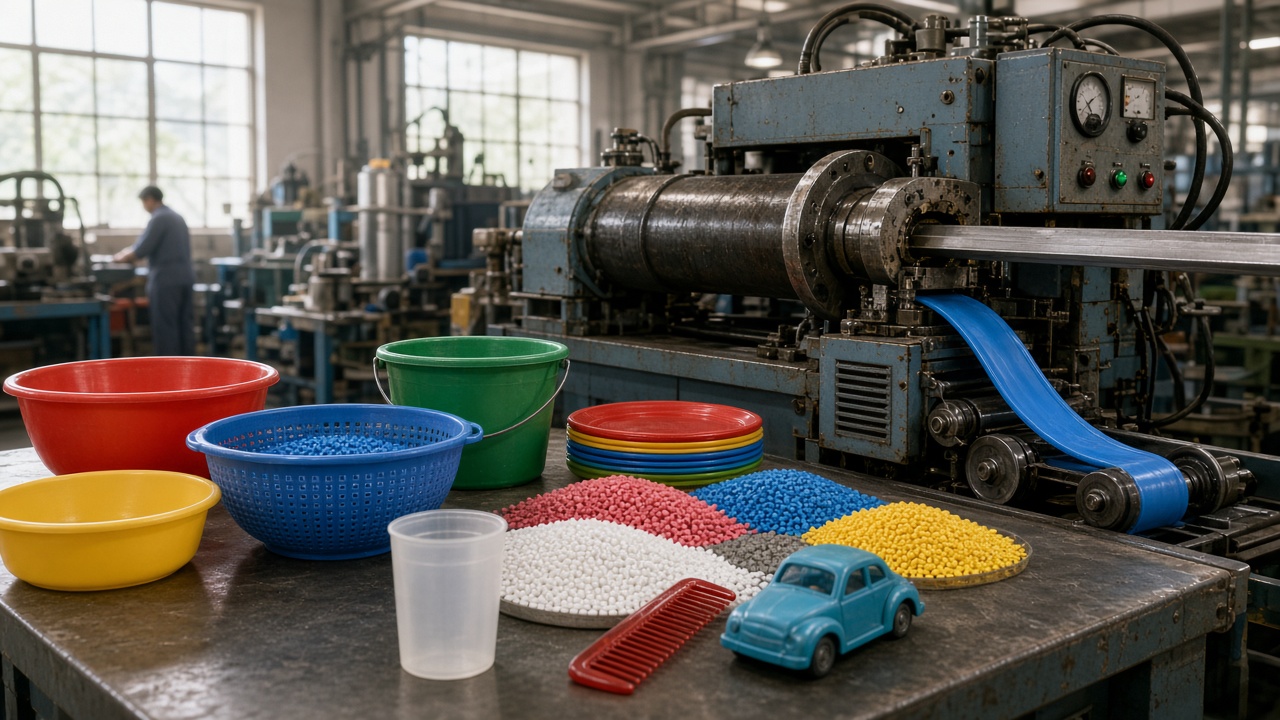
Synthetic polymers—Bakelite, nylon, polyethylene, PVC and more—turned chemistry into everyday objects: packaging, fibres, appliances, medical devices. Plastics delivered light, cheap, moldable materials at scale, while also creating waste and pollution challenges that green chemistry now confronts.
Plastics era: long-chain molecules reshape daily life.
Polymerisation enables mass-produced materials.
Consumer and industrial design transform.
Recycling and microplastics become global issues.
Silicon ChemistryMid-1900s
Semiconductors
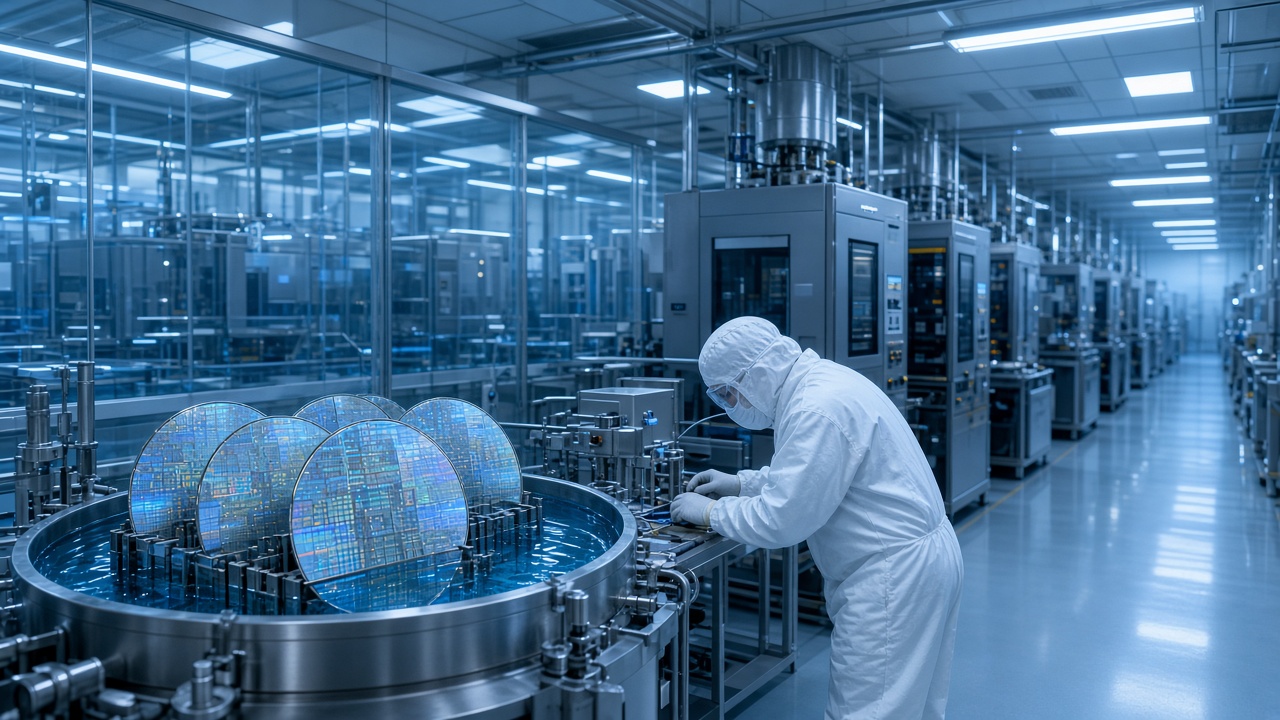
Purified silicon, controlled doping, and oxide chemistry made transistors and integrated circuits possible. Semiconductor materials science—not only electrical engineering—underpins computers, phones, sensors, and solar cells. Chemistry at the wafer scale built the digital age.
Semiconductor era: materials that switch and compute.
Doping tunes conductivity for transistors.
Ultra-pure silicon becomes strategic industry.
Links chemistry classrooms to chip fabs.
Small Scale, New RulesLate 1900s+
Nanomaterials
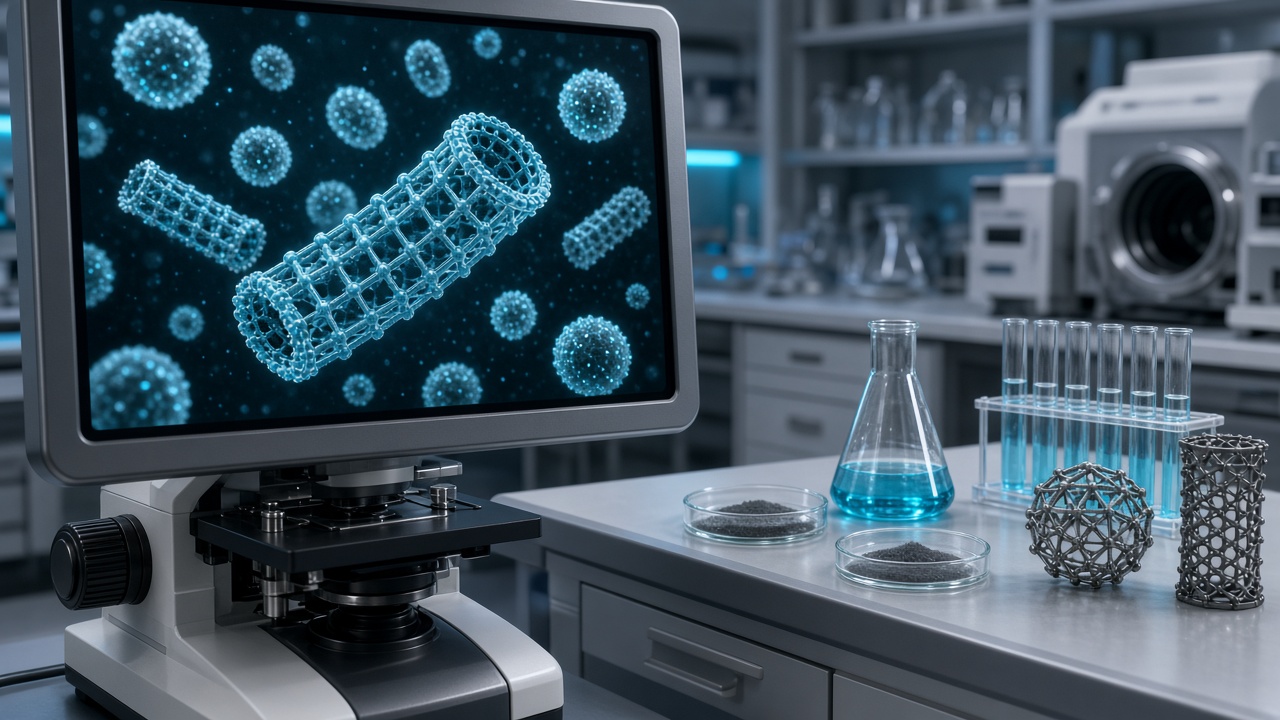
At the nanoscale, surface area and quantum effects change how materials behave—stronger composites, brighter catalysts, targeted drug delivery, and novel electronics. Nanochemistry designs particles, tubes, and films atom-by-atom, expanding the toolkit beyond bulk substances.
Nano era: properties engineered at tiny scales.
Size-dependent optical and electronic behaviour.
Applications in medicine, energy, and coatings.
Safety and regulation become research topics too.
One Atom Thick2004+
Graphene
Isolated as a freestanding sheet in 2004, graphene—a hexagonal carbon monolayer—showed extreme strength, conductivity, and thinness. It sparked a wave of 2D materials research for electronics, sensors, composites, and energy devices, making carbon chemistry a frontier of materials science.
Circular plastics: Better recycling and biodegradable polymers scale up.
Green chemistry: Safer solvents and lower-carbon processes become standard.
2D materials: Graphene and cousins move from lab to niche devices.
India: Stronger materials R&D, pharma, and semiconductor materials capacity.
India spotlight
Chemistry & India
India’s chemistry story runs from classical rasayana and colonial laboratories through CSIR institutes, a global pharma industry, polymer manufacturing, and growing materials and semiconductor research.
India spotlight: from rasayana to modern materials labs.
Classical
Rasayana & crafts
Metallurgy, medicines, and dyes refine practical chemistry.
Modern
Labs & CSIR
Universities and national labs expand chemical science.
Industry
Pharma & polymers
India becomes a major producer of medicines and plastics.
Today
Materials frontier
Nano, graphene, and semiconductor materials research grow.
Strength: Pharma, chemical engineering talent, and large student pipeline.
Need: Stronger advanced materials manufacturing and green processes.
Debate: Growth vs pollution; plastics convenience vs circular design.
Test Your Knowledge
20 questions from alchemy to graphene. Click to reveal answers.
Answer: Transform materials (metals, medicines) often with mystical aims.
Jump to any other science timeline on WorldTimelineHub.
Disclaimer: This content is AI-generated for educational purposes and may contain errors or outdated details. For correct and authoritative information, please refer to official and reliable sources such as government publications, manufacturers, museums, and academic references.