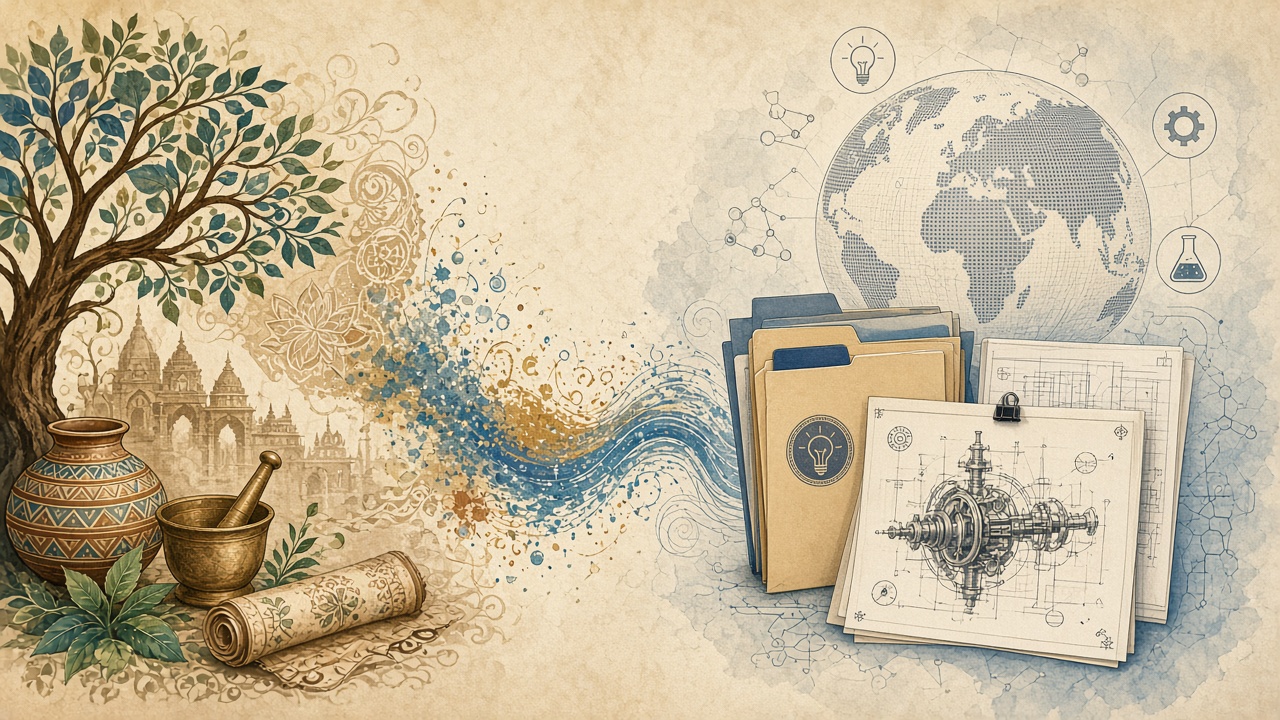
From Ayurveda and yoga to Jantar Mantar astronomy, Iron Pillar metallurgy, water harvesting, and the fight over USPTO patents—how Indian knowledge systems endure and are protected.
Heal & practiseSky & metalWater & IP
Why Traditional Knowledge Matters
Indian traditional knowledge (TK) covers health, body practice, sky measurement, materials, and water—practical systems refined over centuries. In the modern era, digitisation and patent challenges help keep that prior art visible so it cannot be unfairly claimed as new invention.
This timeline follows Ayurveda, yoga, Jantar Mantar astronomy, Iron Pillar metallurgy, water harvesting, and USPTO patents / TKDL as linked chapters.
Big picture
TK in one view
Heal with herbs; practise body–mind discipline; measure the sky in stone; forge corrosion-resistant iron; store monsoon water; defend prior art at patent offices worldwide.
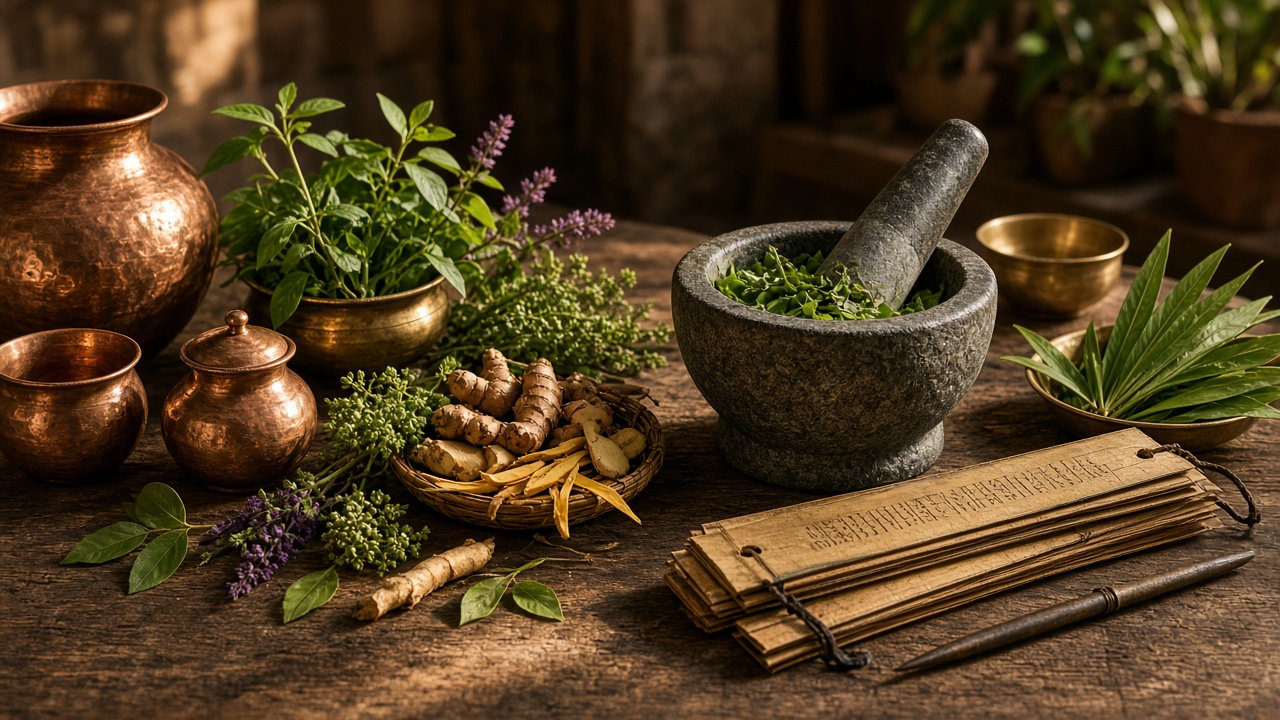
Ayurveda is among India’s best-known traditional knowledge systems—texts and practice on diet, herbs, diagnosis, and lifestyle. It remains living heritage and a major source of documented prior art later used to challenge improper patents on medicinal plants and formulations.
Ayurveda era: health knowledge as living heritage.
Charaka, Sushruta and related textual traditions.
Plant and formulation knowledge widely practised.
Core content digitised later for TKDL prior art.
Body–Mind PracticeClassical+
Yoga
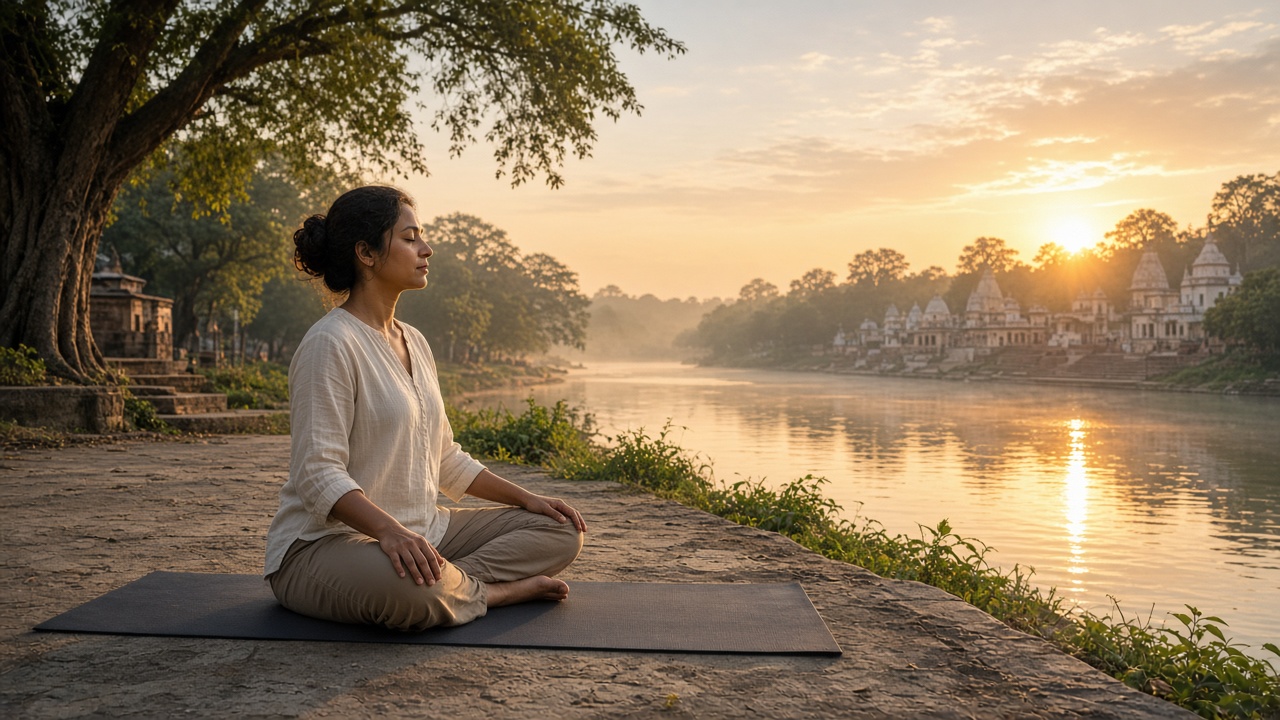
Yoga grew as a Indian tradition of posture, breath, ethics, and meditation. Today it is UNESCO-recognised intangible heritage and a global practice—another strand of TK that shows how Indian knowledge travels while remaining culturally rooted.
Yoga era: practice that became world heritage.
Asana, pranayama, and philosophical roots.
Modern global wellness and International Yoga Day.
Cultural knowledge distinct from patentable gadgets.
Stone ObservatoriesJantar Mantar
Astronomy (Jantar Mantar)
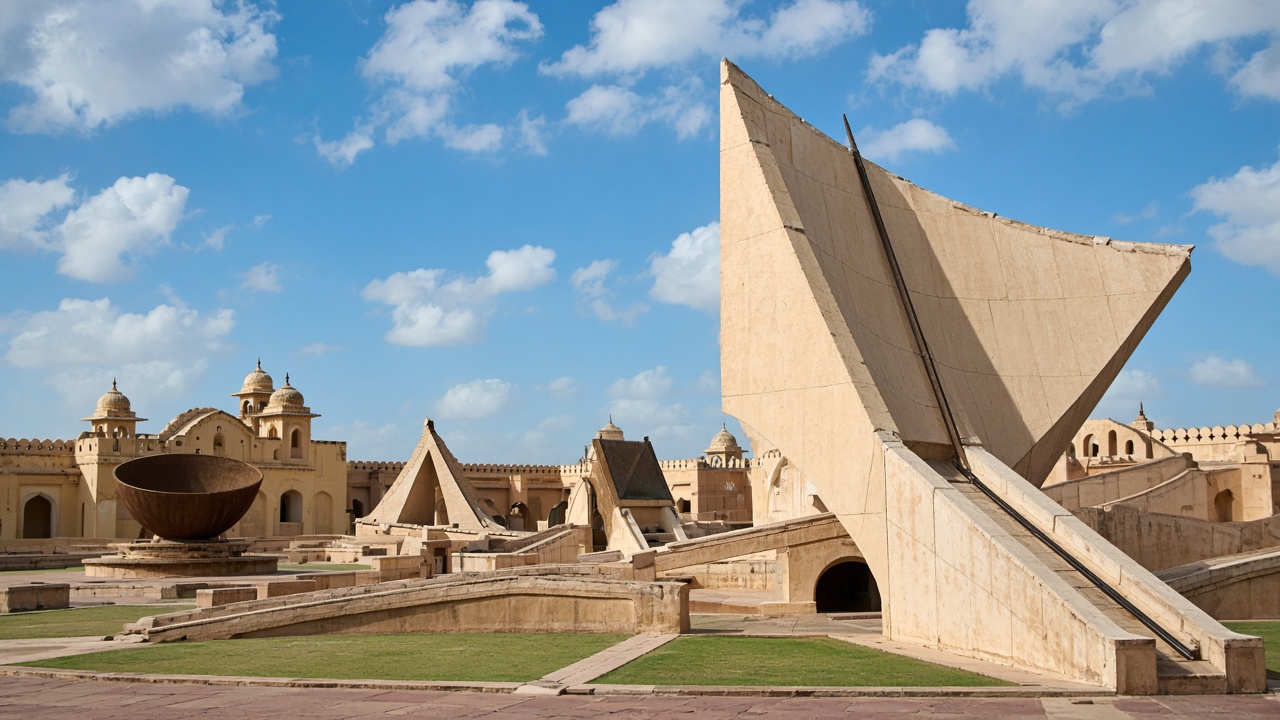
Maharaja Jai Singh II built monumental observatories—Jantar Mantars—with giant sundials and instruments for timekeeping and celestial measurement. They stand as public architecture of Indian astronomy, linking classical jyotisha traditions to precise observational craft.
Astronomy era: measure the sky in masonry and math.
Jaipur, Delhi and other Jantar Mantar sites.
Instruments for time, latitude, and planetary positions.
Heritage astronomy for education and tourism.
Iron That EnduresIron Pillar
Metallurgy (Iron Pillar)
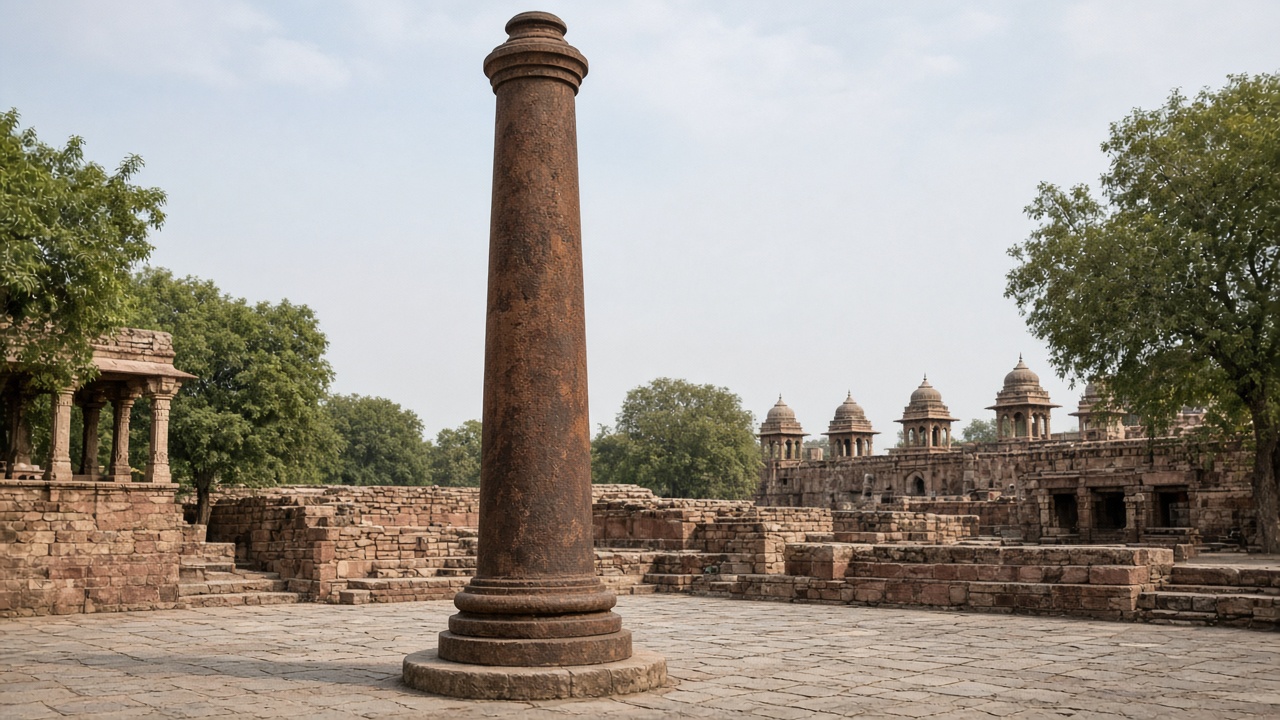
The Iron Pillar of Delhi is a celebrated icon of Indian metallurgy—wrought iron that has resisted rust for centuries. It symbolises materials know-how in traditional crafts, alongside wootz steel and other metallurgical achievements studied by modern materials scientists.
Metallurgy era: craft that still puzzles and inspires.
Corrosion resistance of the Delhi pillar.
Broader Indian iron and steel craft traditions.
Bridge between heritage and materials science.
Monsoon EngineeringTraditional
Water Harvesting
Across India, communities built stepwells, tanks, johads, baolis, and check dams to capture monsoon rain. These systems are traditional ecological knowledge—local engineering for drought resilience that modern water programmes still study and revive.
Water era: store the monsoon for the dry months.
Stepwells, johads, tanks, and village ponds.
Community rules for sharing and maintenance.
Revival projects for climate resilience.
Prior Art DefenceTKDL era
USPTO Patents
In the 1990s–2000s, patents abroad claimed uses of turmeric, neem, and other knowledge already in Indian texts—cases that sparked the biopiracy debate. India built the Traditional Knowledge Digital Library (TKDL) so examiners at offices including the USPTO could find prior art and reject invalid claims, protecting TK in the patent system.
Patent era: digitise TK so prior art cannot be ignored.
Turmeric, neem, and related patent challenges.
TKDL translates classical texts for examiners.
USPTO and other offices use TK as searchable prior art.
Key Milestones
Milestone
When
Why it matters
Ayurvedic textual tradition
Classical
Systematised medical TK.
Yoga as living practice
Classical → global
Body–mind heritage worldwide.
Jantar Mantar observatories
18th century
Monumental Indian astronomy.
Delhi Iron Pillar
Ancient / early medieval
Icon of metallurgical skill.
Stepwells & johads
Centuries of practice
Community water security.
TKDL & patent challenges
1990s–2000s+
Defend TK at USPTO and beyond.
Domains at a Glance
Domain
Core question
Modern echo
Ayurveda
How to sustain health?
AYUSH, herbal research
Yoga
How to train body and mind?
Global practice, UNESCO
Jantar Mantar
How to measure the sky?
Heritage astronomy education
Iron Pillar
How to work iron well?
Materials science studies
Water harvesting
How to store monsoon rain?
Watershed revival
USPTO / TKDL
How to protect prior art?
Anti-biopiracy IP policy
Then vs Now
From palm-leaf knowledge to searchable prior art.
Metric
Then
Now
Storage
Texts, gurus, community practice
Also digital libraries (TKDL)
Recognition
Local / classical authority
UNESCO, AYUSH, global yoga
IP risk
Limited foreign patent reach
Biopiracy watched worldwide
Water
Stepwells & johads as default
Revival + modern dams/pipes
Science link
Craft & observation
Validated research + heritage tourism
Future Predictions
TKDL expansion: More languages and domains searchable for examiners.
Climate TK: Water-harvesting revival grows with drought risk.
Evidence standards: Clearer rules for researching traditional medicines.
Education: Schools link heritage sites (Jantar Mantar, stepwells) to STEM.
India spotlight
Traditional Knowledge & India
India’s TK story is both ancient practice and modern policy: AYUSH ministries, yoga diplomacy, heritage observatories, materials pride in the Iron Pillar, watershed movements, and TKDL as a global model for defending prior art.
India spotlight: heritage knowledge meets IP strategy.
Classical
Ayurveda & yoga
Health and practice traditions take textual and living form.
Craft age
Metal & water
Pillars, steel, stepwells, and johads show applied TK.
1700s
Jantar Mantar
Observatories monumentalise Indian astronomy.
Today
TKDL & patents
Digital prior art protects TK at USPTO and other offices.
Strength: Deep documented TK and active policy defence.
Need: Community benefit-sharing and rigorous research ethics.
Debate: Tradition vs evidence; patents vs open cultural commons.
Test Your Knowledge
20 questions on Indian traditional knowledge. Click to reveal answers.
Answer: Traditional Indian medicine / health knowledge.
Answer: A body–mind practice tradition from India.
Jump to any other science timeline on WorldTimelineHub.
Disclaimer: This content is AI-generated for educational purposes and may contain errors or outdated details. For correct and authoritative information, please refer to official and reliable sources such as government publications, manufacturers, museums, and academic references.