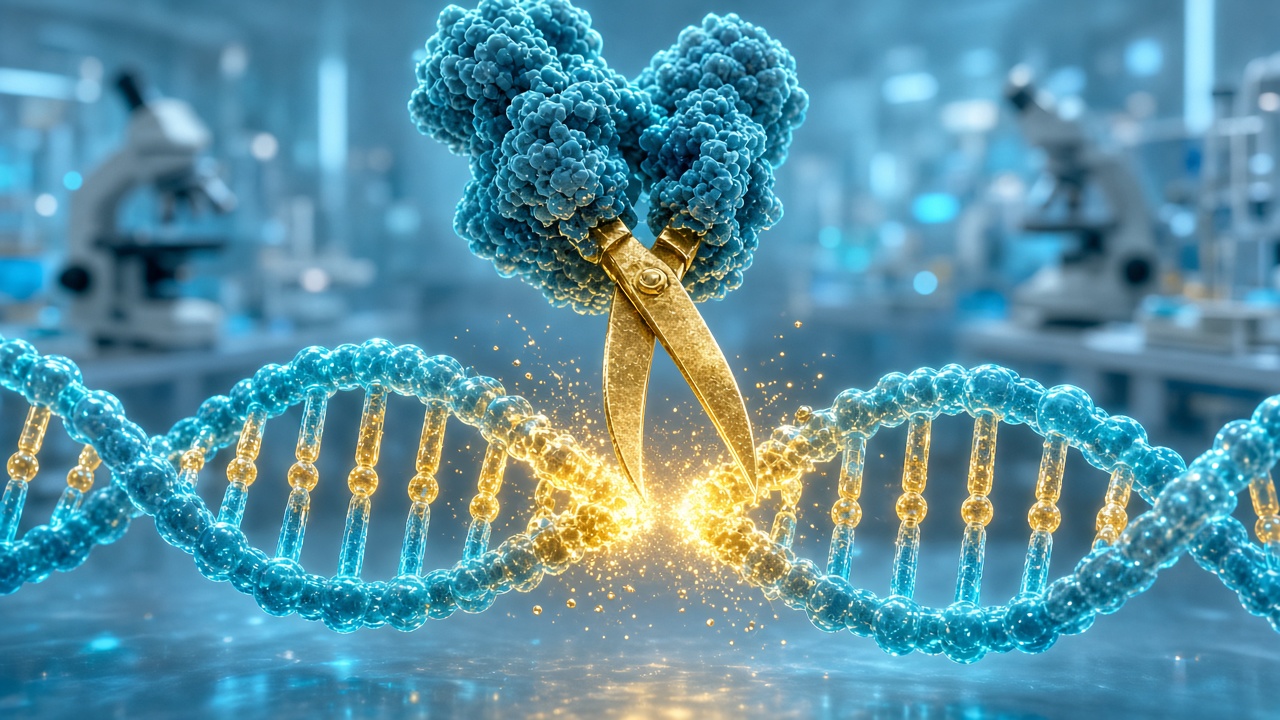
From Ayurveda and Linnaeus to Darwin, genetics, DNA, CRISPR, and synthetic biology—how humans learned to name, explain, and engineer life.
Classify & evolveGenes & DNAEdit & design
Why Biology Matters
Biology is the science of life—health, food, biodiversity, and disease. From classical observation of the body and plants to gene editing and designed microbes, each leap expands what we can understand and responsibly change.
This timeline follows Ayurveda, Linnaeus, Darwin, genetics, DNA, CRISPR, and synthetic biology as linked turning points.
Big picture
Biology in one view
Heal and observe living systems; name species; explain change by selection; discover heredity rules; read the double helix; edit genomes; design life as technology.
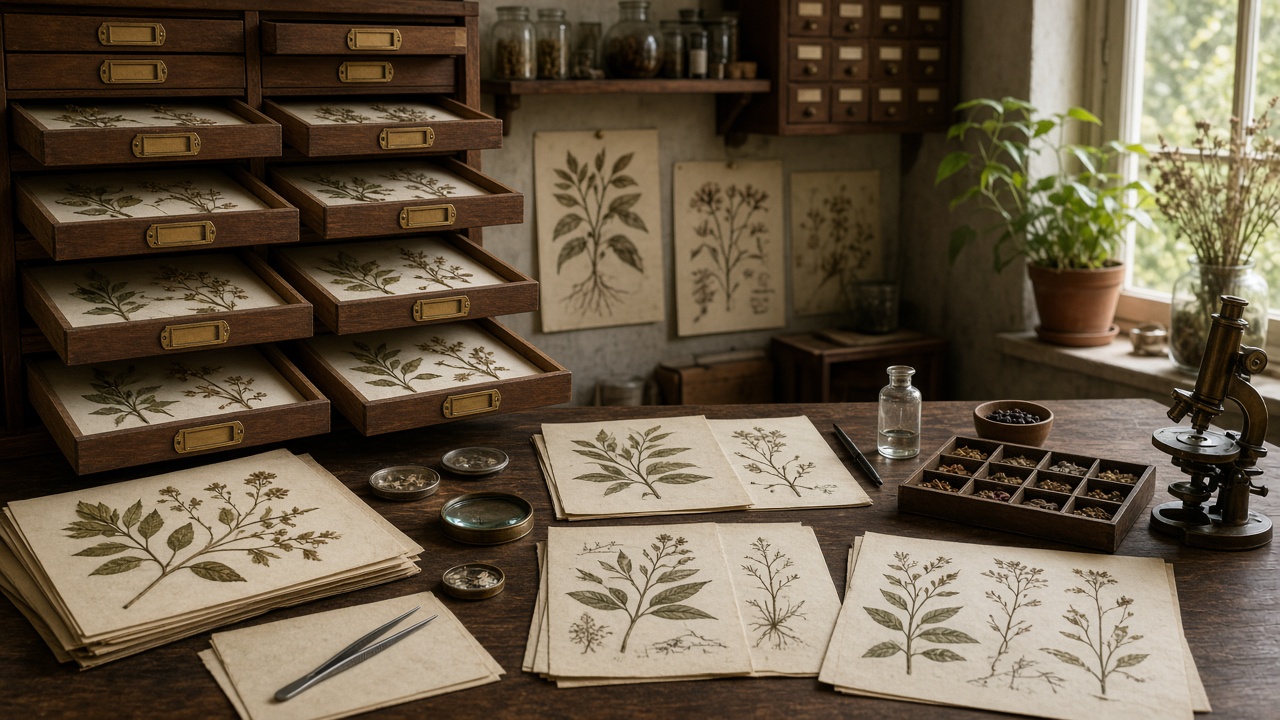
Ayurveda organised observation of the body, diet, herbs, and balance into a classical Indian life-science tradition. Texts and practice catalogued plants and therapies, showing that studying living systems for health long predates modern laboratories—even as today’s biology uses different experimental methods.
Ayurveda era: observe life to restore balance.
Herbal and lifestyle knowledge systematised.
Body and environment treated as linked systems.
Roots Indian engagement with biology of health.
Naming Life1700s
Linnaeus
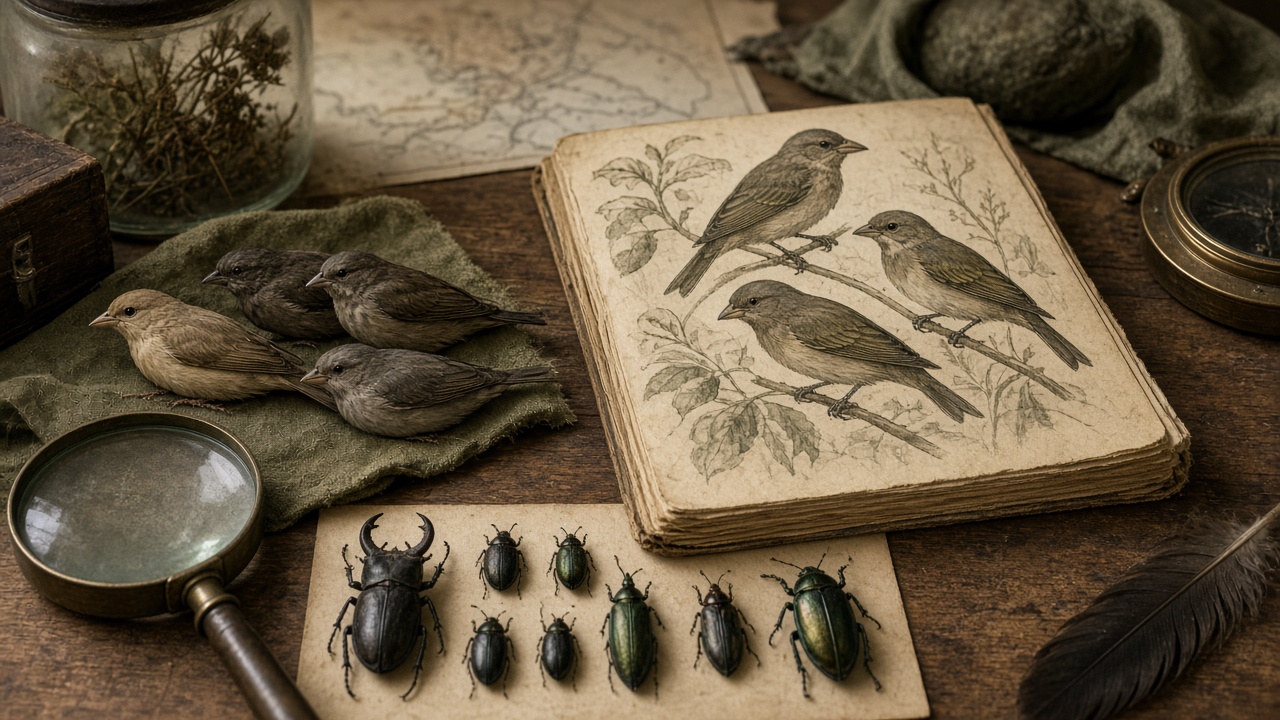
Carl Linnaeus gave biology a shared naming system—binomial nomenclature—and hierarchical ranks. Species could be compared worldwide with stable Latin names, turning natural history collections into a global catalogue of life.
Linnaeus era: one language for naming species.
Genus + species names standardise communication.
Taxonomy becomes a core biological discipline.
Museums and herbaria organise biodiversity data.
Descent with Modification1859
Darwin
On the Origin of Species argued that natural selection explains how populations change and diversify. Darwin (with Wallace’s parallel insight) shifted biology from static catalogues to a historical science of relatedness, adaptation, and deep time.
Darwin era: evolution by natural selection.
Variation + selection + heredity drive change.
Common ancestry unifies the tree of life.
Foundation for modern evolutionary biology.
Rules of Inheritance1860s+
Genetics
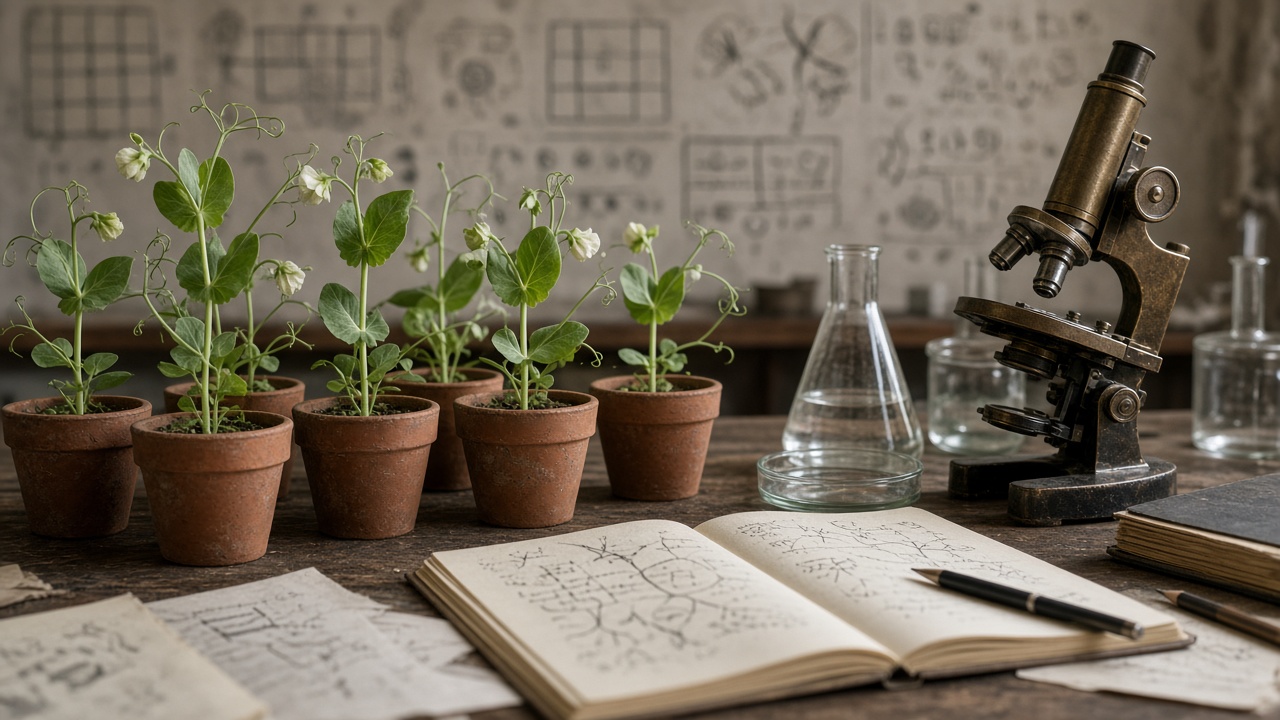
Mendel’s pea experiments revealed particulate inheritance—factors later called genes. Rediscovered around 1900, genetics explained how traits pass between generations and fused with Darwin’s ideas in the modern evolutionary synthesis.
Genetics era: heredity becomes measurable.
Segregation and independent assortment patterns.
Chromosomes linked to inheritance.
Breeding, medicine, and agriculture transformed.
Molecule of Heredity1953
DNA
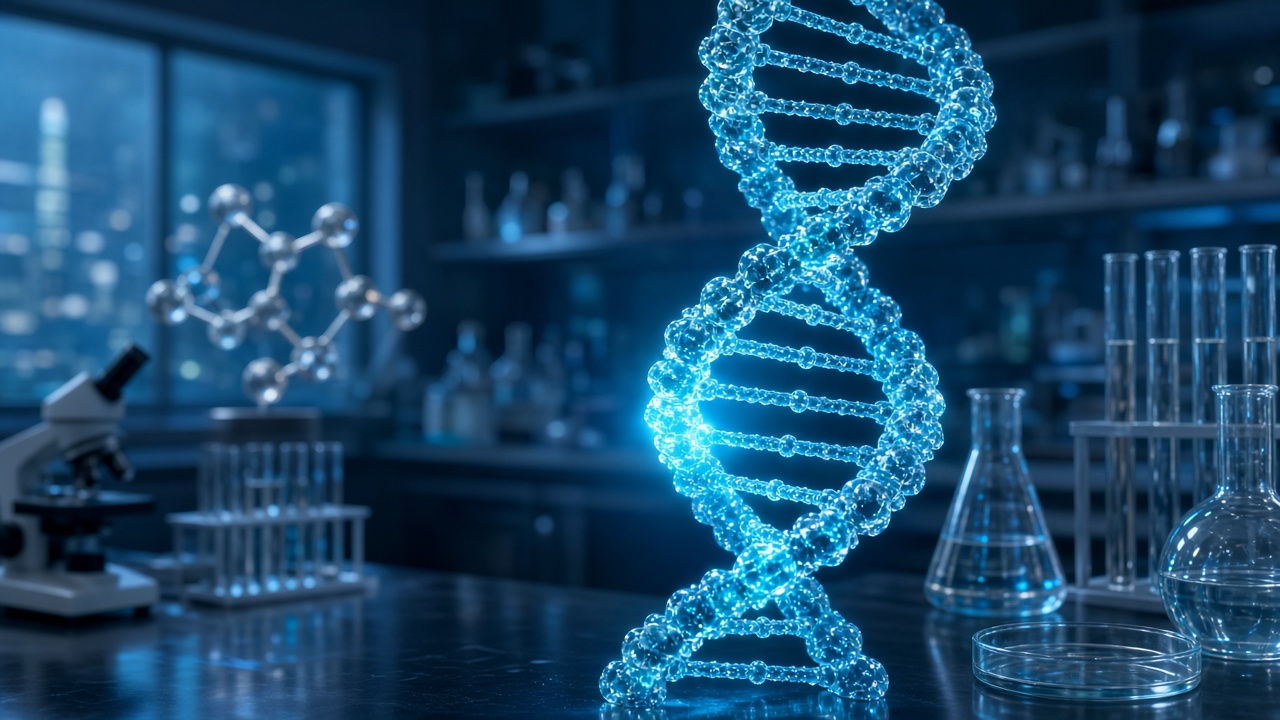
Watson, Crick, Franklin, and Wilkins helped reveal DNA’s double helix. Base-pairing explained replication and mutation, launching molecular biology—reading genes, proteins, and eventually whole genomes.
DNA era: life’s information has a structure.
Double helix + base pairs store the code.
Central dogma links DNA, RNA, protein.
Sequencing and biotech become possible.
Precision Editing2010s
CRISPR
CRISPR-Cas systems, adapted from bacterial immunity, made gene editing faster and more accessible. Researchers can target DNA sequences with guide RNA—opening therapies, agriculture tools, and ethical debates about editing humans and ecosystems.
CRISPR era: cut, edit, and rewrite genes.
Guide RNA targets Cas enzymes to DNA sites.
Research and clinical applications expand rapidly.
Ethics and governance become central topics.
Designing Living SystemsToday
Synthetic Biology
Synthetic biology treats cells as programmable platforms—genetic circuits, engineered microbes, and designed pathways for drugs, materials, and fuels. It builds on DNA and CRISPR to move from reading and editing life toward intentional biological design.
SynBio era: engineer life for useful functions.
Standard parts and circuits in living cells.
Biomanufacturing of medicines and materials.
Biosafety and public trust shape the field.
Key Milestones
Milestone
When
Why it matters
Ayurvedic life knowledge
Classical India
Systematised health and plant observation.
Linnaean taxonomy
18th century
Shared names for species worldwide.
Origin of Species
1859
Natural selection explains evolution.
Mendelian genetics
1860s / ~1900
Rules of inheritance discovered.
DNA double helix
1953
Molecular basis of heredity.
CRISPR editing tools
2010s
Precise, accessible genome editing.
Synthetic biology
21st century
Design living systems as technology.
Ideas at a Glance
Idea
Core question
Modern echo
Ayurveda
How to keep the body in balance?
Integrative health debates
Linnaeus
How to name and group life?
Biodiversity databases
Darwin
How do species change?
Evolutionary medicine
Genetics
How are traits inherited?
Breeding & genetic tests
DNA
What stores the code?
Genomics & forensics
CRISPR
How to edit genes precisely?
Gene therapies
SynBio
Can we design living systems?
Biomanufacturing
Then vs Now
From herbal manuscripts to programmable cells.
Metric
Then
Now
Focus
Observation & classification
Also molecules & engineering
Tools
Herbs, sketches, collections
Sequencers, CRISPR, bioreactors
Heredity
Mysterious blending ideas
Genes, genomes, edits
Evolution
Debated after Darwin
Core framework of biology
Ethics
Local practice norms
Global biotech governance
Future Predictions
Gene therapies: More CRISPR-based treatments reach clinics carefully.
Climate bio: Engineered microbes for materials and carbon-related processes.
Biodiversity tech: DNA barcoding and eDNA monitor ecosystems at scale.
India: Stronger biotech, genomics, and Ayurveda–modern research interfaces.
India spotlight
Biology & India
India’s life-science story runs from Ayurveda and vast biodiversity through colonial natural history, modern universities, CSIR/DBT biotech, vaccines, and a growing CRISPR and synthetic-biology research community.
India spotlight: classical healing to modern biotech.
Classical
Ayurveda
Life and health knowledge systematised in texts and practice.
Modern
Universities & museums
Taxonomy, ecology, and biomedicine expand formally.
Biotech
Vaccines & pharma
India becomes a major biologics and vaccine producer.
Today
Genomics & SynBio
CRISPR labs, genome programmes, and start-ups grow.
Strength: Biodiversity, talent, and vaccine manufacturing scale.
Need: Stronger research translation and biosafety capacity.
Debate: Traditional knowledge vs evidence standards; gene editing ethics.
Test Your Knowledge
20 questions from Ayurveda to synthetic biology. Click to reveal answers.
Answer: Health, balance, herbs, and living systems (classical India).
Answer: Binomial naming / taxonomy.
Answer: Two (genus + species).
Answer: Natural selection.
Answer: On the Origin of Species.
Answer: Inheritance in pea plants.
Answer: Heredity / genes.
Answer: 1953.
Answer: Double helix.
Answer: Copy / replicate genetic information.
Answer: Bacterial immune systems (adapted as a tool).
Answer: Targeted gene editing.
Answer: Design / engineer living systems.
Answer: Natural selection (with Darwin).
Answer: Communicate clearly about species.
Answer: Chromosomes (DNA).
Answer: DNA structure evidence (X-ray work).
Answer: Human germline editing / unintended effects (among others).
Answer: Engineered microbes / genetic circuits.
Answer: Ayurveda → Linnaeus → Darwin → genetics → DNA → CRISPR → synthetic biology.
Classroom activity
Students Tasks
Ten prompts from Ayurveda to synthetic biology for projects and debate.
BiologyEvolutionIndiaBiotech
Poster: Ayurveda → Linnaeus → Darwin → Genetics → DNA → CRISPR → SynBio.
Name five local plants with binomial names (research carefully).
One-page: natural selection using a simple classroom example.
Punnett square for one Mendelian trait and explain the ratios.
Build a DNA model (paper/beads) and label base pairs.
Debate: Should germline CRISPR editing ever be allowed?
Compare Ayurveda’s observational approach with a modern clinical trial.
Research one Indian biotech or vaccine success story.
Comic: a gene’s journey from Mendel’s peas to a CRISPR edit.
Design a fictional microbe that makes a useful product—list biosafety rules.
Continue exploring
Biology links Ayurveda, biotech, chemistry, and scientific revolutions.
Jump to any other science timeline on WorldTimelineHub.
Disclaimer: This content is AI-generated for educational purposes and may contain errors or outdated details. For correct and authoritative information, please refer to official and reliable sources such as government publications, manufacturers, museums, and academic references.