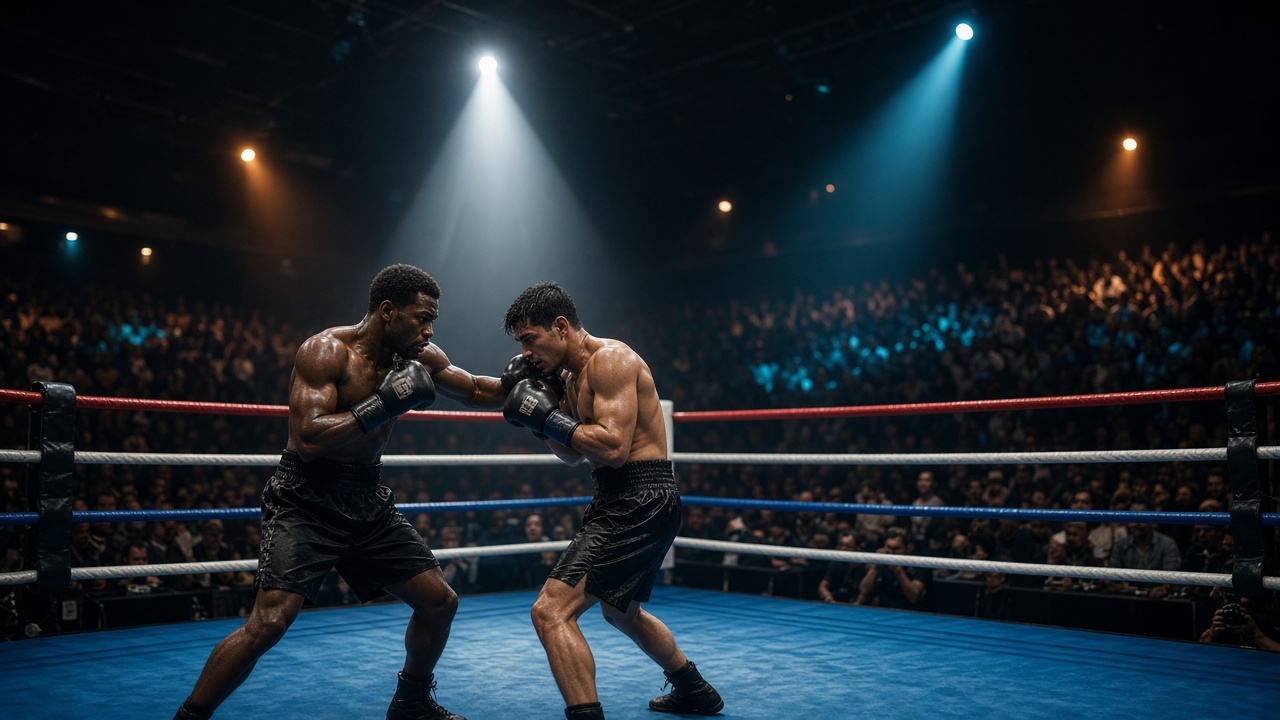
From pehlwani akharas to Olympic podiums, Mary Kom and the Phogats, and growing pro circuits —
India’s combat sports story runs from mud pits to medal nights and paid arenas.
This timeline follows four turns: traditional pehlwani, Olympic medal breakthroughs, women pioneers
(Mary Kom / Phogat), and professional circuits beyond the amateur pathway.
Akhara → ArenaWrestling · BoxingOlympics · Pros
Why Combat Sports Matter in India
Strength culture predates modern medals. Pehlwani built bodies and discipline; Olympic boxing and wrestling
turned that grit into global results; women pioneers rewrote who belongs in the ring and on the mat;
pro circuits ask whether combat athletes can earn beyond a four-year Olympic cycle.
Big picture
Combat sports in one view
Akhara roots feed Olympic mats and boxing rings; Mary Kom and the Phogats expand who can win;
pro circuits try to commercialise the same courage.
Related timelines:
Olympics (India),
kabaddi,
Women Who Changed India,
fitness.
From pehlwani akharas to Olympic medals, Mary Kom / Phogat, and pro arenas.
🤼 Mud StrengthDeep Roots
Pehlwani
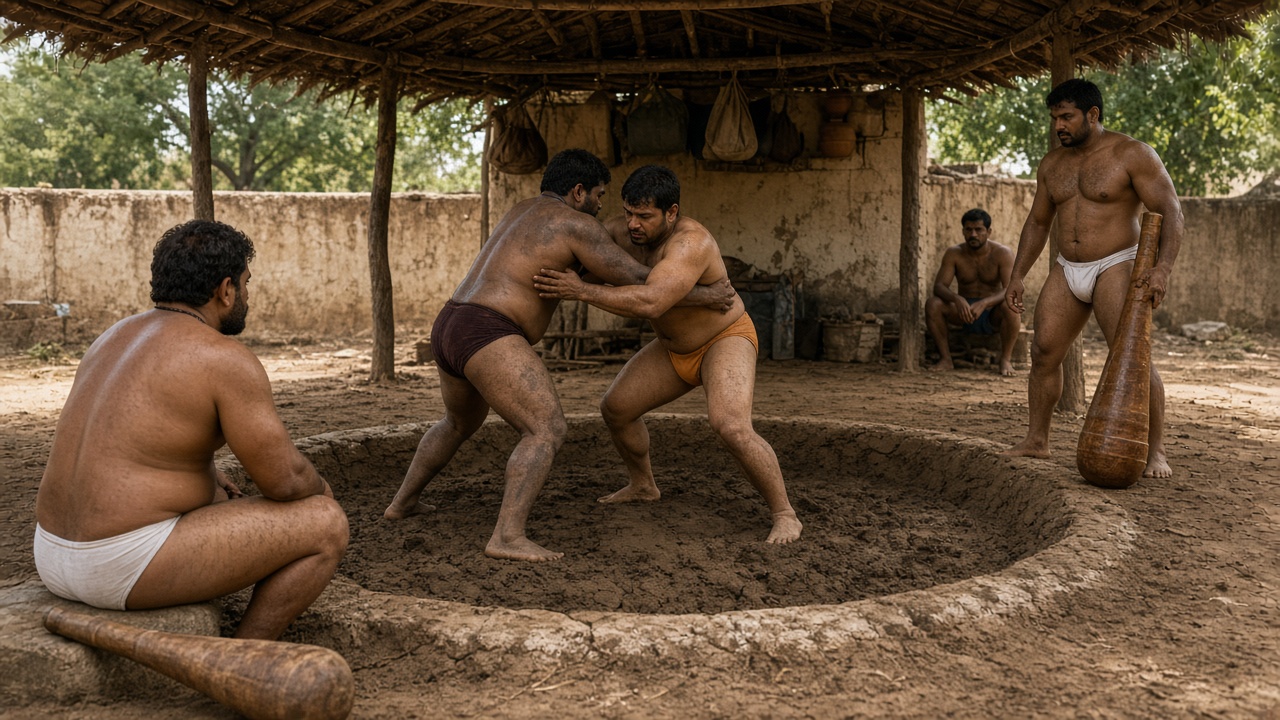
Pehlwani (kushti) is India’s traditional wrestling culture — akharas, mud pits, mugdar training, milk-and-ghee diets, and gurus who shape pehlwans. Long before Olympic freestyle rules, villages measured honour in throws and stamina.
Pehlwani: strength, discipline, and akhara identity.
Akhara life: Daily training, community, and hierarchy under a guru.
Mud craft: Grip, balance, and power on a traditional surface.
Cultural pride: Local dangals as festivals of strength.
Talent bridge: Many modern wrestlers still begin in or near this culture.
Ideas & Practices
Body conditioning: Bodyweight, clubs, and endurance work.
Diet discipline: Traditional nutrition rituals around training.
Oral coaching: Technique passed person-to-person.
Features
Deep roots: Older than modern federations.
Continuity: Still thrives beside Olympic mats.
Transition: Athletes adapt pehlwani grit to international rules.
🥇 Medal Wave2008 – Present
Olympics Medals
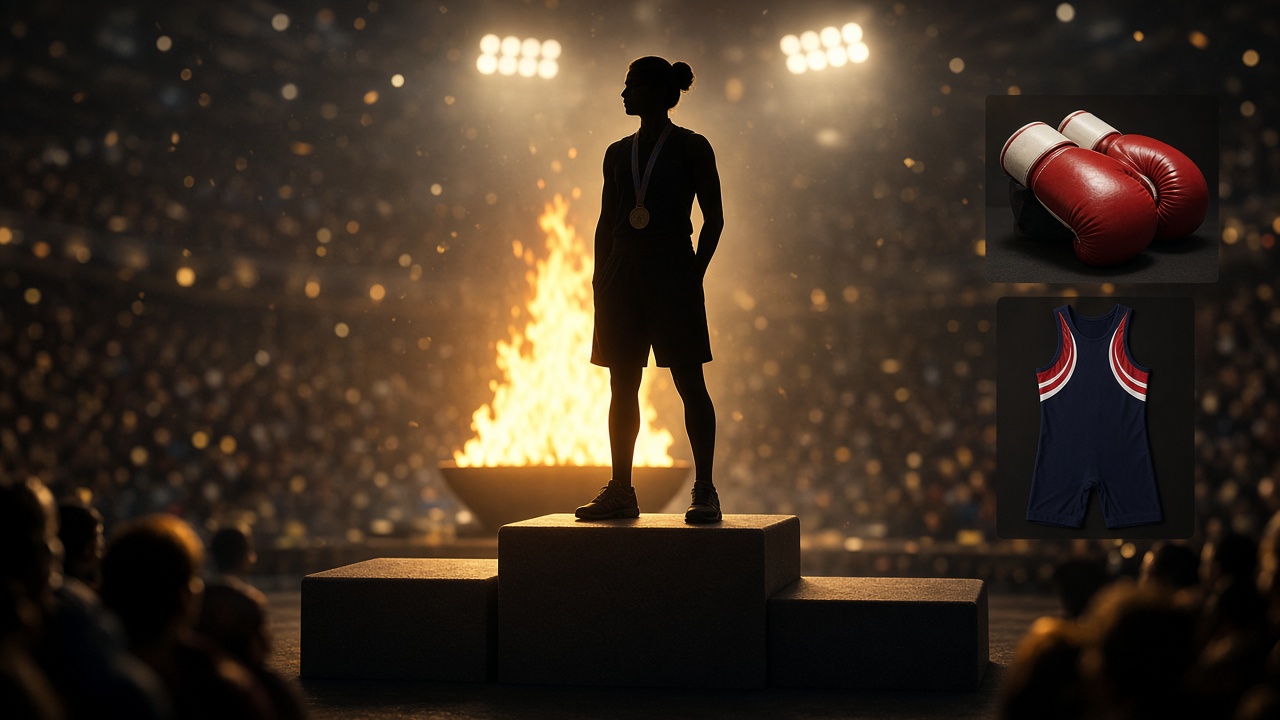
Beijing 2008 opened a new chapter: Vijender Singh’s boxing bronze signalled ring medals were possible. Wrestling followed with a string of Olympic medals across cycles. Combat sports became one of India’s most reliable individual medal factories.
Olympics: boxing and wrestling medals rewrite belief.
2008 boxing: Vijender Singh’s bronze lifts the sport’s profile.
Wrestling haul: Multiple Olympic medals across freestyle campaigns.
Systems: SAI centres, state hostels, and foreign coaches expand.
Expectation: Combat medals become hoped-for each Games.
Systems
Weight categories: Strategy around cuts and brackets.
Mat & ring science: Video, sparring plans, recovery.
Funding focus: Olympic cycles organise support.
Features
Individual glory: One athlete can change a nation’s mood.
State pipelines: Haryana and others feed national camps.
Pressure: Medal expectations rise with each success.
🌟 Women Pioneers2000s – Present
Mary Kom / Phogat
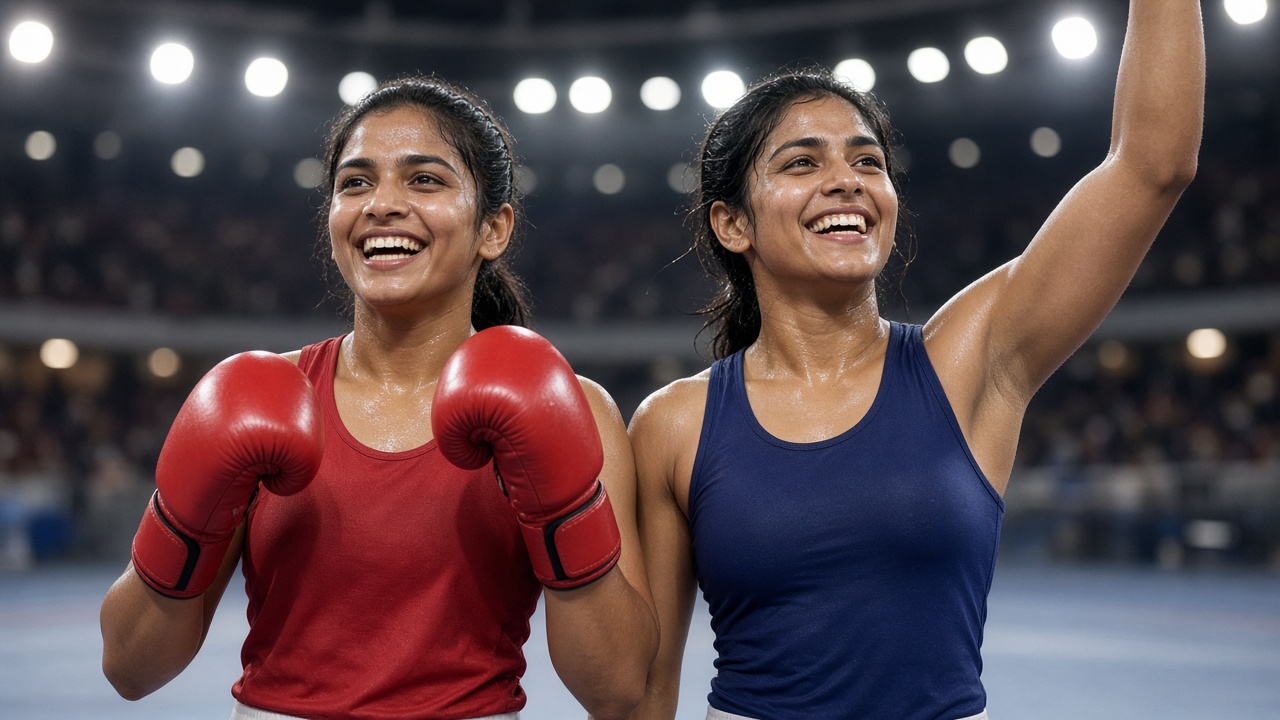
Mary Kom made women’s boxing a household story — world titles and Olympic bronze. The Phogat family made women’s wrestling impossible to ignore in Haryana and beyond. Together they proved combat excellence is not only a men’s lane, and they pulled a generation of girls into gyms and akharas.
Mary Kom / Phogat: pioneers who opened the doors wider.
Mary Kom: Multiple world championships; Olympic bronze (London 2012).
Phogat pathway: Geeta, Babita, and family legacy normalise girls’ wrestling.
Culture shift: Families and coaches rethink who can train for combat sports.
Media icons: Films and coverage amplify their stories nationwide.
Systems & Support
Women’s categories: International events create clear targets.
Coaching access: More women enter serious training environments.
Role-model effect: Visibility recruits the next cohort.
Features
Barrier breaking: Social permission expands with each medal.
Two sports, one message: Boxing and wrestling share the equity fight.
Unfinished: Pay, safety, and depth beyond star names still need work.
💼 Paid ArenasGrowing
Pro Circuits
Beyond Olympic cycles, athletes look for professional boxing bouts, commercial wrestling leagues, and paid showcases. Pro circuits promise salaries and stardom — but need stable calendars, promoters, broadcasters, and fan bases to match cricket’s entertainment machine.
Pro circuits: careers beyond the Olympic four-year clock.
Pro boxing: Carded bouts and international matchmaking experiments.
League formats: Commercial wrestling/combat shows seek TV audiences.
Career mix: Athletes balance amateur eligibility with pro opportunities.
Business test: Sponsors and streams decide which circuits survive.
Business Tools
Promotion & cards: Event packaging for audiences.
Broadcast deals: Live windows and highlights culture.
Athlete branding: Personal stories sell tickets and clicks.
Features
Income path: Pay outside government awards alone.
Risk: Short careers, injuries, unstable leagues.
Opportunity: Link akhara talent to sustainable pro stages.
Eras Compared
Each era answers a different need: traditional strength, Olympic proof, gender pioneers, and professional livelihoods.
Era
Main idea
Strength
Limitation
Pehlwani
Akhara tradition
Deep skill & culture
Not identical to Olympic rules
Olympics medals
Global proof
National pride & funding
High pressure, short cycles
Mary Kom / Phogat
Women pioneers
Inspiration & access
Depth beyond stars uneven
Pro circuits
Paid careers
Income & entertainment
League stability uncertain
India Spotlight: Combat Milestones
From akharas to Olympic nights and pro ambitions.
Year / Era
Milestone
Significance
Deep roots
Pehlwani akhara culture
Traditional combat base.
2008
Vijender boxing Olympic bronze
Modern boxing medal landmark.
2008–present
Wrestling Olympic medals
Mat sports as medal factory.
2012
Mary Kom Olympic bronze
Women’s boxing icon moment.
2000s–present
Phogat wrestling pathway
Girls’ wrestling normalised.
Growing
Pro circuits
Careers beyond amateur cycles.
Timeline Summary
Year / Era
Milestone
Deep roots
Pehlwani / kushti akhara culture
2008+
Olympic boxing & wrestling medals
2000s–present
Mary Kom / Phogat pioneers
Growing
Professional combat circuits
Test Your Knowledge
10 quick questions from the boxing & wrestling timeline. Click each question to reveal the answer.
Answer: Traditional Indian wrestling (kushti) practised in akharas.
Answer: In an akhara (often a mud pit).
Answer: Vijender Singh.
Answer: London 2012.
Answer: Wrestling.
Answer: Geeta Phogat or Babita Phogat (either).
Answer: No — related tradition, different rules and surface.
Answer: Paid bouts/leagues and careers outside the amateur cycle.
Answer: Haryana (among others).
Answer: The eras tell one combat-sports story — pehlwani roots, Olympic medals, women pioneers, and pro ambitions.
Classroom activity
Students Tasks
Use these prompts for discussion or projects on boxing and wrestling in India.
TraditionOlympicsGender & sportCareers
Make a four-panel poster from pehlwani to pro circuits.
Compare pehlwani and Olympic freestyle wrestling in a table.
Profile Mary Kom in 150 words with three milestones.
Explain how the Phogat story changed attitudes to girls’ wrestling.
List three Olympic combat medals won by Indians and their years.
Debate: “Olympics matter more than pro circuits” vs the reverse.
Design a safe school fitness circuit inspired by akhara training (no fighting).
Interview someone about local wrestling or boxing culture and note five facts.
Map Indian states known for wrestling or boxing on an outline map.
Propose one idea to make pro combat careers safer and more stable.
Click any panel to expand and explore the visual mood.
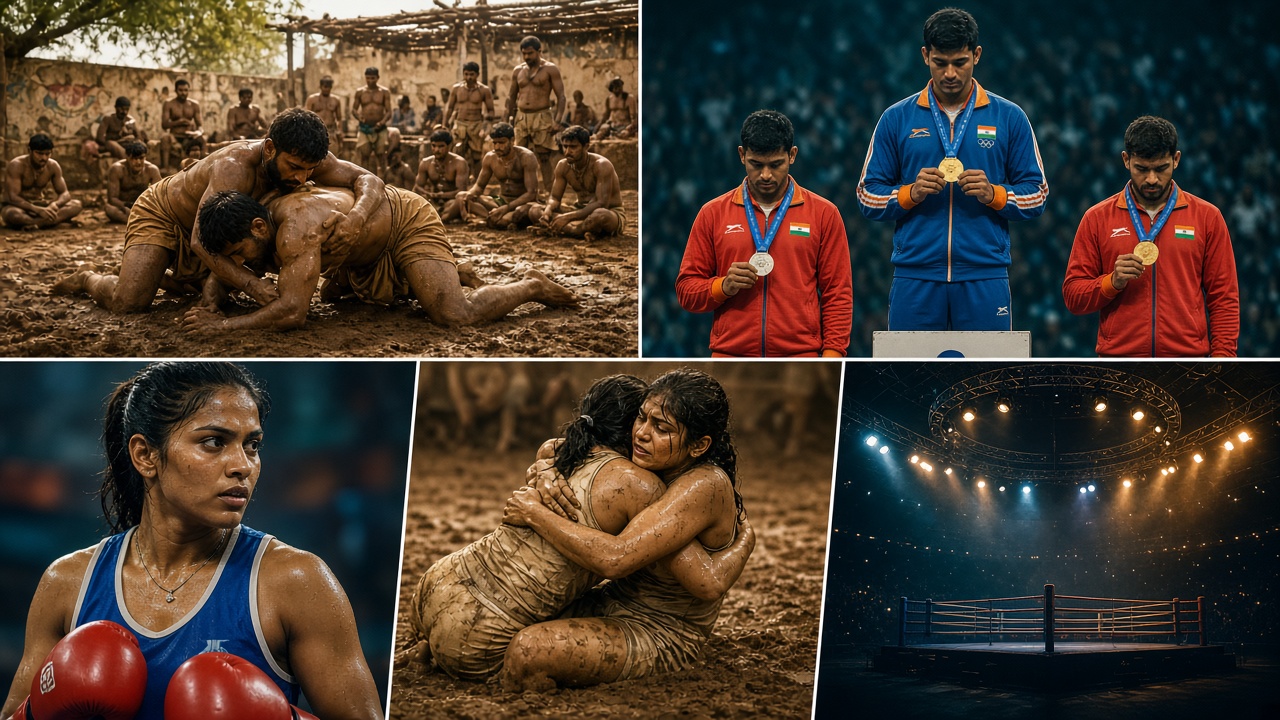
Combat sports in pictures — pehlwani, Olympics, pioneers, and pro arenas.
Pehlwani
Akhara roots
Olympics
Medal wave
Pioneers
Mary Kom / Phogat
Pro Circuits
Paid arenas
Through Time
Mud to medals
Explore all sports timelines
Jump to any other sports timeline on WorldTimelineHub.
Disclaimer: This content is AI-generated for educational purposes and may contain errors or outdated details. For correct and authoritative information, please refer to official and reliable sources such as government publications, manufacturers, museums, and academic references.