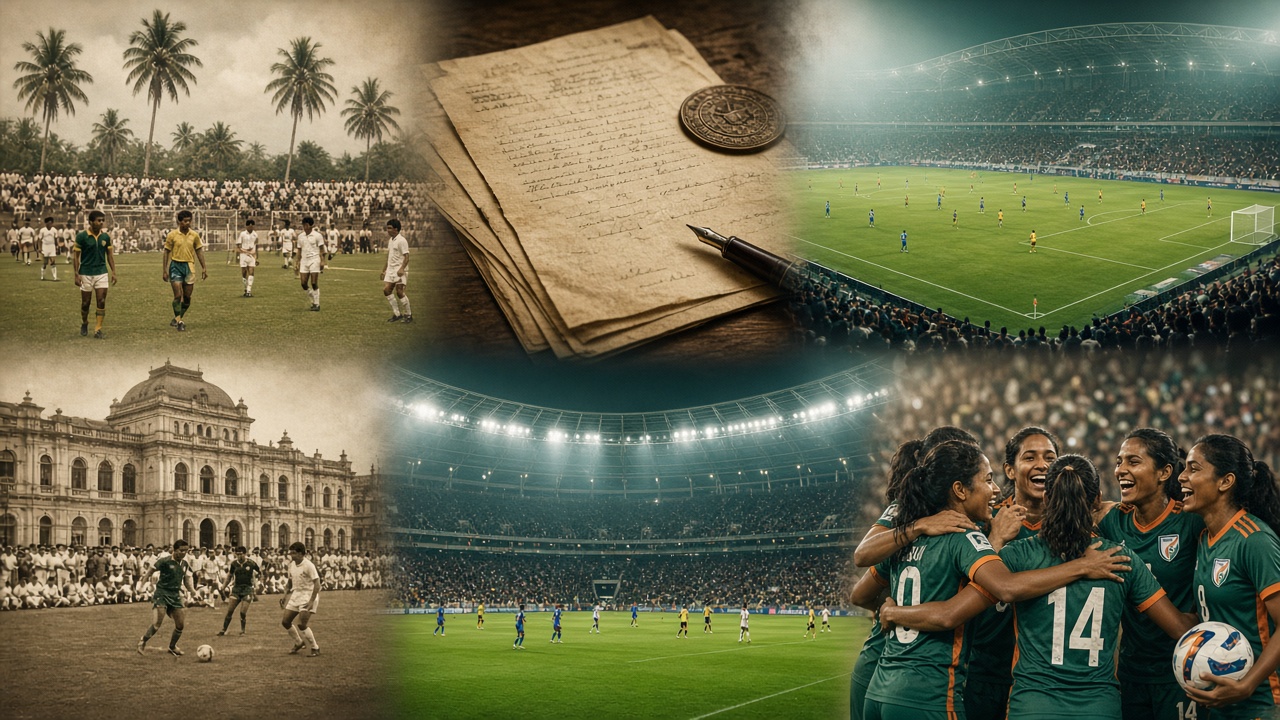
From Calcutta maidans and historic clubs to the AIFF, a home FIFA youth World Cup, the ISL’s franchise lights,
and the rise of women’s football — India’s beautiful game keeps finding new chapters.
This timeline follows five turns: club culture on the maidan, a national federation, hosting the 2017 U-17 World Cup,
the Indian Super League era, and women’s football’s push for equal space.
Maidan → LeagueClubs · FIFA · ISLMen · Youth · Women
Why Football Matters in India
Football never matched cricket’s national money — but it built fierce city loyalties, especially in Kolkata,
Goa, Kerala, and the Northeast. Clubs, a federation, a hosted FIFA tournament, a franchise league, and
women’s pathways show a sport fighting for systems, stadiums, and spotlight.
From Calcutta clubs to AIFF, a FIFA youth World Cup, ISL nights, and women’s football.
🏟️ Maidan RootsLate 1800s –
Calcutta Clubs
Organised Indian football grew on Kolkata’s maidans. Historic clubs, packed derbies, and moments like Mohun Bagan’s 1911 IFA Shield win made football a language of city pride — long before television leagues and franchise fireworks.
Calcutta clubs: football culture before national TV.
Club heartland: Kolkata becomes India’s early football capital.
1911 landmark: Mohun Bagan’s IFA Shield win enters sporting folklore.
Derby passion: Local rivalries create lifelong fandom.
Talent factory: Maidans and clubs feed players for decades.
Ideas & Practices
Open grounds: Public maidans as training and match spaces.
Club identity: Colours, songs, and neighbourhood loyalty.
Cup culture: Shields and tournaments before a strong national league.
Features
Community sport: Football as city belonging.
Colonial context: Wins carry political emotion.
Living tradition: Club loyalty still shapes Indian football memory.
📋 National Body1937 – Present
AIFF
The All India Football Federation (AIFF), founded in 1937 and later FIFA-affiliated, became the national steward of rules, teams, and competitions. Governance quality — coaching licenses, calendars, and youth systems — would decide whether club passion became a modern football nation.
AIFF: from founding papers to FIFA affiliation and national teams.
1937: AIFF founded as the national governing body.
FIFA link: Affiliation opens international competition pathways.
National teams: Senior and age-group sides represent India abroad.
Reform pressure: Leagues, academies, and transparency stay ongoing debates.
Systems
Competition calendar: Domestic cups, leagues, and national camps.
Coaching pathway: Licenses and technical staff standards.
State associations: Federated structure across India.
Features
Rules & identity: One national voice for the game.
International door: World Cup qualifiers and Asian competitions.
Accountability: Fans and FIFA both watch governance quality.
🌍 Host Stage2017
2017 U-17 World Cup
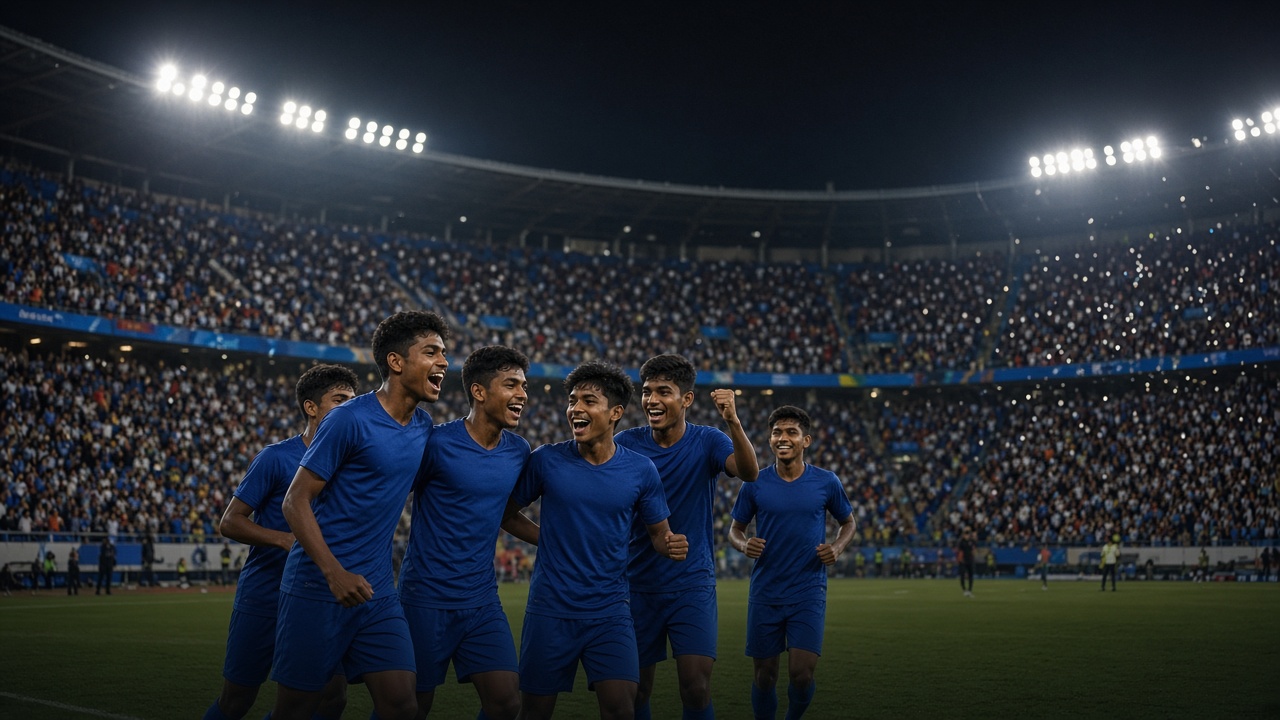
India hosted the 2017 FIFA U-17 World Cup — its first FIFA World Cup tournament. New and upgraded stadiums, packed nights, and a home Blue Colts side put youth football on prime-time television and proved India could stage a global football event.
2017: India hosts a FIFA youth World Cup.
First FIFA WC host: A landmark for Indian football infrastructure and pride.
Stadium push: Venues and event ops face a global test.
Home team: India competes and gains elite youth match experience.
Inspiration wave: Kids see football as a possible dream again.
Event Systems
Broadcast packages: National TV attention for youth football.
Grassroots link: Hosting as a marketing boost for academies.
Features
Soft power: India on the FIFA calendar.
Youth focus: Under-17s as the story, not only seniors.
Legacy question: Did hosting permanently lift pathways?
⚡ Franchise Nights2014 – Present
ISL
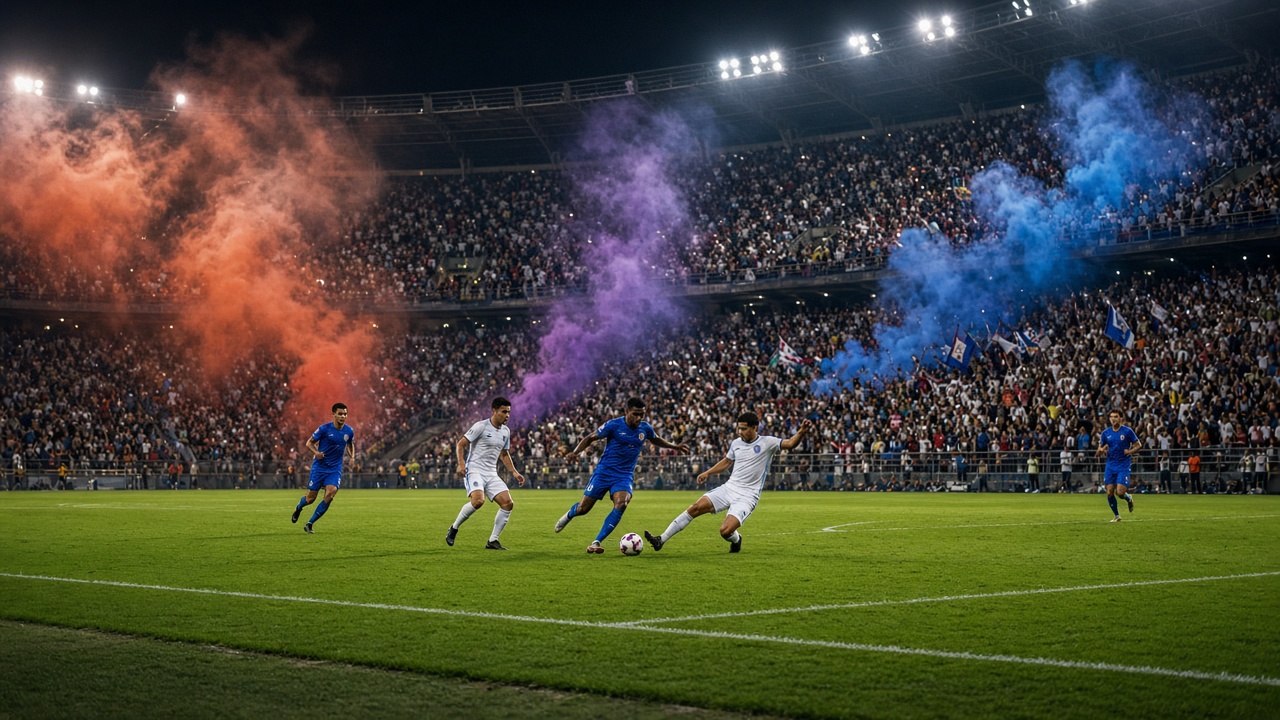
The Indian Super League (from 2014) wrapped football in city franchises, star names, and entertainment production. It aimed to do for football what big leagues did for visibility elsewhere — pack stands, win sponsors, and make Saturday nights about the beautiful game.
ISL: franchise football as entertainment product.
2014 launch: City-based teams and a short, TV-friendly season format.
Star power: Marquee players and coaches raise curiosity.
League evolution: Structure and links with older club football keep changing.
Audience growth: New fans beyond traditional football cities.
Business Tools
Franchise model: Ownership, branding, and city marketing.
Broadcast rights: Live windows compete for leisure time.
Stadium production: Music, lights, and matchday experience.
Features
Visibility: Football returns to living-room conversation.
Tension: Entertainment vs long-term youth development.
City pride 2.0: New colours join old club loyalties.
🌟 Equal PitchGrowing
Women’s Football
Women’s football in India is building from school grounds and state teams toward national camps, better coverage, and professional ambition. The story is unfinished: talent is visible; consistent pay, leagues, and facilities are still catching up.
Women’s football: skill rising, systems still catching up.
National teams: Senior and junior sides compete regionally and beyond.
Pathway gaps: Fewer stable leagues and coaching posts than for men.
Inspiration loop: Visible role models draw more girls to academies.
Policy push: Schools, federations, and sponsors slowly expand support.
Systems & Support
Age-group structure: State and national youth camps.
Media windows: More matches need live coverage to grow fandom.
Safe facilities: Grounds, travel, and coaching that include girls.
Features
Equity unfinished: Pay and calendars remain uneven.
Community strength: Strong roots in several Indian states.
Next chapter: Professional stability is the growth test.
Football Eras Compared
Each era answers a different need: club passion, national governance, global hosting, entertainment leagues, and gender equity.
Era
Main idea
Strength
Limitation
Calcutta clubs
City club culture
Deep fandom & history
Uneven national reach
AIFF
National governance
FIFA link & teams
Reform & calendar debates
2017 U-17 World Cup
Host a FIFA event
Stadiums & inspiration
Legacy must be sustained
ISL
Franchise entertainment
Visibility & sponsors
Development vs showbiz tension
Women’s football
Equal opportunity
Rising talent & interest
Pay, leagues, facilities gaps
India Spotlight: Football Milestones
From maidans and 1911 pride to FIFA hosting and league nights.
Year / Era
Milestone
Significance
Late 1800s+
Calcutta club culture
Organised football’s Indian heartland.
1911
Mohun Bagan IFA Shield
Landmark of sporting pride.
1937 / 1948
AIFF founded; FIFA affiliation
National governance & world link.
2014
ISL launches
Franchise football entertainment era.
2017
U-17 World Cup hosted
India’s first FIFA World Cup tournament.
Ongoing
Women’s football growth
Pathways and visibility expand.
Football Timeline Summary
Year / Era
Milestone
Late 1800s+
Calcutta clubs and maidan culture
1937+
AIFF and national football governance
2017
FIFA U-17 World Cup hosted in India
2014+
Indian Super League (ISL)
Growing
Women’s football pathways and visibility
Test Your Knowledge
10 quick questions from the football timeline. Click each question to reveal the answer.
Answer: Calcutta / Kolkata.
Answer: Mohun Bagan.
Answer: All India Football Federation.
Answer: 1937.
Answer: The U-17 World Cup.
Answer: It was India’s first FIFA World Cup tournament as host.
Answer: 2014.
Answer: The Indian Super League — a franchise football league.
Click any panel to expand and explore the visual mood.
Football in pictures — maidans, federation, FIFA nights, ISL, and women’s play.
Calcutta Clubs
Maidan roots
AIFF
National body
U-17 2017
FIFA host
ISL
Franchise nights
Women’s Game
Equal pitch
Through Time
Maidan to league
Explore all sports timelines
Jump to any other sports timeline on WorldTimelineHub.
Disclaimer: This content is AI-generated for educational purposes and may contain errors or outdated details. For correct and authoritative information, please refer to official and reliable sources such as government publications, manufacturers, museums, and academic references.