From club courts to Leander Paes’s doubles glory, Saina and Sindhu’s badminton breakthroughs,
Olympic podiums, and an academy boom — India’s racket sports climbed from elite lawns to mass inspiration.
This timeline follows five turns: club culture, the Paes tennis era, the Saina/Sindhu badminton wave,
Olympic medals, and specialised academies that industrialised coaching.
Tennis arrived through clubs; badminton later became India’s loudest racket success on Olympic nights.
Together they show how elite leisure sports can become national inspiration when stars, systems, and
academies align — even when cricket still owns most of the airtime.
Big picture
Racket sports in one view
Club courts seeded skill; Paes made tennis global for India; Saina and Sindhu made badminton a household dream;
Olympics fixed the medals in memory; academies try to make excellence repeatable.
Related timelines:
Olympics (India),
cricket,
Women Who Changed India,
fitness.
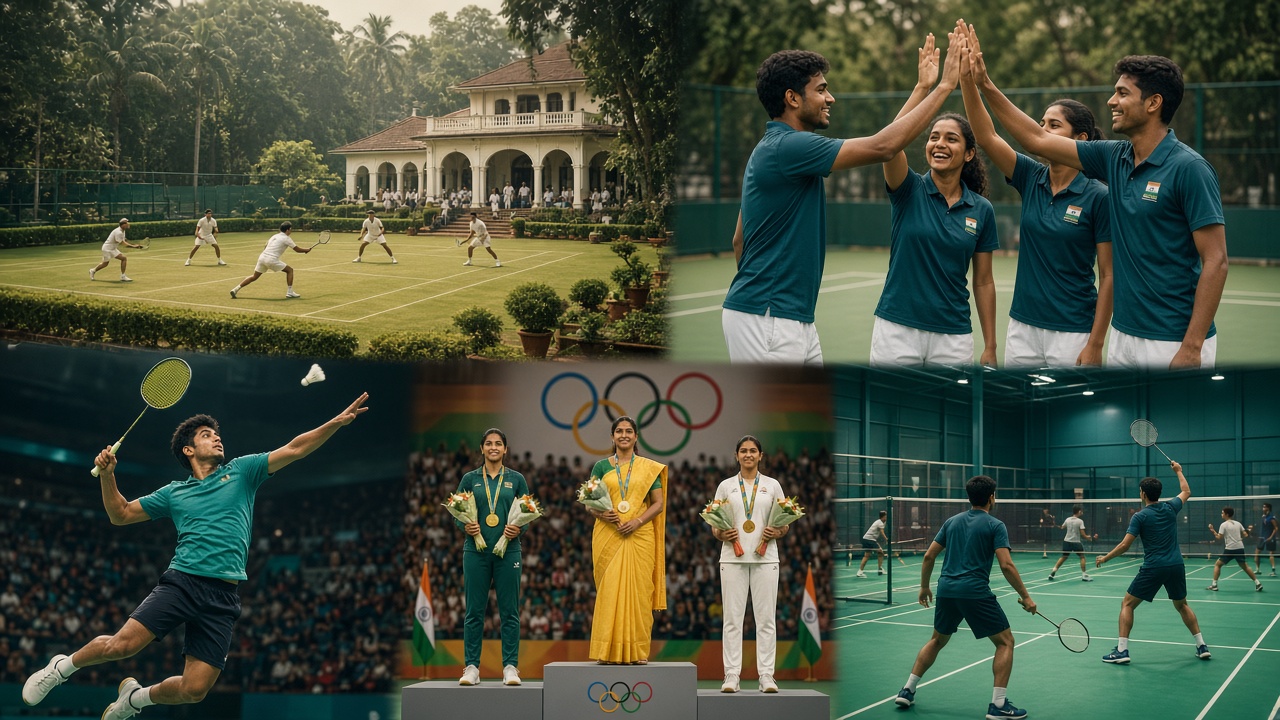
From club courts to Paes, Saina/Sindhu, Olympic podiums, and academy campuses.
🏛️ Lawn & ClubColonial –
Club Courts
Racket sports entered India through colonial clubs and gymkhanas — manicured courts, membership culture, and weekend tournaments. The early game was elite and urban; the skills and habits later spilled into schools, public clubs, and national federations.
Club courts: where Indian racket culture first took root.
Gymkhana culture: Clubs host tennis (and later badminton halls) as social sport.
Urban access: Early play concentrates in cities with club infrastructure.
Tournament habit: Local cups create competitive calendars.
Pathway limit: Talent outside club networks often stays undiscovered.
Ideas & Practices
Grass & clay traditions: Surface craft before hard-court dominance.
Wooden rackets era: Equipment evolves toward graphite and composites.
Amateur ethos: Sport as status and recreation before full professionalism.
Features
Social entry point: Clubs teach rules and etiquette.
Uneven access: Cost and membership gate talent.
Foundation: Still the base for many junior programmes.
🎾 Doubles Glory1990s – 2010s
Leander/Paes Era
Leander Paes made Indian tennis a global story — Olympic bronze in 1996, Davis Cup heroics, and a long run of Grand Slam doubles titles (often with Mahesh Bhupathi and later partners). For a generation, “Indian tennis” meant Paes’s volleys and never-quit athleticism.
Paes era: doubles excellence puts India on the tennis map.
Atlanta 1996: Olympic singles bronze becomes a landmark.
Indian Express: Paes–Bhupathi doubles partnership captures national attention.
Grand Slam haul: Multiple majors across men’s and mixed doubles careers.
Longevity: A career spanning decades keeps tennis in the news.
Systems & Style
Net play craft: Volleys and reflexes define the brand.
Davis Cup identity: National team tennis as pride ritual.
Tour travel: Global circuit experience feeds coaching culture later.
Features
Hero effect: One name carries a sport’s visibility.
Doubles pathway: Shows medals need not only be singles.
Gap remains: Deep men’s/women’s singles pipelines still thin.
🏸 Shuttle Stars2000s – Present
Saina/Sindhu
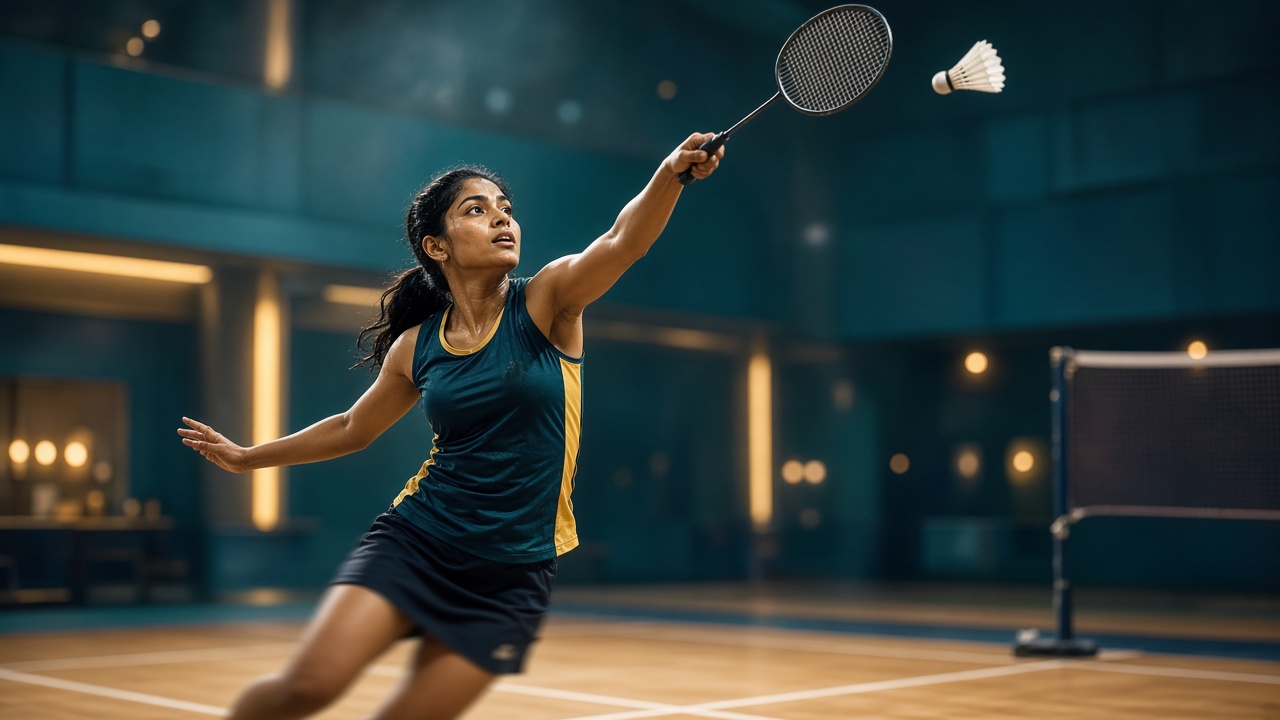
Saina Nehwal and P. V. Sindhu turned badminton — not tennis — into India’s most watched racket dream. World titles, Super Series/World Tour wins, and Olympic medals made shuttlecocks as familiar as cricket bats in many living rooms, especially for girls seeking sporting heroes.
Saina Nehwal: Pioneer of consistent world-level results and Olympic bronze (2012).
P. V. Sindhu: Olympic silver (2016) and bronze (2020), plus World Championship gold.
Media shift: Badminton finals draw national prime-time emotion.
Inspiration loop: Academies fill with young players chasing the same path.
Systems & Support
High-performance coaching: Full-time programmes and sparring depth.
Sports science: Fitness, recovery, and match analysis.
Sponsor stack: Brands fund travel and career longevity.
Features
Women’s leadership: Stars normalise excellence for girls.
Sport crossover: Racket success beyond tennis courts.
Expectation rise: Medals become hoped-for, not miracles.
🥇 Podium Nights1996 – Present
Olympics
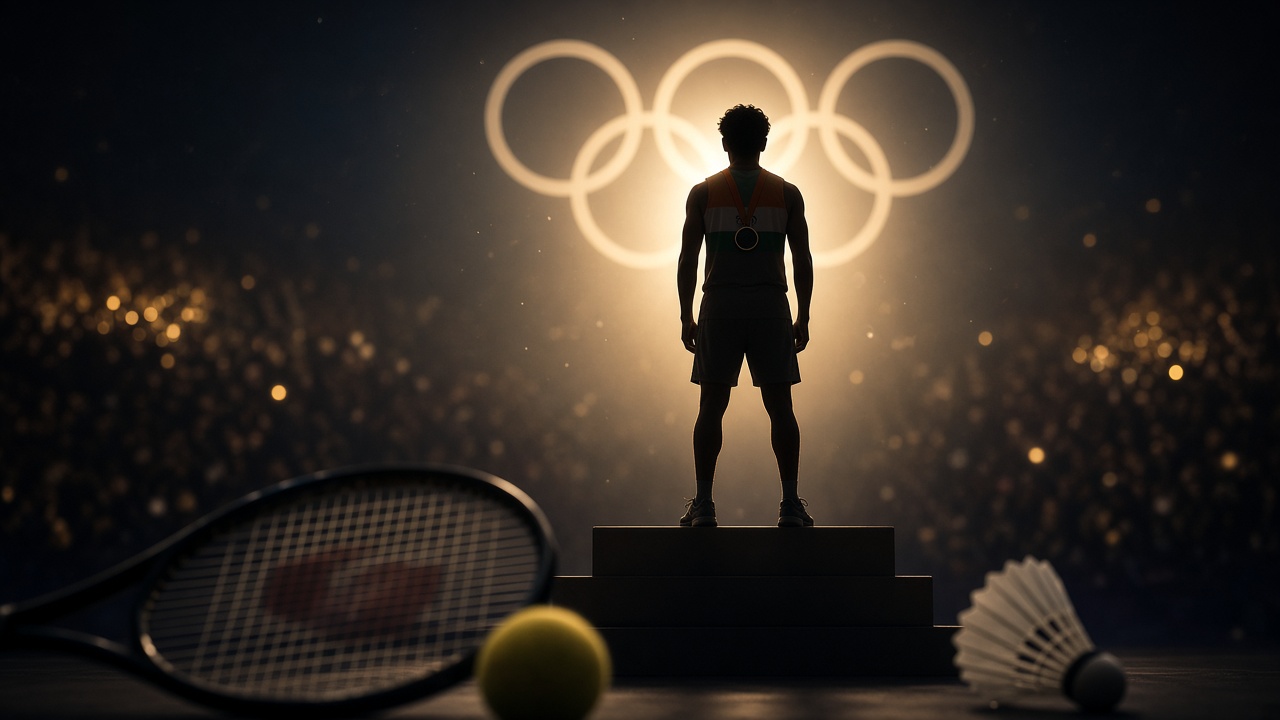
The Olympics turned racket breakthroughs into permanent national memory: Paes’s 1996 tennis bronze; Saina’s 2012 badminton bronze; Sindhu’s 2016 silver and 2020 bronze. These nights proved individual Olympic medals were possible in racket sports — and raised the bar for every Games that followed.
Olympics: where racket stars become national milestones.
1996: Leander Paes — tennis singles bronze.
2012: Saina Nehwal — badminton bronze.
2016 & 2020: P. V. Sindhu — badminton silver, then bronze.
Pressure culture: Olympic cycles organise funding and training calendars.
Systems
Target support: Focused athlete funding around Olympic cycles.
Foreign exposure: Training camps and ranking events abroad.
Mental prep: Pressure management as a trained skill.
Features
Proof points: Medals justify academy investment.
Multi-sport India: Racket medals sit beside wrestling, shooting, athletics.
Unfinished: Tennis singles Olympic medals remain rare after Paes.
🏫 Talent Factories2000s – Present
Academy Boom
Specialised academies remade how India produces racket athletes: boarding, multi-court campuses, video analysis, physio, and full-time coaches. Badminton’s Gopichand-era model and tennis high-performance centres aim to turn one-off stars into pipelines — so excellence is a system, not an accident.
Academy boom: coaching, courts, and careers under one roof.
Residential model: Athletes train, study, and recover on campus.
Badminton hubs: High-performance academies multiply after early successes.
Tennis centres: Private and federation-linked programmes chase juniors’ rankings.
Access debate: Fees and city locations still limit who gets in.
Modern Tools
Multi-court facilities: Volume of practice matches rises.
Sports science: Strength, nutrition, and injury prevention.
Ranking strategy: Tournament calendars planned like campaigns.
Features
Scalable excellence: More players reach international junior levels.
Career ecosystem: Coaches, physios, and stringers as jobs.
Next challenge: Affordable pathways beyond elite fee structures.
Eras Compared
Each era answers a different need: access culture, tennis stardom, badminton mass heroes, Olympic proof, and coaching systems.
Era
Main idea
Strength
Limitation
Club courts
Elite entry culture
Rules, etiquette, early tournaments
Narrow access
Leander/Paes era
Tennis world stage
Olympics & Grand Slam doubles
Thin singles depth
Saina/Sindhu
Badminton heroes
Mass inspiration & medals
Pressure on few stars
Olympics
Podium proof
National memory & funding focus
Cycles are unforgiving
Academy boom
Systems over luck
Pipelines & science
Cost & geography barriers
India Spotlight: Racket Milestones
From club lawns to Olympic nights and academy campuses.
Year / Era
Milestone
Significance
Colonial+
Club courts & gymkhanas
Racket culture begins in India.
1996
Paes Olympic bronze
Tennis medal landmark.
1990s–2000s
Paes–Bhupathi doubles peak
Grand Slam visibility.
2012–2020
Saina & Sindhu Olympic medals
Badminton as national pride.
2000s+
Academy boom
High-performance pathways scale.
Timeline Summary
Year / Era
Milestone
Colonial+
Club courts culture
1990s–2010s
Leander/Paes tennis era
2000s–present
Saina/Sindhu badminton era
1996–present
Olympic racket medals
2000s–present
Academy boom
Test Your Knowledge
10 quick questions from the tennis & badminton timeline. Click each question to reveal the answer.
Answer: Colonial clubs / gymkhanas.
Answer: Atlanta 1996.
Answer: Mahesh Bhupathi.
Answer: Badminton.
Answer: Bronze.
Answer: Silver.
Answer: Full-time coaching campuses with courts, hostels, and sports science (or similar).
Answer: Pullela Gopichand Badminton Academy (or Gopichand academy).
Answer: Both are racket sports that shaped India’s court-to-Olympics story; Saina/Sindhu are part of that arc.
Answer: Cost / fees and geography (city campuses).
Classroom activity
Students Tasks
Use these prompts for discussion or projects on tennis and badminton in India.
HistoryOlympicsGender & sportAcademies
Make a five-panel poster from club courts to the academy boom.
Compare tennis and badminton popularity in India today in a short paragraph.
Profile Leander Paes in 150 words with three career milestones.
Explain why Saina and Sindhu matter for girls in sport.
List India’s key Olympic racket medals and years.
Design a low-cost school racket club using shared courts or halls.
Debate: “Academies create champions” vs “Champions create academies.”
Interview someone who played club tennis or badminton and record five memories.
Research one Indian academy and map its facilities on a poster.
Predict one change racket sports will need by 2040 to stay competitive.
Click any panel to expand and explore the visual mood.
Racket sports in pictures — clubs, Paes, Saina/Sindhu, Olympics, and academies.
Club Courts
Lawn culture
Paes Era
Doubles glory
Saina/Sindhu
Shuttle stars
Olympics
Podium nights
Academies
Talent factories
Through Time
Courts to campuses
Explore all sports timelines
Jump to any other sports timeline on WorldTimelineHub.
Disclaimer: This content is AI-generated for educational purposes and may contain errors or outdated details. For correct and authoritative information, please refer to official and reliable sources such as government publications, manufacturers, museums, and academic references.