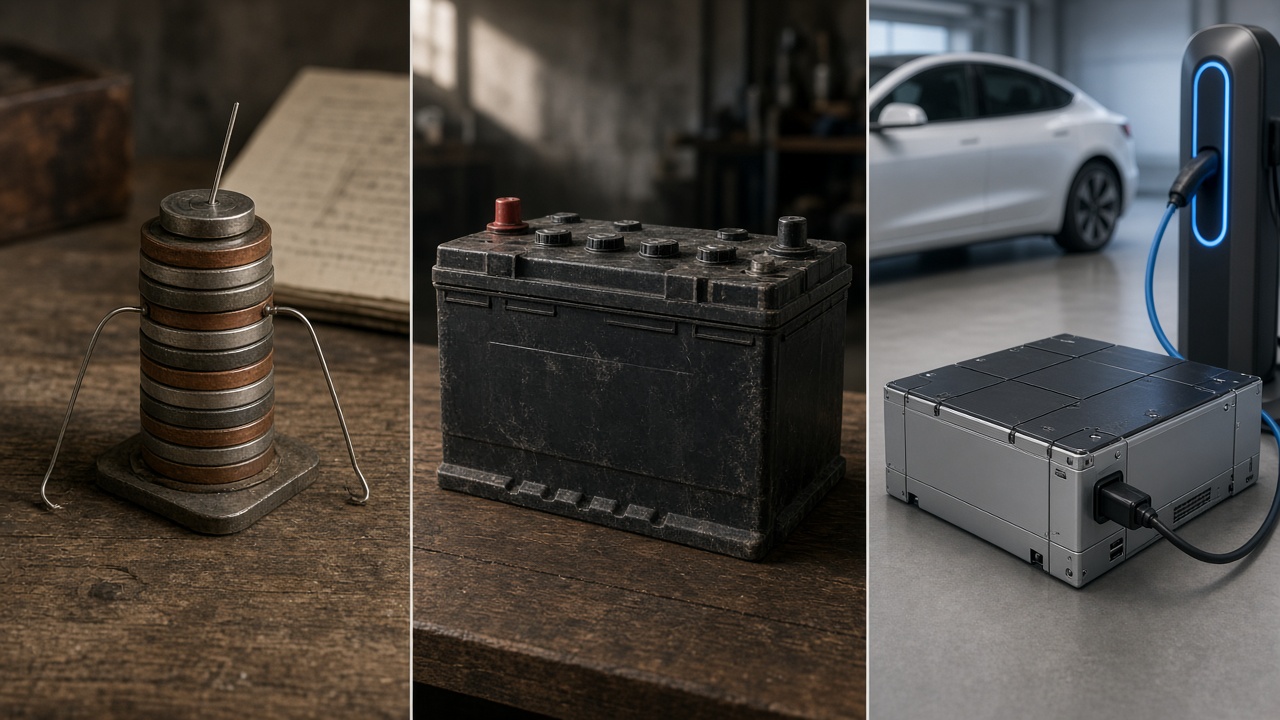
From Volta’s stacked discs to lead-acid starters, pocket dry cells, lithium-ion phones, EV packs, and grid batteries that firm the renewable grid.
1800 -> PresentVolta -> LithiumEVs & Grid
Why Batteries Matter
A battery converts chemical energy into electric current on demand. That simple idea unlocked telegraphs, cars that start on command, radios in backpacks, smartphones that last a day, and electric vehicles that store megawatt-hours on wheels. Energy storage is also how solar and wind keep working after sunset.
This timeline follows the arc from Volta’s pile through lead-acid and dry cells to lithium-ion, EV packs, and grid batteries—with India’s manufacturing and EV push in view.
Big picture
Energy storage evolution in one view
Chemistry scaled from lab stacks to starter batteries, then to pocket cells and finally to packs that move cars and stabilise grids. Density, cycle life, cost, and safety drove each leap.
From stacked discs to packs that power phones, cars, and renewable grids.
First Battery1800 - 1859
Voltaic Pile and Early Cells
Alessandro Volta stacked copper and zinc with moist separators to create a steady current—the voltaic pile. Wet cells soon powered telegraphs and labs, though they leaked, corroded, and needed careful handling.
1800: continuous chemical electricity leaves the electrostatic jar behind.
1800: Volta demonstrates the pile to scientific Europe.
Daniell and other wet cells improve telegraph reliability.
Electrochemistry becomes a practical engineering field.
Technology Used
Metal couples: Copper/zinc (and variants) with electrolyte.
Wet cells: Liquid acid or salt solutions.
Series stacks: Higher voltage by adding discs or cells.
Features
Continuous current: Unlike sparks from Leyden jars.
Bulky & messy: Not yet pocket-friendly.
Primary focus: Mostly single-use or frequently refreshed chemistry.
Rechargeable1859 - 1900
Lead-Acid and Rechargeable Power
Gaston Planté’s 1859 lead-acid cell could be recharged. Refined designs became the workhorse of automobile starters, UPS systems, and backup power—heavy, cheap, and robust under abuse.
Lead-acid: rechargeable chemistry that put reliable starters under the hood.
1859: Planté invents rechargeable lead-acid.
Faure and others raise capacity with pasted plates.
Early electric cars and lighting systems use large banks.
Technology Used
Pb / PbO₂ plates: With sulfuric acid electrolyte.
Chargers: Generators and later rectifiers restore capacity.
SLI batteries: Starting, lighting, ignition in vehicles.
Heavy & lower density: Poor for long-range EVs alone.
Pocket Power1880s - 1970s
Dry Cells and Portable Power
Zinc–carbon dry cells replaced sloshing liquids with paste electrolytes. Flashlights, radios, toys, and later alkaline cells made batteries a household staple. Nickel–cadmium rechargeables powered early cordless tools and gadgets.
Dry cells: power you can put in a pocket, radio, or torch.
Mass retail: Batteries become everyday commodities.
Waste challenge: Disposal and cadmium concerns grow.
High Density1970s - 2000s
Lithium-Ion Revolution
Research into lithium intercalation chemistry (including work recognised by the 2019 Nobel Prize in Chemistry) led to commercial Li-ion cells in 1991. High energy density reshaped laptops, phones, cameras, and eventually EVs.
Li-ion: lighter packs, more watt-hours, and the mobile internet era.
1970s–80s: Foundational Li intercalation research.
1991: Commercial Li-ion cells reach consumers.
BMS (battery management systems) become critical for safety.
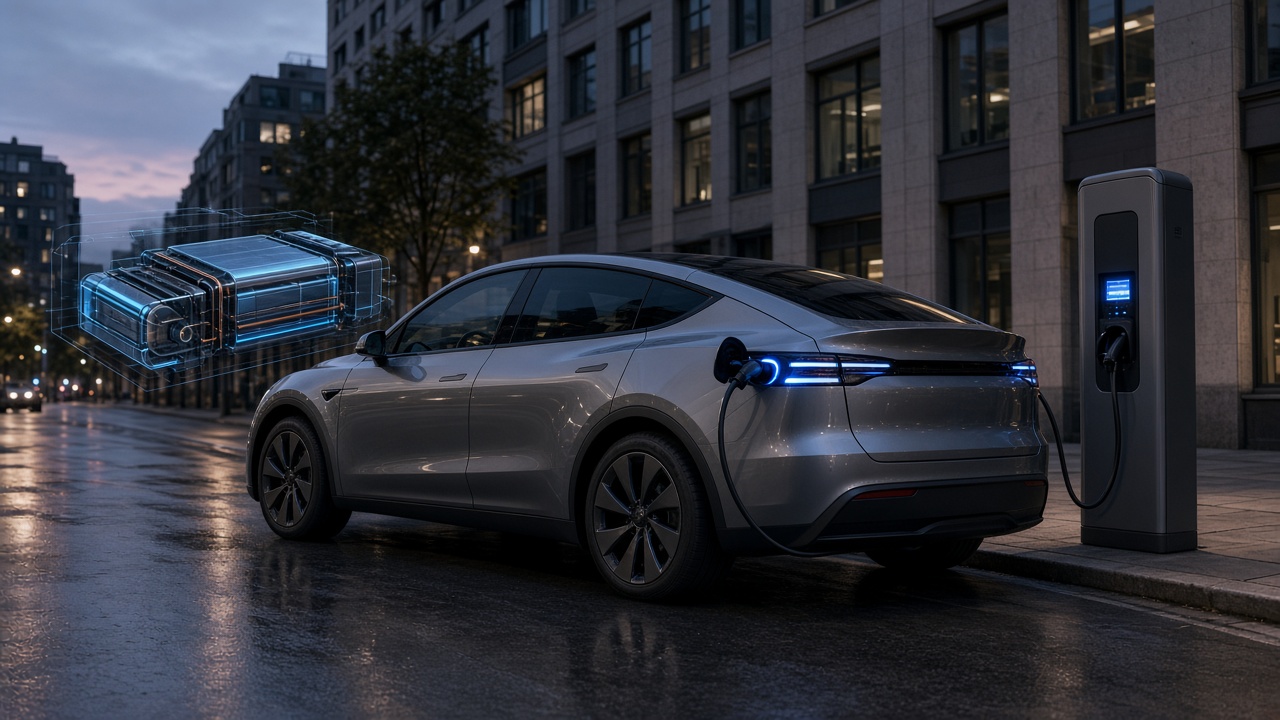
Mass-market electric cars turned batteries into automotive platforms. Pack design, cell chemistry (NMC, LFP, and others), fast charging, and thermal management now define range anxiety debates and industry competition.
EV era: chemistry, cooling, and charging networks decide real-world range.
Modern EV boom scales Li-ion production worldwide.
Fast DC charging and denser packs cut range anxiety.
Two- and three-wheelers electrify rapidly in India and Asia.
BMS + liquid cooling: Balance cells and manage heat.
LFP vs NMC: Cost/safety vs energy-density trade-offs.
Features
V2G potential: Cars as mobile storage for the grid.
Second-life packs: Stationary reuse after automotive duty.
Charging infrastructure: Batteries need sockets at scale.
Utility Scale2010s - Present
Grid Storage and Beyond
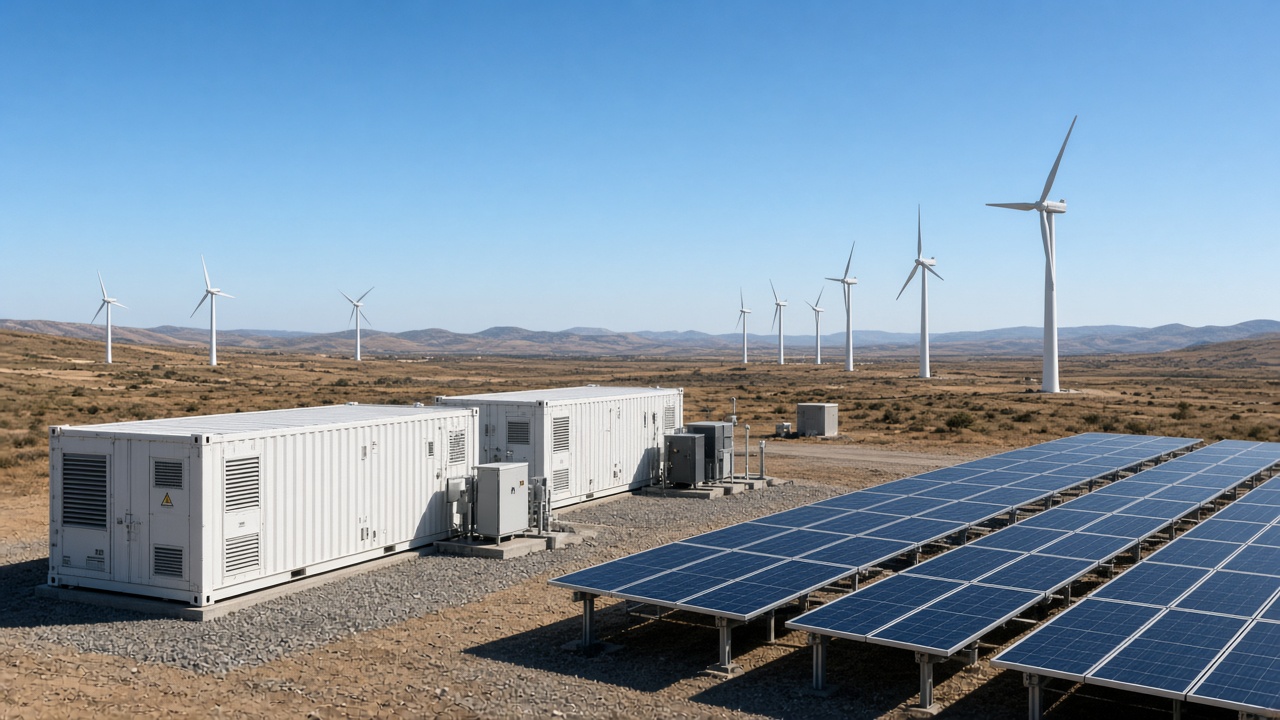
Utility batteries store solar and wind energy, provide frequency response, and defer peaker plants. Flow batteries, sodium-ion, solid-state, and other chemistries compete for longer duration and lower cost alongside Li-ion.
Grid era: containers of cells firm renewables and keep lights stable.
Multi-megawatt battery farms become common on grids.
Policy targets pair renewables with storage mandates.
Recycling and critical-mineral strategies intensify.
EMS software: Dispatch storage with market and grid signals.
Features
Peak shaving: Cut expensive peak demand.
Renewable firming: Shift midday solar to evening.
Safety standards: Fire codes for large installations.
Batteries Timeline Summary
Year / Era
Milestone
Why it matters
1800
Voltaic pile
Continuous chemical current begins.
1859
Lead-acid rechargeable
Cars and backup power gain durable storage.
1880s–70s
Dry & alkaline cells
Portable consumer electronics explode.
1991
Commercial Li-ion
Phones, laptops, then EVs scale.
2008–
EV pack boom
Mobility electrifies at mass scale.
2010s–
Grid BESS
Renewables get firming storage.
Key Historical Events
Event
Year
Significance
Volta demonstrates the pile
1800
Birth of the practical battery.
Planté lead-acid cell
1859
Rechargeable chemistry goes mainstream later.
Dry-cell commercialisation
late 1800s
Portable sealed batteries for consumers.
Alkaline consumer cells
mid-20th c.
Longer life for flashlights and radios.
Li-ion commercial launch
1991
Mobile computing revolution fuel.
Nobel Prize (Li-ion research)
2019
Recognises foundational battery science.
Mass-market EV adoption
2010s–20s
Battery factories become strategic industry.
Utility-scale BESS growth
2010s–20s
Storage joins generation on the grid.
Chemistries at a Glance
Chemistry
Typical use
Strength
Lead-acid
Car starters, UPS
Cheap, high surge, recyclable
Alkaline / Zn-C
Toys, remotes
Inexpensive primary cells
NiMH
Hybrids, rechargeables
Safer than NiCd, moderate density
Li-ion (NMC)
EVs, phones
High energy density
Li-ion (LFP)
EVs, stationary
Safer, longer cycle life, lower cost
Flow / emerging
Long-duration grid
Scalable energy vs power
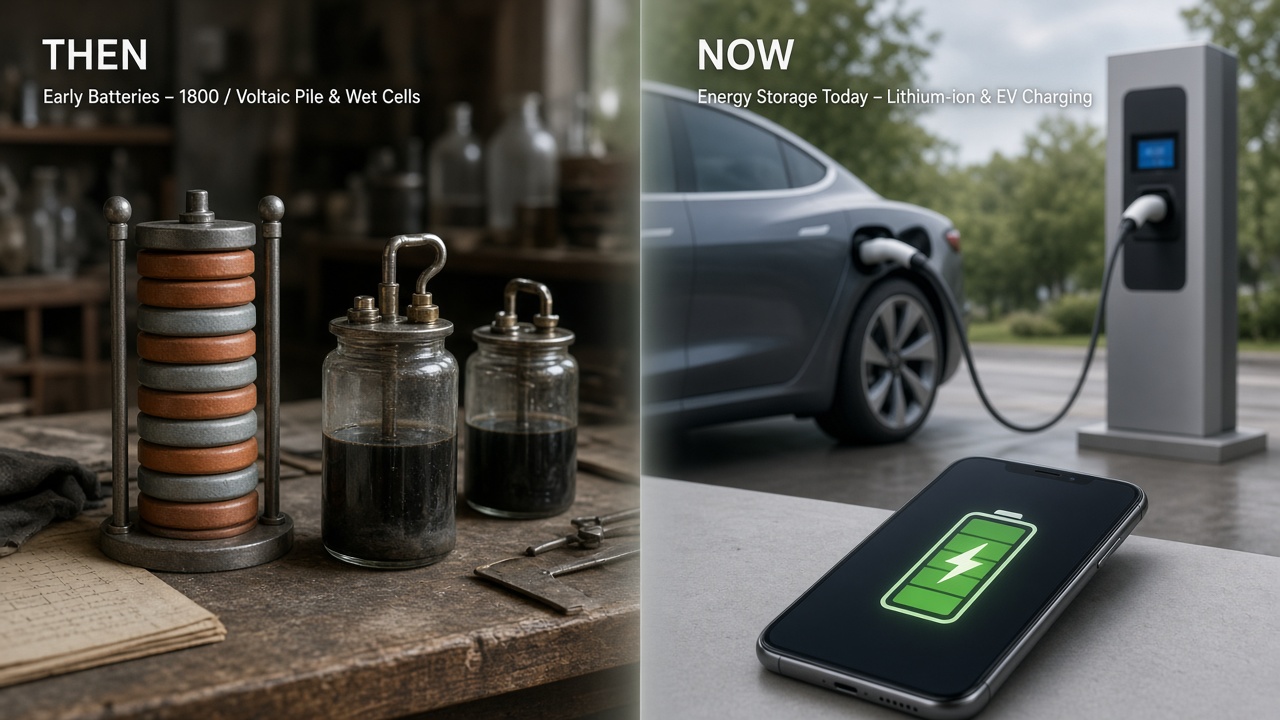
Then vs Now
Lab stacks to packs that move cities—same idea, vastly different density and scale.
Metric
Then (1800s–early 1900s)
Now (2020s)
Form
Wet piles and glass jars
Sealed packs & containers
Recharge
Rare / specialised
Everyday (phones, EVs, grid)
Energy density
Low
Hundreds of Wh/kg (Li-ion class)
Use cases
Labs, telegraph, early lighting
Mobility, gadgets, renewables
Supply chain
Local metals & acid
Global critical minerals + recycling
Future Predictions
2025–2030: Cheaper LFP and sodium-ion for mass EVs and storage.
Late 2020s: Wider solid-state pilots; denser packs with stricter safety codes.
2030s: Closed-loop recycling as a major feedstock for new cells.
Ongoing: Long-duration storage competes with lithium for multi-hour firming.
India spotlight
Batteries & Storage in India
India’s energy transition ties EV adoption, domestic cell manufacturing ambitions, renewable growth, and grid battery projects. Two-wheelers and public charging are early mass markets; giga-scale cell plans aim to cut import dependence.
India spotlight: EVs, cell manufacturing, and renewable-linked storage.
Lead-acid era
Automotive & UPS base
Lead-acid remains widespread for ICE starters, inverters, and backup power.
2010s
Li-ion consumer boom
Phones and laptops normalise rechargeable packs nationwide.
FAME & EV push
Electrified mobility
Incentives accelerate two-/three-wheelers and electric buses.
PLI / ACC
Cell manufacturing goals
Policy aims to build advanced chemistry cell capacity at home.
2020s
Renewables + BESS
Solar/wind growth drives interest in utility storage and hybrid parks.
Localisation: Reduce import dependence for cells and materials.
Charging: Dense urban networks for two-wheelers and cars.
Recycling: Formal e-waste and battery recovery still scaling.
Test Your Knowledge
20 questions on voltaic cells, lead-acid, lithium, EVs, and grid storage. Click to reveal answers.
Answer: Alessandro Volta (around 1800).
Answer: Copper and zinc (with moist separators).
Answer: Gaston Planté (1859).
Answer: Cheap, high surge current for starting, mature recycling.
Answer: Paste electrolyte instead of free liquid.
Answer: 1991 (Sony and related commercial products).
Answer: Energy density (energy per kilogram).
Answer: Monitors/balances cells and helps keep packs safe.
Answer: Lower cost, safety, and long cycle life (vs denser NMC).
Answer: To store enough energy for useful driving range.
Answer: Large battery energy storage systems on the electricity grid.
Answer: Store surplus and discharge when generation is low.
Answer: Uncontrolled heating that can lead to fire in some Li-ion failures.
Answer: Recover metals, cut mining need, and reduce waste.
Answer: Telegraphs, labs, and early electrical experiments.
Answer: Early cordless tools and rechargeable gadgets.
Answer: Vehicle-to-grid — EVs feeding power back to the grid.
Answer: Two- and three-wheelers (plus buses/cars growing).
Answer: Safety and/or energy density by replacing liquid electrolytes.
Answer: From lab piles to dense, managed packs for devices, EVs, and grids.
Classroom activity
Students Tasks
Ten prompts on battery chemistry, EVs, recycling, and India’s storage push.
ChemistryEVsGridIndia
Explain how a voltaic pile produces current in one paragraph.
Compare lead-acid and Li-ion for cars: when is each useful?
Why did dry cells unlock consumer electronics?
Define Wh/kg and why it matters for phones and EVs.
Sketch a simple BMS role for a three-cell pack.
Debate: LFP vs NMC for Indian two-wheelers.
How can grid batteries firm solar after sunset?
Research one battery recycling challenge in India.
Design a poster: from Volta to EV charging.
Propose a school experiment comparing primary vs rechargeable cells (supervised).
Continue exploring
Batteries connect green IT, phones, cars, and power grids. Explore these linked stories next.
Jump to any other technology timeline on WorldTimelineHub.
Disclaimer: This content is AI-generated for educational purposes and may contain errors or outdated details. For correct and authoritative information, please refer to official and reliable sources such as government publications, manufacturers, museums, and academic references.