From pioneering powered flight to passenger jets, hot air balloons, helicopters, fighter jets, and cargo freighters —
air transport reshapes travel, tourism, defence, and logistics across India and the world.
This page maps major air transport types — commercial airliners, hot air balloons, helicopters,
fighter jets, cargo freighters, seaplanes, regional UDAN flights, business aviation, and drones.
Powered flight began with the Wright brothers in 1903. Within decades, aircraft moved mail, people, and goods across nations.
Instruments, radio navigation, pressurized cabins, and jet engines turned aviation from adventure into scheduled public transport —
while India built its own airline and airport systems from the 1930s onward.
Big picture
Air transport in one view
Aviation spans passenger jets, hot air balloons, helicopters, fighter jets, cargo freighters, seaplanes, and drones.
India’s story links airlines, airports, defence aviation, and logistics. Related timelines:
railway,
bus,
water,
drones.
1903
Powered flight
1932
Tata Airlines
1950s
Jet age begins
UDAN
Regional India
Air transport sits alongside rail and road as a pillar of modern mobility and trade.
🛫 Flight Begins1903 – 1930s
Pioneering Flight
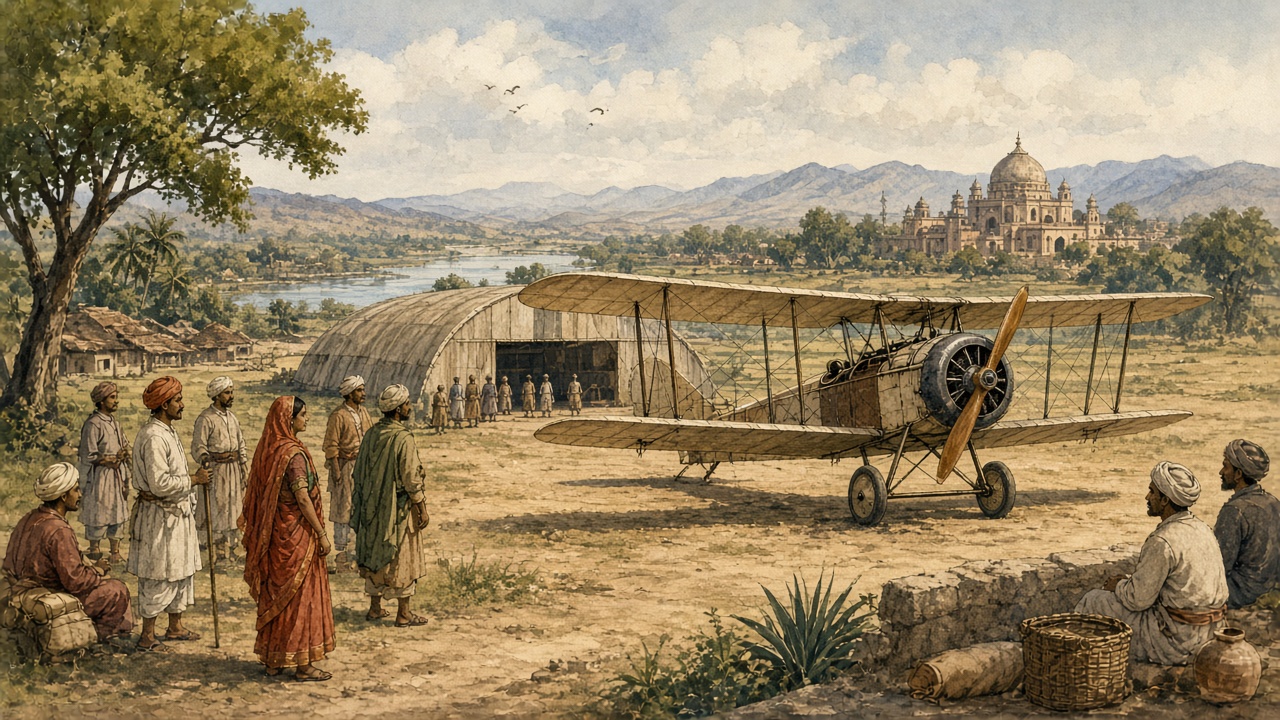
Early powered aircraft proved humans could travel through the air. Mail flights, air shows, and military aviation pushed reliability, navigation, and aircraft design forward.
Pioneer era: biplanes and early airfields turned flight from experiment into possibility.
World War I accelerates aircraft engines, airframes, and pilot training.
Airmail routes prove aviation’s commercial value.
Barnstorming and early passenger hops introduce the public to flying.
Technology Used
Wood-and-fabric airframes: Light structures for early engines.
Open-cockpit biplanes: Dual wings for lift and control.
Basic instruments: Compass, altimeter, and visual navigation.
Features
Short range: Weather and reliability limit schedules.
Specialist skill: Flying is adventurous and highly skilled.
Foundation laid: Airfields and rules begin to form.
✈️ Airlines Take Off1930s – 1950s
Airline and Propeller Age
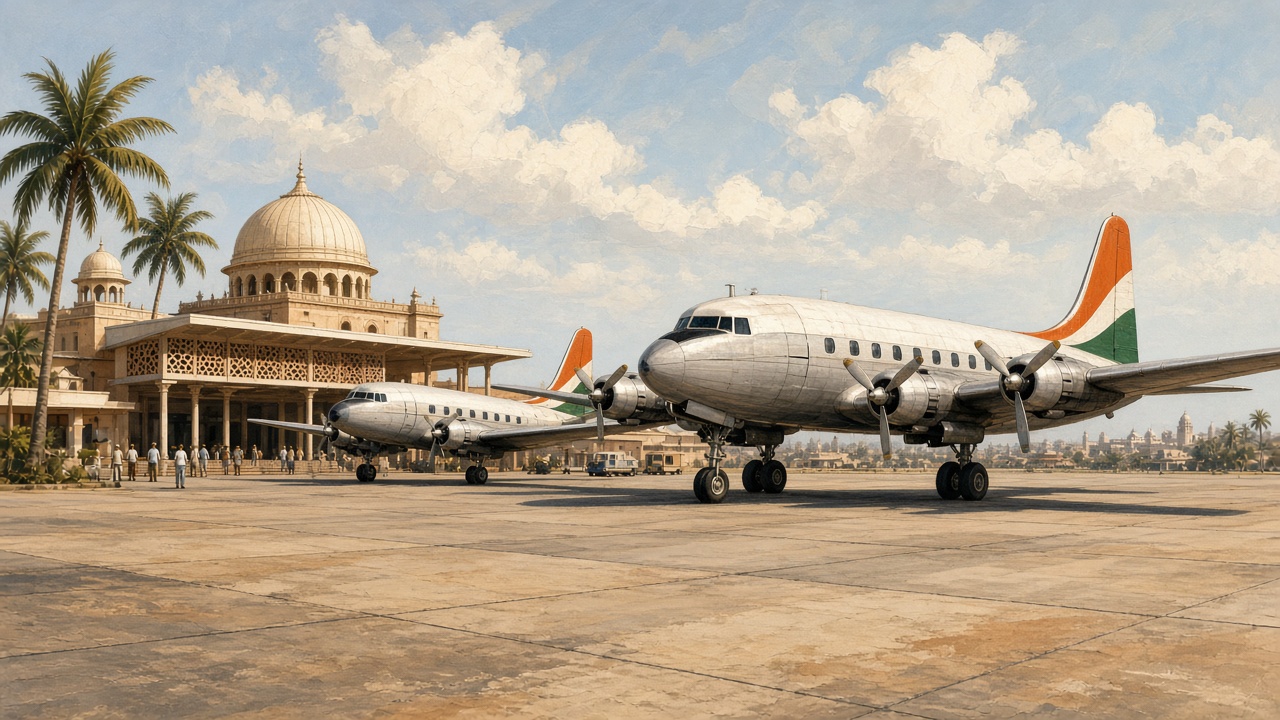
Scheduled airlines, radio navigation, and multi-engine propeller airliners make passenger aviation a real transport industry. In India, Tata Airlines (1932) begins the national commercial story.
Propeller-to-jet transition: airliners turn aviation into scheduled mass transport.
1932: Tata Airlines starts operations in India.
DC-3 era aircraft become workhorses for passengers and cargo.
Air traffic control and radio beacons improve safety.
Multi-engine props: Better payload and redundancy.
Radio navigation: Night and weather flying improve.
Enclosed cabins: Passenger comfort rises versus open cockpits.
Features
Scheduled routes: Timetables connect cities and colonies.
Mail + passengers: Dual revenue keeps early airlines viable.
Still slow vs jets: Long journeys remain multi-leg adventures.
🚀 Speed Goes Global1950s – 1980s
Jet Age Expansion
Jet airliners slash travel times and unlock mass international tourism. Airports grow into complex terminals with runways, radar, and ground systems supporting high-frequency operations.
Jet age: faster aircraft and larger terminals remake long-distance travel.
Boeing 707 / early jetliners launch the commercial jet age.
Widebodies later raise capacity on long-haul routes.
Air India becomes a global flag carrier identity for India.
National airport authorities expand civil aviation infrastructure.
Technology Used
Turbojet / turbofan engines: Higher speed and cruise efficiency.
Radar ATC: Safer management of denser air traffic.
Features
Intercontinental reach: Cities become hours apart, not weeks.
Mass tourism: Holidays and business trips scale globally.
Infrastructure race: Terminals and runways must keep up.
🌐 Networks Open Up1980s – 2005
Hubs and Liberalization
Hub-and-spoke networks, computer reservation systems, and airline liberalization reshape competition. India opens civil aviation gradually, creating room for private airlines alongside public carriers.
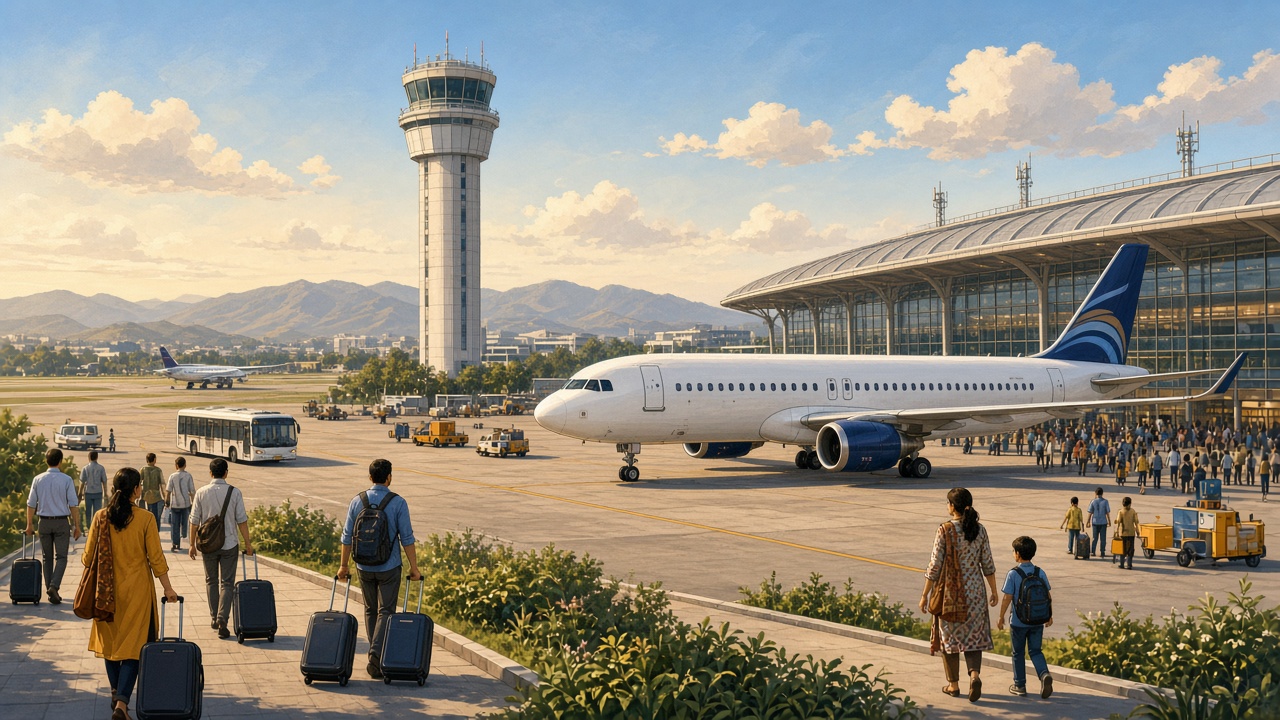
Hub era: Indian airports and airlines expand into larger national and global networks.
CRS / GDS systems digitize bookings and alliances.
Open-skies trends grow international traffic.
India’s private airlines emerge in the 1990s liberalization wave.
AAI strengthens airport and ANS (air navigation services) roles.
Technology Used
Computer reservations: Global inventory and ticketing.
Glass cockpits: Digital flight decks improve situational awareness.
Modern ATC systems: Higher traffic density with safer separation.
Features
Connecting flights: Hubs link smaller cities to the world.
More competition: Fares and service options diversify.
Capacity pressure: Slot and runway constraints appear at big airports.
💸 Flying for Everyone2005 – 2018
Low-Cost and Regional Boom
Low-cost carriers democratize flying. In India, rapid passenger growth, metro airports, and later the UDAN regional scheme expand access far beyond a few metro pairs.
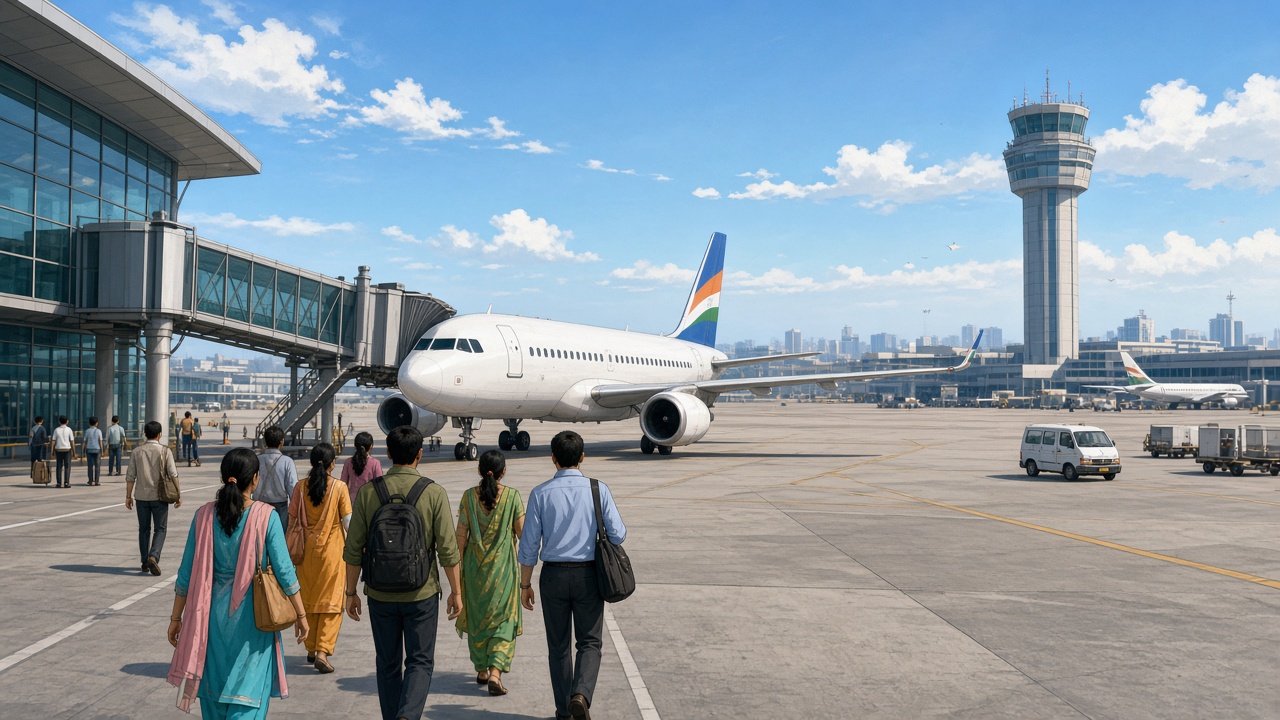
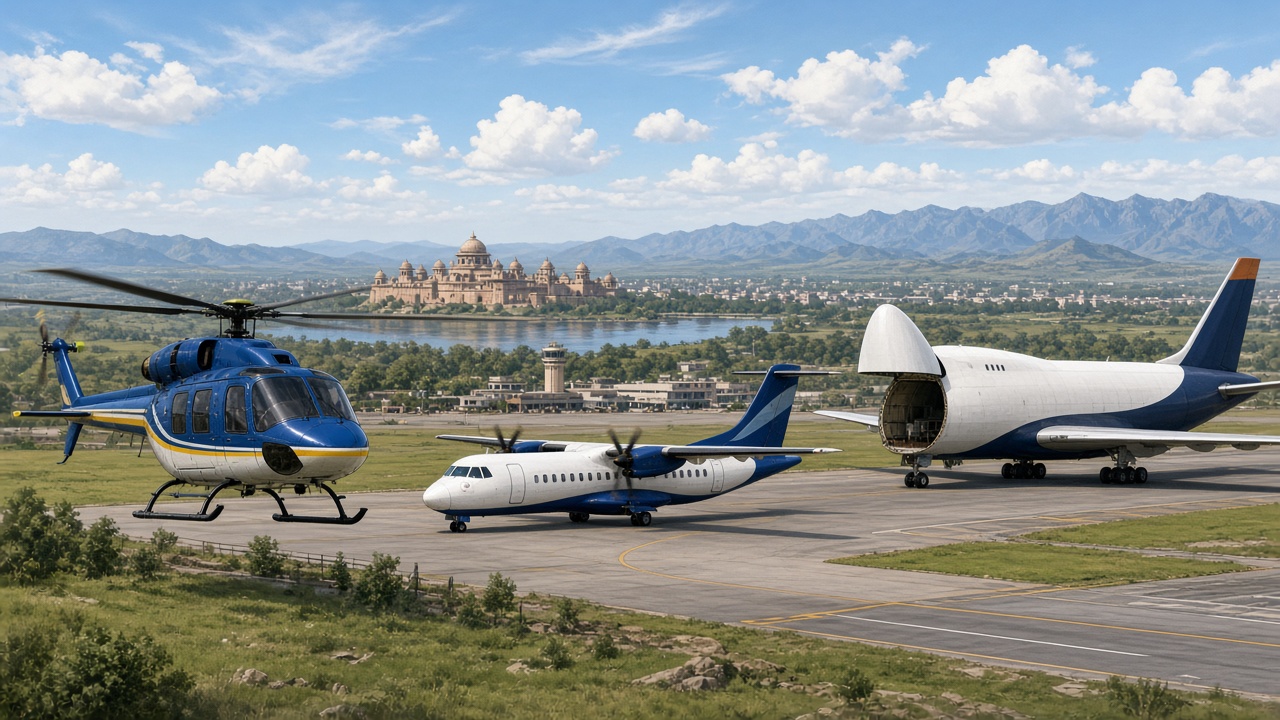
Regional boom: jets, turboprops, helicopters, and freighters serve different mobility needs.
LCCs popularize no-frills ticket pricing and high aircraft utilization.
Metro airport modernization and private operators expand capacity.
Biometric travel, larger terminals, sustainable aviation fuels, drones, and electric/hybrid aircraft experiments define the next chapter — while India scales airports, regional routes, and regulated drone ecosystems.
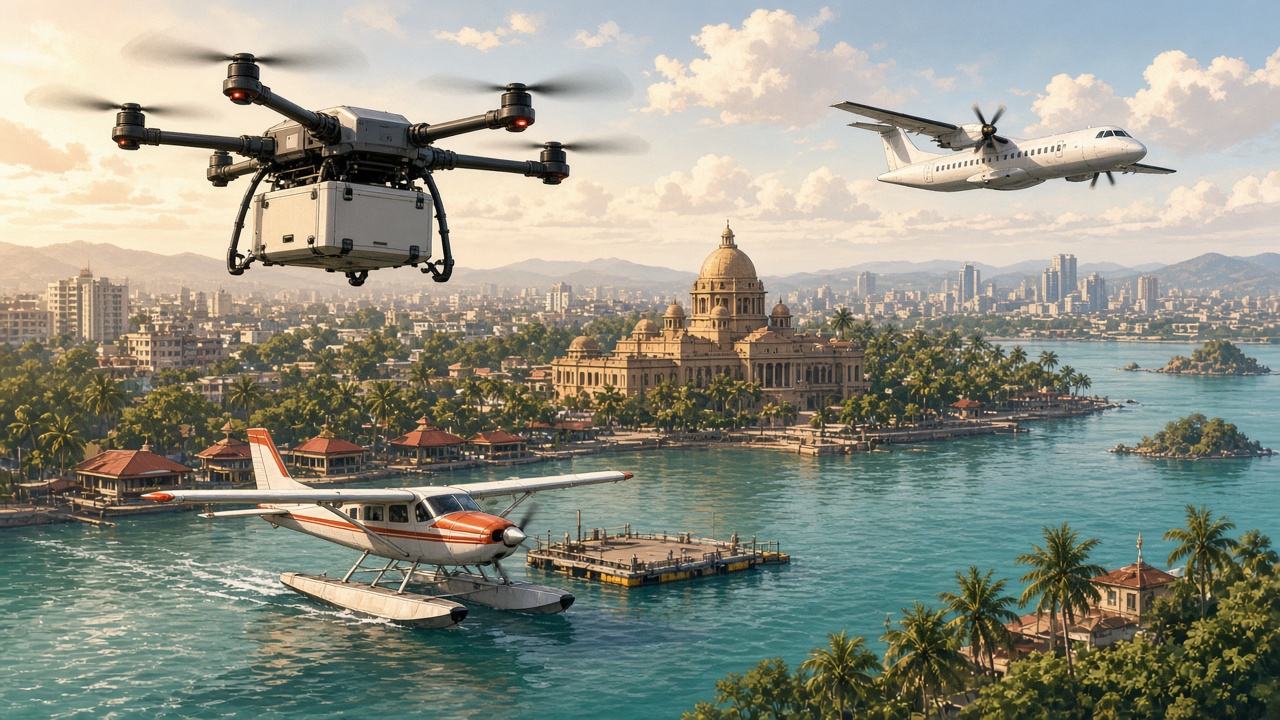
Future skies: drones, seaplanes, and cleaner aircraft expand what “air transport” means.
New greenfield airports and terminal expansions raise capacity.
Drone rules enable logistics trials, mapping, and inspection services.
Sustainable aviation and next-gen propulsion enter policy and airline planning.
Technology Used
Biometrics & apps: Faster identity and boarding flows.
UAS / drones: Beyond-visual-line-of-sight trials under regulation.
SAF & hybrid concepts: Pathways to lower aviation emissions.
Features
Passenger convenience: Contactless journeys and real-time updates.
Multimodal air systems: Airlines + helis + drones + cargo.
Safety oversight: Regulators balance innovation with airspace safety.
🎈 Lighter Than AirTourism & sport
Hot Air Balloons
Hot air balloons are among the oldest practical flying craft. Heated air inside the envelope becomes lighter than cool outside air, lifting the basket. Today they are mainly used for tourism, festivals, and sport — not scheduled transport.
Balloon flights in India: sunrise tourism over scenic landscapes such as Rajasthan and hill regions.
Montgolfier-era balloons pioneered human flight before powered aircraft.
Modern envelopes use strong nylon fabrics and propane burners.
India hosts balloon tourism (e.g., scenic sunrise rides) and festival displays.
Pilots use wind layers to steer; landings need open safe fields.
Technology Used
Envelope + burner: Heat air to create lift.
Wicker / composite baskets: Carry passengers and fuel cylinders.
Weather briefings: Calm mornings are preferred for safe flights.
Features
Slow scenic flight: Ideal for tourism, not speed travel.
Wind-dependent: Cannot fly like a powered airplane on a fixed schedule.
Low infrastructure: Needs launch field and chase crew more than a runway.
🚁 Vertical FlightVTOL mobility
Helicopters
Helicopters take off and land vertically, hover in place, and reach hills, offshore platforms, and tight landing zones where fixed-wing jets cannot operate. In India they support pilgrimage, tourism, emergency medical services, offshore oil, and VIP links.
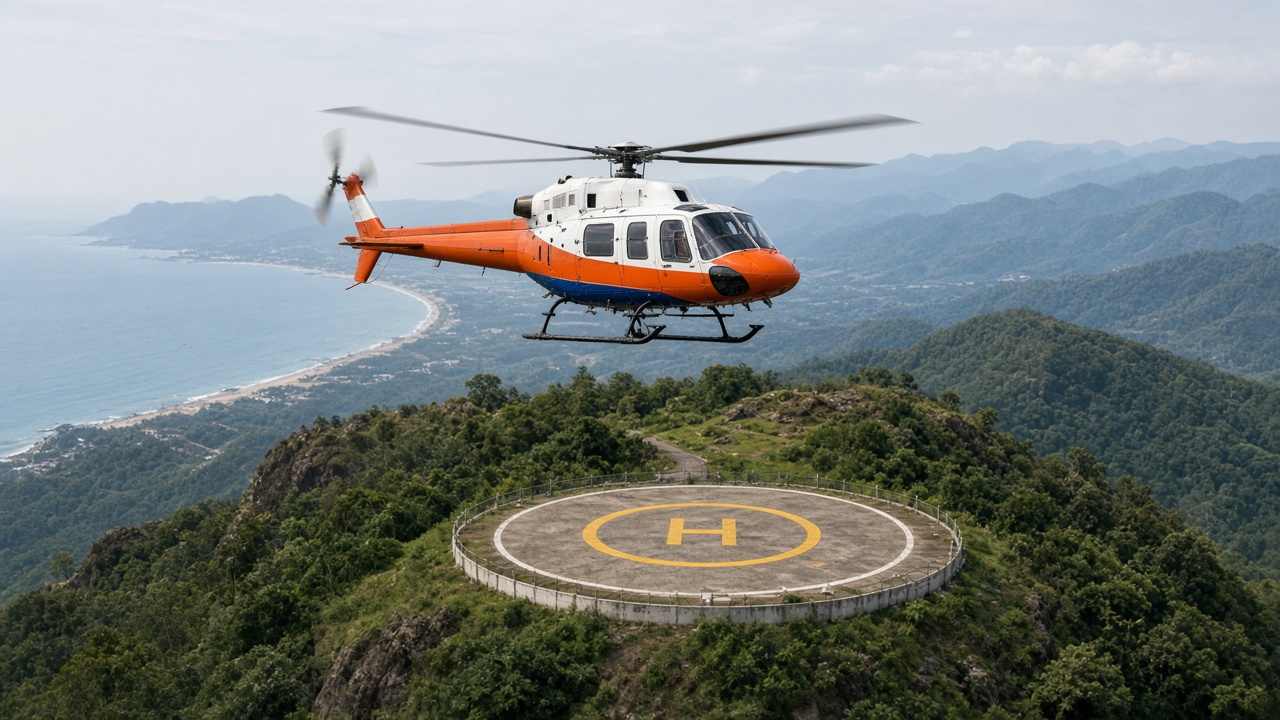
Helicopter services: VTOL access for hills, offshore work, pilgrimage, and rescue missions.
Rotors provide both lift and directional control.
Pawan Hans and private operators serve civil helicopter routes in India.
Military and paramilitary helicopters support defence, disaster, and HADR roles.
Helipads need far less space than airport runways.
Technology Used
Main rotor + tail rotor (or coaxial/fenestron designs): Lift, thrust, and anti-torque.
Turboshaft engines: High power for hover and climb.
Avionics for mountain/offshore ops: Weather radar, GPS, and safety systems.
Features
VTOL flexibility: Land where roads and runways fail.
Hover capability: Rescue, survey, and precise placement.
Higher operating cost: Complex machines with specialized crews.
⚔️ High-Performance CombatDefence aviation
Fighter Jets
Fighter jets are military combat aircraft built for speed, agility, and air defence. They protect national airspace, train pilots for high-performance flight, and operate from airbases with specialized runways, radar, and support fleets — distinct from civilian passenger airlines.
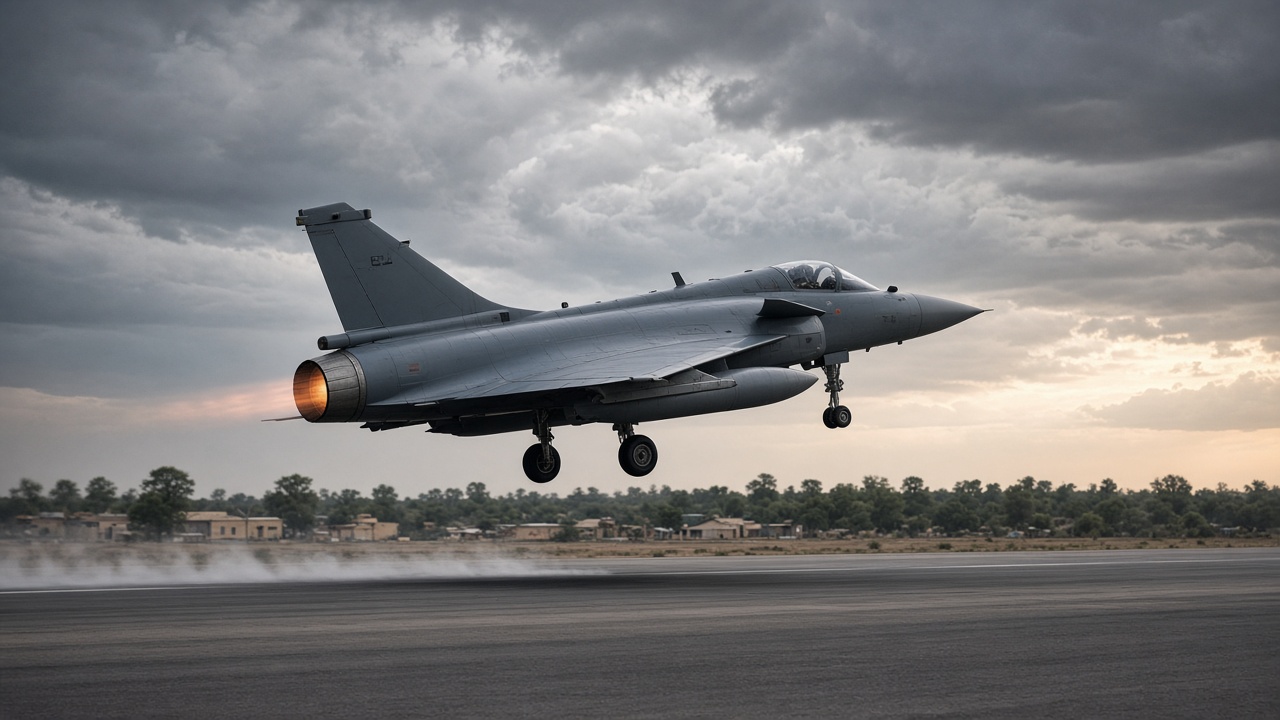
Fighter aviation: high-speed combat jets form a core of India’s air defence capability.
Jet fighters evolved from WWII combat planes into multi-role modern jets.
Indian Air Force and naval aviation operate fighters for air defence and deterrence.
Training aircraft and simulators prepare pilots for extreme performance envelopes.
Airbases, radars, and tankers support long-range and quick-reaction missions.
Technology Used
Afterburning turbofan/turbojet engines: Extreme thrust for climb and dash speed.
Radar & avionics suites: Detect, track, and manage complex missions.
Fly-by-wire & advanced materials: Agility with structural strength.
Features
Speed & climb: Reach targets and altitudes quickly.
Defence role: Protects skies rather than carrying tourists or mail.
Specialized support: Needs dedicated bases, weapons systems, and crews.
📦 Goods by AirAir logistics
Cargo Aircraft (Freighters)
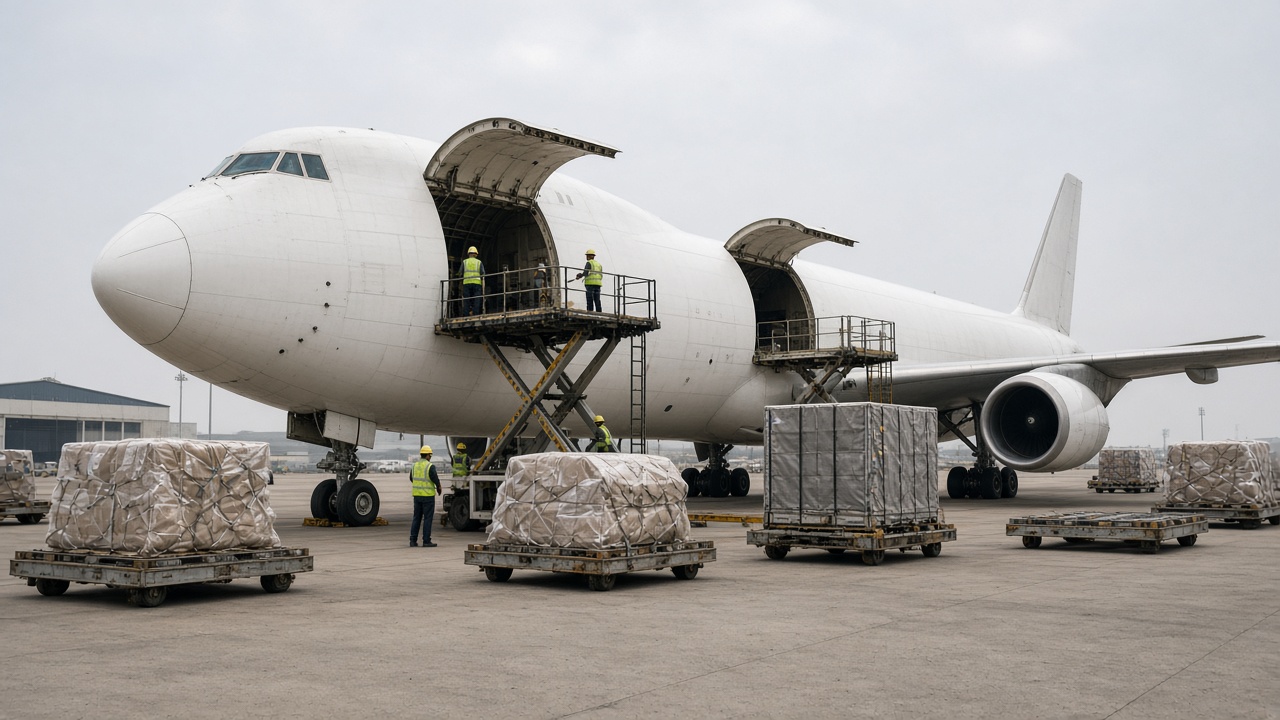
Cargo freighters are aircraft designed or converted mainly to carry freight. Large doors, strong floors, and pallet systems move pharma, electronics, perishables, and express parcels. Passenger jets also carry “belly cargo,” but freighters specialize in high-volume or oversized loads.
Freighter ops: nose/side cargo doors and pallet loaders move high-value goods through Indian cargo hubs.
Dedicated freighters vs passenger-to-freighter (P2F) conversions.
Indian airports expand cargo terminals for e-commerce and exports.
Cold-chain freighters protect vaccines, seafood, and flowers.
Express integrators combine freighters with trucks for door-to-door speed.
Technology Used
Main-deck cargo doors: Load bulky pallets and ULDs.
Reinforced floors & roller systems: Move heavy freight safely.
Cargo management systems: Track weight, balance, and temperature.
Features
Speed for high-value goods: Faster than sea for urgent freight.
Global supply chains: Links factories, hubs, and customers overnight.
Higher cost per kg: Best for time-sensitive or valuable cargo.
All Types of Air Transport Systems in India
India’s air transport ecosystem includes passenger airlines, hot air balloon tourism, helicopters, fighter and other military aircraft,
cargo freighters, seaplanes, business aviation, training aircraft, and drones — supervised mainly by DGCA (civil) with airport infrastructure led by AAI and private operators, and defence aviation under the armed forces.
India’s skies: airlines, balloons, helicopters, fighters, freighters, regional flights, and new aerial mobility.
System type
What it covers
India examples / notes
Scheduled commercial airlines
Regular passenger flights on published timetables
Air India, IndiGo, and other scheduled carriers
Hot air balloons
Tourism and sport balloon flights
Sunrise scenic rides and festival flying (weather-dependent)
Helicopters
VTOL passenger, offshore, pilgrimage, EMS, VIP
Pawan Hans and private helicopter operators
Fighter jets / combat aircraft
Air defence and military high-performance flight
IAF and naval aviation combat fleets
Cargo freighters
Dedicated freighter aircraft for goods
Express logistics, pharma, e-commerce uplift
Belly cargo (passenger jets)
Freight in lower holds of airliners
Complements freighter capacity on busy routes
Regional connectivity (UDAN)
Affordable flights to smaller cities/towns
UDAN routes, regional airports, VGF support
Airports & terminals
Runways, terminals, ground handling
AAI airports + private/PPP metro airports
Air Navigation Services (ANS)
ATC, airspace management, navigation aids
AAI ANS keeps en-route and terminal airspace safe
Seaplane / water aerodromes
Takeoff/landing on water
Coastal and island connectivity experiments
Business / charter aviation
Non-scheduled corporate and charter flights
Business jets, air taxis, charter operators
General aviation & training
Flying clubs, pilot training, light aircraft
FTOs and aero clubs
Drone / UAS systems
Survey, inspection, agriculture, logistics
DGCA drone rules, Digital Sky ecosystem
Regulation & safety oversight
Licensing, safety, operations approvals
DGCA (civil), BCAS (security), AAI (infra/ANS)
India Spotlight: Aviation Milestones
Year / Era
Milestone
Significance
1932
Tata Airlines begins
Foundation of India’s commercial airline industry.
1940s–50s
Air India identity grows
National flag carrier era and international presence.
Mass-market flying and modern terminals accelerate.
2016+
UDAN regional scheme
Smaller cities join the air map.
2020s
Drone rules & airport expansion
New aerial logistics + capacity for passenger growth.
Air Transport Timeline Summary
Year / Era
Milestone
1903
Powered controlled flight demonstrated
1910s–20s
Airmail and early passenger services
1932
Tata Airlines starts in India
1950s–60s
Commercial jet age transforms long-haul travel
1980s–90s
Hubs, CRS, and liberalization reshape markets
2000s
Low-cost carriers expand mass flying
2016+
UDAN connects India’s regional towns by air
Hot air balloons
Tourism and sport balloon flying expands
Helicopters
VTOL services for hills, offshore, EMS, pilgrimage
Fighter jets
High-performance defence aviation fleets
Cargo freighters
Dedicated air freight for global logistics
2020s
Smart airports, drones, and greener aviation plans
Test Your Knowledge
20 quick questions from the air transport timeline and Indian air systems. Click each question to reveal the answer.
Answer: The Wright brothers.
Answer: 1932.
Answer: Air India.
Answer: Airports Authority of India.
Answer: Directorate General of Civil Aviation.
Answer: India’s regional connectivity scheme for affordable flights to smaller cities.
Answer: Heated air inside the envelope becomes lighter than cooler outside air.
Answer: Pawan Hans (among others).
Answer: Military air defence / combat and high-performance defence missions.
Answer: An aircraft built or converted mainly to carry freight (often with large cargo doors).
Answer: Jet engines made long-distance travel much faster.
Answer: They can hover and land vertically without long runways.
Answer: Freight carried in the lower hold of passenger aircraft.
Answer: No — mainly tourism, festivals, and sport flying.
Answer: Non-scheduled corporate/charter flying, often with business jets.
Answer: They enable passenger/cargo flow, safety, and national connectivity.
Answer: They can carry larger / dedicated freight volumes and oversized loads.
Answer: DGCA.
Answer: The Indian Air Force (and naval aviation where applicable).
Answer: From passenger jets and hubs to balloons, helicopters, fighter jets, freighters, regional flights, and drones — each serving different jobs in the sky.
Classroom activity
Students Tasks
Use these prompts for discussion or projects on global aviation and India’s air transport systems.
Timeline understandingIndia air systemsTechnology comparisonFuture prediction
Compare a hot air balloon, a helicopter, a fighter jet, and a cargo freighter in purpose and design.
Explain why the Wright brothers’ 1903 flight mattered beyond a single experiment.
Compare propeller airliners and jet airliners in speed, range, and passenger experience.
Write a short note on Tata Airlines / Air India’s importance to Indian aviation.
List five different air transport systems in India and one use for each.
How does UDAN change access to flying for smaller cities?
Differentiate AAI and DGCA roles in simple language.
Why are helicopters useful even when jets exist?
Describe one benefit and one challenge of cargo freighters for e-commerce.
Predict one air transport technology India will use widely by 2035 and justify it.
Continue exploring
Air, rail, and road together shape India’s mobility map. Explore the other transport timelines next.
Click any panel to expand and explore the visual mood.
Air types in pictures — pioneering flight, balloons, helicopters, fighter jets, cargo freighters, and modern hubs.
Pioneering Flight
From experiment to airfields
Hot Air Balloons
Tourism and sport in the sky
Helicopters
VTOL for hills and rescue
Fighter Jets
High-speed defence aviation
Cargo Freighters
Goods moving by air
Modern Hubs
Terminals and global networks
Explore all transport timelines
Jump to any other transport timeline on WorldTimelineHub.
Disclaimer: This content is AI-generated for educational purposes and may contain errors or outdated details. For correct and authoritative information, please refer to official and reliable sources such as government publications, manufacturers, museums, and academic references.