From classic Ambassadors to modern sedans, hatchbacks, SUVs, sports cars, MUVs, luxury cars, and electric vehicles —
car body types shape how Indian families, fleets, and enthusiasts move.
This timeline focuses on car types — sedans, hatchbacks, SUVs & crossovers, sports cars, MUVs/MPVs,
luxury cars, and EVs — with India-focused examples and data.
Sedans · HatchbacksSUVs · SportsMUV · Luxury · EV
Car Body Types
Cars come in different body styles for different needs. Sedans offer a separate trunk and formal look; hatchbacks maximize city practicality;
SUVs and crossovers add height and presence; sports cars chase performance; MUVs carry families; luxury cars add comfort and status;
and electric cars change how we fuel and drive. Related: auto transport timeline.
Big picture
Car types in one view
India’s car mix moved from classic sedans to hatchbacks, then diversified into modern sedans, SUVs, sports niches,
people-carrier MUVs, luxury brands, and EVs. Related timelines:
auto,
two-wheeler,
bus.
Sedan
Trunk & comfort
SUV
Height & space
Sports
Performance
EV
Electric cars
India’s car story today: hatchbacks, sedans, and especially SUVs dominate many family choices.
🚘 Three-Box Icons1950s – 1990
Classic Sedans
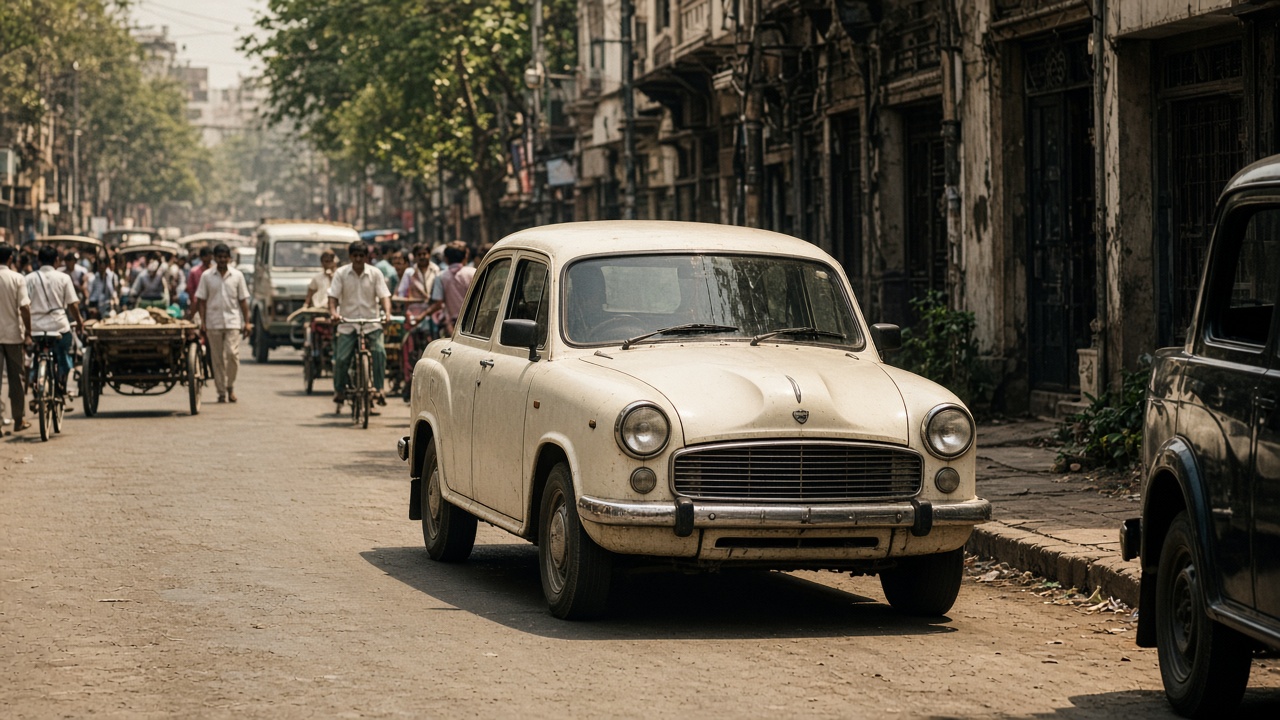
A sedan (saloon) has a three-box layout: engine, cabin, and separate trunk. In India, Ambassador and Premier/Fiat sedans defined roads and taxis for decades — rugged, spacious, and easy to repair.
Classic sedan era: Ambassador-style saloons became national and taxi icons.
Three-box sedans offer a closed boot separate from passengers.
Hindustan Ambassador and Premier Padmini shaped Indian sedan culture.
Long waiting lists and few model choices marked the controlled market.
Local workshops kept classics running for decades.
Technology Used
Body-on-frame / rugged chassis: Built for uneven Indian roads.
Carbureted petrol engines: Simple to service locally.
Spacious rear seats: Ideal for family and taxi use.
Features
Formal look: Separate trunk and upright cabin.
Durability: Designed for long service life.
Low variety: Few competitors before liberalization.
🐣 City Compact1983 – 2010
Hatchbacks
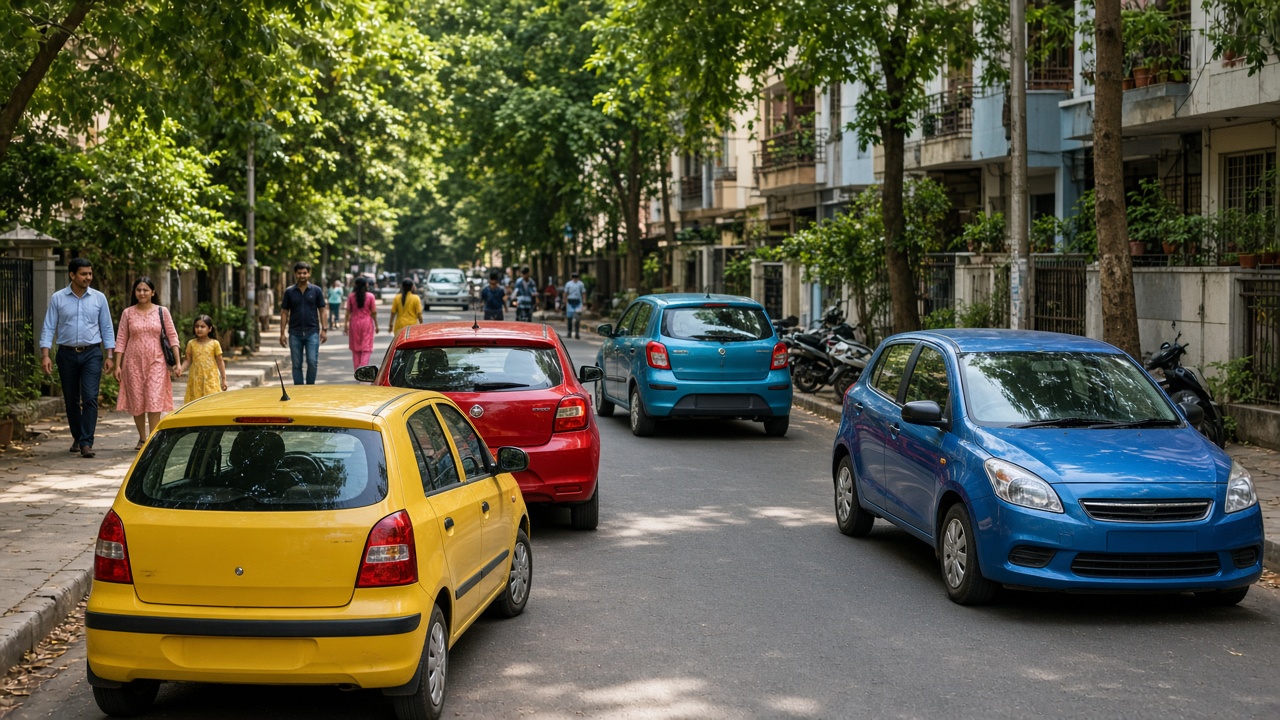
Hatchbacks combine cabin and cargo with a rear hatch door. Maruti-era small hatchbacks made car ownership reachable for millions — efficient, easy to park, and perfect for Indian cities.
Hatchback era: compact cars become the everyday family starter vehicle.
Maruti 800 era launches mass hatchback mobility (1983+).
Small footprint suits crowded streets and tight parking.
Later hatchbacks add power steering, AC, and better safety.
Still a core segment for first-time Indian car buyers.
Technology Used
Lightweight monocoque bodies: Efficiency and lower cost.
Small petrol engines: Strong mileage for daily commuting.
Folding rear seats: Flexible cargo when needed.
Features
Affordable entry: Lowest cost path into car ownership.
City agility: Easy to drive and park.
Practical cargo: Hatch opens into a useful boot.
🛣️ Highway Comfort2000 – Present
Modern Sedans
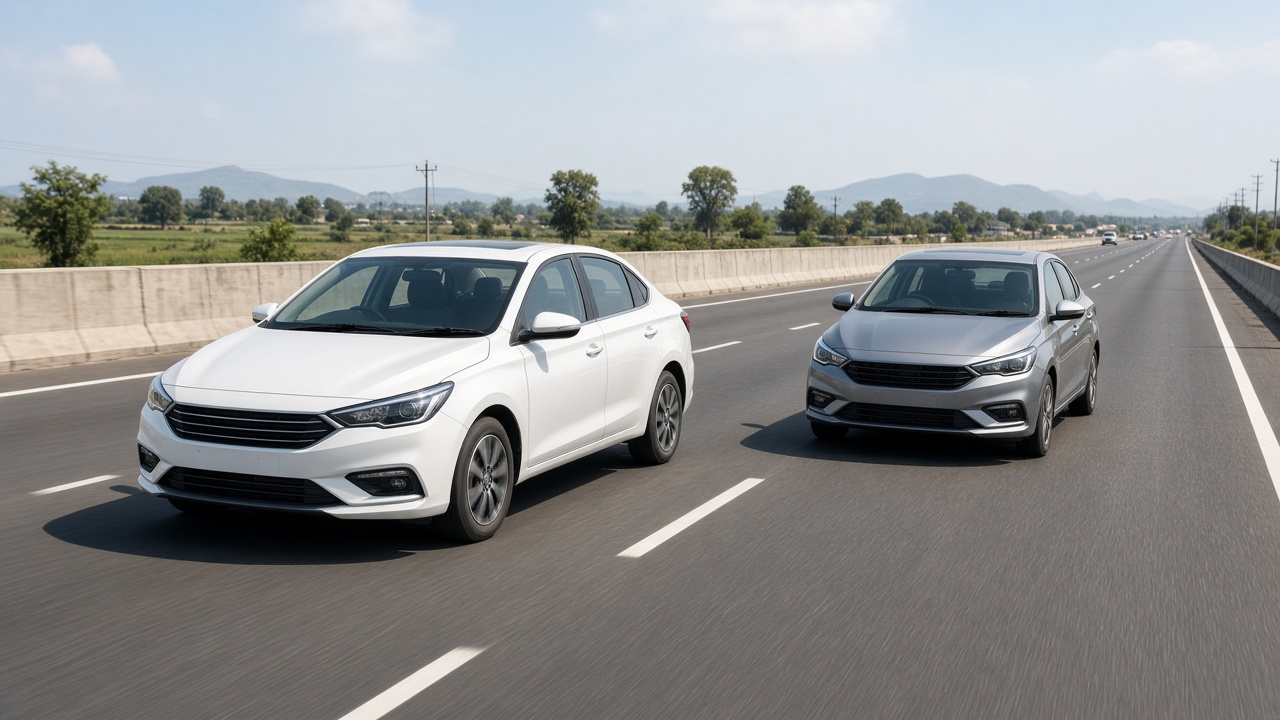
Post-liberalization sedans brought global design, better engines, and highway comfort. Compact and mid-size sedans remain popular for executives, taxis in some cities, and families who prefer a traditional three-box look.
Modern sedan era: refined highway cars with better safety and features.
Global brands expand sedan choice after the 1990s.
Fuel injection, ABS, and airbags become more common.
Compact sedans balance boot space with city usability.
Competition from SUVs later reduces sedan share in some segments.
Technology Used
MPI / direct injection engines: Cleaner, stronger performance.
ABS, airbags, ESC: Rising safety baselines.
Automatic gearboxes: Easier city and highway driving.
Features
Quiet highway ride: Comfortable for long trips.
Secure boot: Separate trunk for luggage.
Executive image: Still preferred in many fleets.
🏔️ Tall & Capable2005 – Present
SUVs and Crossovers
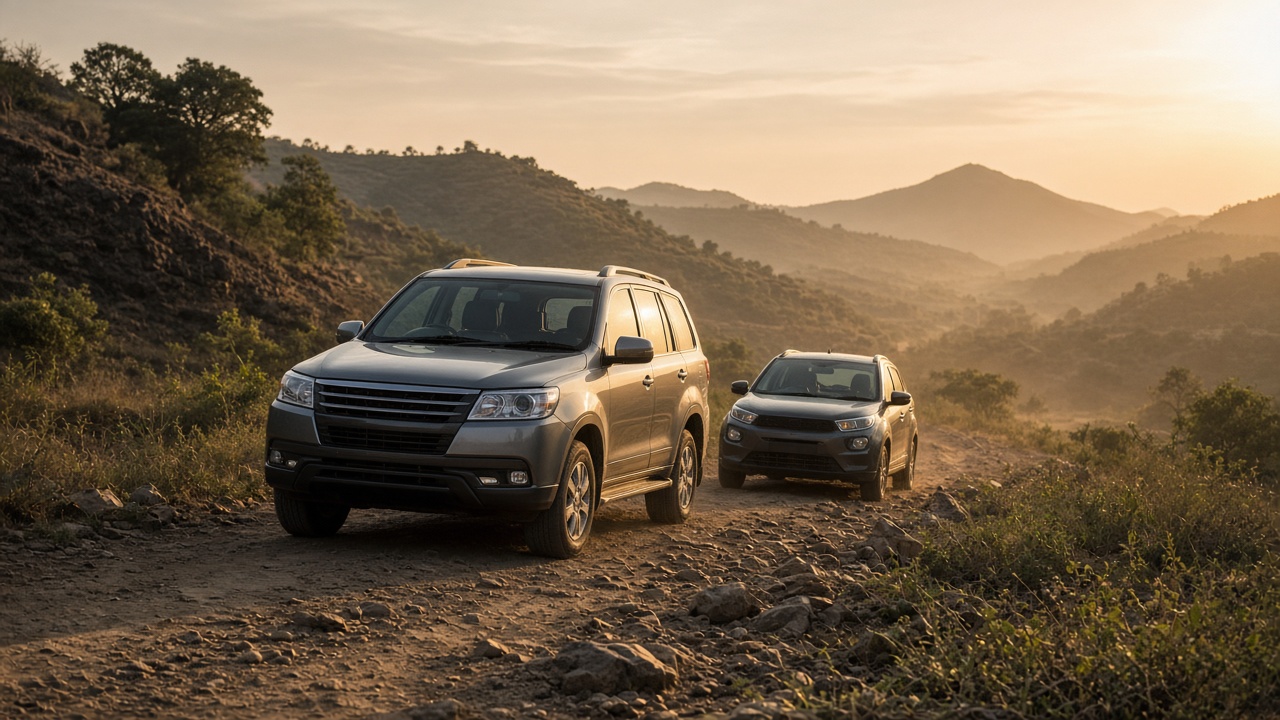
SUVs (Sport Utility Vehicles) sit higher with bold styling and family space. Crossovers blend car-like ride with SUV looks. In India, compact SUVs became one of the fastest-growing and most loved segments.
SUV era: higher seating and rough-road confidence win Indian families.
Mahindra, Tata, Hyundai, Kia, and others fuel SUV demand.
Compact SUVs fit city streets better than full-size off-roaders.
Higher ground clearance helps on broken roads and monsoon floods.
Crossovers offer SUV style with car-like efficiency.
Technology Used
Higher ride height: Clearance for rough surfaces.
Optional AWD / 4x4: Extra traction where needed.
Turbo petrol / diesel options: Torque for hills and highway overtakes.
Features
Command seating: Better road view for drivers.
Family space: Cabin and boot for weekend trips.
Status & safety feel: Strong buyer preference in India.
🏎️ Thrill MachinesPerformance niche
Sports Cars
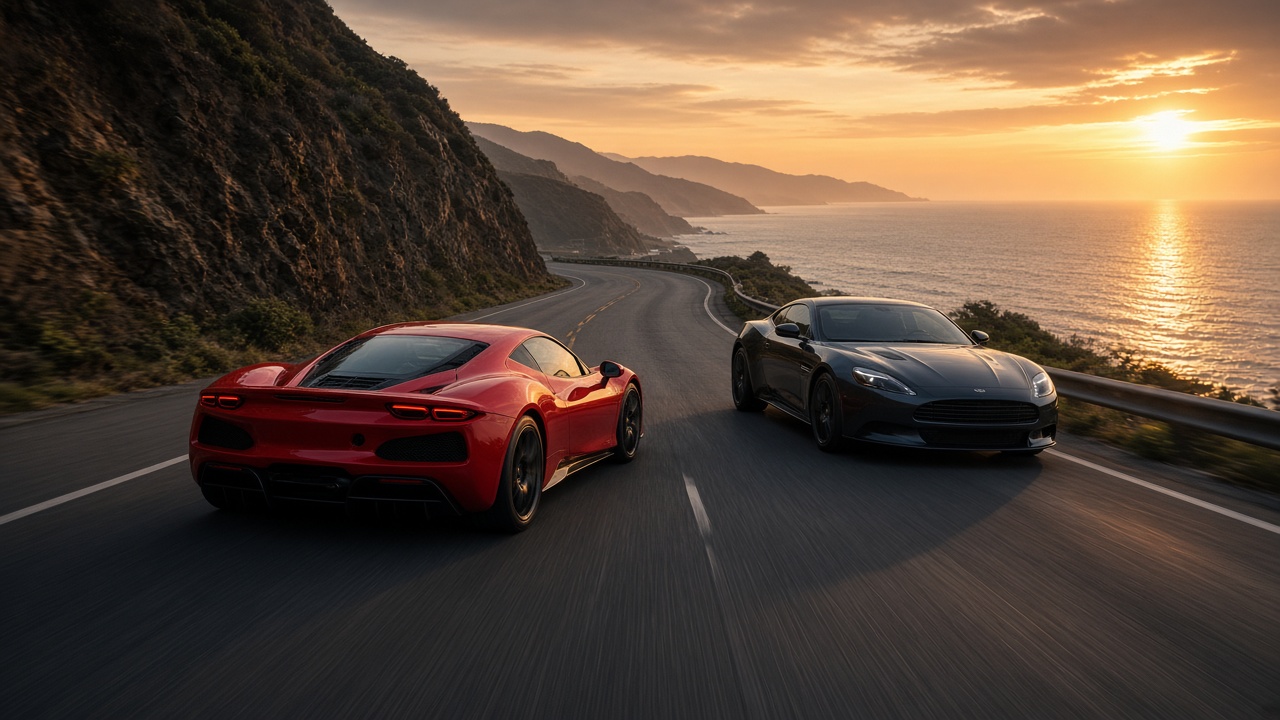
Sports cars prioritize speed, handling, and style — often two-door coupes or convertibles with powerful engines and low seating. In India they remain a smaller, enthusiast and luxury niche compared with hatchbacks and SUVs.
Sports car niche: performance and design for enthusiasts and premium buyers.
Focus on acceleration, cornering, and aerodynamic styling.
Includes coupes, roadsters, and high-performance versions of regular models.
Track days and car clubs grow enthusiast culture in metros.
Higher cost, insurance, and road conditions limit mass ownership.
Technology Used
High power-to-weight engines: Strong acceleration.
Sport suspensions & low profiles: Sharper handling.
Advanced brakes & electronics: Control at high speeds.
Features
Driving emotion: Built for thrill more than utility.
Limited practicality: Less space than sedans/SUVs.
Statement design: Strong visual identity.
👨👩👧👦 Space, Prestige & Power2010 – Present
MUVs, Luxury Cars and Electric Cars
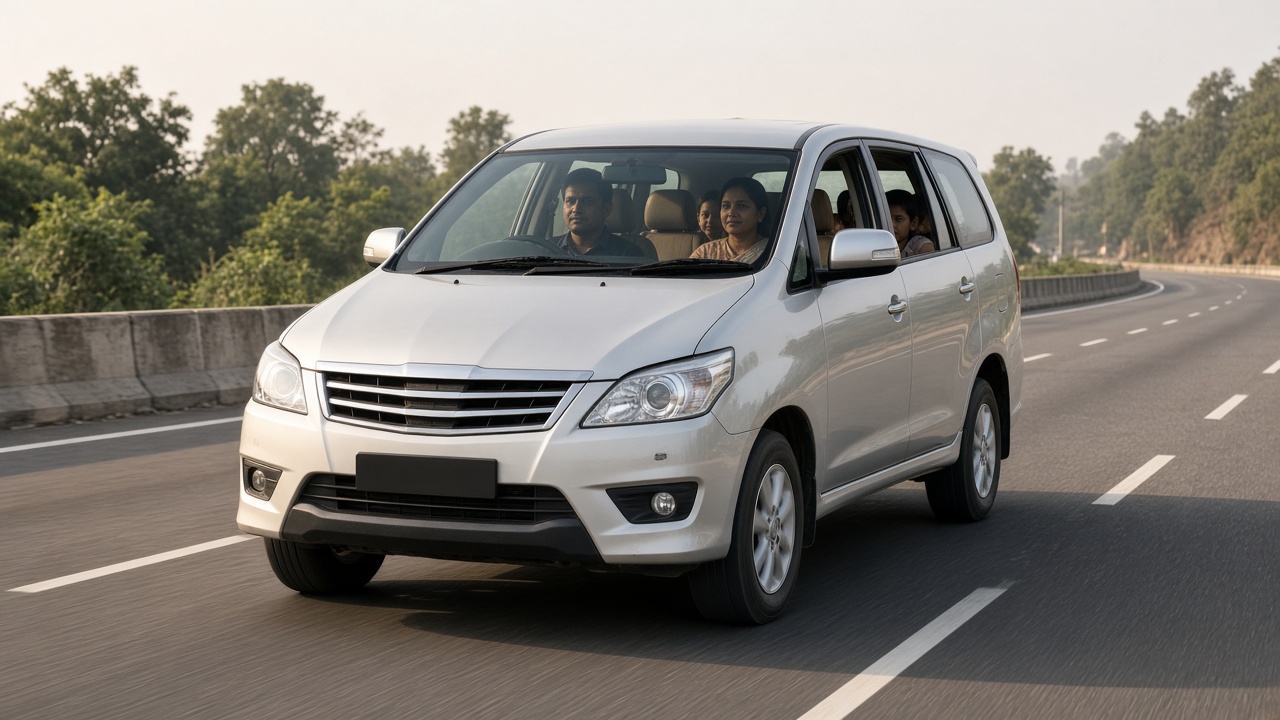
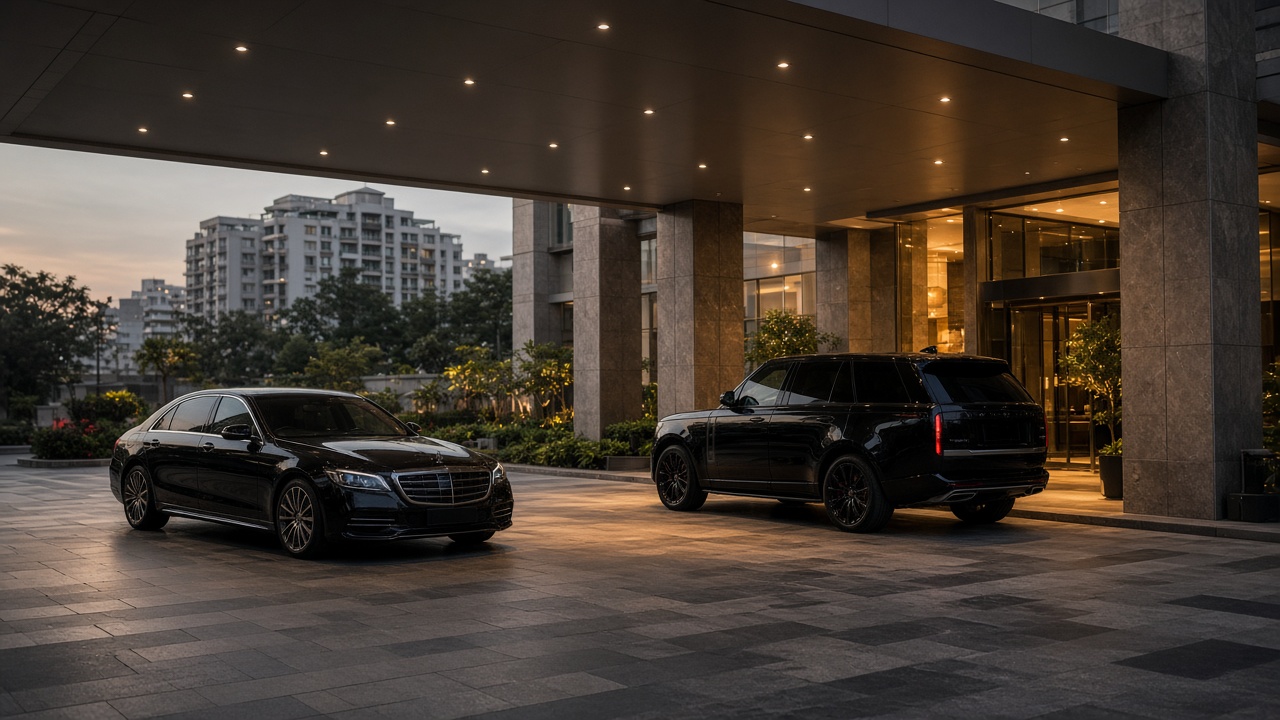
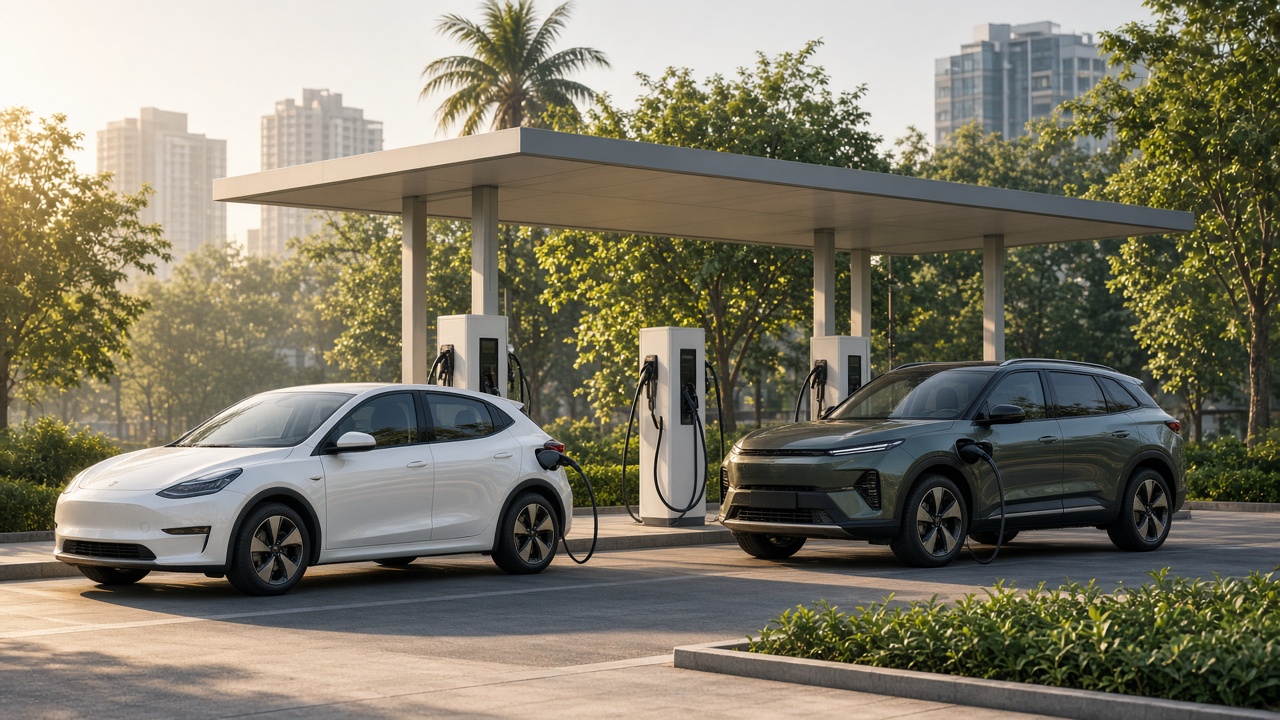
MUVs/MPVs carry big families and fleets. Luxury sedans and SUVs bring premium comfort. Electric cars — hatchbacks, sedans, and SUVs — lead a quieter, cleaner chapter of Indian car transport.
MUV era: multi-purpose people carriers for families, taxis, and staff transport.Luxury segment: premium sedans and SUVs for comfort, tech, and status.EV era: battery cars enter hatchback, sedan, and SUV body styles.
MUVs: Flexible seating for 6–8 and high fleet utility (e.g., Innova-class).
Luxury cars: Premium materials, ADAS features, and brand prestige.
Electric cars: Instant torque, lower running cost, home/office charging.
Policy support (FAME/state EV schemes) accelerates cleaner car adoption.
Click any panel to expand and explore the visual mood.
Car types in pictures — classic sedans, hatchbacks, modern sedans, SUVs, sports cars, and electric futures.
Classic Sedans
Ambassador-era icons
Hatchbacks
City compact cars
Modern Sedans
Highway comfort
SUVs
Tall family favourites
Sports Cars
Performance and style
Electric Cars
Battery-powered future
Explore all transport timelines
Jump to any other transport timeline on WorldTimelineHub.
Disclaimer: This content is AI-generated for educational purposes and may contain errors or outdated details. For correct and authoritative information, please refer to official and reliable sources such as government publications, manufacturers, museums, and academic references.