From early velocipedes to India’s sturdy roadsters, school cycles, sports bikes, city bike lanes, and electric cycles —
bicycles remain one of the most affordable and sustainable ways people move.
This timeline focuses on cycle systems in India — classic roadsters, rural utility riding, everyday commuting,
sports cycling, public bike sharing, and the e-cycle transition.
The bicycle evolved from early push machines and velocipedes into the chain-driven safety bicycle that defined modern cycling.
In India, cycles became everyday tools — for school, work, village markets, milk delivery, and later sports, tourism, and green city mobility.
Big picture
Cycle evolution in one view
Cycles moved from novelty machines to mass personal transport. India’s story runs through tough roadsters, school and rural riding,
sports MTBs, city bike-sharing, and electric assist. Related timelines:
railway,
bus,
auto,
air.
1810s
Early machines
1900s
Indian roadsters
1970s
Everyday culture
Now
E-cycle rise
India’s cycle story: from sturdy roadsters to school rides, sports bikes, and electric mobility.
🛞 Wheels Begin1810s – 1900
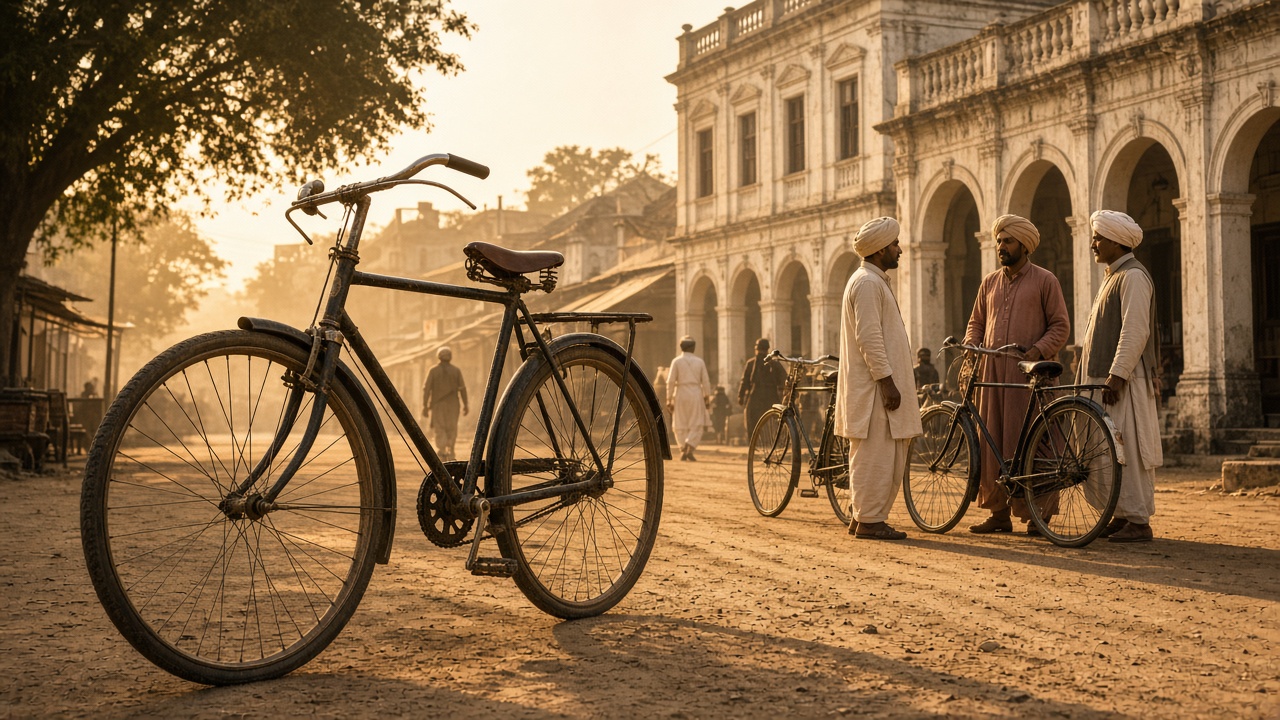
Early Cycles
Push machines and velocipedes evolve into the chain-driven safety bicycle. Cycles reach Indian towns as modern personal transport alongside carts and carriages.
Early cycle era: safety bicycles enter Indian towns as a new form of personal mobility.
1817 era: Early draisine / running machine ideas appear in Europe.
Velocipedes and high-wheel designs experiment with balance and speed.
The safety bicycle (chain drive, equal wheels) becomes the modern template.
Cycles begin appearing in Indian cities and cantonment towns.
Technology Used
Chain drive: Efficient power from pedals to rear wheel.
Pneumatic tires: Smoother rides on rough surfaces.
Diamond frame: Strong, light geometry for everyday riding.
Features
Human-powered mobility: No fuel needed for short trips.
Personal freedom: Travel beyond walking distance without a horse or carriage.
Growing workshops: Local repair skills begin to form.
🇮🇳 Steel Roadsters1900 – 1970
Indian Roadster Era
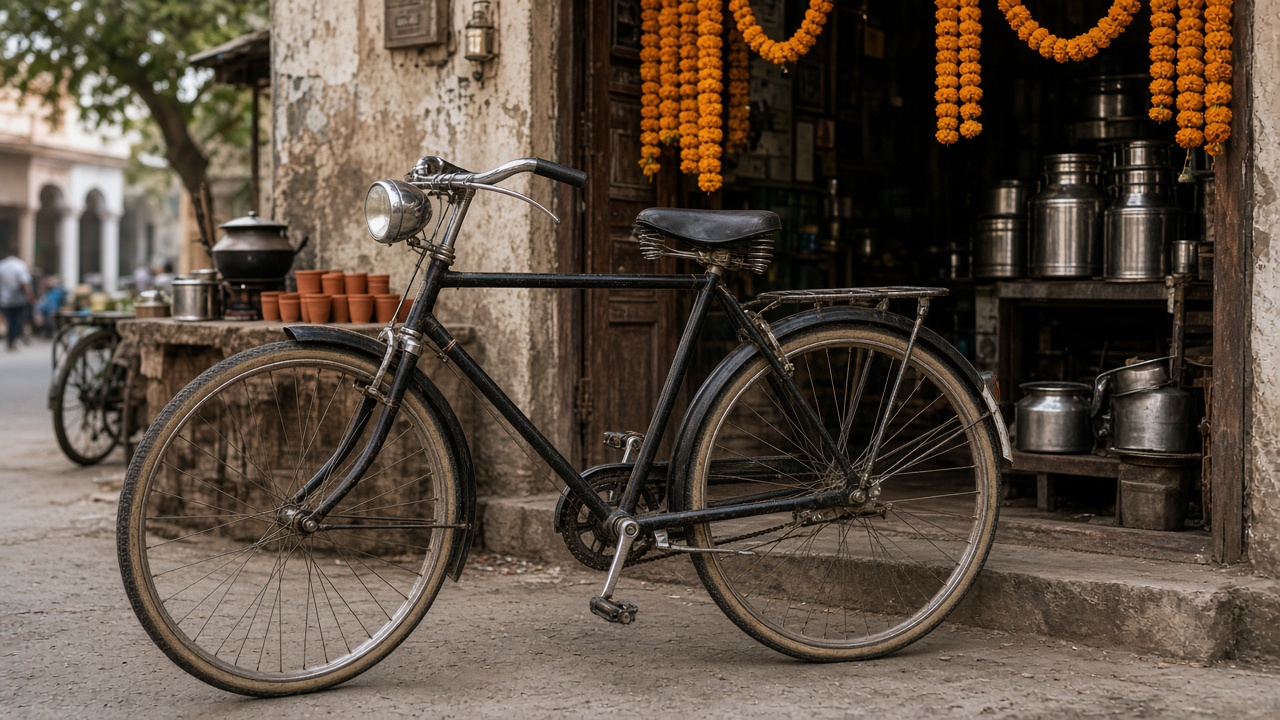
Heavy, reliable steel roadsters become India’s signature cycles. Brands associated with Atlas, Hercules, BSA and similar models serve offices, traders, and long-life utility riding.
Roadster era: tough black steel cycles with carriers become everyday Indian workhorses.
Upright roadsters dominate Indian streets and village roads.
Rear carriers haul bags, milk cans, tools, and market goods.
Local cycle shops repair frames, hubs, chains, and tires for decades.
Cycles remain far more common than cars for ordinary households.
Technology Used
Heavy steel frames: Built for durability and load carrying.
Rod / drum brakes: Simple systems easy to service locally.
Single-speed drivetrains: Reliable for flat roads and short hills.
Features
Long lifespan: One cycle can serve a family for many years.
Utility first: Designed for work and commuting, not racing.
Low running cost: Pedal power keeps travel affordable.
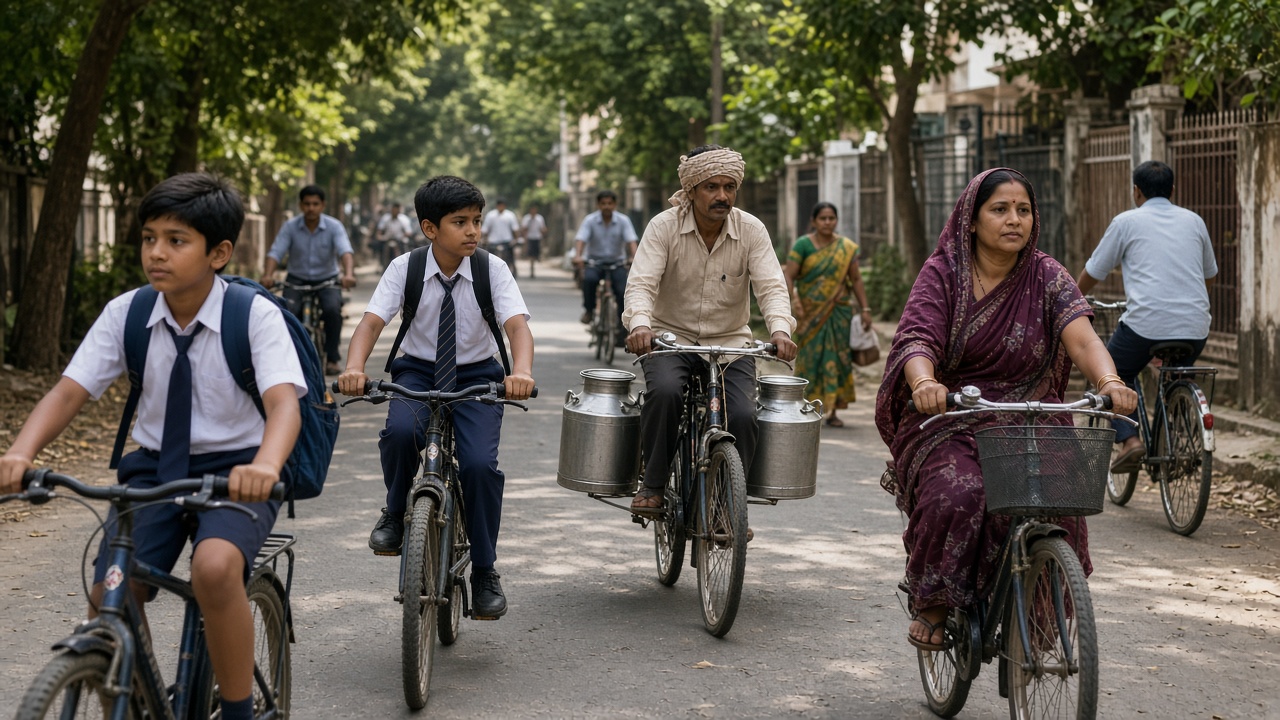
🎒 School & Streets1970 – 1995
Everyday Cycle Culture
Cycles become a social and practical backbone of Indian life — school commutes, milk routes, post and newspaper delivery, and village mobility for millions of families.
Everyday era: school bags on carriers and morning rides define Indian cycle culture.
Students ride cycles to school across towns and rural India.
Vendors and delivery workers use cycles as mobile workplaces.
Ladies’ frame cycles expand independent mobility for women.
Cycle stores and puncture-repair stalls become neighborhood fixtures.
Technology Used
Ladies / step-through frames: Easier mounting with traditional clothing.
Dynamo lights: Basic night visibility on local roads.
Bell + reflector basics: Simple safety cues in mixed traffic.
Features
Education access: Cycles shorten the journey to school.
Livelihood support: Low-cost transport for small businesses.
Community mobility: Shared family use is common.
🚵 Adventure Riding1995 – 2010
Sports and Mountain Bikes
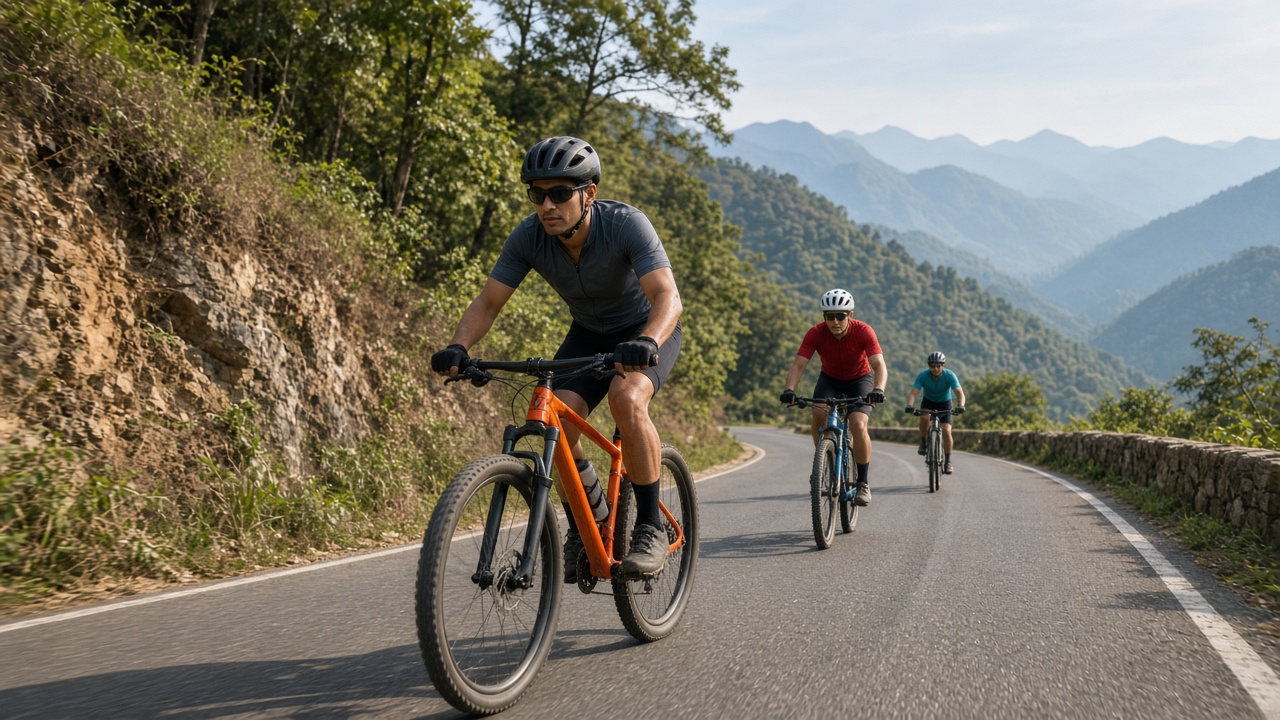
Gears, lighter frames, and mountain bikes turn cycling into fitness, racing, and adventure tourism. Youth culture and outdoor clubs expand beyond pure utility riding.
Sports era: MTBs and geared bikes open fitness and adventure cycling across Indian landscapes.
Multi-gear mountain bikes appear in Indian cities and hill stations.
Cycling clubs, races, and charity rides grow in popularity.
Helmets, gloves, and sports apparel become more visible.
Tourism cycling expands on scenic Indian routes.
Technology Used
Derailleur gears: Climb hills and accelerate on flats more easily.
Disc / better rim brakes: Stronger stopping power.
Suspension forks: Comfort on rough trails and broken roads.
Features
Fitness culture: Cycling becomes exercise, not only transport.
Weekend expeditions: Group rides and trail exploration rise.
Higher product variety: From basic geared bikes to premium MTBs.
🚲 Shared City Wheels2010 – 2020
Bike Lanes and Sharing
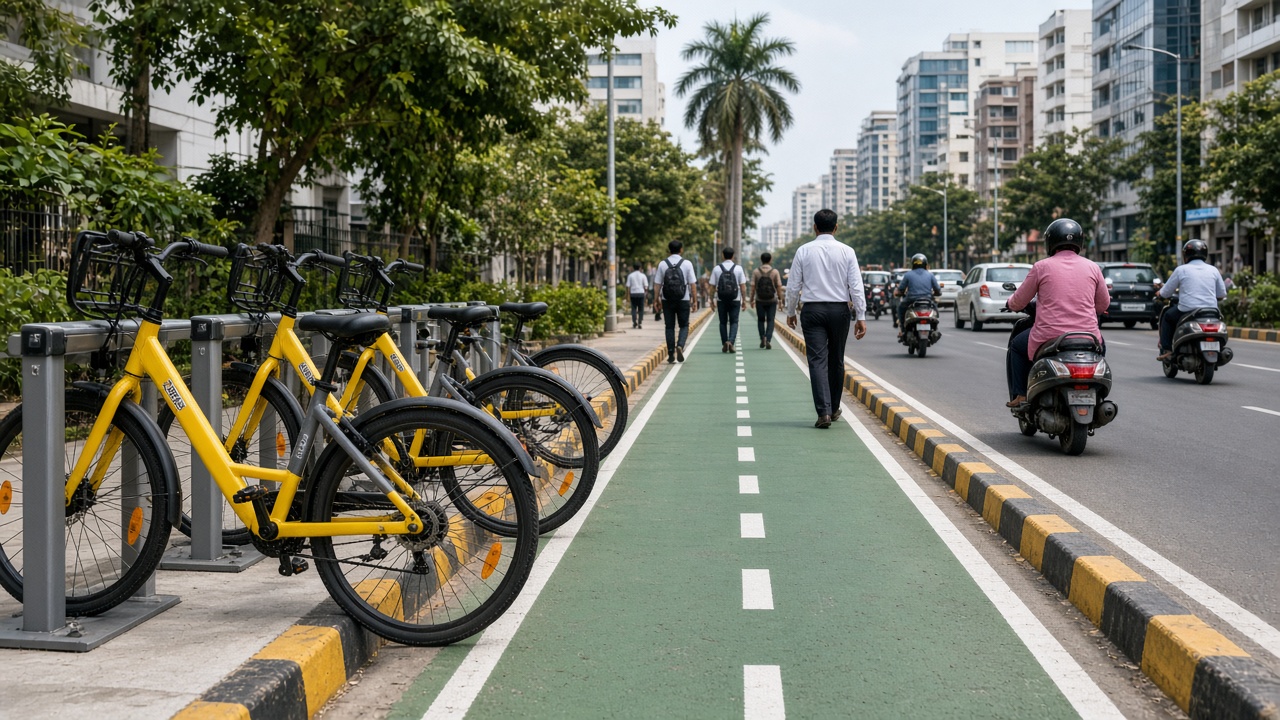
Indian metros experiment with cycle tracks, public bike-sharing docks, and last-mile links to metro and bus stations — treating cycling as urban public transport.
Sharing era: dock stations and painted cycle tracks bring public bikes into city mobility plans.
Public bicycle sharing systems launch in several Indian cities.
Protected or painted cycle lanes appear near metro corridors.
App unlock and smart locks modernize rentals.
Advocacy groups push for safer streets for pedal riders.
Technology Used
Docking stations / smart locks: Manage public fleet access.
GPS + mobile apps: Locate, unlock, and pay for shared bikes.
Lane design standards: Separate cycles from fast motor traffic where possible.
Features
Last-mile connectivity: Cycles fill gaps between home, metro, and office.
Ownership optional: Short trips without buying a personal bike.
Safety challenge: Mixed traffic still limits everyday city cycling.
⚡ Assisted Pedaling2020 – Present
E-Cycles and Green Mobility
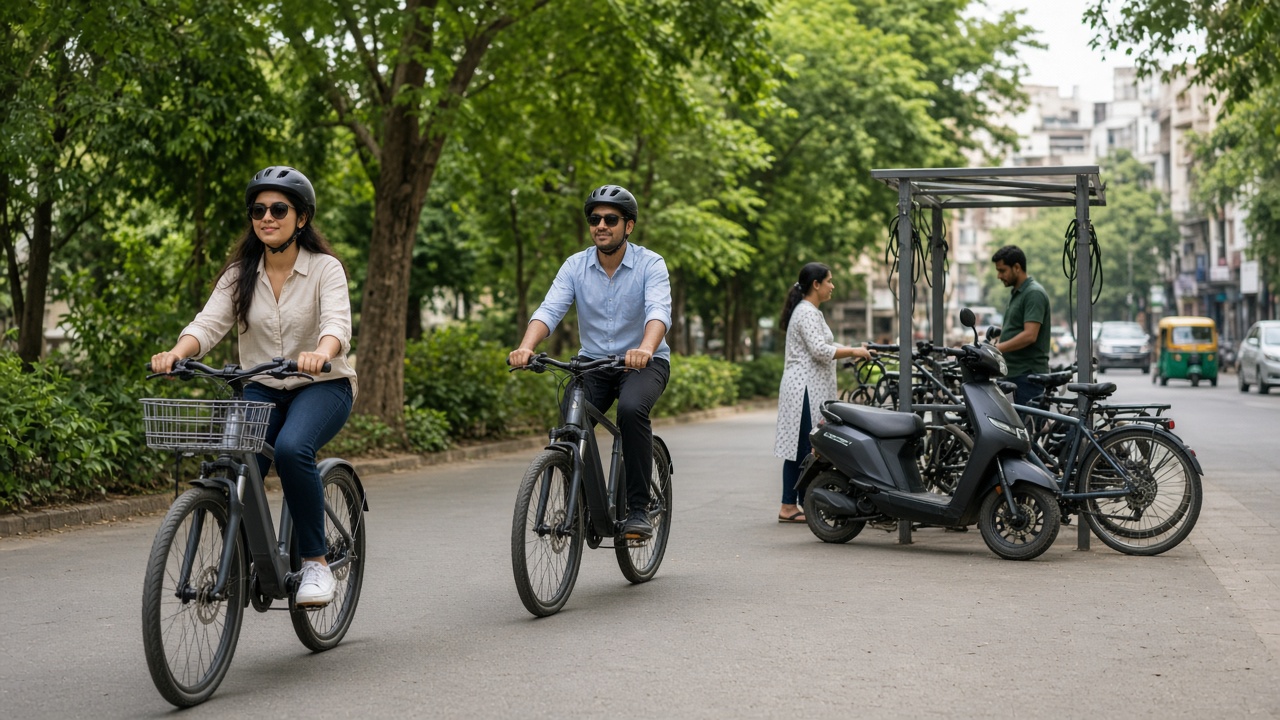
Battery-assisted cycles extend range and reduce effort for hills and longer trips. Cities link cycling to climate goals, health, and sustainable urban design.
E-cycle era: pedal-assist bikes make greener commuting easier for more Indian riders.
Electric bicycles and pedal-assist models expand in Indian markets.
Delivery fleets test e-cycles for short urban parcels.
Policy and city plans promote non-motorized transport.
Future streets aim for safer, greener cycle corridors.
Technology Used
Hub / mid-drive motors: Assist pedaling without full motorcycle power.
Lithium battery packs: Portable energy for longer rides.
Connected apps: Track battery, locks, and ride data.
Features
Less effort: Hills and heat become easier for daily riders.
Cleaner short trips: Alternative to scooters for many local journeys.
Charging needs: Home or workplace charging shapes convenience.
Cycle Transport Systems in India
India’s cycle ecosystem includes personal roadsters, school bikes, rural utility cycles, sports MTBs, public sharing fleets, e-cycles, and repair networks.
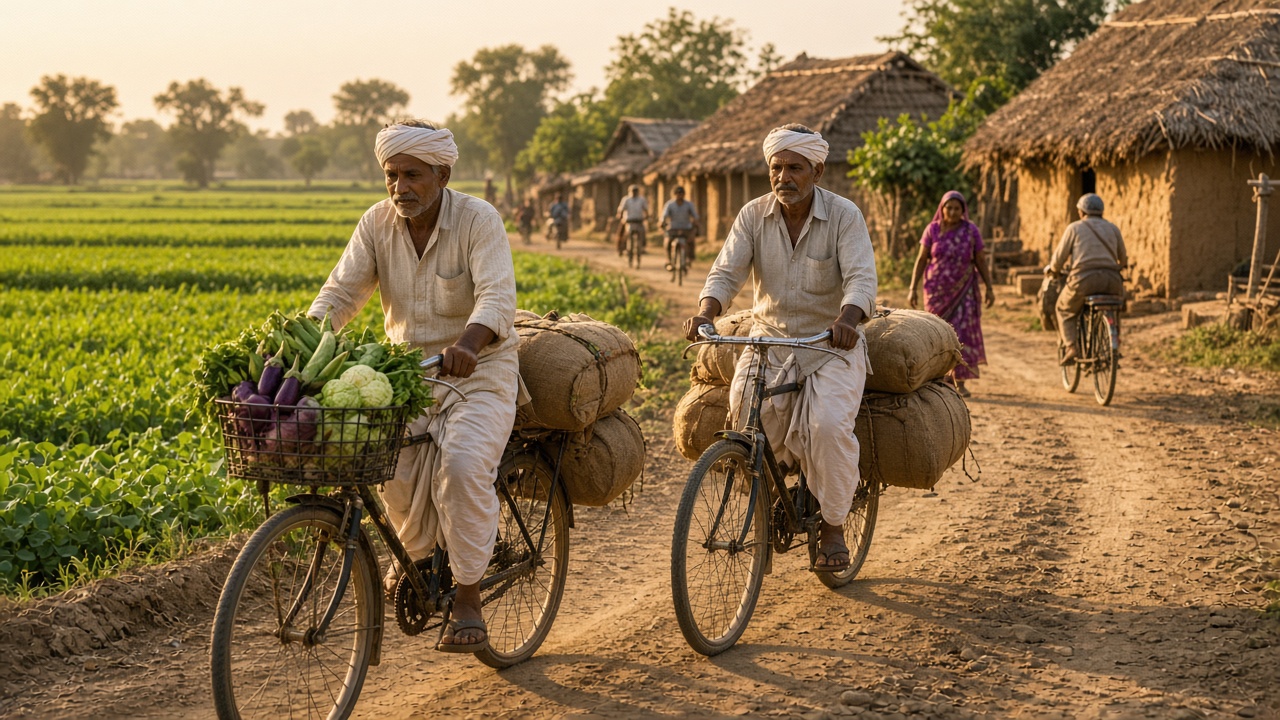
Rural utility cycles move people and goods — from farm produce to market trips — at very low cost.
System type
What it covers
India notes
Personal roadsters
Upright steel cycles with carriers
Classic Atlas/Hercules-style utility bikes
School commuting
Students riding to classrooms
Common in towns and rural districts
Rural utility
Farm, market, and village trips
Load-carrying is a key design need
Sports / MTB
Fitness, racing, adventure rides
Clubs and scenic route tourism grow
Public bike sharing
Docked or dockless rentals
Last-mile option near metro/bus hubs
E-cycles
Pedal-assist electric bicycles
Expanding for commuting and delivery
Cycle infrastructure
Lanes, parking, signals
Safety depends on protected street design
Repair ecosystem
Puncture shops and spare parts
Keeps India’s cycle fleet running for decades
India Spotlight: Cycle Milestones
Year / Era
Milestone
Significance
Late 1800s–1900s
Safety bicycles reach Indian towns
Modern cycling enters urban and cantonment life.
1900s–1970s
Indian roadster manufacturing culture
Durable steel cycles become mass personal transport.
1970s–1990s
School and livelihood cycling peaks in daily life
Cycles support education, work, and rural mobility.
1990s–2000s
Geared bikes and MTB culture expand
Cycling grows as sport and recreation.
2010s
Bike-sharing and cycle-lane experiments
Cities treat cycles as part of public mobility.
2020s
E-cycles and green mobility push
Assisted pedaling supports climate and health goals.
Cycle Timeline Summary
Year / Era
Milestone
1810s
Early push / running machines appear
Late 1800s
Safety bicycle becomes the modern design
1900s–1970s
Indian steel roadsters dominate everyday travel
1970s–1990s
School, rural, and livelihood cycling culture
1995–2010
Sports bikes and mountain bikes expand
2010s
Bike sharing and urban cycle lanes
2020s
Electric cycles and sustainable city plans
Test Your Knowledge
20 quick questions from the cycle transport timeline. Click each question to reveal the answer.
Answer: The draisine / early running machine (and later velocipedes).
Answer: The safety bicycle (chain drive, similar-sized wheels).
Answer: Strong steel build, upright riding, and often a rear carrier.
Answer: Atlas, Hercules, BSA (among others).
Answer: They provide affordable transport to school.
Answer: For village trips, markets, farm work, and carrying goods.
Answer: Gears, better brakes, and off-road / adventure capability.
Answer: Public rental bikes for short trips from docks or app unlock points.
Answer: To make cycling safer and encourage low-emission travel.
Answer: A bicycle with a battery and motor that assists pedaling.
Answer: No tailpipe emissions / very low energy use compared with motor vehicles.
Answer: Cycle repair / puncture shops.
Answer: A rear carrier (and strong frame).
Answer: By linking homes/offices to metro or bus stations.
Answer: Mixed traffic / limited protected lanes and safety issues.
Answer: Less effort on hills / longer trips; easier everyday commuting.
Answer: Step-through / ladies’ frame cycles.
Answer: Club rides, racing, or adventure tourism.
Answer: Human pedaling (muscle power).
Answer: From early machines and steel roadsters to everyday culture, sports bikes, sharing systems, and e-cycles.
Classroom activity
Students Tasks
Use these prompts for discussion or projects on bicycle history and Indian cycle mobility.
Click any panel to expand and explore the visual mood.
Cycle eras in pictures — early Indian bikes, roadsters, everyday rides, sports cycling, sharing, and electric futures.
Early Cycles
First bikes on Indian streets
Indian Roadsters
Steel cycles built to last
Everyday Riding
School, work, and streets
Sports & MTB
Fitness and adventure rides
Bike Sharing
Docks, lanes, last-mile trips
E-Cycle Future
Assisted pedaling, greener streets
Explore all transport timelines
Jump to any other transport timeline on WorldTimelineHub.
Disclaimer: This content is AI-generated for educational purposes and may contain errors or outdated details. For correct and authoritative information, please refer to official and reliable sources such as government publications, manufacturers, museums, and academic references.