From early steam locomotives and iron rails to diesel-electric traction, electrified corridors, metros, and high-speed services —
railways reshaped industry, cities, empires, and everyday travel across continents.
This timeline follows the journey from horse-drawn wagonways to modern smart rail, with a special spotlight on Indian Railways —
from the 1853 Bombay–Thane run to Vande Bharat and expanding metro networks.
Railways grew from mining wagonways and early steam experiments. Richard Trevithick ran a steam locomotive in 1804.
George Stephenson and contemporaries made steam railways commercially workable. The Stockton and Darlington Railway (1825)
and the Liverpool and Manchester Railway (1830) proved that steam could move both freight and passengers at scale —
launching a global transport revolution.
Big picture
Railway evolution in one view
Railways began as industrial tools for coal and iron, became the backbone of national economies, then reinvented themselves
through diesel, electrification, high-speed corridors, and urban metro systems. Today they compete with highways and aviation
while remaining among the most energy-efficient ways to move people and goods.
1825
Stockton & Darlington
1853
India’s first train
1964
Shinkansen begins
Now
High-speed + metro
Railways sit at the heart of the wider transportation journey — from animal power and steam to electric mobility.
🚂 Steam Begins1800s – 1850s
Steam Locomotives and Early Railways
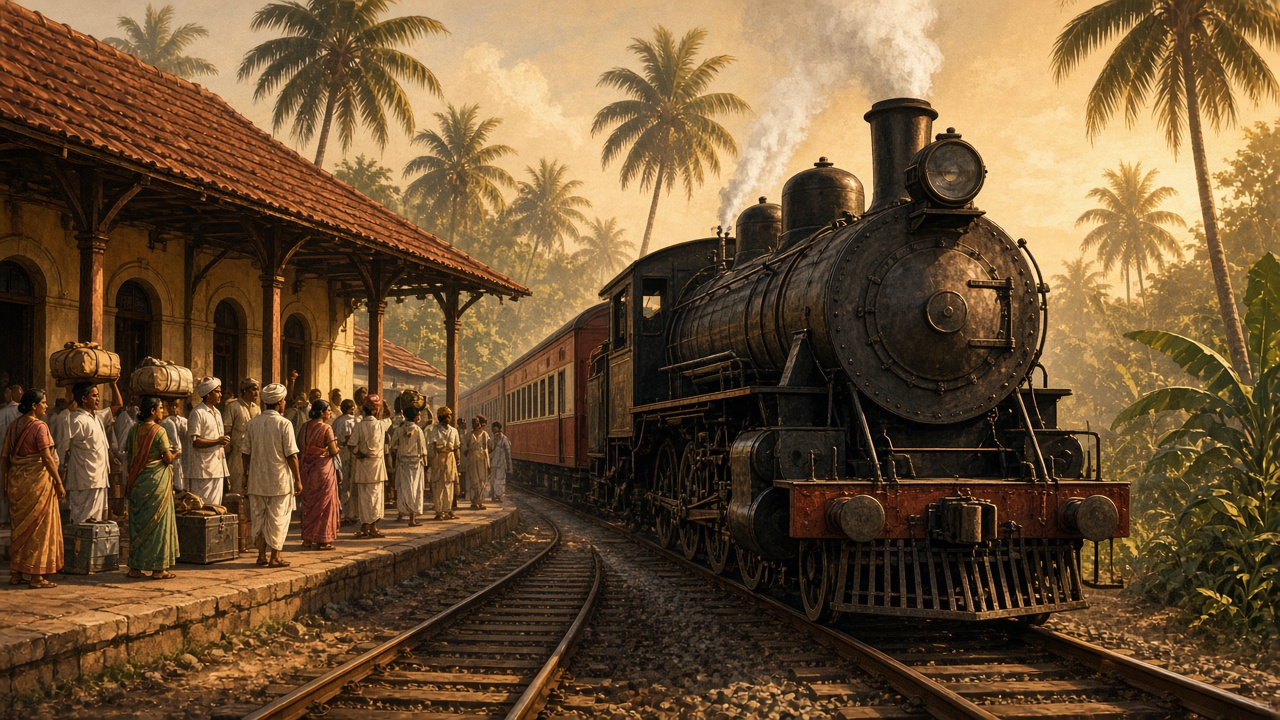
Early steam engines proved that iron wheels on iron rails could haul heavy loads faster than horses.
Short mineral lines became public railways, and passenger travel by train entered everyday life.
Steam beginnings: early locomotives turned mining wagonways into the first public railways.
1804: Trevithick demonstrates a steam locomotive on rails.
1825: Stockton and Darlington Railway opens for public traffic.
1829–30: Rocket and Liverpool & Manchester Railway prove commercial passenger steam.
Standard practices for track, signalling, and station design begin to form.
Technology Used
Steam boilers: Coal-fired engines convert heat into motion.
Iron rails: Stronger rolling surfaces than wooden wagonways.
Flanged wheels: Keep trains guided on the track.
Features
Heavy haulage: Moves coal, ore, and goods at industrial scale.
Fixed routes: Capacity depends on track and timetable discipline.
Public travel: Passenger coaches create a new social experience of speed.
🗺️ Lines Connect Nations1850s – 1900
Global Network Expansion
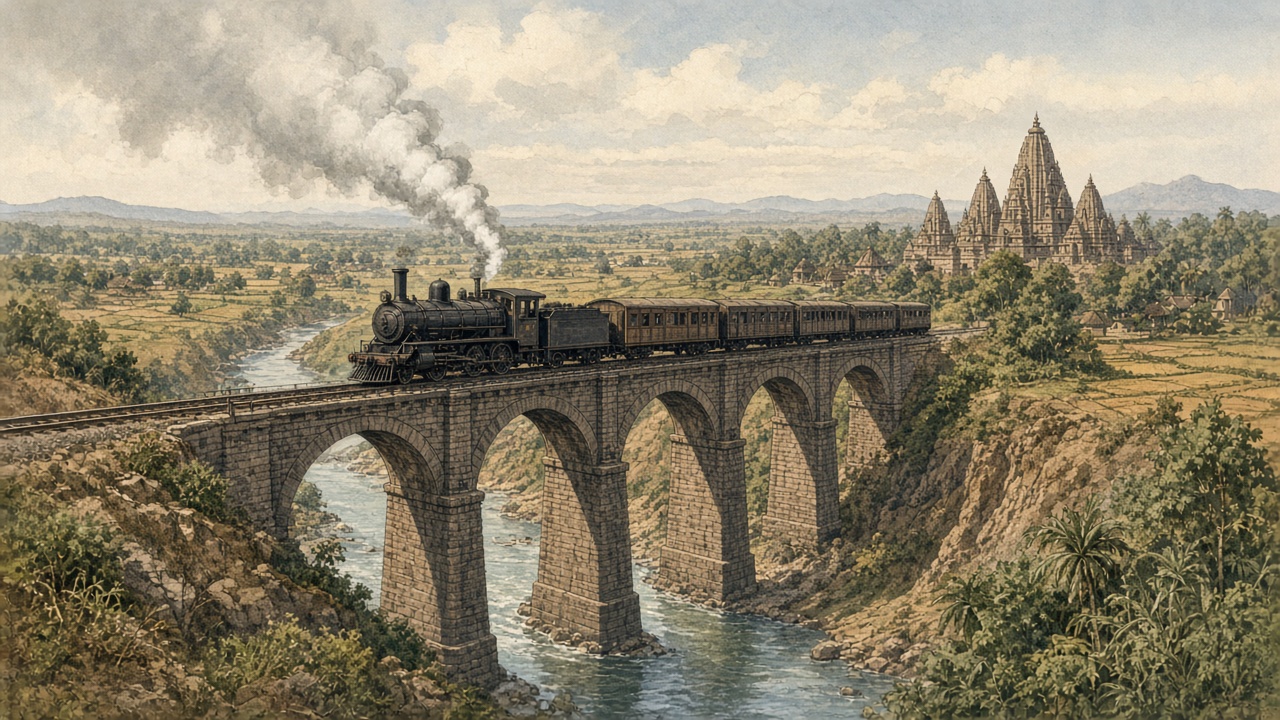
Rail mania and colonial projects stretched networks across continents. Bridges, tunnels, and grand termini
turned railways into symbols of national power and everyday commerce.
Expansion era: viaducts, termini, and long-distance trunk lines stitched regions into national markets.
1853: India’s first passenger train runs Bombay–Thane.
Transcontinental and trunk routes link ports, hinterlands, and capitals.
Standard gauges, timetables, and telegraph signalling improve safety and coordination.
Railway towns and workshops create new industrial employment ecosystems.
Technology Used
Steel rails: Longer life and heavier axle loads than early iron.
Telegraph: Dispatchers coordinate train movements over distance.
Civil engineering: Tunnels, cuttings, and long-span bridges.
Features
National integration: Faster mail, trade, and troop movement.
Mass migration: People relocate for work and markets.
Urban growth: Stations become city gateways and commercial hubs.
🔥 Peak Steam Power1900 – 1950
Golden Age of Steam
Express steam locomotives, luxury coaches, and dense suburban services defined early 20th-century rail culture.
Wars and industry pushed locomotive power and workshop capacity to new heights — even as diesel and electric experiments began.
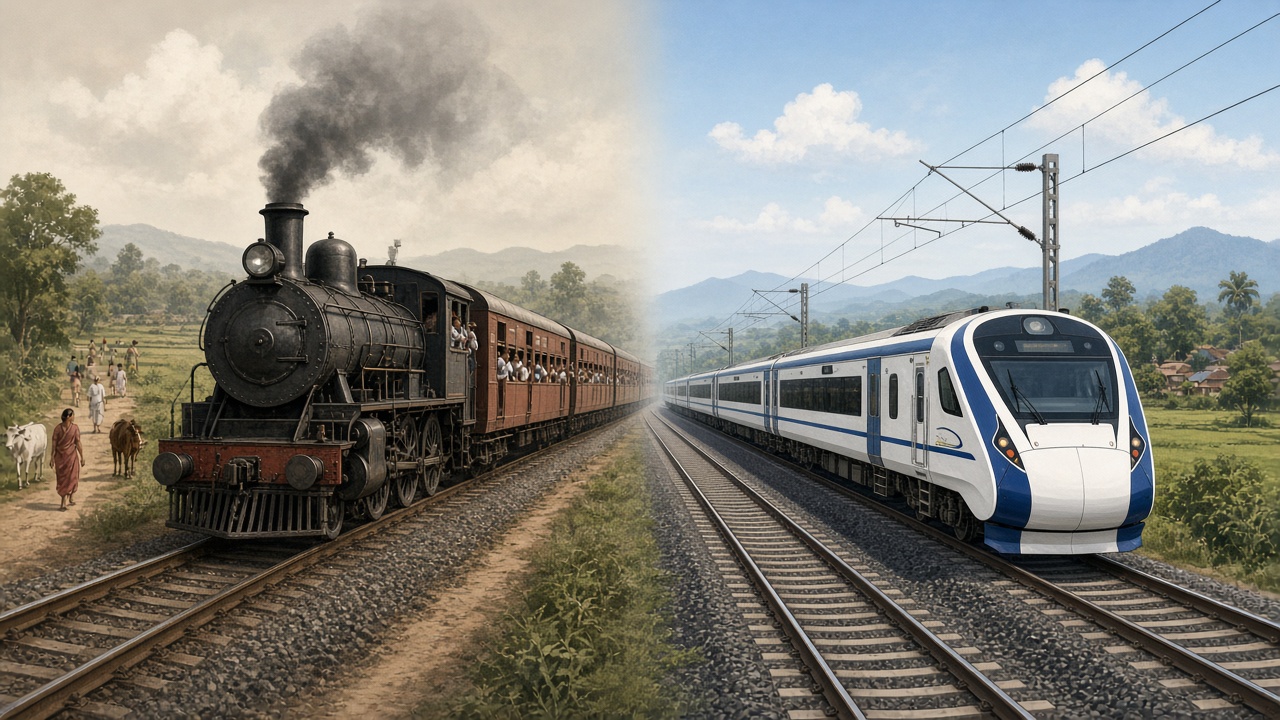
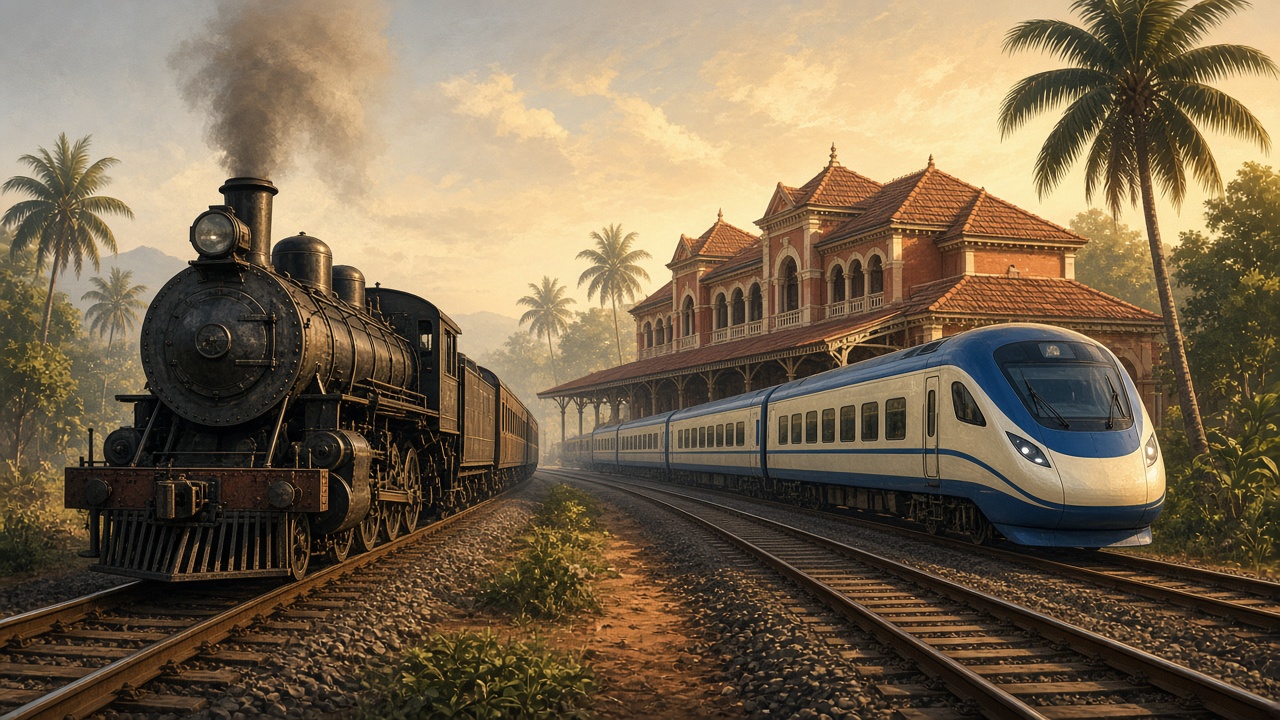
Then vs now: steam-era travel culture set the stage for today’s electrified and high-speed networks.
Famous named expresses and prestige services shape public imagination.
Suburban electrification begins in dense cities while steam still dominates long distance.
World wars accelerate locomotive production and logistics planning.
Early diesel and electric prototypes point toward post-war modernization.
Technology Used
Superheated steam: Higher efficiency for fast passenger runs.
Air brakes: Safer control of longer, heavier trains.
Block signalling: Space trains on shared tracks more safely.
Features
High capacity: Moves armies, coal, grain, and crowds.
Iconic design: Streamlined engines become cultural symbols.
Transition pressure: Smoke and maintenance costs push modernization.
⚡ New Traction1950 – 1990
Diesel and Electric Transformation
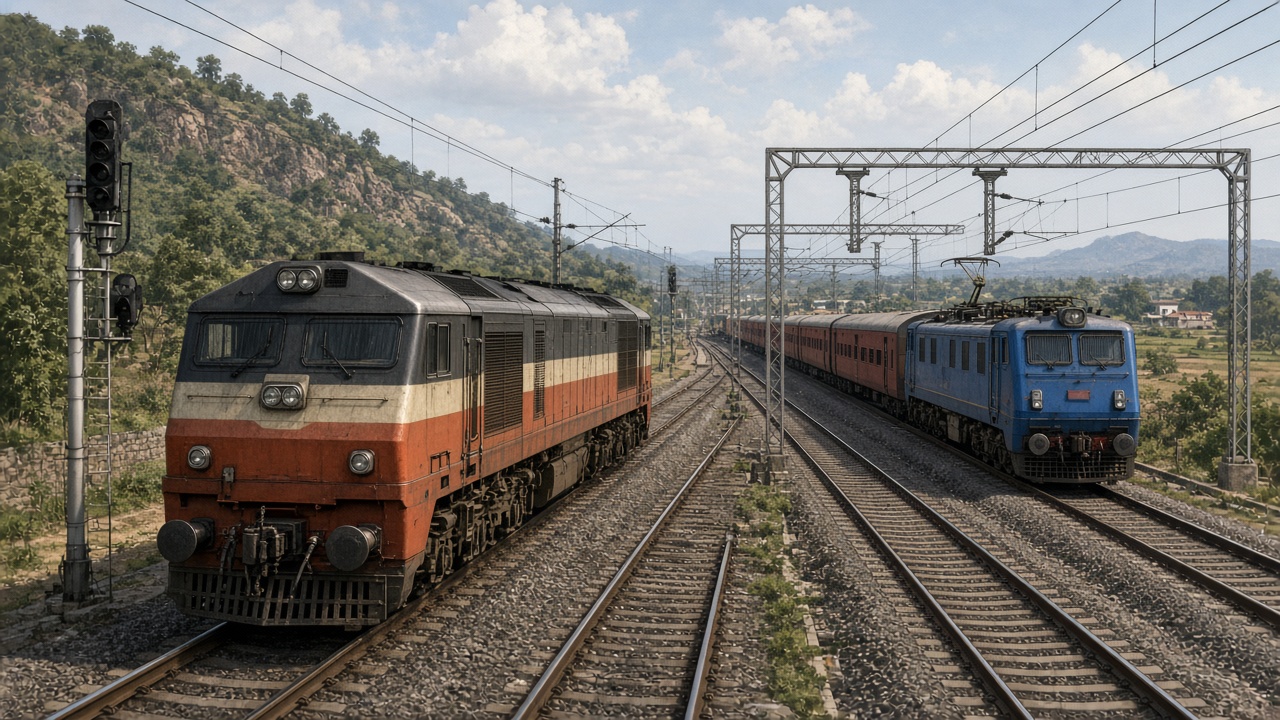
Mid-century railways replaced most steam fleets with diesel and electric locomotives. Cleaner traction,
lower operating costs, and faster turnaround times reshaped freight and passenger operations worldwide.
Diesel-electric era: modern traction, signals, and steel bridges redefine mainline railroading.
Steam withdrawals accelerate across Europe, North America, and Asia.
Overhead electrification expands on busy corridors.
EMUs and DMUs improve suburban and regional frequency.
Containerization and unit freights modernize logistics.
Technology Used
Diesel-electric locomotives: Onboard generators power traction motors.
Overhead catenary / third rail: Continuous electric supply for trains.
Color-light signalling: Faster, clearer aspect systems for dispatchers.
Features
Higher availability: Less time in sheds between trips.
Cleaner stations: Reduced smoke in cities and tunnels.
Better acceleration: Suited to frequent-stop suburban patterns.
🚄 Speed & Cities1990 – 2015
High-Speed Rail and Metro Boom
Dedicated high-speed lines, maglev experiments, and rapidly growing metro networks remade how people commute and travel between cities.
Rail became a climate-friendly alternative to short-haul flights and congested highways.
1964 legacy expands: Shinkansen model inspires TGV, ICE, and Asian HSR networks.
Metro construction accelerates in emerging megacities.
Ticketing digitalizes with cards, apps, and reservation systems.
Freight corridors and dedicated passenger routes separate traffic for efficiency.
Technology Used
Distributed power trainsets: Motors under many cars for rapid acceleration.
ATC / ATP systems: Automatic train protection for high speeds.
Slab track & viaducts: Stable alignments for 250+ km/h running.
Features
City-center to city-center: Competitive with aviation on medium distances.
High frequency metros: Turnstile-to-platform urban mobility.
Lower emissions: Especially on electrified grids with cleaner power.
🛰️ Smart Mobility2015 – Present
Smart Rail, Green Traction & Future Networks
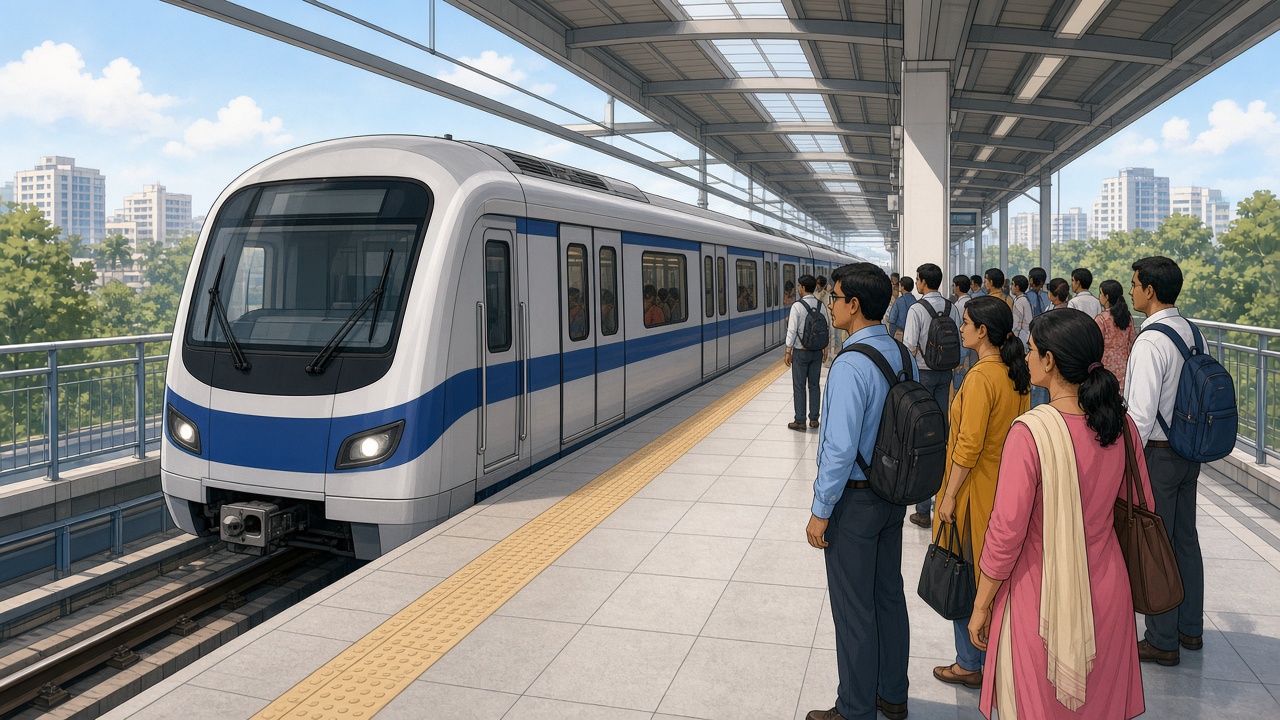
Today’s railways combine digital signalling, passenger apps, regenerative braking, and experiments with hydrogen and battery trains.
Urban metros, semi-high-speed services, and planned high-speed corridors define the next chapter.
Smart rail future: metros, digital ops, and next-generation traction reshape urban mobility.
ETCS / CBTC-style signalling raises capacity on busy lines.
Hydrogen, battery, and hybrid trains trial non-electrified routes.
Station redevelopment integrates transit-oriented city planning.
Passenger experience upgrades: Wi-Fi, real-time tracking, and accessibility.
Technology Used
Digital interlocking: Software-driven route setting and safety logic.
Regenerative braking: Returns energy to the grid or onboard storage.
IoT sensors: Predictive maintenance for tracks and rolling stock.
Features
Data-driven ops: Punctuality and capacity managed in real time.
Greener fleets: Electrification and alternative fuels cut emissions.
Multimodal hubs: Rail links buses, metros, and last-mile mobility.
India Spotlight: Indian Railways
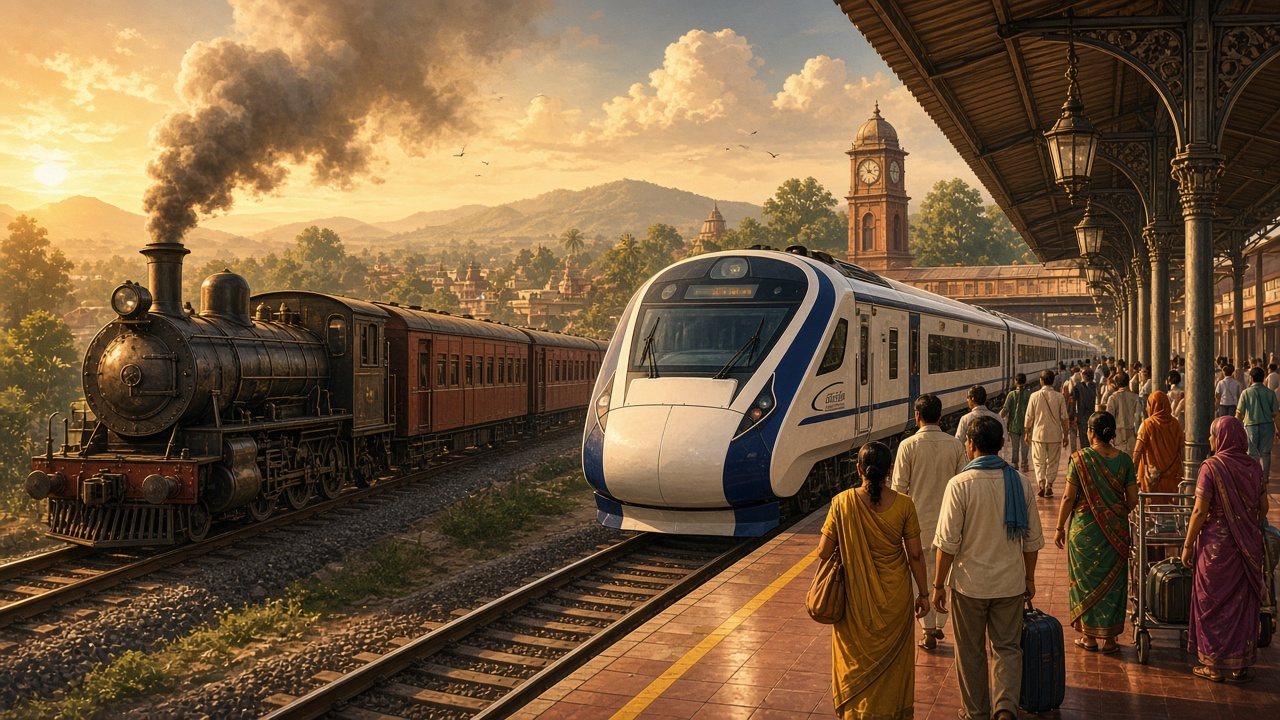
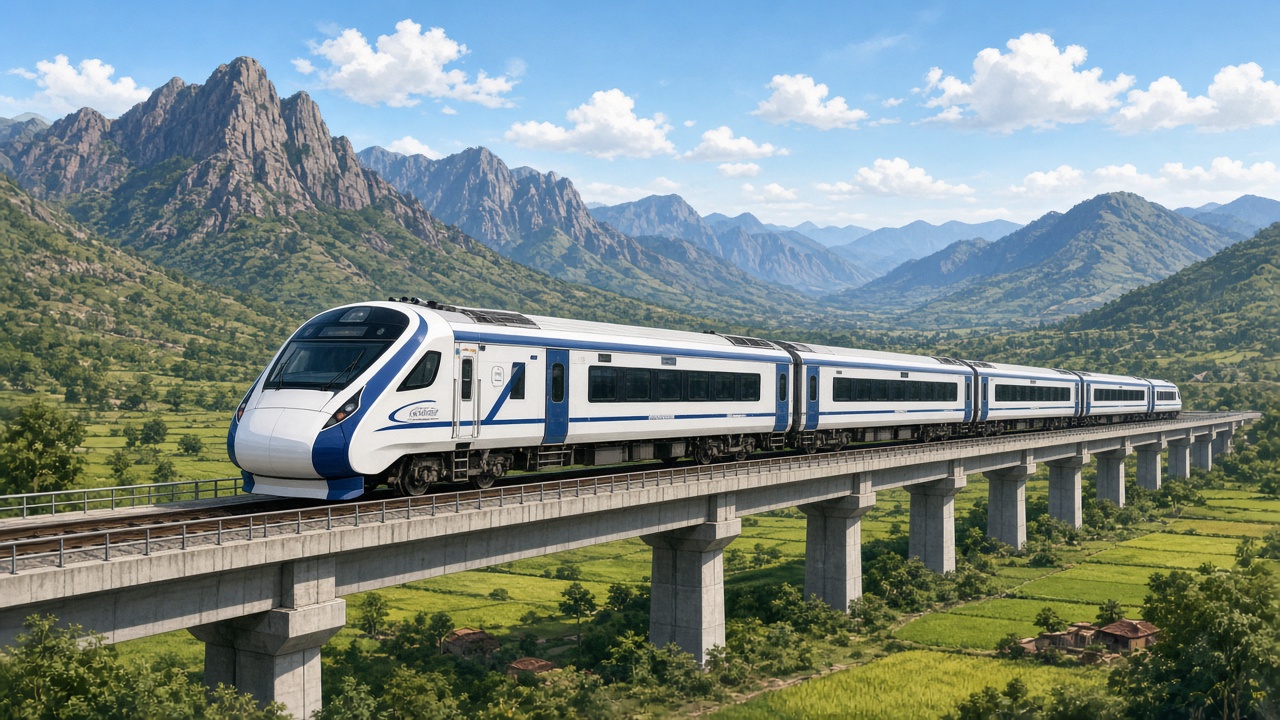
Indian Railways grew from colonial trunk lines into one of the world’s largest passenger networks.
Electrification, dedicated freight corridors, metro expansion, and Vande Bharat services mark the modern phase.
Indian Railways: from the 1853 Bombay–Thane journey to today’s electrified and semi-high-speed services.
Year
Milestone
Significance
1853
Bombay–Thane passenger service
First passenger train in India opens the railway age.
1854+
Eastern & southern lines expand
Networks link ports, inland markets, and administrative centres.
1951
Indian Railways consolidation
Major systems unify under national management after independence.
1969
Rajdhani Express era
Premium long-distance travel between capitals accelerates.
1980s–2000s
Electrification & EMUs grow
Suburban and mainline electric traction expand rapidly.
2002+
Delhi Metro and city metros
Urban rapid transit reshapes commuting in major cities.
Click any panel to expand and explore the visual mood.
Railway eras in pictures — from early steam and network expansion to diesel-electric traction, high-speed corridors, Indian Railways, and the metro future.
Steam Beginnings
1800s locomotives on iron rails
Network Expansion
Viaducts, termini, and trunk lines
Diesel & Electric
Modern traction on busy mainlines
High-Speed Rail
Streamlined corridors and speed
Indian Railways
1853 to Vande Bharat era
Metro & Future
Smart cities and next-gen rail
Explore all transport timelines
Jump to any other transport timeline on WorldTimelineHub.
Disclaimer: This content is AI-generated for educational purposes and may contain errors or outdated details. For correct and authoritative information, please refer to official and reliable sources such as government publications, manufacturers, museums, and academic references.