From ancient sailing craft to cargo freighters, cruise liners, harbor ferries, speedboats, patrol vessels, and submarines —
water transport moves people, goods, and security across India’s coasts and inland waterways.
This timeline covers vessel types and systems in India — cargo ships, cruise ships, ferries, speedboats,
Coast Guard / Navy patrol boats, and submarines — plus ports and future green shipping.
Humans first crossed rivers and seas on rafts, canoes, and sailing ships. Steam engines, steel hulls, containers, diesel engines,
radar, and nuclear/conventional submarines later transformed maritime trade, travel, and defense. India’s long coastline and busy ports
make water transport central to trade, tourism, livelihoods, and security.
Big picture
Water craft in one view
Water transport spans cargo freighters, cruise liners, ferries, speedboats, patrol boats, and submarines.
India’s story links ancient coastal trade, major seaports, island ferries, Coast Guard patrols, and Navy undersea capability. Related timelines:
railway,
bus,
auto,
air,
cycle.
Ancient
Sailing trade
Ports
Cargo backbone
Cruise
Sea tourism
Navy
Patrol & subs
India’s water story: ports and cargo ships, coastal tourism, ferries, patrol craft, and submarines.
⛵ Sails & CoastsAncient – 1850
Early Maritime Craft
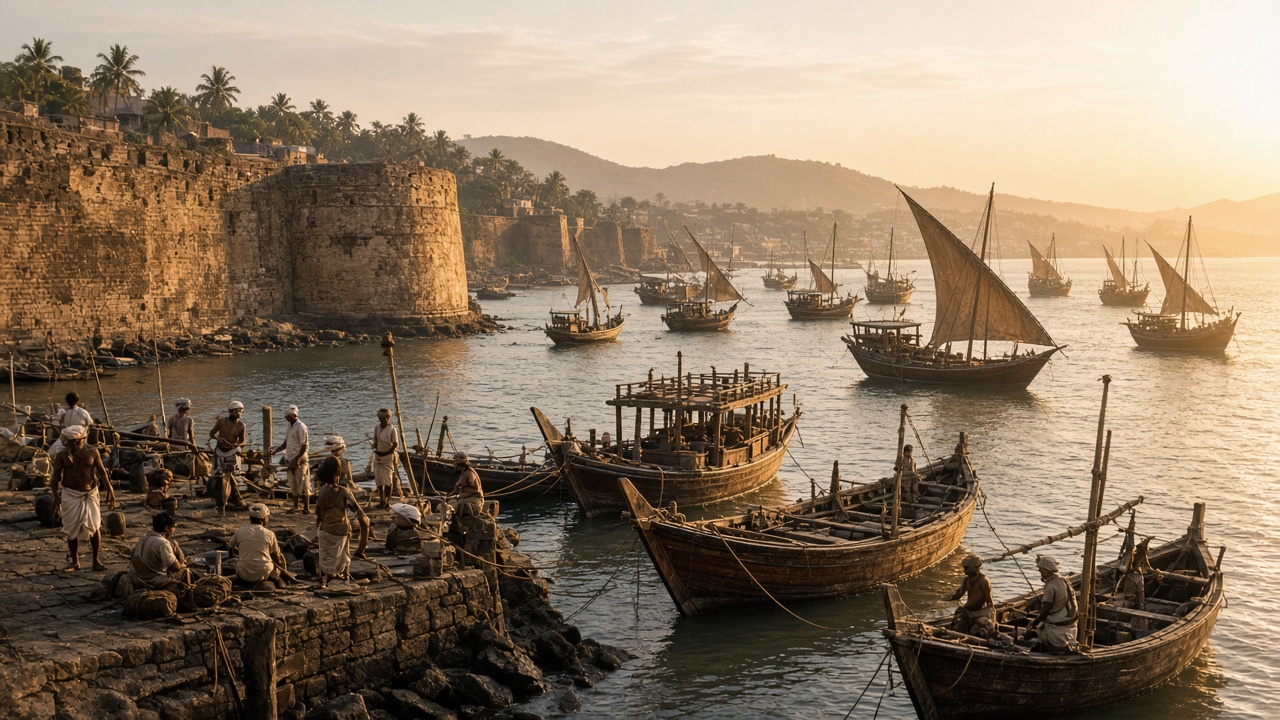
India’s coasts and rivers carry trade for centuries. Wooden sailing ships, fishing boats, and traditional craft connect harbors, islands, and inland waterways long before steam power.
Early maritime era: sailing craft and coastal boats shape Indian trade and fishing life.
River boats and coastal craft support fishing, ferrying, and local trade.
Ocean-going sailing ships link Indian ports with Asia, Africa, and beyond.
Harbor towns grow around natural bays and river mouths.
Navigation relies on stars, monsoon winds, and coastal landmarks.
Trade corridors: Spices, textiles, and goods move by sea.
Community livelihoods: Fishing and boat-building economies.
Weather risk: Storms and monsoons shape safe sailing seasons.
🚢 Steam Age1850 – 1950
Steam and Ocean Shipping
Steam engines free ships from wind alone. Steel hulls, scheduled steamer routes, and larger ports transform passenger liners and cargo movement through Indian harbors.
Steam era legacy: scheduled water routes and growing passenger/cargo services at Indian harbors.
Steamships create more reliable ocean schedules than sail alone.
Major Indian ports modernize docks, warehouses, and lighthouses.
Passenger liners and mail steamers connect continents.
Coal and later oil fuel long-distance shipping.
Technology Used
Steam engines: Mechanical power for hull propulsion.
Iron / steel hulls: Larger, stronger ocean vessels.
Screw propellers: More efficient than early paddle designs.
Features
Timetabled travel: More predictable arrivals and departures.
Bigger cargo holds: Trade volumes rise with steel ships.
Port cities grow: Mumbai, Kolkata, Chennai, and others expand as gateways.
📦 Global Trade1950 – 2000
Cargo Ships and Major Ports
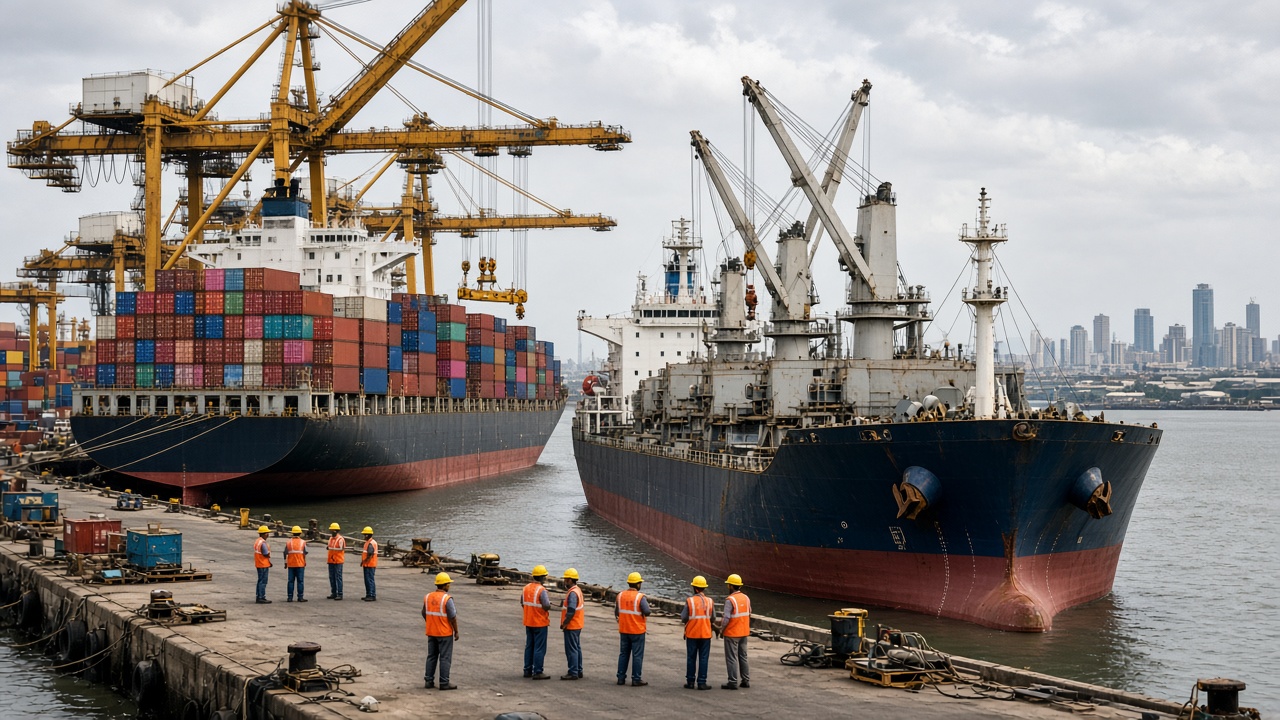
Container ships, bulk carriers, tankers, and multipurpose freighters become the backbone of India’s seaborne trade. Cranes, container yards, and deep-water berths redefine port logistics.
Cargo era: container ships and freighters move India’s imports and exports through major seaports.
Container ships: Stack standardized boxes for fast loading.
Bulk carriers: Move coal, ore, grain, and other dry cargo.
Tankers: Carry crude oil, products, and chemicals.
Indian major ports expand capacity for export–import growth.
Technology Used
ISO containers: Intermodal boxes transfer ship ↔ truck ↔ rail.
Gantry cranes: High-speed container handling at terminals.
Trade backbone: Most global goods volume travels by sea.
Port ecosystems: Customs, warehouses, trucks, and rail links.
Scale economics: Larger ships lower cost per container.
🛳️ Travel & Tourism1980 – Present
Ferries and Cruise Ships
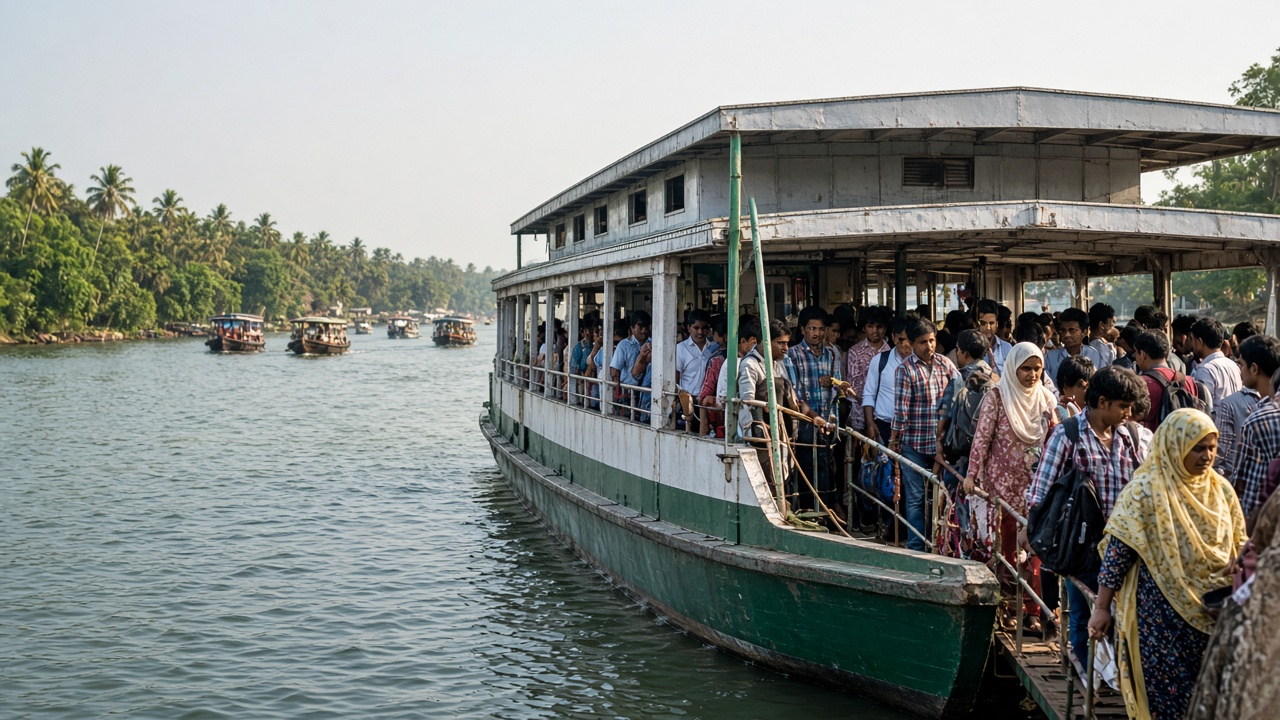
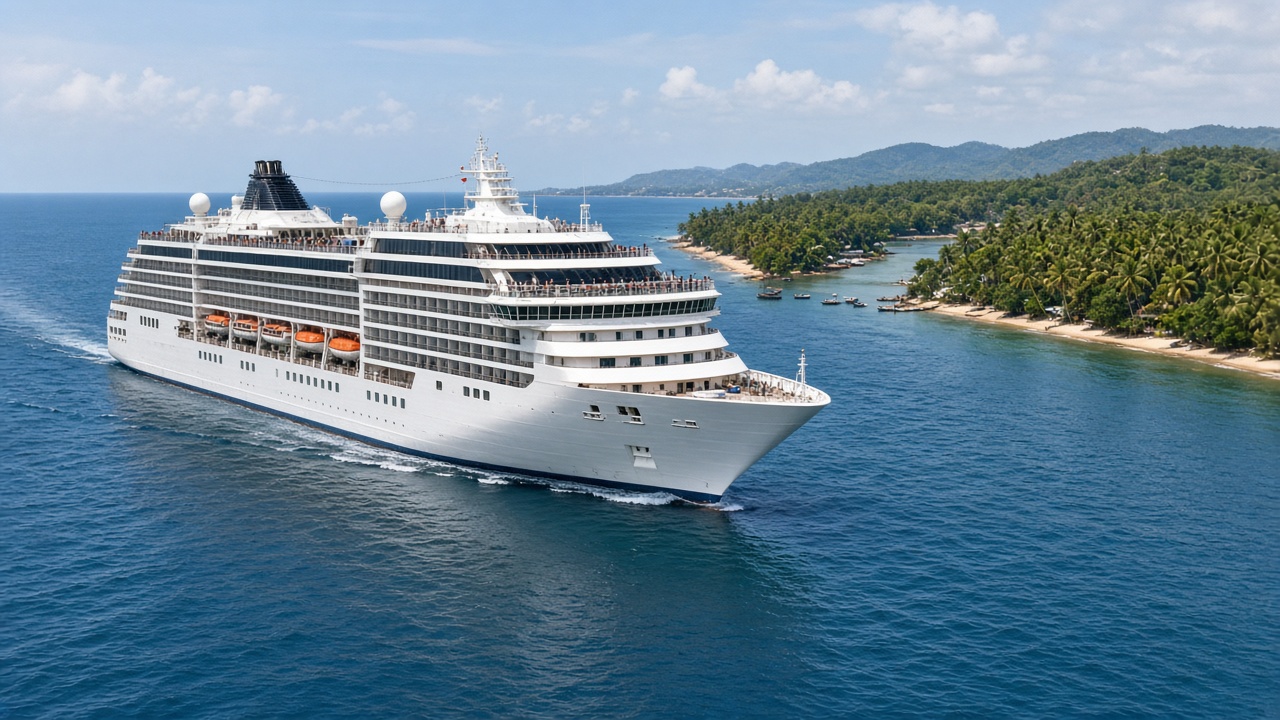
Passenger ferries serve islands and harbor crossings, while cruise ships bring leisure voyages along Indian coasts. Tourism boats and river/backwater craft expand water travel for pleasure and commuting.
Cruise era: ocean liners and coastal tourism vessels turn sea travel into leisure experience.
Cruise ships: Floating hotels with cabins, dining, and entertainment.
Passenger ferries: Daily links for islands, estuaries, and city harbors.
Kerala backwaters, Goa coasts, and Andaman/Lakshadweep routes grow tourism.
Safety, tickets, and terminal facilities modernize passenger services.
Technology Used
Stabilizers & HVAC: Comfort on large passenger vessels.
Ro-Ro decks: Some ferries carry cars and trucks.
Navigation electronics: GPS, radar, and AIS for safer routes.
Features
Leisure mobility: Holidays and coastal sightseeing by ship.
Essential commuting: Ferries remain daily transport for many communities.
Tourism jobs: Crews, terminals, and local services benefit.
🚤 Fast & Secure1960 – Present
Speedboats, Patrol Boats and Coast Guard
Fast craft serve tourism and rescue, while patrol boats and Coast Guard cutters protect coasts, fishermen, and exclusive economic zones. Harbor police and Navy small craft secure ports.
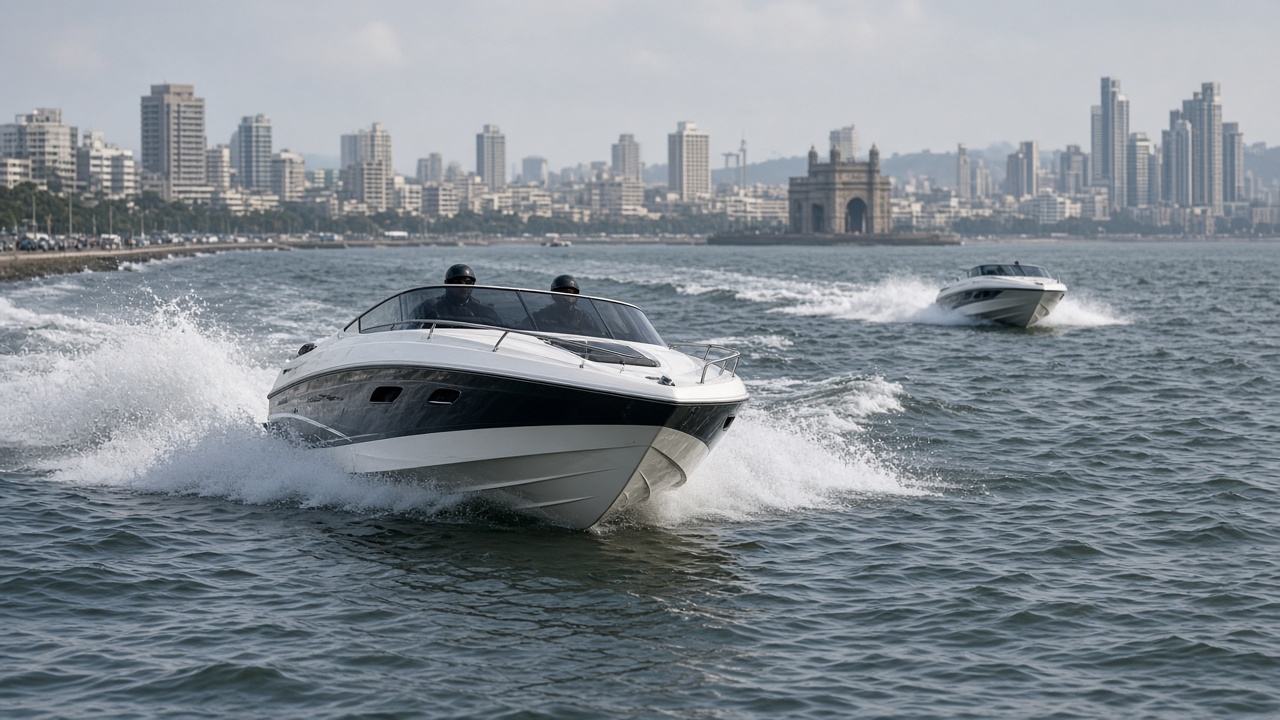
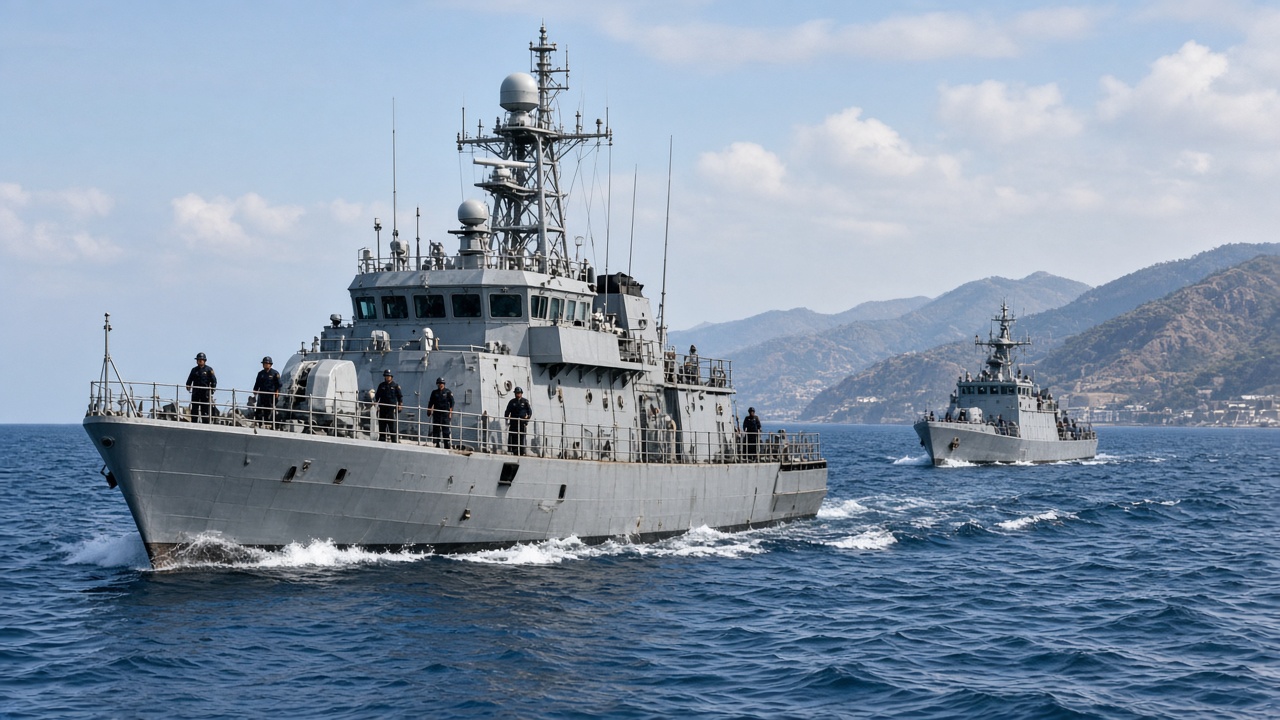
Speedboat era: fast motorboats support tourism, racing, rescue, and quick coastal hops.Patrol era: Coast Guard and naval patrol vessels monitor India’s long coastline and maritime zones.
Speedboats: Recreation, tourism hops, racing, and rapid response.
Patrol boats: Maritime law enforcement, SAR, and coastal vigilance.
Indian Coast Guard expands after the late 1970s for EEZ protection.
Interceptor craft support anti-smuggling and harbor security roles.
Technology Used
High-power outboards / diesels: High speed on light hulls.
Radar & radio nets: Detection and coordination at sea.
Rigid-hull inflatable boats (RHIBs): Fast boarding and rescue craft.
Features
Rapid response: Reach incidents faster than large ships.
Coastal security: Watch busy shipping lanes and fishing grounds.
Dual-use craft: Tourism speedboats vs. official patrol fleets.
🌊 Under the Sea1970 – Present
Submarines and Future Seas
Submarines give undersea stealth and strategic depth. Meanwhile, ports and fleets push toward cleaner fuels, smarter navigation, and greener coastal shipping for the decades ahead.
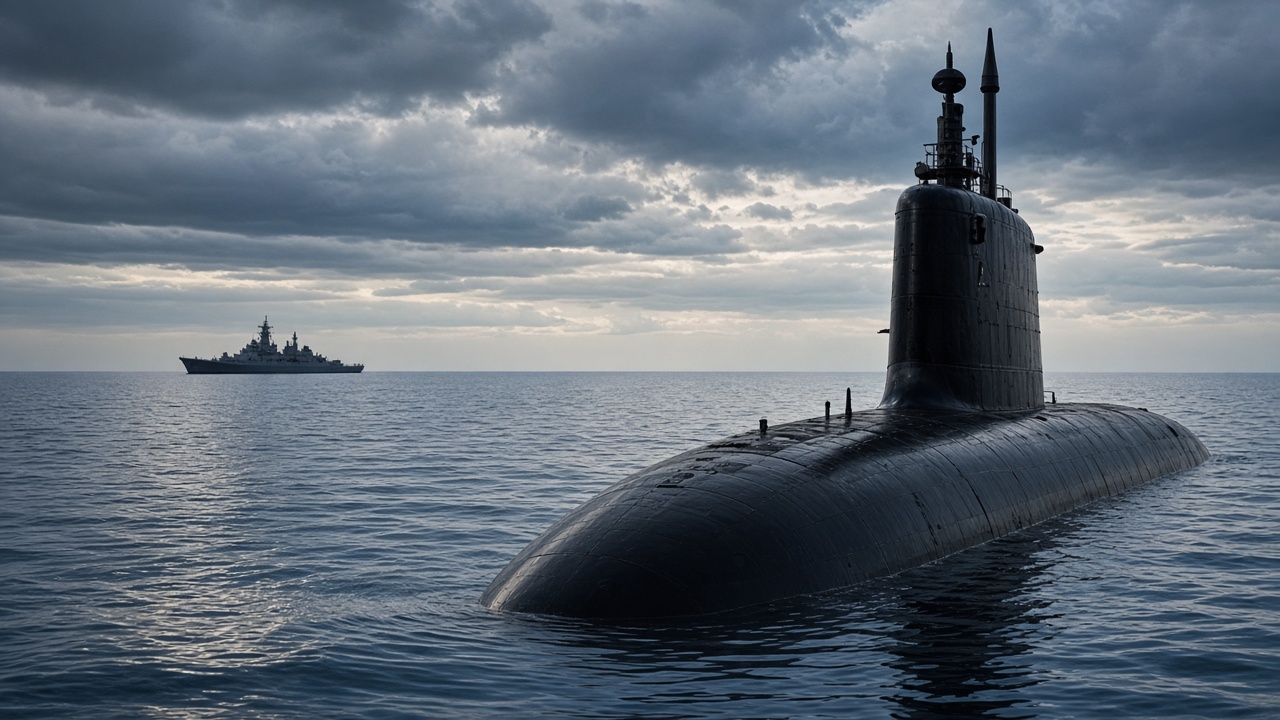
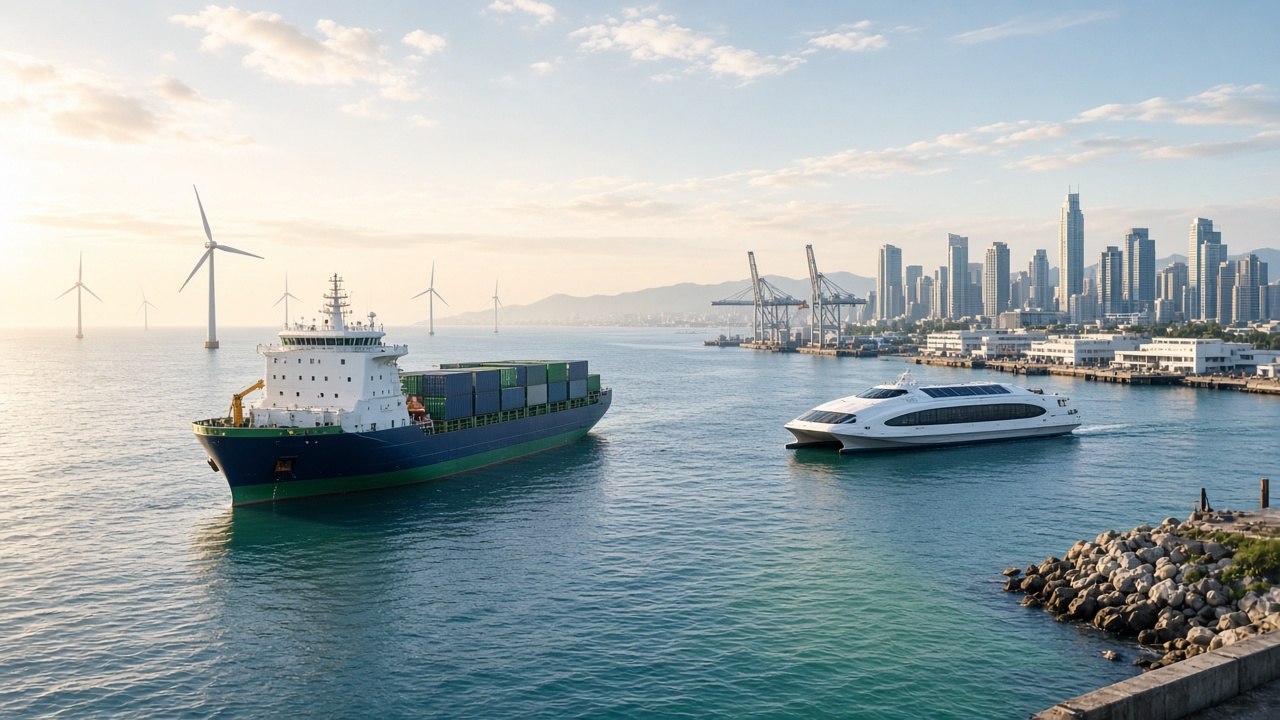
Submarine era: undersea vessels expand India’s naval reach and strategic maritime capability.Future seas: cleaner cargo ships, electric ferries, and smarter ports shape sustainable water transport.
Conventional and advanced submarines join the Indian Navy fleet over decades.
Underwater sensors, training, and shipyards support submarine operations.
Green shipping goals target lower emissions for cargo and ferry fleets.
Digital ports, AIS tracking, and automation improve safety and efficiency.
Technology Used
Ballast & pressure hulls: Controlled diving and resurfacing.
Sonar systems: Underwater detection and navigation.
Alternative marine fuels / hybrids: LNG, methanol, electric ferries, and efficiency upgrades.
Features
Strategic stealth: Submarines operate unseen beneath the surface.
Blue-water reach: Operations far from home ports.
Greener coasts: Future fleets aim for cleaner air and water.
Water Transport Systems in India
India’s water transport mix includes cargo shipping, cruise tourism, passenger ferries, speedboats, Coast Guard/Navy patrol craft, submarines, inland waterways, and major seaports.
Vessel / system
What it covers
India notes
Cargo ships
Container, bulk, tanker, multipurpose freighters
Core of India’s seaborne import–export trade
Cruise ships
Leisure ocean / coastal passenger voyages
Growing tourism along Indian coasts
Passenger ferries
Harbor, island, and river crossings
Mumbai harbor, islands, Kerala backwaters, and more
Speedboats
Fast recreational and utility motorboats
Tourism, sports, and rapid coastal hops
Patrol boats
Coast Guard / Navy / police patrol craft
EEZ watch, SAR, coastal security
Submarines
Undersea naval vessels
Strategic maritime defense capability
Major ports
Deep-water cargo and passenger terminals
Mumbai, Chennai, Vizag, Cochin, Kandla, and peers
Inland waterways
Rivers, canals, national waterways
Freight and passenger routes via IWAI corridors
India Spotlight: Water Milestones
Year / Era
Milestone
Significance
Ancient–medieval
Coastal & ocean sailing trade
Indian ports join monsoon trade networks.
1800s–1900s
Steam shipping & port modernization
Scheduled ocean routes reshape harbors.
Post-1947
National ports & shipping growth
Trade infrastructure expands after independence.
Late 1970s+
Indian Coast Guard era
Dedicated maritime safety and EEZ protection.
1970s–present
Submarine capability expands
Undersea naval strength grows over decades.
Container age
Container terminals at major ports
Faster cargo handling and global trade links.
2000s–present
Cruise tourism & ferry modernization
Passenger water travel diversifies.
Now → future
Green shipping & smarter ports
Cleaner fuels and digital maritime systems.
Water Timeline Summary
Year / Era
Milestone
Ancient
Sailing craft and coastal trade networks
1850–1950
Steamships and steel ocean vessels
1950–2000
Cargo ships, tankers, and container ports
1960–present
Speedboats and patrol / Coast Guard fleets
1970–present
Submarines and blue-water naval growth
1980–present
Ferries, cruise ships, and sea tourism
2020s+
Greener shipping and smarter maritime systems
Test Your Knowledge
20 quick questions from the water transport timeline. Click each question to reveal the answer.
Answer: Goods — containers, bulk commodities, oil, vehicles, and other freight.
Answer: Standardized containers make loading faster and move much of world trade.
Answer: Leisure passenger voyages with cabins and onboard amenities.
Answer: Short water routes carrying people (and sometimes vehicles).
Answer: Tourism, recreation, racing, rescue, or rapid coastal travel.
Answer: Monitor coasts, enforce maritime rules, and support search and rescue.
Answer: A naval vessel that can travel underwater.
Answer: Mumbai, Chennai, Visakhapatnam, Cochin, Kandla/Deendayal, or Kolkata/Haldia (any valid major port).
Answer: Maritime zones / EEZ, coastal safety, fishermen support, and search & rescue.
Answer: Wind (sails) and human power (oars).
Answer: Carrying liquid cargo such as oil or chemicals.
Answer: A cargo ship for dry bulk goods like coal, ore, or grain.
Click any panel to expand and explore the visual mood.
Water eras in pictures — early craft, cargo ships, cruises, speedboats, patrol boats, and submarines.
Early Craft
Sails on Indian coasts
Cargo Ships
Ports and global trade
Cruise Ships
Sea tourism voyages
Speedboats
Fast coastal craft
Patrol Boats
Coast Guard & security
Submarines
Undersea naval power
Explore all transport timelines
Jump to any other transport timeline on WorldTimelineHub.
Disclaimer: This content is AI-generated for educational purposes and may contain errors or outdated details. For correct and authoritative information, please refer to official and reliable sources such as government publications, manufacturers, museums, and academic references.