From Gargi debating sages in a king’s court to women scientists launching rockets — the story of women’s education in India is one of courage,
reform, and hard-won rights against centuries of social barriers.
This timeline follows ancient women scholars, the decline of girls’ education, reformers like Savitribai Phule and Pandita Ramabai, the first women
graduates and doctors, constitutional equality, literacy missions, and today’s schemes that help girls learn, lead, and excel in every field.
c. 1500 BCE → PresentGargi → Savitribai → STEMReform · Rights · Empowerment
Why Women’s Education Matters
Educating girls improves family health, income, and children’s schooling, and gives women a voice in society and government. In India,
girls once faced child marriage, purdah, and the belief that education was “not for women.” Reformers, laws, and schemes changed this step by step —
female literacy rose from under 9% in 1951 to about 65% in 2011, and women now make up nearly half of higher education students.
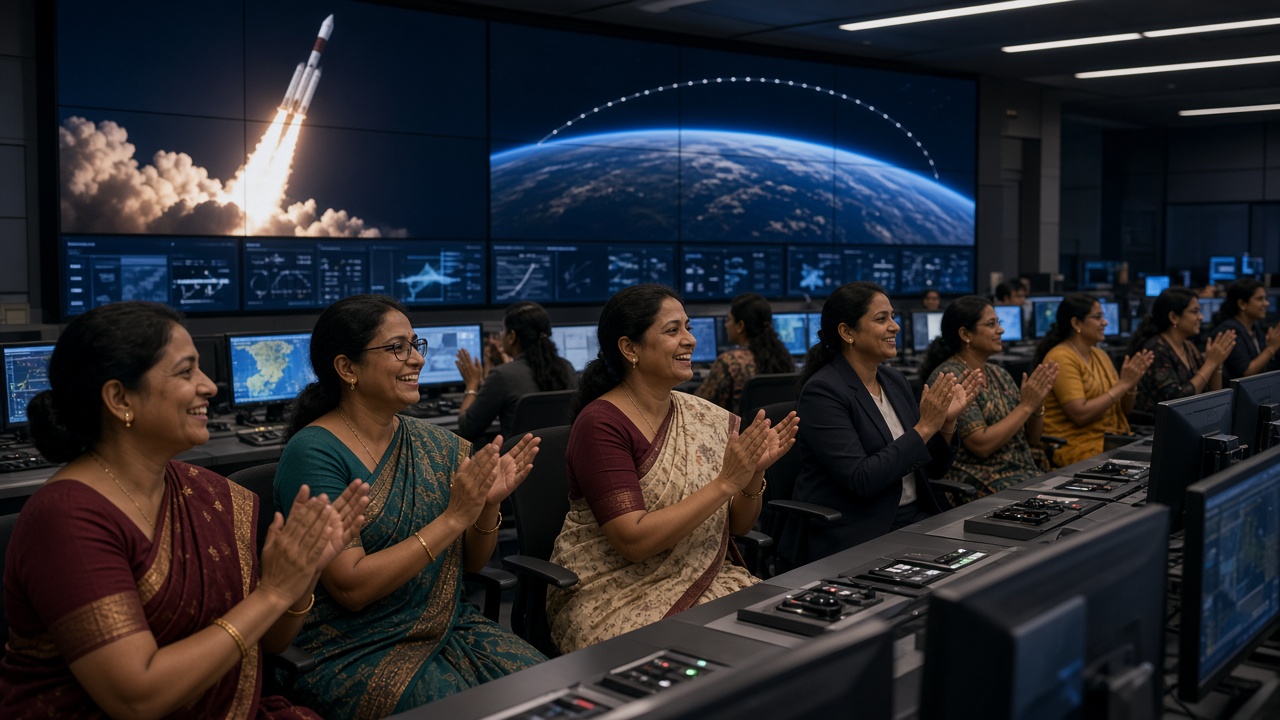
Women scientists and engineers now play leading roles in India’s space missions.
📜 Learned Womenc. 1500 BCE – 1800
Ancient & Medieval Women Scholars
In early Vedic times, some women composed hymns, studied philosophy, and took part in debates. Over later centuries, child marriage, purdah, and rigid social rules pushed most girls out of formal learning, though royal and saint-poet women kept writing and teaching.
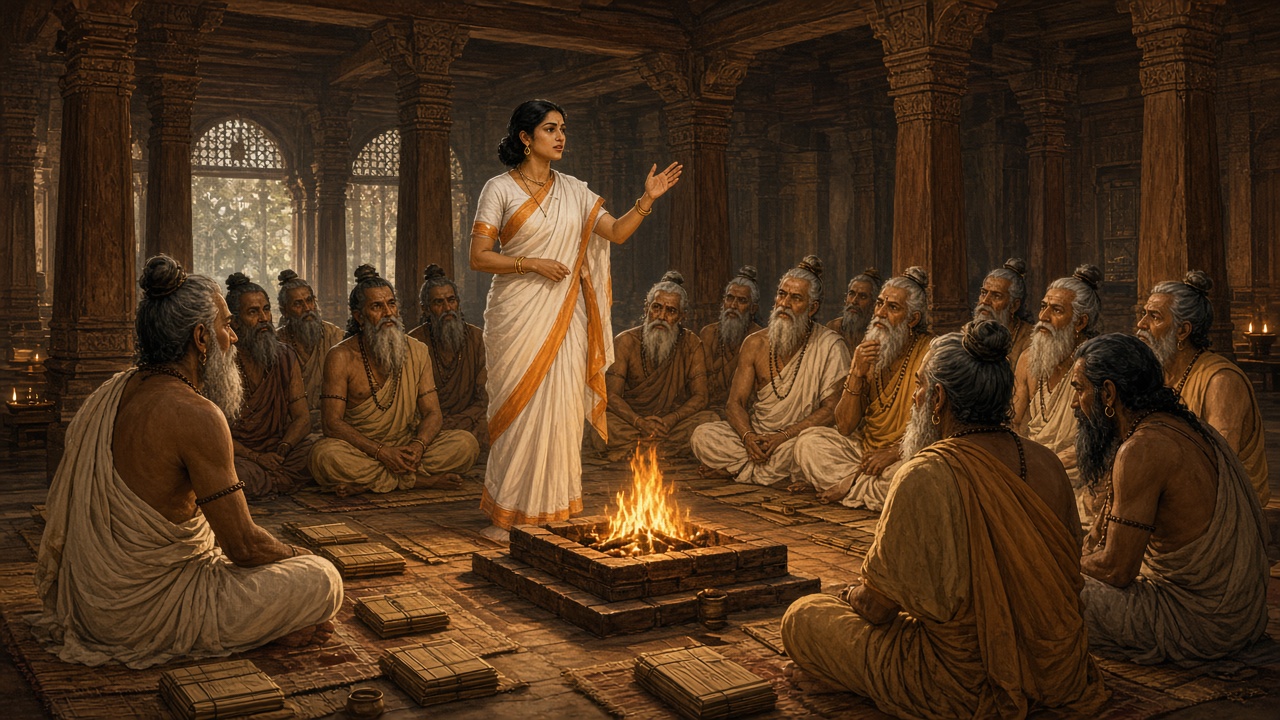
Women scholars like Gargi took part in philosophical debates in ancient India (artistic illustration).
Rigvedic period: Women seers such as Lopamudra and Ghosha are credited with Vedic hymns.
Upanishadic period: Gargi Vachaknavi debates Yajnavalkya in King Janaka’s court; Maitreyi discusses the nature of the self.
c. 6th–3rd century BCE: Buddhist nuns compose the Therigatha, one of the world’s earliest collections of women’s poetry.
Medieval period: Akka Mahadevi and Mirabai write devotional poetry; Gulbadan Begum writes the Humayun-nama; Jahanara Begum patronises scholars.
How Women Learned
Home learning: Taught by fathers, husbands, or family tutors.
Monasteries: Buddhist and Jain nuns studied scriptures.
Royal courts: Princesses learned languages, poetry, and administration.
Features
Rare scholars: A few women achieved great learning.
Growing restrictions: Early marriage and seclusion limited girls’ schooling.
Very low literacy: By 1800, only a tiny share of women could read.
🕯️ Brave Beginnings1819 – 1881
Pioneers & First Girls’ Schools
Missionaries opened early girls’ schools, but Indian reformers made the biggest breakthrough. Savitribai and Jyotirao Phule faced abuse and stones for teaching girls, while Ishwar Chandra Vidyasagar and J. E. D. Bethune helped girls’ schools spread in Bengal.
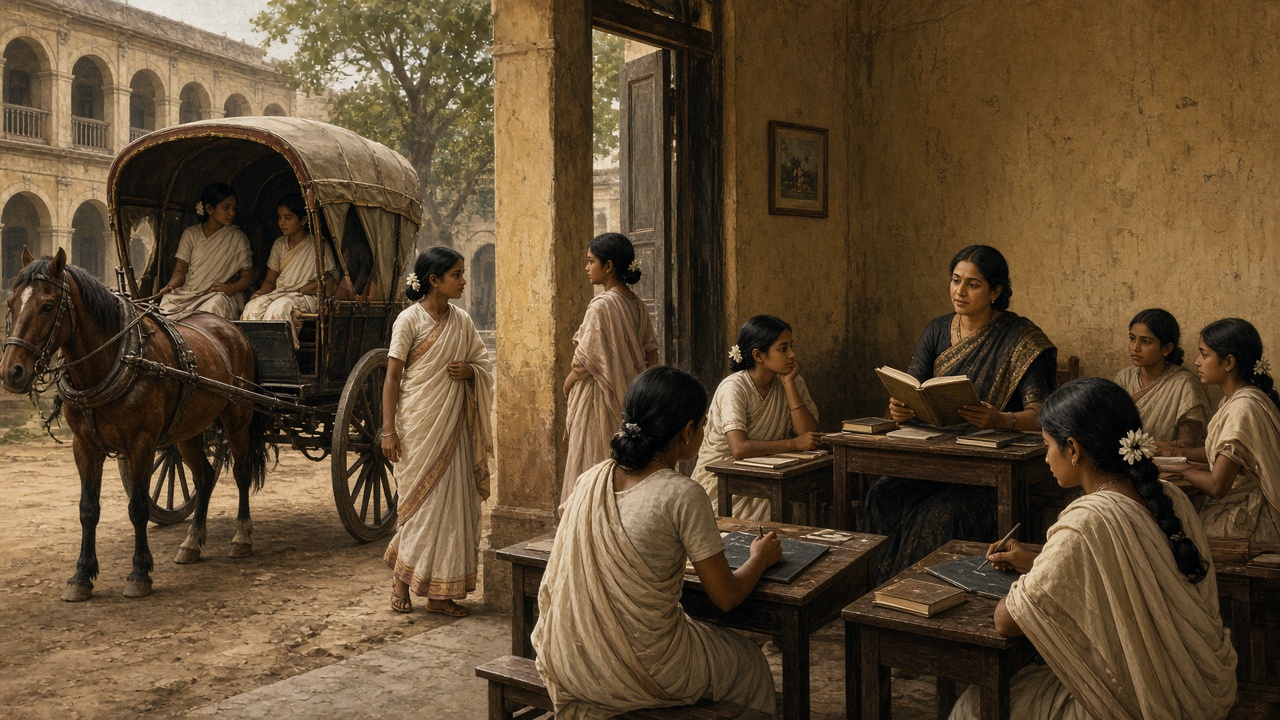
Early girls’ schools sometimes sent covered carriages to bring girls safely to class (artistic illustration).
1819–1821: Missionary groups open some of the first girls’ schools in Calcutta.
1 January 1848: Jyotirao and Savitribai Phule open a girls’ school at Bhide Wada, Pune; Savitribai and Fatima Sheikh teach there.
1849: J. E. D. Bethune founds the Calcutta Female School (later Bethune School) with support from Vidyasagar.
1854 / 1857–58 / 1879: Wood’s Despatch supports female education; Vidyasagar helps open dozens of girls’ schools in Bengal; Bethune College becomes one of Asia’s first women’s colleges.
What Girls Learned
Reading & writing: In Marathi, Bengali, and other languages.
Arithmetic & geography: Basic school subjects.
Slates & primers: Simple printed books and chalk slates.
Features
Social resistance: Families feared schooling would “spoil” girls.
Reformers’ courage: Teachers faced insults and boycotts.
Caste reform: Phules also taught Dalit children and girls.
🎓 Breaking Barriers1882 – 1946
First Women Graduates & Professionals
Indian women entered universities and professions for the first time — as graduates, doctors, lawyers, and teachers. Women reformers opened schools and homes for widows and girls, and the women’s movement made education a key demand of the freedom struggle.
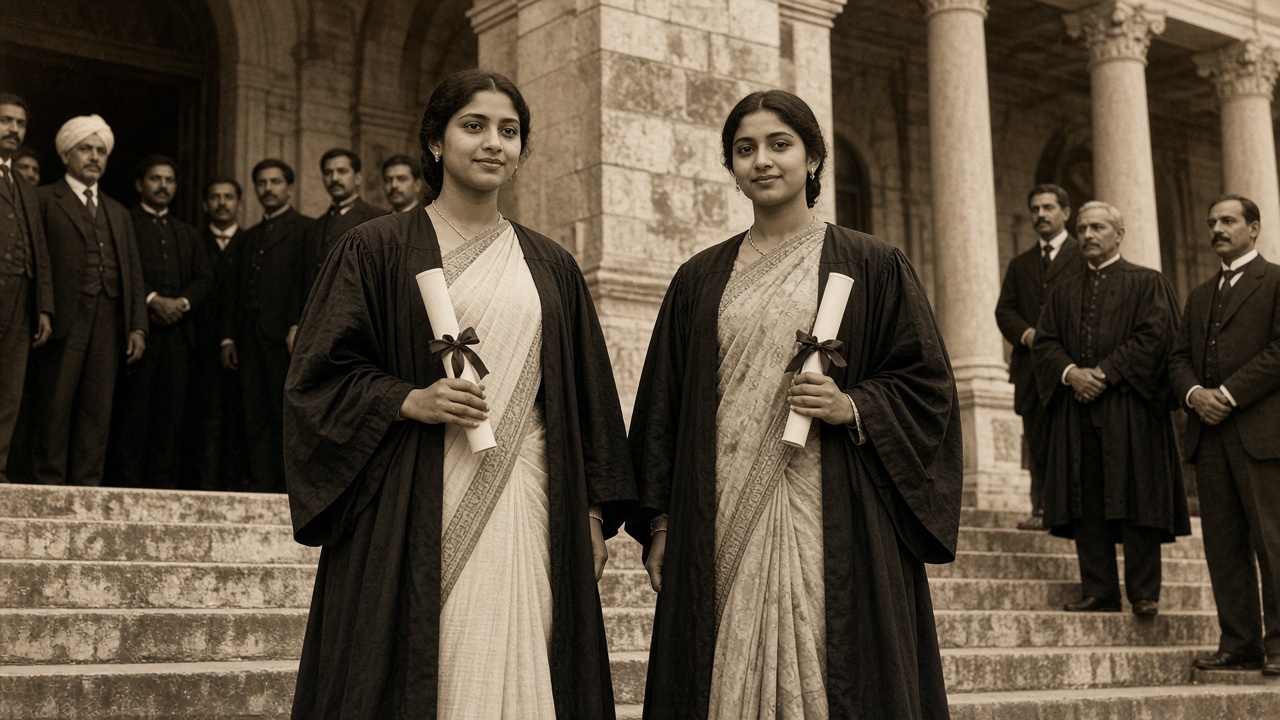
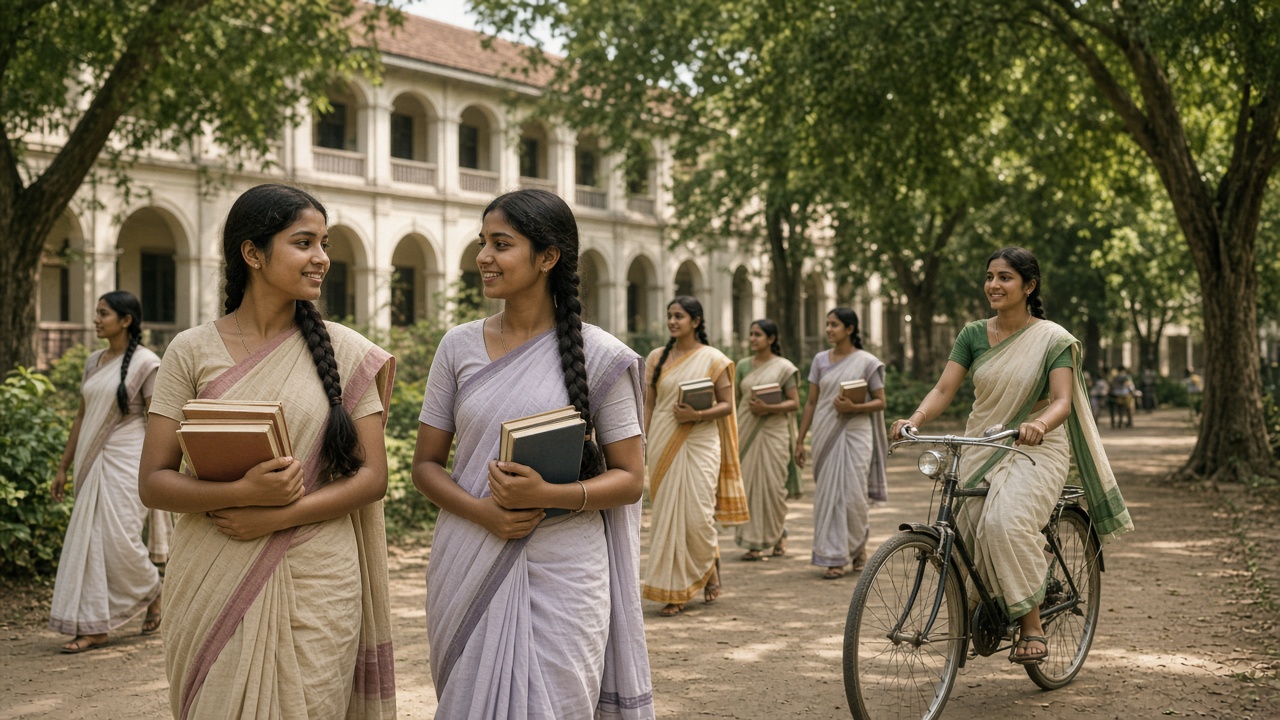
In 1883, the first women graduated from the University of Calcutta (artistic illustration).
1882 / 1883: Hunter Commission urges support for girls’ schools; Kadambini Ganguly and Chandramukhi Basu become the first women graduates of Calcutta University.
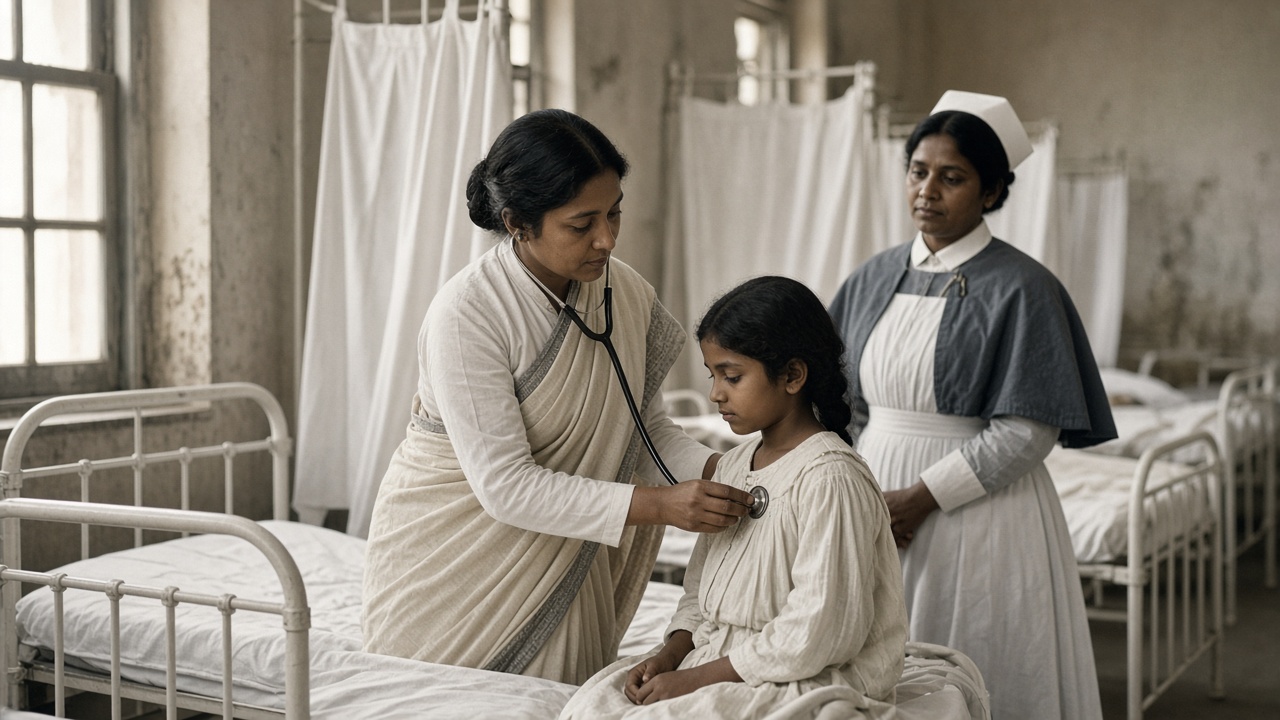
1886: Anandibai Joshi earns a medical degree in the USA and Kadambini Ganguly completes medical studies in Calcutta — India’s first women doctors in Western medicine.
1889–1911: Pandita Ramabai’s Sharada Sadan for widows; Cornelia Sorabji studies law at Oxford; D. K. Karve’s widows’ home (1896); Sister Nivedita’s girls’ school (1898); Begum Rokeya’s Sakhawat Memorial Girls’ School (1911).
1916–1929: SNDT Women’s University and Lady Hardinge Medical College; All India Women’s Conference (1927) campaigns for girls’ education; Child Marriage Restraint (Sarda) Act (1929).
New Opportunities
Women’s colleges: Separate colleges made families more willing to send daughters.
Medical training: Women doctors treated women patients in purdah.
Teacher training: Women teachers made girls’ schools possible.
Features
Role models: First graduates inspired thousands of girls.
Women’s organisations: AIWC and others lobbied for reform.
Still rare: Female literacy was under 10% before independence.
⚖️ Equal Citizens1947 – 1985
Independence & Equal Rights
The Constitution gave women equal rights and allowed special measures for them. National committees studied why girls dropped out and recommended hostels, women teachers, scholarships, and free education for girls.
After independence, more young women joined colleges to become teachers, doctors, and officers.
1950: Constitution guarantees equality (Article 14), bans sex discrimination (Article 15), and allows special provisions for women (Article 15(3)).
1958–59: National Committee on Women’s Education, chaired by Durgabai Deshmukh, recommends special efforts; National Council for Women’s Education set up.
1962–1966: Hansa Mehta Committee calls for a common curriculum for boys and girls; Kothari Commission stresses girls’ education.
1974:Towards Equality report on the status of women highlights low female literacy and school dropout.
Support for Girls
Free education for girls: Many states waived fees for girls.
Hostels & women teachers: Helped rural parents send daughters to school.
Scholarships: Aid for girls from disadvantaged communities.
Features
Legal equality: Women equal citizens in education and jobs.
Steady progress: Female literacy rose from 8.9% (1951) to 29.8% (1981).
Wide gaps: Rural girls still far behind boys and urban girls.
✍️ Literacy for All1986 – 2009
Literacy Missions & Girls’ Schemes
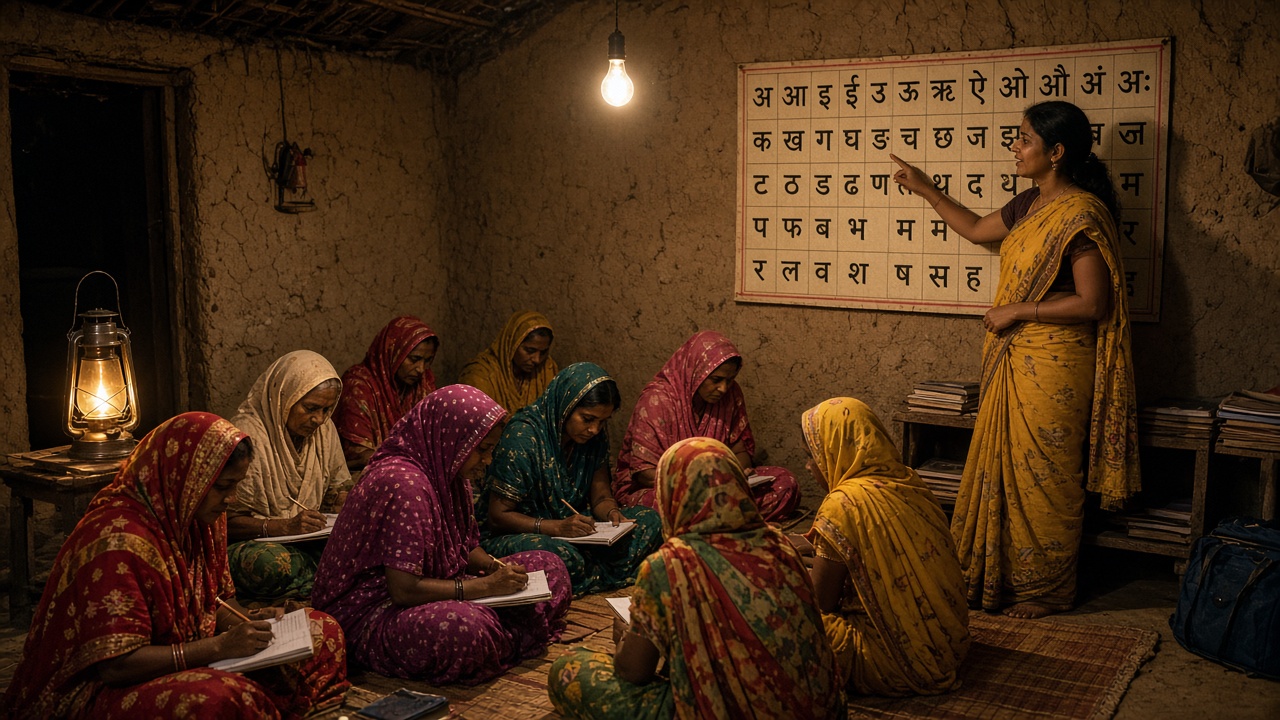
The 1986 education policy made education a tool for women’s equality. Literacy campaigns reached millions of rural women, and national schemes built girls’ hostels, gave free bicycles, and brought girls back to school.
Evening literacy classes helped millions of rural women learn to read and write.
1986: National Policy on Education includes “Education for Women’s Equality.”
1988: National Literacy Mission and Mahila Samakhya use education to empower rural women.
1994 / 2001 / 2003: DPEP targets girls’ enrolment; Sarva Shiksha Abhiyan; National Programme for Education of Girls at Elementary Level (NPEGEL).
2004 / 2006 / 2009: Kasturba Gandhi Balika Vidyalayas for girls; Bihar’s free bicycles for schoolgirls; Saakshar Bharat mission focuses on female literacy.
What Schemes Provided
Residential schools: Safe hostels for girls from poor families.
Free bicycles & uniforms: Easier travel to distant schools.
Women’s groups: Sanghas helped women learn together.
Features
Enrolment jump: Female literacy rose to 53.7% by 2001.
Separate toilets: School toilets helped keep adolescent girls in school.
Community change: More parents valued daughters’ education.
🚀 Learn & Lead2010 – Present
Beti Padhao, STEM & Leadership
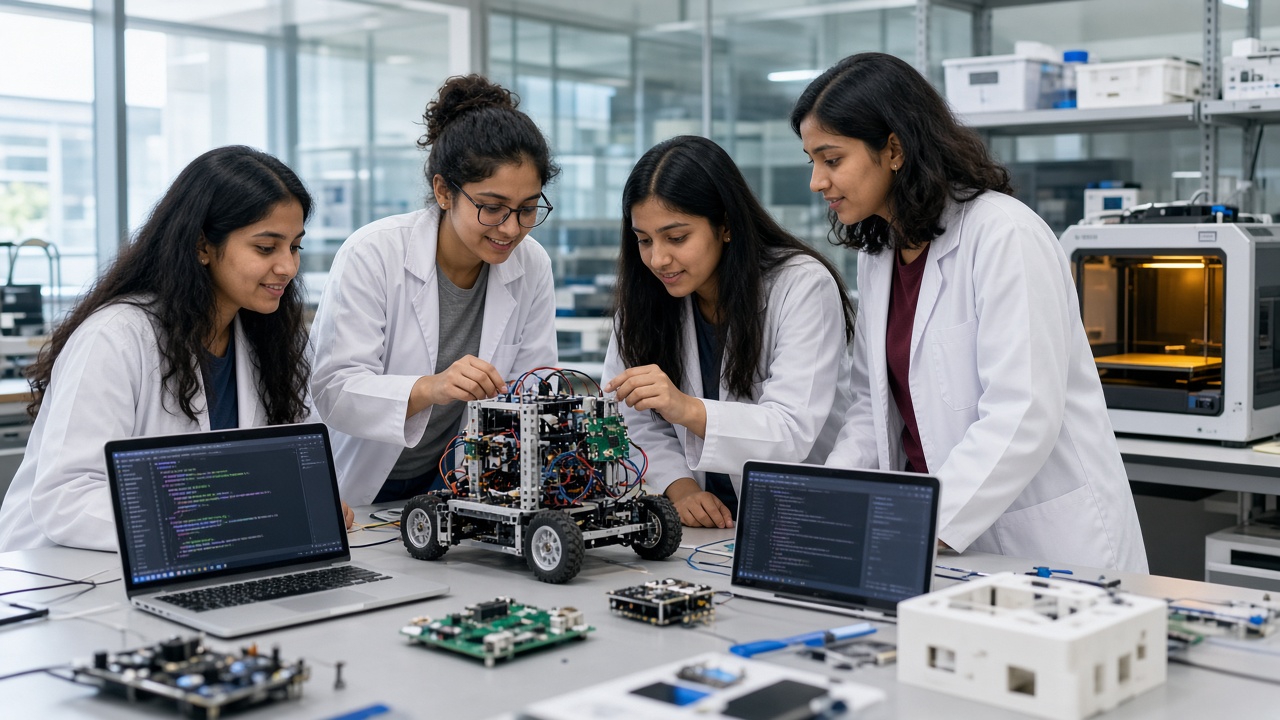
Girls now enrol in school at nearly the same rate as boys, and women match men in higher education enrolment. Campaigns, scholarships, and new rules open science, technology, defence, and leadership careers to women.
Young women in India are building robots, writing code, and leading research teams.
2010 / 2011: RTE Act guarantees free schooling for girls and boys aged 6–14; Census records female literacy of about 65.5%.
2014 / 2015: AICTE Pragati scholarship for girls in technical education; Beti Bachao Beti Padhao launched (22 January 2015) and Sukanya Samriddhi savings scheme.
2018 / 2019 / 2020: Supernumerary seats raise women’s share in IITs; Vigyan Jyoti encourages girls in STEM; NEP 2020 proposes a Gender-Inclusion Fund.
2021–present: Girls admitted to Sainik Schools; women allowed into the NDA (first batch 2022); female enrolment in higher education equals or exceeds male enrolment.
Tools & Support
Scholarships: Pragati, merit, and state schemes for girls.
Digital learning: Online courses let women study from home.
STEM mentoring: Science camps and role-model programmes.
Features
Women in STEM: Women form a large share of India’s science and engineering graduates.
New careers: Defence, aviation, space, and startups.
Remaining challenges: Dropout in some regions, safety, and low workforce participation.
Pioneers of Women’s Education in India
India’s first women doctors opened medicine as a career for women (artistic illustration).
Name
Period
Contribution
Savitribai Phule
1831–1897
India’s first woman teacher; opened schools for girls and Dalits
Fatima Sheikh
19th century
Taught with Savitribai; among India’s first Muslim women teachers
Ishwar Chandra Vidyasagar
1820–1891
Opened girls’ schools and supported widow remarriage
Kadambini Ganguly
1861–1923
One of the first women graduates and doctors
Chandramukhi Basu
1860–1944
One of the first women graduates; later principal of Bethune College
Anandibai Joshi
1865–1887
First Indian woman to earn a medical degree (USA, 1886)
Pandita Ramabai
1858–1922
Scholar; founded Sharada Sadan for widows and girls
Cornelia Sorabji
1866–1954
First woman to study law at Oxford; first woman lawyer in India
Dhondo Keshav Karve
1858–1962
Founded SNDT Women’s University (1916)
Begum Rokeya Sakhawat Hossain
1880–1932
Writer; founded a girls’ school for Muslim girls in Calcutta
Durgabai Deshmukh
1909–1981
Chaired the National Committee on Women’s Education
Hansa Mehta
1897–1995
Educationist; among India’s first women vice-chancellors
Female Literacy in India (Census)
Literacy rates (%) from the Census of India show how fast the gender gap has narrowed since independence. Figures for 1951–1971 are for age 5+; from 1981 for age 7+.
Census year
Female (%)
Male (%)
Overall (%)
1951
8.86
27.16
18.33
1961
15.35
40.40
28.30
1971
21.97
45.96
34.45
1981
29.76
56.38
43.57
1991
39.29
64.13
52.21
2001
53.67
75.26
64.83
2011
65.46
82.14
74.04
Key Schemes for Girls’ & Women’s Education
These programmes removed barriers such as cost, distance, safety, and social attitudes.
Scheme
Began
Benefit
Mahila Samakhya
1988
Education and empowerment for rural women
National Literacy Mission
1988
Adult literacy campaigns reaching millions of women
NPEGEL
2003
Model cluster schools and support for girls in backward areas
Kasturba Gandhi Balika Vidyalaya
2004
Free residential schools for disadvantaged girls
State bicycle schemes
2006 onward
Free bicycles to help girls reach secondary school
Saakshar Bharat
2009
Adult literacy with a focus on women
AICTE Pragati Scholarship
2014
Scholarships for girls in technical education
Beti Bachao Beti Padhao
2015
Campaign to save and educate the girl child
Sukanya Samriddhi Yojana
2015
Savings scheme for a daughter’s education and future
Vigyan Jyoti
2019
Encourages girls to pursue science and engineering
Women’s Education: Then vs Now
Aspect
Earlier
Now
Attitude
“Education is not for girls”
Girls’ education seen as essential
Female literacy
Under 9% in 1951
About 65% in 2011 and rising
Schools
Very few girls’ schools, mostly in cities
Schools in almost every village; girls’ hostels
Marriage age
Child marriage common
Legal minimum age 18; more girls finish school
Higher education
Only a handful of women graduates
Women nearly half of college students
Careers
Teaching and nursing only
Science, engineering, medicine, defence, space, and business
Support
Private reformers and missionaries
National schemes, scholarships, and legal rights
Role models
A few pioneers
Women scientists, officers, athletes, and leaders
Women’s Education Timeline Summary
Year / Era
Milestone
Vedic period
Women seers compose hymns; Gargi and Maitreyi
c. 6th–3rd century BCE
Buddhist nuns compose the Therigatha
1848
Phules open a girls’ school in Pune
1849
Bethune’s Calcutta Female School
1879
Bethune College for women
1883
First women graduates of Calcutta University
1886
First Indian women doctors
1889
Pandita Ramabai’s Sharada Sadan
1916
SNDT Women’s University
1927
All India Women’s Conference
1950
Constitution guarantees equality
1958–59
National Committee on Women’s Education
1986
Education for Women’s Equality (NPE)
1988
Mahila Samakhya and National Literacy Mission
2004
Kasturba Gandhi Balika Vidyalayas
2015
Beti Bachao Beti Padhao
2019
Vigyan Jyoti for girls in STEM
2022
First women cadets join the NDA
Test Your Knowledge
20 quick questions from the women’s education timeline. Click each question to reveal the answer.
Answer: Gargi Vachaknavi.
Answer: A collection of poems by early Buddhist nuns.
Answer: Gulbadan Begum.
Answer: Savitribai Phule.
Answer: Bhide Wada, Pune.
Answer: Fatima Sheikh.
Answer: J. E. D. Bethune (with Vidyasagar’s support).
Answer: Ishwar Chandra Vidyasagar.
Answer: Kadambini Ganguly and Chandramukhi Basu (1883).
Answer: Anandibai Joshi.
Answer: Pandita Ramabai (1889).
Answer: Cornelia Sorabji.
Answer: SNDT Women’s University (1916), founded by D. K. Karve.
Click any panel to expand and explore the visual mood.
Women’s education in India in pictures — ancient scholars, early girls’ schools, first graduates and doctors, college campuses, literacy classes, STEM labs, and space missions.
Ancient Scholars
Gargi and Maitreyi
First Girls’ Schools
Reformers lead the way
First Graduates
1883 breakthrough
Women Doctors
Pioneers in medicine
Women’s Colleges
Independent India
Literacy Missions
Learning at every age
Women in STEM
Robots and code
Space Scientists
Reaching for the stars
Explore all education timelines
Jump to any other education timeline on WorldTimelineHub.
Disclaimer: This content is AI-generated for educational purposes and may contain errors or outdated details. For correct and authoritative information, please refer to official and reliable sources such as government publications, manufacturers, museums, and academic references.