From reed pens and quills to graphite pencils, fountain pens, ballpoints, erasers, markers, and digital styluses —
the instruments that turned thought into lasting marks on paper and screens.
This timeline follows the tools inside every school bag in India and around the world — how each new pen, pencil, eraser,
and digital pen changed practice, exams, and everyday note-taking.
Writing tools decide how fast we record ideas, how easily we correct mistakes, and whether notes survive for revision.
Cheap pencils and ballpoints made mass schooling practical; erasers made practice safer; digital pens now sync handwriting to the cloud.
Related timelines:
classroom tools,
printing,
Indian scripts.
Big picture
Writing tools in one view
Instruments moved from dipped reeds and quills to self-contained pens, mass-market pencils, and pressure-sensitive styluses.
Indian stationery makers put affordable pens and pencils in nearly every school bag.
1795
Conté process for pencil cores
1938
Ballpoint pen patented
c. 1770
Rubber eraser popularised
2010s
Styluses go mainstream
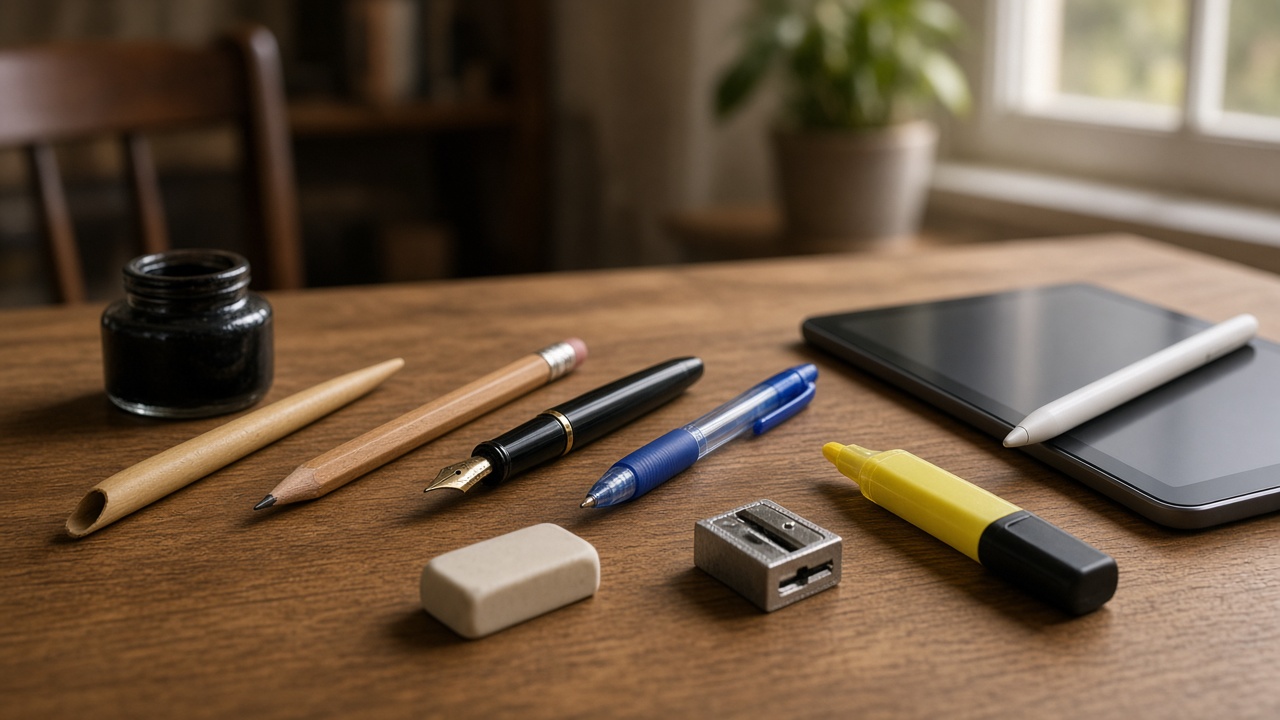
From reed and pencil to ballpoint and stylus — writing tools across the generations.
🪶 First PensAncient – 1850
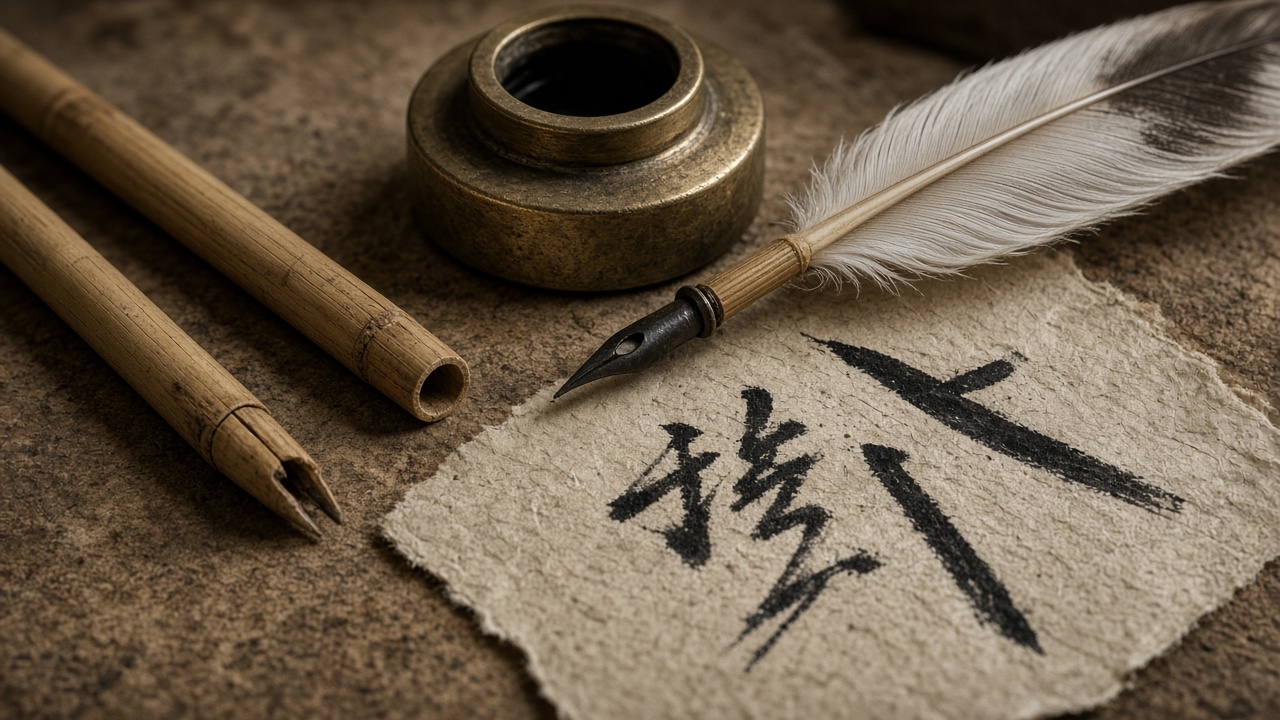
Reed, Quill & Dip Pens
Early writers cut reed or bamboo stems, or sharpened bird feathers, and dipped them in ink. Steel nibs later replaced quills on school desks with inkwells.
Reed pens and quills needed constant dipping — skilled writing, but slow and messy.
Ancient world: Reed pens on papyrus, palm leaf, and birch bark across India, Egypt, and West Asia.
Medieval era: Quill pens dominate European manuscript culture.
1800s: Mass-produced steel-nib dip pens and desk inkwells enter schools.
India: Pathshala and madrasa students write with reed pens and soot or lampblack inks.
Technology Used
Reed / bamboo tip: Split and cut to form a flexible ink channel.
Quill: Flight feather hardened and shaped into a nib.
Dip ink: Carbon or iron-gall ink kept in pots or wells.
Features
Expressive line: Pressure changes stroke width.
Skill heavy: Writers refilled often and managed blotting.
No reservoir: Travel and exams were inconvenient.
✏️ Graphite Core1560s – Present
Graphite Pencils
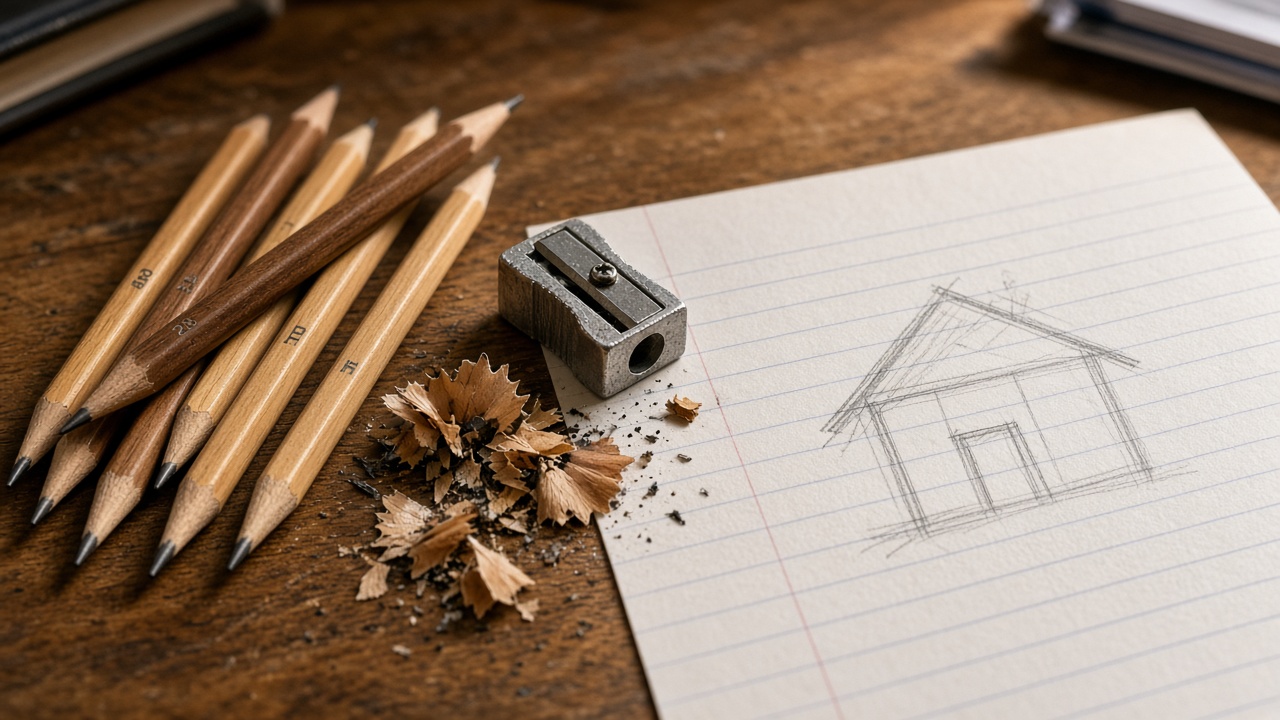
The wooden pencil made drafting, arithmetic, and classroom practice erasable and cheap. Graphite–clay cores, graded hardness, and Indian makers like Nataraj put pencils in every bag.
Graphite and clay — not lead — make the mark that erasers can still remove.
1560s: Borrowdale graphite deposits in England fuel early “lead” pencils.
1795: Nicolas-Jacques Conté mixes graphite with clay for consistent cores.
1800s–1900s: Hexagonal wooden pencils, ferrules, and HB grading become standard.
1958 onward: Hindustan Pencils (Nataraj) and peers scale school stationery in India.
Technology Used
Graphite–clay core: Hardness tuned by clay ratio (H / B grades).
Cedar casing: Easy to sharpen, protective, and light.
Ferrule & tip eraser: Built-in correction for school work.
Features
Erasable: Ideal for maths, drafting, and first drafts.
Low cost: Works without ink or electricity.
Needs sharpening: Point wears down quickly in exams.
✒️ Self-Filling Ink1880s – 1960s
Fountain Pens
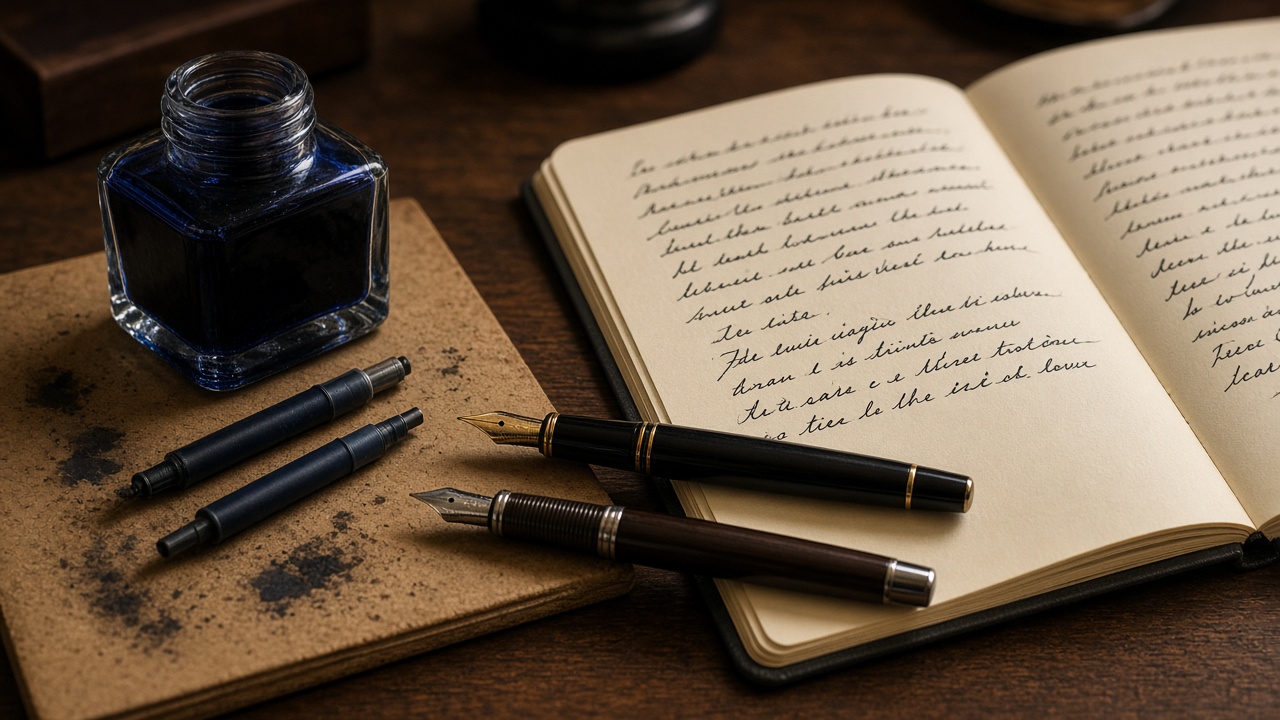
Fountain pens stored ink inside the barrel and fed a metal nib — ending constant dipping. They defined “good handwriting” culture in Indian schools for decades.
Internal reservoirs and metal nibs made ink writing portable and refined.
1884: Lewis Waterman patents a practical capillary feed fountain pen.
1900s: Lever fillers, piston fillers, and later cartridges simplify refills.
1932: Ratnam Pen Works in Rajahmundry builds Indian fountain pens.
Mid-1900s: School fountain pens remain a status and handwriting tool before ballpoints win.
Technology Used
Metal nib: Flexible tip that spreads liquid ink.
Feed & reservoir: Capillary channels control ink flow.
Cartridges / converters: Cleaner modern refills.
Features
Smooth writing: Low pressure, elegant line variation.
Portable ink: No desk inkwell required.
Maintenance: Leaks, clogging, and drying need care.
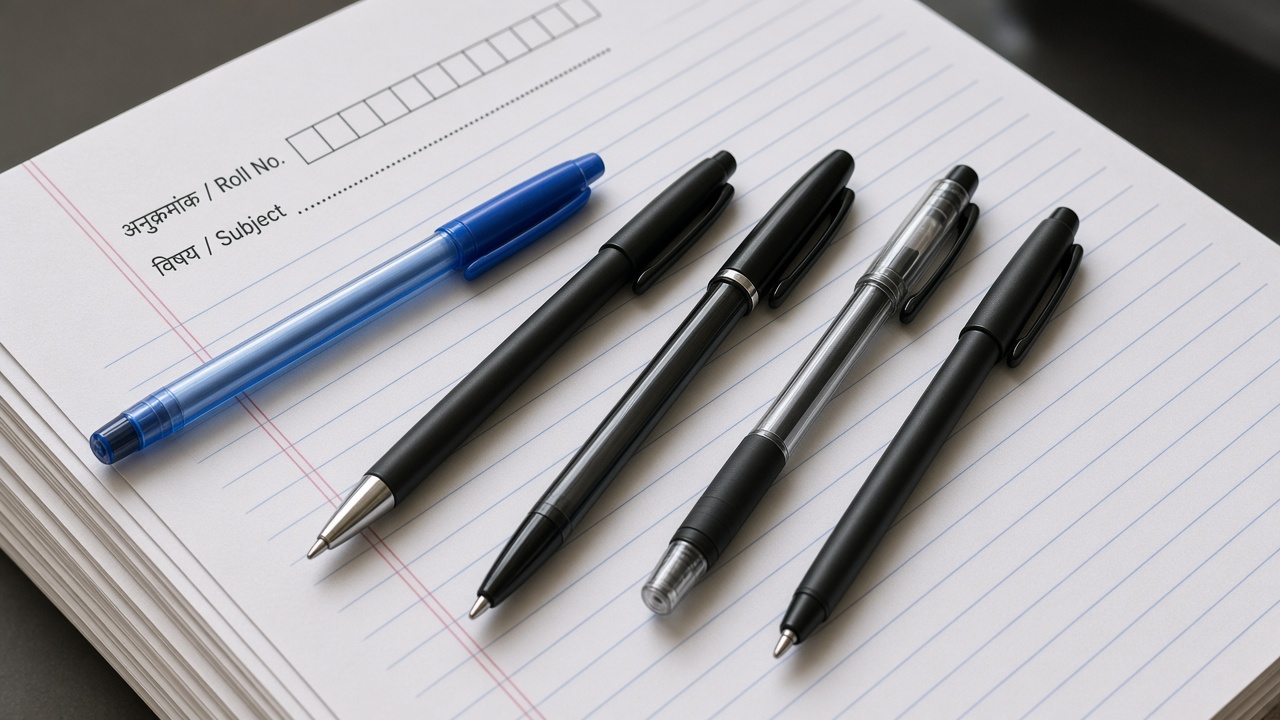
🖊️ Everyday Ink1938 – Present
Ballpoint, Gel & Rollerball
A tiny rolling ball metering quick-drying ink made writing nearly fail-proof. Ballpoints, then gel and rollerball pens, became the default exam and office tool worldwide.
Cheap, reliable, and always ready — the pens that filled exam halls.
1938: László Bíró patents the modern ballpoint; wartime and postwar manufacturing scale up.
1950s–70s: Disposable ballpoints flood schools and offices.
1980s–90s: Rollerball and gel pens offer smoother, brighter ink.
India: Camlin and countless local makers supply blue/black ballpoints for board exams.
Technology Used
Ball & socket tip: Metal ball rolls oil- or water-based ink onto paper.
Viscous ink: Dries fast, resists smudging.
Gel / roller systems: Pigment gels for smoother colour.
Features
Reliable: Writes on many papers; rarely spills.
Mass affordable: Disposable costs pennies.
Harder to erase: Permanent notes for exams and records.
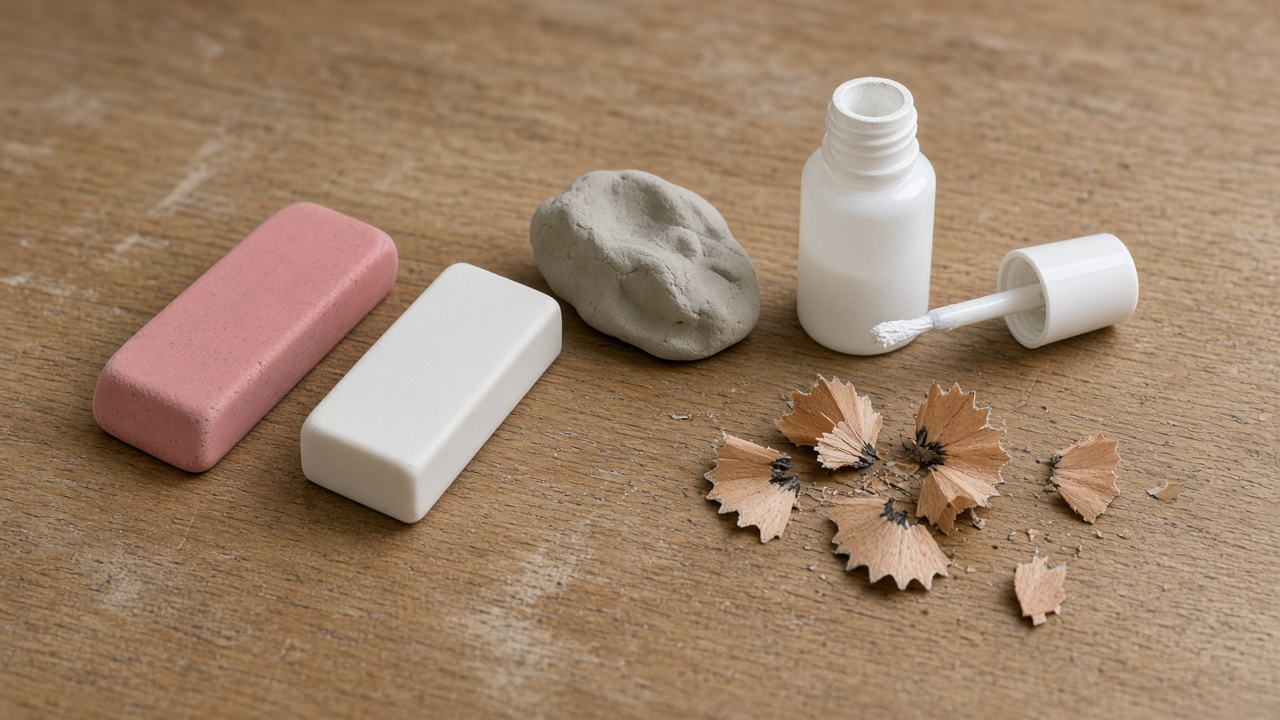
🧽 Undo on Paper1770 – Present
Erasers, Sharpeners & Correction
Erasers, sharpeners, and correction fluid completed the writing kit — making mistakes temporary and pencils reusable for hours of practice.
From rubber erasers to correction fluid — tools that forgive mistakes.
c. 1770: Edward Nairne popularises rubber erasers (earlier: bread crumbs).
1839: Vulcanisation improves durable rubber products including erasers.
1800s–1900s: Hand and crank sharpeners replace knives for classroom safety.
1956 / later: Correction fluid and tapes fix ink mistakes without rewriting pages.
Technology Used
Natural / synthetic rubber: Abrades graphite particles from paper fibres.
Vinyl / plastic erasers: Cleaner erase with less smear.
Correction fluid / tape: Opaque cover for ink errors.
Features
Practice friendly: Students revise without wasting paper.
Exam essential: Sharpener + eraser is still a board-exam kit.
Surface wear: Heavy erasing can thin or tear paper.
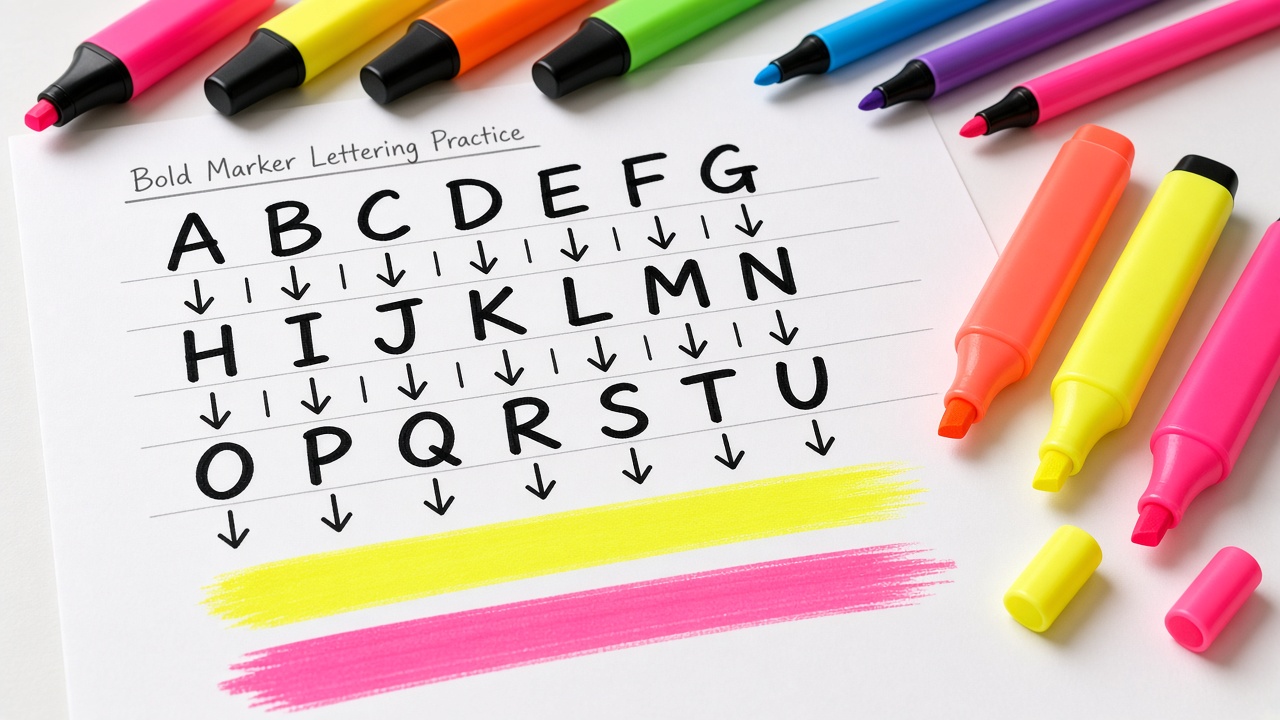
🖍️ Colour & Emphasis1950s – Present
Markers & Highlighters
Felt-tip markers and fluorescent highlighters added colour coding to notes, posters, and whiteboards — tools for revision as much as for art.
Highlighters and markers turn notes into colour-coded study maps.
1950s–60s: Felt-tip markers spread for posters and labelling.
1963 / 1970s: Fluorescent highlighters become student staples.
Click any panel to expand and explore the visual mood.
Writing tools in pictures — reeds, pencils, pens, erasers, markers, and digital styluses.
Evolution
Desk of eras
Reed & Quill
Dip ink age
Pencils
Graphite cores
Fountain Pens
Nib and reservoir
Ballpoints
Exam ready
Erasers
Undo on paper
Markers
Colour emphasis
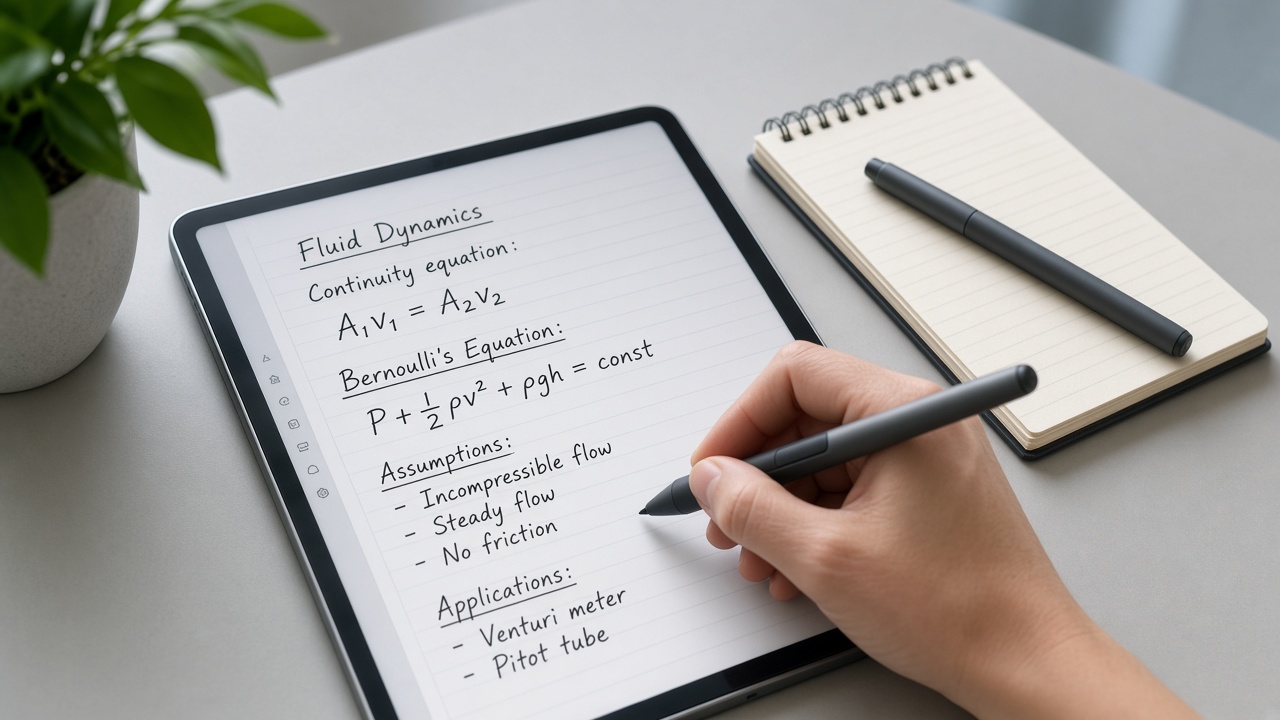
Digital Pens
Stylus & tablet
Explore all education timelines
Jump to any other education timeline on WorldTimelineHub.
Disclaimer: This content is AI-generated for educational purposes and may contain errors or outdated details. For correct and authoritative information, please refer to official and reliable sources such as government publications, manufacturers, museums, and academic references.