From capturing carbon and scaling solar and wind, to EVs and green hydrogen—and the contested frontier of geoengineering—how technology meets the climate crisis.
CCS -> RenewablesEVs & H2Geoengineering
Why Climate Tech Matters
Limiting warming needs cleaner power, cleaner transport, and tools for hard-to-abate emissions. Climate tech is that toolbox—plus a warning that some proposals (like solar geoengineering) carry risks as large as the problem they claim to fix.
This timeline follows carbon capture, renewables, EVs, green hydrogen, and geoengineering debates as one story.
Big picture
Climate tech in one view
Trap CO2, replace fossil electricity, electrify cars, make clean hydrogen for industry—and argue over whether humans should dim the sky. The safest path still starts with cutting emissions fast.
From capture plants to renewables, EVs, hydrogen, and contested sky interventions.
Trap the Carbon1970s - Present
Carbon Capture
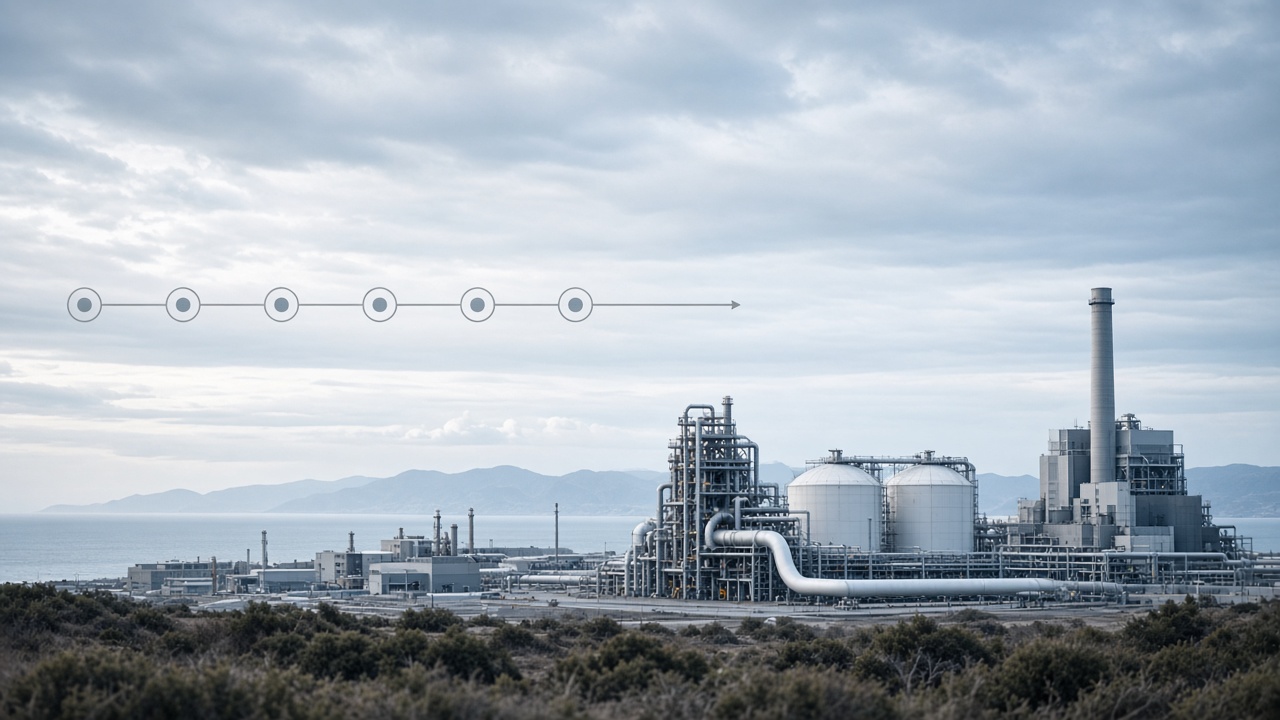
Carbon capture and storage (CCS) pulls CO2 from flue gas or the air and injects it underground—or uses it (CCUS). Early projects grew from oilfield know-how; today it is pitched for cement, steel, and residual power emissions.
CCS era: catch CO2 before it becomes atmosphere.
Industrial capture and enhanced oil recovery trials expand.
Direct air capture (DAC) pilots appear—still costly.
Critics warn CCS must not delay renewables and efficiency.
Technology Used
Amine scrubbing / solvents: Separate CO2 from flue gas.
Pipelines & wells: Transport and geologic storage.
DAC units: Capture dilute CO2 from ambient air.
Features
Hard-sector tool: Useful where electrification is hard.
Energy cost: Capture itself uses power.
Permanence: Storage monitoring is essential.
Clean Electrons1980s - Present
Renewables
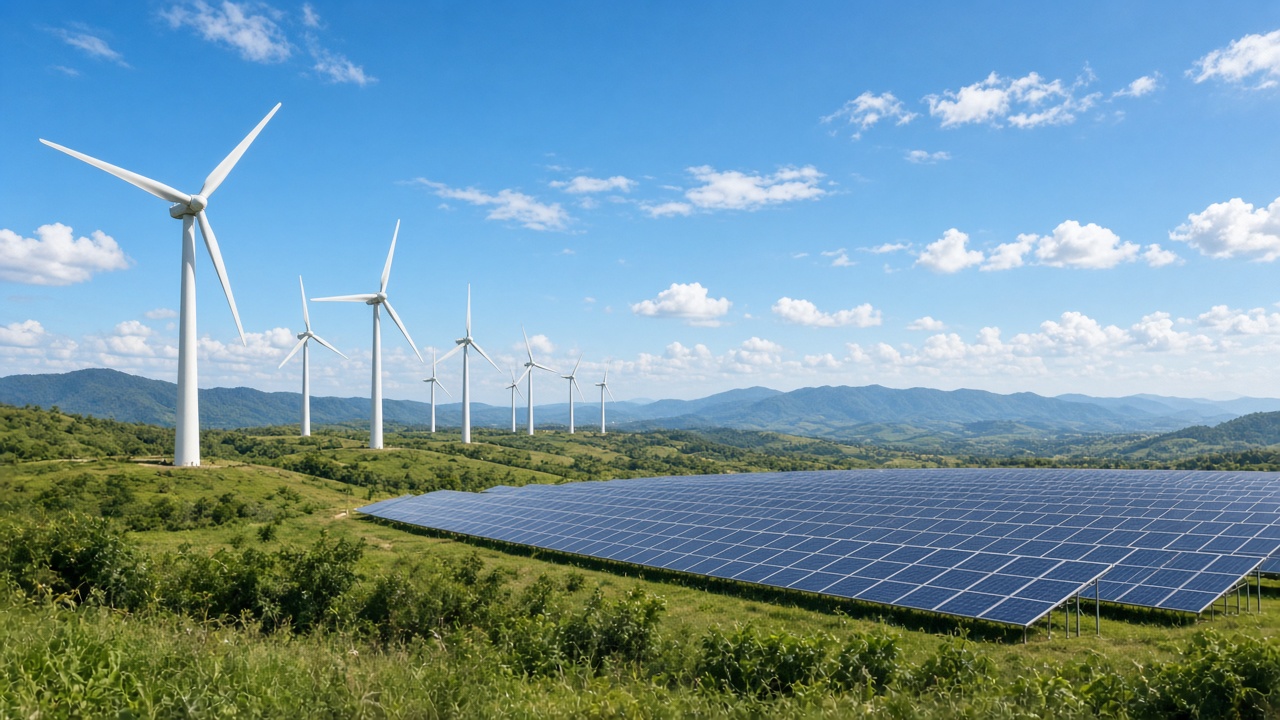
Solar PV and wind scaled from niche to cheapest new power in many regions. Grids, storage, and transmission became the bottleneck—not whether panels and turbines work.
Renewables era: sun and wind as mainstream generation.
Policy support and manufacturing drive cost collapses.
Utility-scale parks and rooftop solar both grow.
India becomes a major solar and wind market.
Technology Used
PV modules & inverters: Convert sunlight to AC.
Wind turbines: Onshore and offshore machines.
Batteries & grid ops: Firm variable supply.
Features
Near-zero ops emissions: No fuel burn for electrons.
Jobs & industry: Manufacturing and installation boom.
Wheels Without Tailpipes1990s - Present
Electric Vehicles
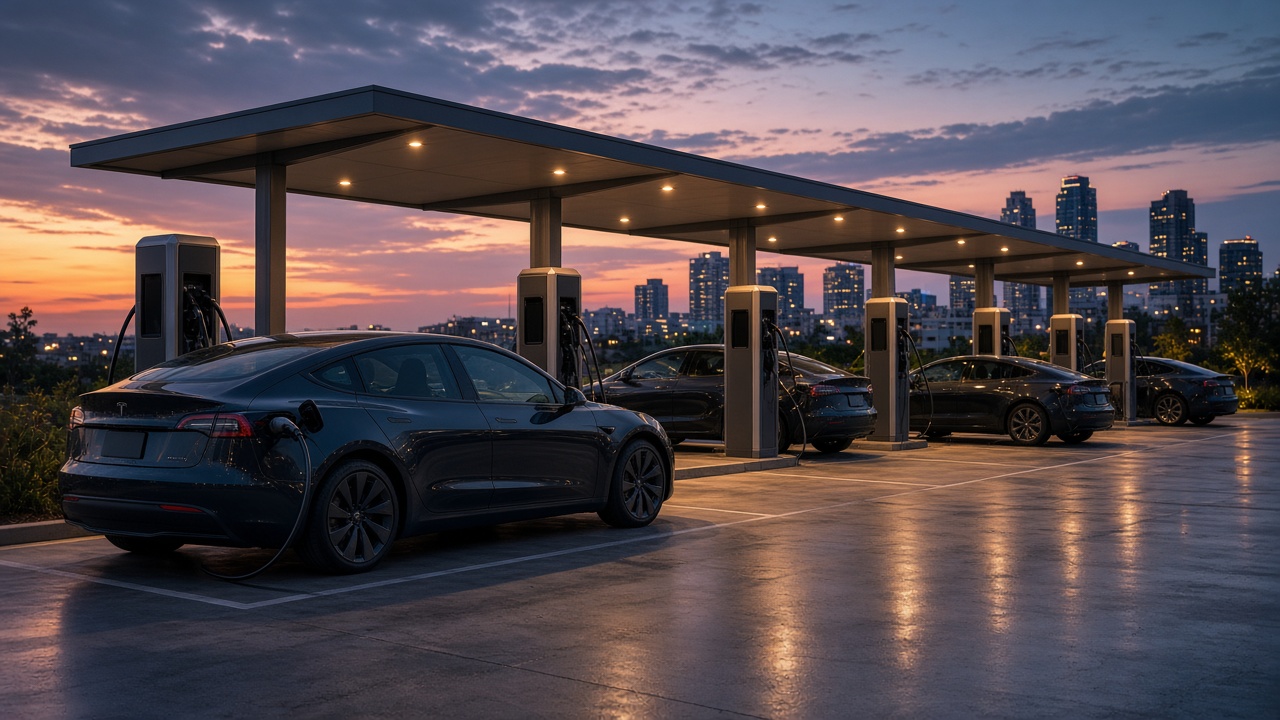
Battery EVs moved from prototypes to mass markets as lithium-ion packs improved. Climate gains depend on clean grids; local air quality improves even sooner. Charging networks and minerals supply chains are the new frontiers.
EV era: transport powered by batteries and plugs.
Passenger EVs and e-two-wheelers scale in many markets.
India’s FAME and state policies push adoption.
Buses and trucks electrify more slowly but matter hugely.
Technology Used
Li-ion packs: Energy density for range.
Motors & power electronics: Efficient drivetrains.
Chargers & V2G pilots: Grid-connected mobility.
Features
Zero tailpipe: Better city air.
Lifecycle depends on grid: Cleaner power = cleaner miles.
Minerals: Responsible sourcing for batteries.
Clean Molecules2010s - Present
Green Hydrogen
Green hydrogen is made by splitting water with renewable electricity. It targets steel, fertiliser, shipping, and seasonal storage—where batteries alone struggle—if costs and electrolyser scale improve.
Hydrogen era: renewable electrons become clean fuel molecules.
National hydrogen missions and industrial offtake plans appear.
“Colours” of hydrogen (grey, blue, green) clarify emissions.
India announces a National Green Hydrogen Mission.
Technology Used
Electrolysers: Alkaline, PEM, and newer stacks.
Compression & pipelines: Move and store H2.
Fuel cells / burners: End-use conversion.
Features
Hard-to-abate fit: Industry and long-haul niches.
Efficiency loss: Not for every use case vs direct electrification.
Scale race: Cheap renewables decide winners.
Planet-Scale Experiment?1990s - Future
Geoengineering
Geoengineering proposes deliberate climate intervention—from enhanced carbon removal to solar radiation management (reflecting sunlight). Most scientists treat it as high-risk research, not a substitute for emissions cuts, with no settled global governance.
Geoengineering era: ideas that could reshape the planet—and politics.
Research papers model stratospheric aerosols and marine cloud brightening.
Moral-hazard debates: fear of delaying mitigation.
Calls grow for transparent rules before any large outdoor tests.
Technology Used
Solar geo concepts: Aerosols, mirrors, cloud brightening (mostly models).
Speed (in theory): Could cool fast—with unknown risks.
Governance vacuum: Who decides for Earth?
Best use: Research + CDR; prioritise cutting emissions.
Climate Tech Summary
Year / Era
Milestone
Why it matters
1970s–
Carbon capture
Trap residual industrial CO2.
1980s–
Renewables
Clean electricity at scale.
1990s–
EVs
Decarbonise road transport.
2010s–
Green hydrogen
Clean molecules for hard sectors.
1990s–future
Geoengineering
High-risk planet-scale options.
Key Historical Events
Event
Year
Significance
Early CCS / industrial capture
1970s–
CO2 capture enters industry practice.
Wind & solar cost learning curves
1990s–
Renewables become competitive.
Paris Agreement
2015
Global climate goals frame tech needs.
EV mass-market wave
2010s–
Battery cars go mainstream.
Green hydrogen strategies
2020s
Nations fund electrolyser scale-up.
DAC pilots & CDR markets
2020s
Carbon removal becomes a business niche.
Geoengineering governance debates
ongoing
Rules lag technology ideas.
India RE + H2 missions
2010s–
National clean-tech industrial push.
Climate Tech at a Glance
Tool
Best for
Watch-out
Carbon capture
Industry residuals
Cost & lock-in risk
Renewables
Clean power
Grid & storage needs
EVs
Road transport
Charging & minerals
Green hydrogen
Hard-to-electrify
Efficiency losses
Geoengineering
Research / last resort
Risk & governance
Then vs Now
From niche pilots to mass renewables and EV markets.
Metric
Then
Now
Power
Fossil-dominant
RE competitive in many places
Cars
Petrol/diesel default
EV share rising fast
Industry
Few CCS projects
CCS + H2 roadmaps
Policy
Early climate talks
NDCs, missions, carbon markets
Planet hacks
Science fiction tone
Serious—but contested—research
Future Predictions
Near term: Renewables + storage and EVs keep scaling fastest.
Industry: Green hydrogen and CCS grow where electrification is hard.
CDR: More paid carbon removal, with quality scrutiny.
Geoengineering: Research continues; large deployment remains unlikely without global rules.
India spotlight
Climate Tech in India
India is among the world’s largest renewable markets, with EV incentives (including FAME), a National Green Hydrogen Mission, and growing interest in storage and industrial decarbonisation—while development and energy access remain central.
India spotlight: solar parks, EVs, and hydrogen missions.
Jump to any other world history timeline on WorldTimelineHub.
Disclaimer: This content is AI-generated for educational purposes and may contain errors or outdated details. For correct and authoritative information, please refer to official and reliable sources such as government publications, manufacturers, museums, and academic references.