From grass airfields and the jet-age runway boom, to mega hub airports, India’s UDAN regional push, and green airports powered by solar and cleaner ground ops.
Airfields -> Jet runwaysHubs & UDANGreen airports
Why Airport Infrastructure Matters
Planes need places to land, refuel, load people and cargo, and clear weather safely. Runways, terminals, towers, and ground systems decide how many flights a city can handle—and who can afford to fly.
This timeline follows first airfields, the jet age, hub airports, India’s UDAN scheme, and green airports as linked turning points.
Big picture
Airports in one view
Grass strips for pioneers, concrete jet runways, transfer mega-hubs, regional UDAN fields that open smaller Indian cities, and terminals chasing net-zero ground operations.
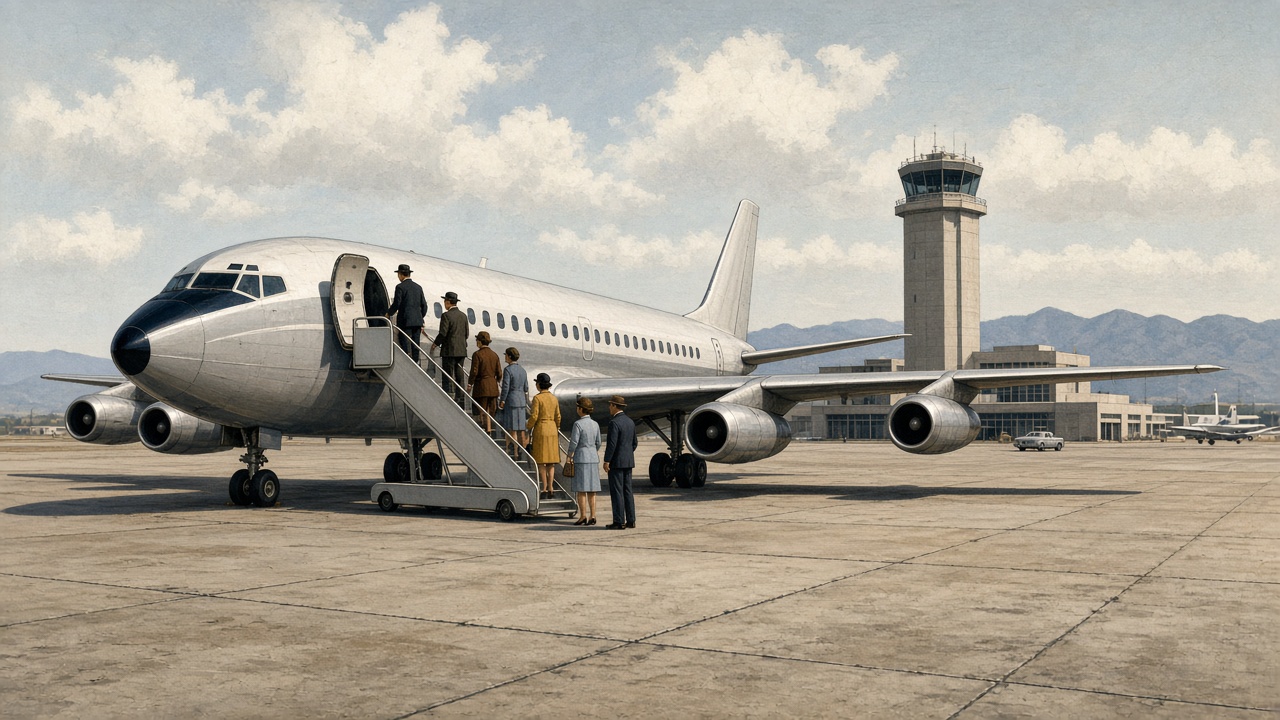
The first airfields were little more than flat fields: grass or packed earth, a hangar or tent, and a windsock. Built for military experiments, airmail, and barnstormers, they proved aviation needed dedicated ground space—long before glass terminals and jet bridges.
Airfield era: space to take off and land safely.
Grass strips and basic hangars dominate early sites.
Mail and military needs drive many first fields.
Cities begin reserving land for permanent aerodromes.
Concrete & Speed1950s–
Jet Age
Jet airliners remade airports. Longer, thicker runways, stronger pavements, bigger terminals, and new ATC capacity became mandatory. Passenger volumes surged; airports shifted from simple aerodromes to industrial-scale transport factories with jetways, fuel farms, and radar.
Jet era: runways and terminals scale up.
Concrete/asphalt runways replace short grass strips.
Passenger terminals and jet bridges become standard.
Noise, land use, and capacity debates grow with traffic.
Connect & ScaleModern
Hub Airports
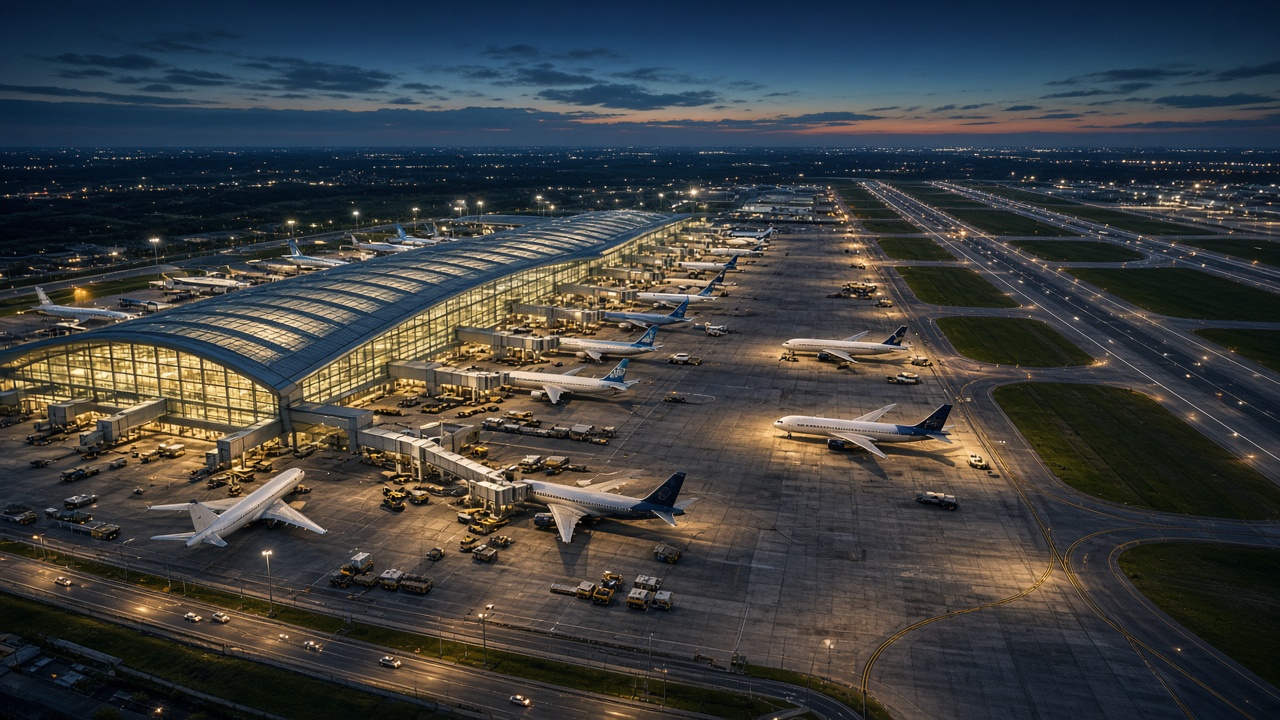
Hub airports concentrate connecting flights so one city can link dozens of destinations. Multiple runways, vast terminals, baggage systems, and airline banks of arrivals/departures turn infrastructure into a network machine—powerful for travellers, demanding for land, noise, and operations.
Hub era: transfer traffic multiplies routes.
Banks of connecting flights need tight turnaround times.
Parallel runways and large terminals raise throughput.
Major Indian metros expand as domestic and global hubs.
Regional AccessIndia
India’s UDAN Scheme
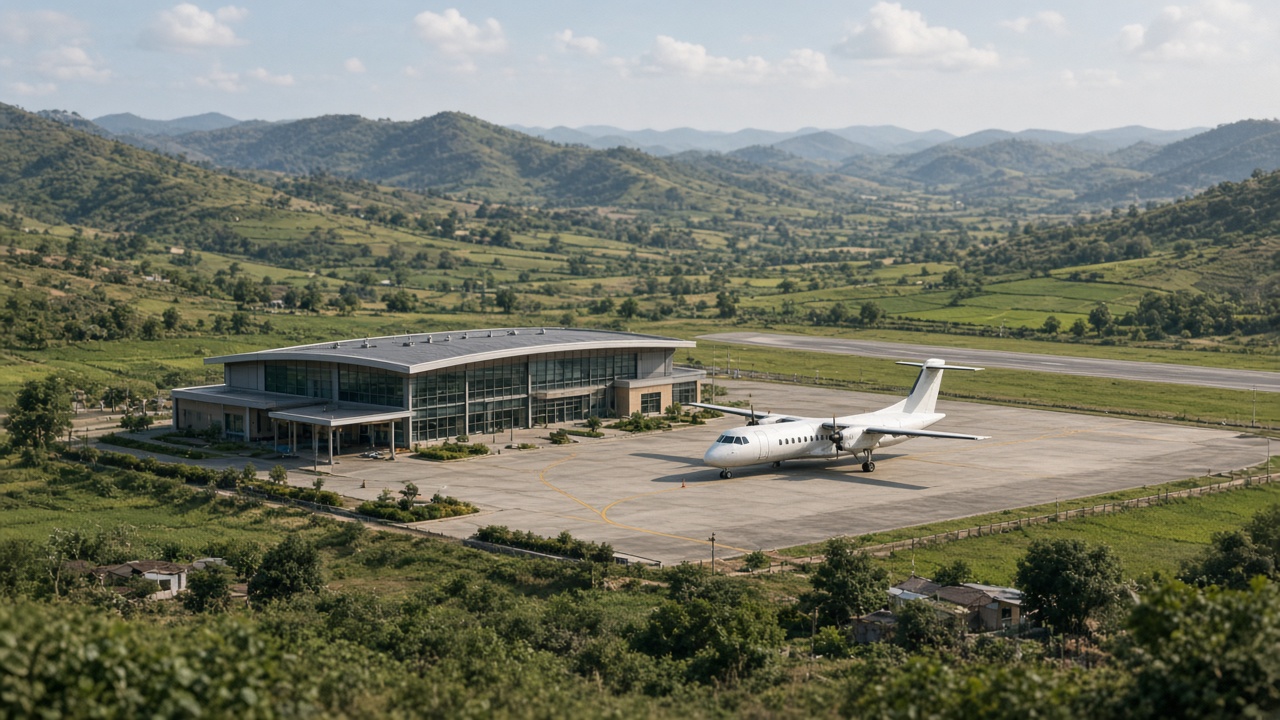
UDAN (Ude Desh ka Aam Naagrik) targets unserved and underserved airports with viability-gap funding and route awards so smaller cities join the air map. Upgraded regional terminals, runway work, and new routes aim to make flying reachable beyond metro hubs—not only for tourists but for everyday connectivity.
UDAN era: regional airports join the network.
Subsidised regional routes to smaller cities and towns.
Airport upgrades pair with airline route awards.
Expands access beyond a few mega hubs.
Lower FootprintToday
Green Airports
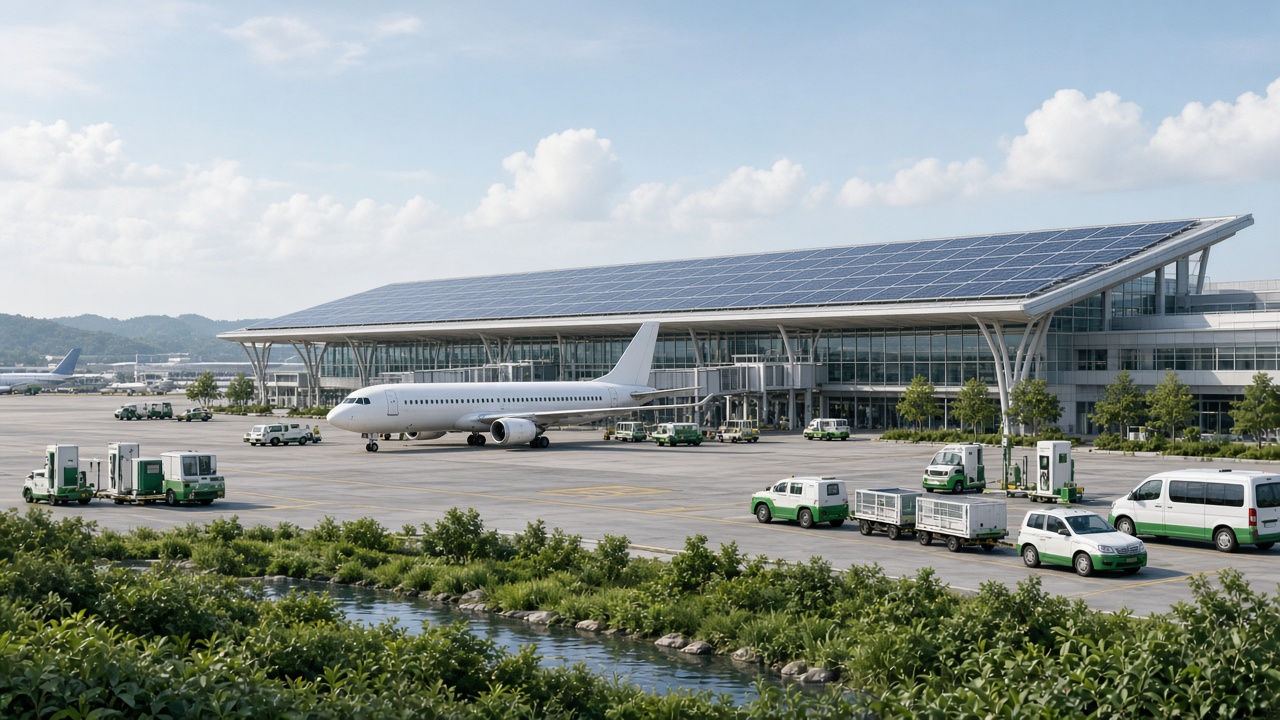
Green airports cut ground energy and waste: solar farms, efficient terminals, electric ground vehicles, water reuse, and certifications. They do not erase aircraft emissions alone, but they make the airport campus cleaner and prepare for sustainable aviation fuels and smarter ops.
Green era: power, water, and ground fleets cleaned up.
Solar and efficiency cut terminal energy demand.
Electric GSE reduces apron air pollution.
Indian airports join global green certification pushes.
Key Milestones
Milestone
When
Why it matters
First dedicated airfields
Early 1900s
Aviation gets permanent ground space.
Jet-capable runways & terminals
1950s–70s
Mass air travel becomes possible.
Hub-and-spoke airport design
Late 20th c.
Connecting traffic multiplies routes.
UDAN regional programme
2010s–
Smaller Indian cities join the air map.
Green airport programmes
2000s–
Campus energy & emissions cut systematically.
Airport Types at a Glance
Type
Core idea
Main trade-off
Early airfield
Simple strip + hangar
Weather & capacity limits
Jet-age airport
Long runways + terminals
Land, noise, capital cost
Hub airport
Connect transferring traffic
Complexity & congestion risk
Regional / UDAN
Serve smaller cities
Low volume vs viability
Green airport
Lower campus footprint
Capex; aircraft emissions remain
Then vs Now
From grass strips to solar-powered campuses.
Metric
Then
Now
Surface
Grass / packed earth
Concrete & asphalt runways
Terminal
Sheds & small halls
Multi-level hubs & regional terminals
Network role
Point-to-point pioneers
Hubs + regional UDAN spokes
Energy
Minimal utilities
Solar, LEDs, electric GSE
Goal
Make flight possible
Capacity, access & lower footprint
Future Predictions
More spokes: Regional airports keep growing under access programmes.
Greener campuses: Solar + electric ground fleets become default.
SAF readiness: Fuel infrastructure adapts for sustainable aviation fuels.
Smart ops: Data and automation cut taxi times and delays.
India spotlight
Airport Infrastructure & India
India moved from colonial and early civil airfields to jet-capable metros, privatised mega hubs, UDAN regional airports, and a growing set of green-certified campuses.
India spotlight: hubs plus UDAN regional access.
Early
Civil & military fields
Pioneer strips and wartime airfields seed the network.
Jet age
Metro runway upgrades
Major cities lengthen and strengthen for jets.
Hubs
Modern terminals
Delhi, Mumbai, Bengaluru, Hyderabad and others scale as hubs.
UDAN
Regional connectivity
Smaller airports and routes open for common citizens.
Today
Green campuses
Solar, efficiency, and certifications spread.
Strength: Fast passenger growth and expanding airport count.
Need: Last-mile access, capacity, and cleaner operations.
Debate: Hub mega-projects vs regional viability and land use.
Test Your Knowledge
20 questions on first airfields through green airports. Click to reveal answers.
Answer: Grass or packed earth.
Answer: Hangar, windsock, or simple shelter.
Answer: Jets need longer/stronger runways and bigger terminals.
Answer: A walkway connecting terminal to aircraft door.
Answer: Connecting / transfer traffic.
Answer: Higher capacity and fewer weather delays.
Answer: Ude Desh ka Aam Naagrik.
Answer: Underserved / unserved regional airports and cities.
Answer: Viability-gap funding / subsidies and route awards.
Answer: Solar power, electric GSE, water reuse, etc.
Jump to any other transport timeline on WorldTimelineHub.
Disclaimer: This content is AI-generated for educational purposes and may contain errors or outdated details. For correct and authoritative information, please refer to official and reliable sources such as government publications, manufacturers, museums, and academic references.