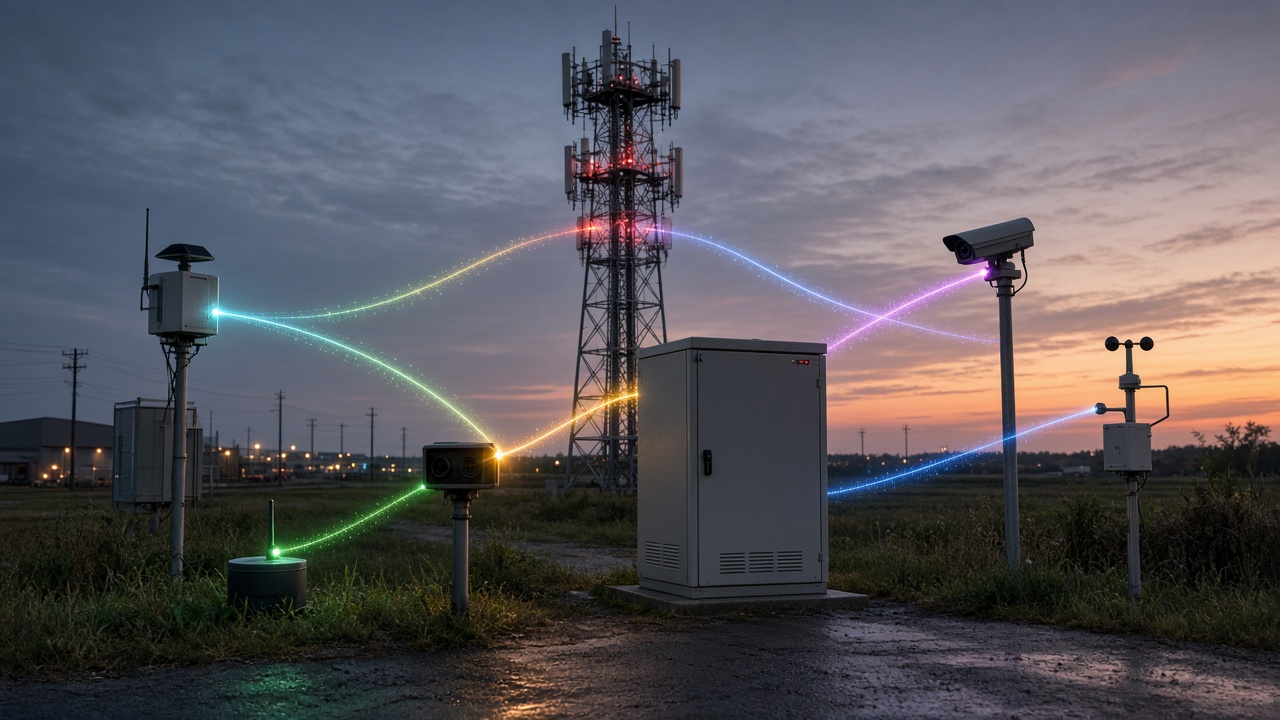
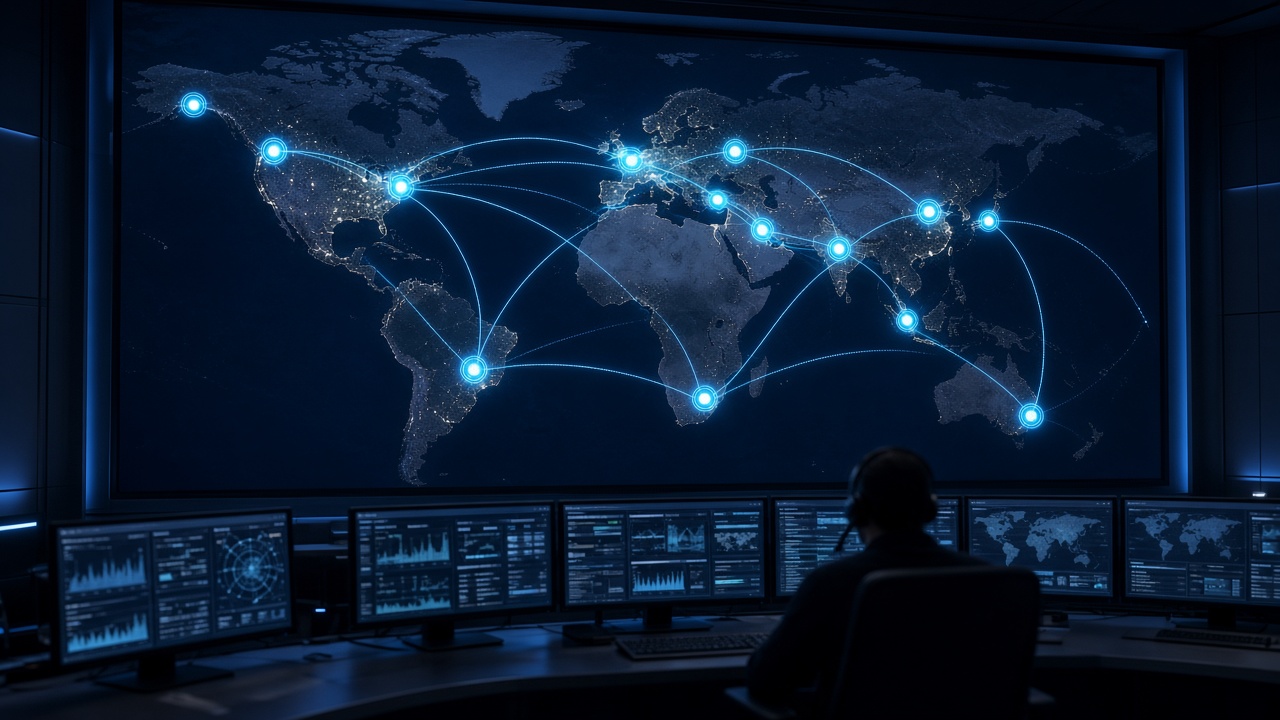
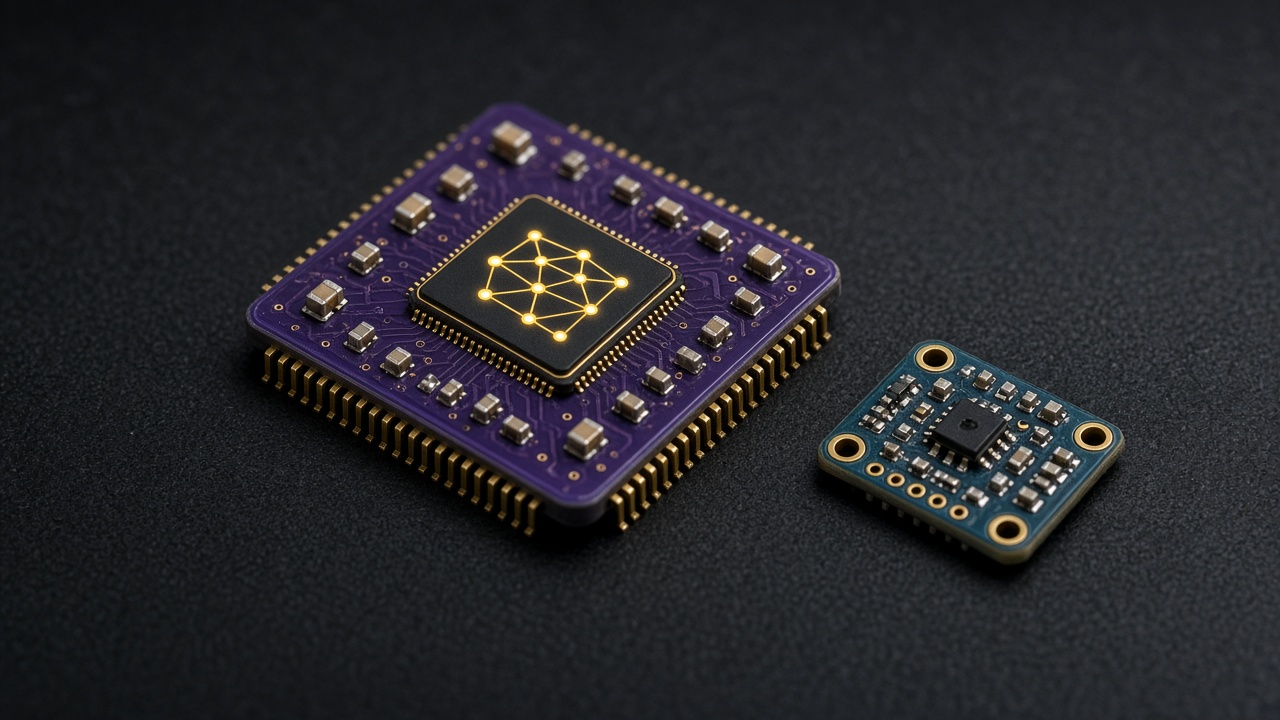
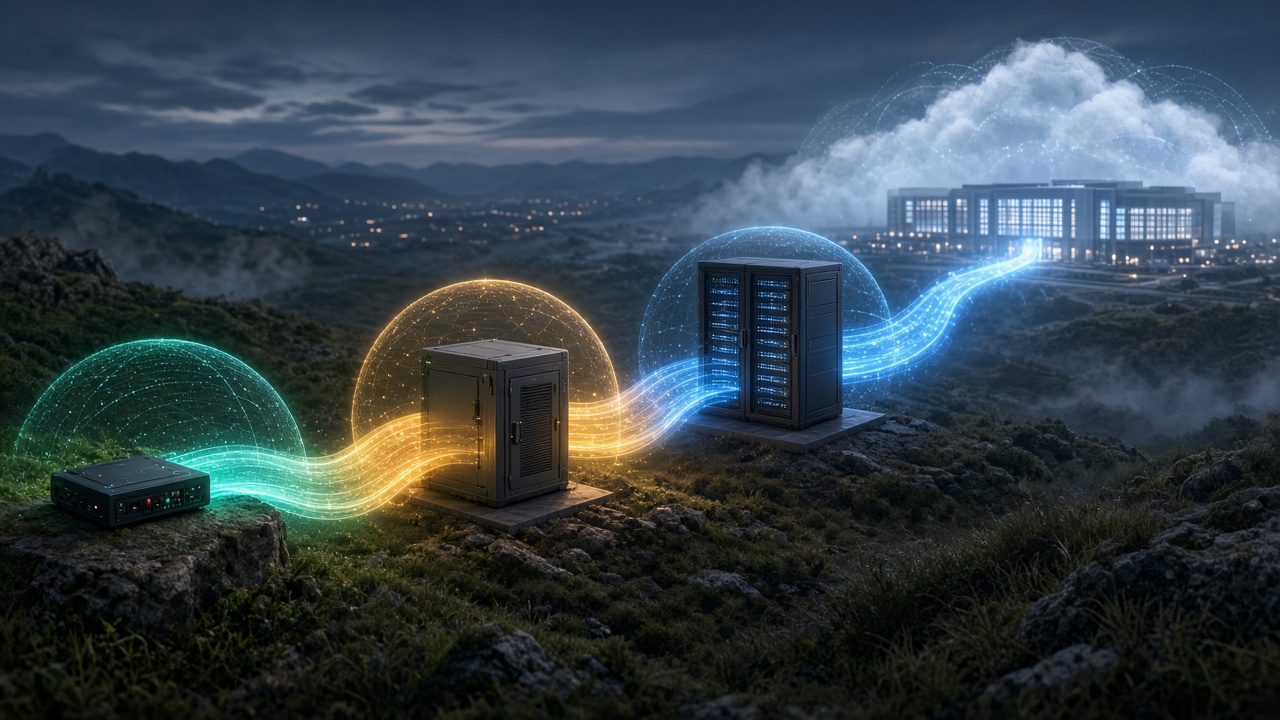
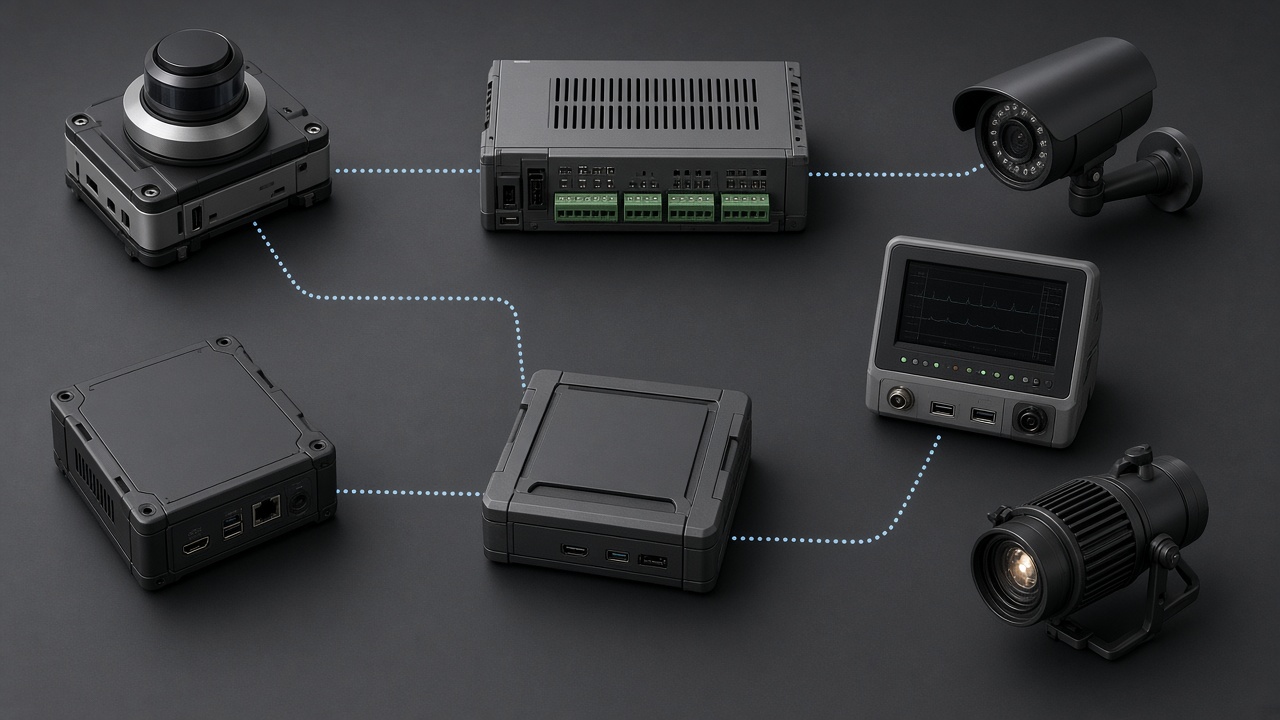
From CDNs and shop-floor controllers to fog computing, 5G MEC, TinyML chips, and hybrid cloud–edge continua that keep data and decisions close to users and machines.
1990s -> PresentCDN -> MECAI at Edge
Edge Computing Ideas
Edge computing moves storage, networking, and processing closer to where data is created—phones, factories, cameras, vehicles, and cell towers—so apps can respond faster, stay online when the wide-area link wobbles, and keep sensitive bits local when needed.
This timeline follows that path from content delivery networks and industrial controllers through fog and mobile-edge concepts, 5G platforms, on-device AI, and India’s growing edge and private-5G story.
Big picture
Edge computing evolution in one view
Latency, bandwidth, and privacy pushed compute outward from central clouds. CDNs cached content; IoT flooded networks with sensor streams; fog and MEC named the middle tier; then NPUs and TinyML put inference on the device itself.
Edge: compute and decisions near devices, towers, and factories—not only in distant clouds.
Near Users1990s - 2005
CDNs, Controllers and Distributed Roots
Long before “edge” was a marketing word, factories ran programmable logic controllers on the shop floor, and the web learned to cache pages and media on servers closer to visitors so sites felt snappy worldwide.
CDNs and local controllers put copies of work near demand.
Industrial PLCs and SCADA keep control loops local.
Late-1990s CDNs place caches at ISP points of presence.
Client–server apps still assume a data centre somewhere else.
Takeaway: Edge thinking starts as latency and reliability engineering, not as a cloud product name.
Sensors2005 - 2012
Smartphones, M2M and the IoT Flood
Always-on phones, cheap radios, and machine-to-machine links created streams of location, video, and sensor data. Sending everything to a far cloud was often too slow, too costly, or too fragile for real-time use.
IoT and mobiles pushed data volume—and the need to filter it near the source.
App stores and mobile broadband explode device count.
Gateways begin aggregating sensor traffic on premises.
“Internet of Things” enters mainstream tech talk.
Takeaway: Bandwidth and battery life make local filtering and caching attractive.
Named Middle2012 - 2016
Fog Computing and Mobile Edge
Industry named the middle tier: fog computing as a cloud closer to the ground, and ETSI’s Multi-access Edge Computing (MEC) as a way to host apps at the radio network edge for ultra-low latency.
Fog and MEC describe compute between device and central cloud.
2012: “fog computing” popularised for IoT hierarchies.
2014: ETSI launches the MEC industry specification group.
Campus and telecom edges become deliberate design layers.
Takeaway: The architecture now has a vocabulary: device, edge/fog, regional, and central cloud.
Carrier Edge2017 - 2020
5G, Telco Cloud and Vendor Platforms
Public-cloud vendors and operators productised the edge: IoT runtimes on gateways, wavelength-style zones next to 5G cores, and Kubernetes at the far site so factories and cities could deploy apps like mini-clouds.
5G and edge platforms aim for millisecond responses near the radio.
Cloud IoT Edge / similar gateways manage offline-first devices.
Operator MEC and private LTE/5G trials for campuses.
Containers and GitOps patterns reach remote sites.
Takeaway: Edge becomes a managed product line, not only a DIY server room.
On Device2018 - 2022
TinyML, NPUs and On-Device AI
Microcontrollers and phone NPUs began running compressed neural nets for wake words, vision, and anomaly detection without round-tripping every frame to the cloud—saving power, cost, and privacy.
Tiny models and NPUs bring inference to cameras, phones, and sensors.
TinyML community demos models on constrained MCUs.
Phone and PC NPUs accelerate local vision and speech.
Model compression, quantisation, and MLOps for fleets.
Takeaway: The smallest “edge” is often the chip inside the device.
Hybrid Now2023 - Present
Cloud–Edge Continuum and Operations
Teams now design a continuum: train and orchestrate in the cloud, infer and act at the edge, sync selectively. Observability, zero-trust, and fleet updates matter as much as raw latency.
Modern designs treat device, edge, region, and cloud as one continuum.
Hybrid placement policies for apps and AI models.
Private 5G and campus edges for factories and ports.
Security, OTA updates, and carbon/cost awareness at scale.
Takeaway: Edge success is operations: fleets, trust, and where each workload should live.
Edge Computing Timeline Summary
Era
Years
Focus
CDN roots
1990s-2005
Caches, PLCs, local control
IoT & mobile
2005-2012
Sensors, gateways, data flood
Fog & MEC
2012-2016
Named middle tier, telco edge
5G platforms
2017-2020
Vendor + operator edge products
TinyML & NPUs
2018-2022
On-device inference
Continuum
2023-Present
Hybrid ops, private 5G, AI fleets
Then vs Now
Aspect
Then
Now
Where compute ran
Central data centre or PLC only
Device + edge + regional + cloud
Latency goal
Seconds OK for many apps
Milliseconds for AR, control, safety
AI
Rare on device
NPUs and TinyML common
Ops model
Manual site servers
Fleet GitOps, zero-trust, OTA
Breakthroughs
CDNs: Content copies near users cut round-trips.
Fog / MEC: A shared language for the middle tier.
Containers at the edge: Same packaging as the cloud.
TinyML / NPUs: Inference without constant uplink.
Private 5G: Campus networks with deterministic latency.
Impact on Daily Life
Faster video apps, smarter cameras that alert without uploading every frame, factory robots that keep moving if the WAN drops, and phones that unlock or translate offline all lean on edge ideas. The trade-off is more software to update and secure across thousands of sites.
Edge shows up in media, retail, industry, vehicles, and phones.
India focus
Edge Computing in India
India’s smartphone scale, 5G rollout, smart-city cameras, and manufacturing push create strong demand for low-latency processing near users. Operators and cloud providers are expanding edge locations; enterprises trial private 5G and on-prem inference for plants, ports, and retail.
India: 5G, cities, and industry as edge growth drivers.
5G and fibre densification support MEC-style services.
UPI-scale digital public infrastructure still needs reliable last-mile compute for offline-tolerant apps.
Manufacturing and logistics pilots combine private networks with local AI vision.
Data localisation and latency both favour regional and edge sites.
Test Your Knowledge
Twenty quick checks on CDNs, fog, MEC, TinyML, and the cloud–edge continuum.
Answer: Compute, storage, and often networking.
Answer: Content Delivery Network (or Content Distribution Network).
Answer: Fast, reliable control loops without WAN delay.
Answer: Filter/aggregate near the source (gateways).
Answer: Devices and the central cloud.
Answer: ETSI (Multi-access Edge Computing).
Answer: Ultra-low latency near the radio network.
Answer: Higher bandwidth and lower latency radio access.
Jump to any other technology timeline on WorldTimelineHub.
Disclaimer: This content is AI-generated for educational purposes and may contain errors or outdated details. For correct and authoritative information, please refer to official and reliable sources such as government publications, manufacturers, museums, and academic references.