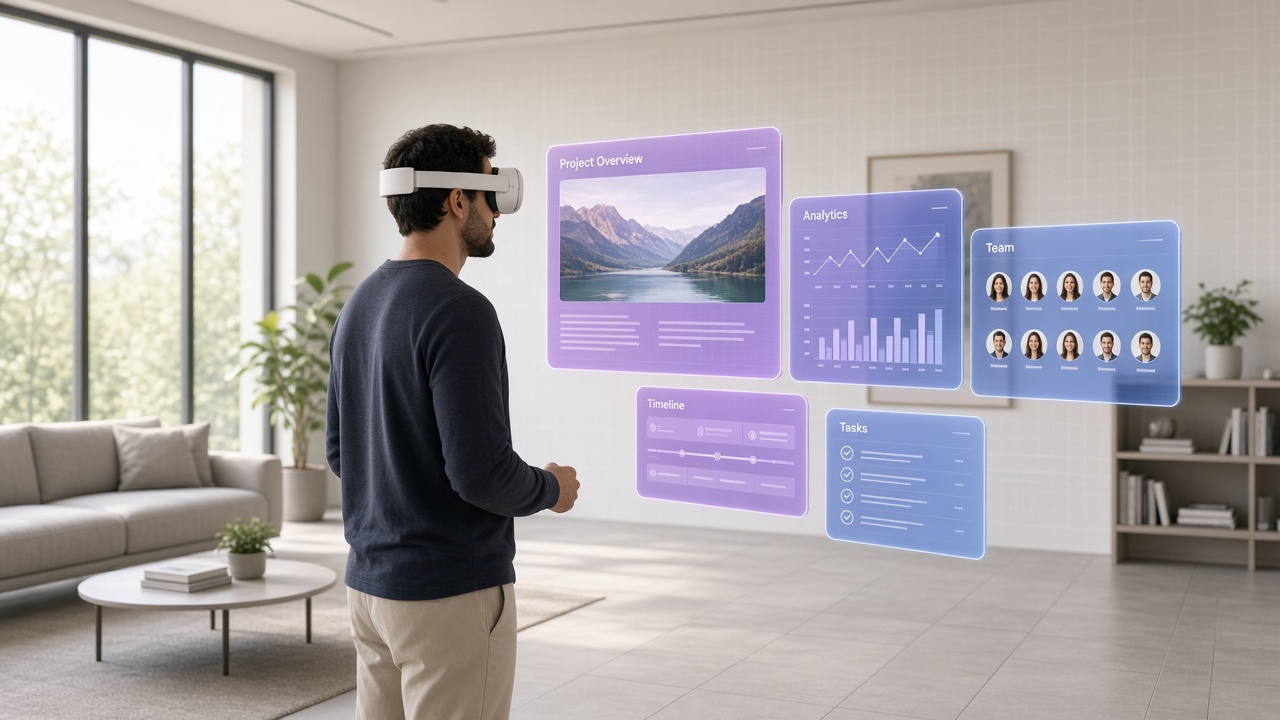
From Sensorama booths and ceiling-hung displays to 1990s arcade hype, the Oculus/Vive revival, standalone headsets, and today’s mixed-reality spatial computing.
1960s -> PresentHMD -> StandaloneSpatial XR
Virtual Reality Ideas
Virtual reality (VR) aims to replace or dominate your senses with a computer-generated world—usually via a head-mounted display (HMD), tracking, and controllers. Related fields include augmented reality (AR) and mixed reality (MR), often grouped as XR.
This timeline follows VR from mid-century prototypes through 1990s boom-and-bust, the 2010s headset revival, cordless standalone devices, and India’s growing education and enterprise XR scene.
Big picture
VR evolution in one view
Displays got lighter, tracking got cheaper, and graphics got faster. Each leap made immersion more believable—until cost, comfort, or content quality forced a pause, then a comeback.
VR: headsets, tracking, and synthetic worlds that fill your field of view.
Prototypes1950s - 1970s
Sensorama, HMDs and Early Immersion
Morton Heilig’s Sensorama booth mixed film, vibration, and scent. Ivan Sutherland’s 1968 “Sword of Damocles” head-mounted display hung from the ceiling and drew wireframe graphics that moved with the head—a foundation for modern VR tracking.
Booths and hanging displays invent the immersive idea.
Multisensory cinema prototypes.
1968: tracked HMD with computer graphics.
Flight and military simulation culture grows.
Takeaway: Immersion starts as engineering art—heavy, rare, and visionary.
Labs1980s - 1992
DataGloves, VPL and Named “Virtual Reality”
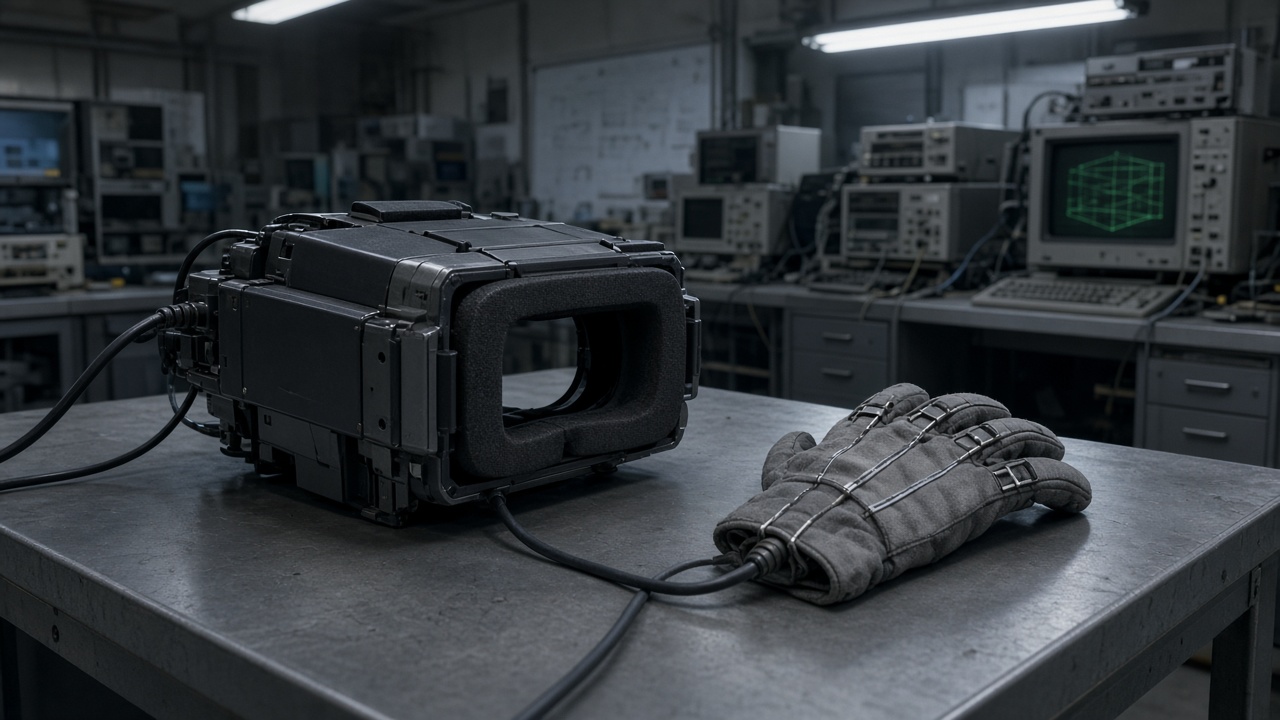
Research labs and startups such as VPL Research bundled HMDs, gloves, and software. Jaron Lanier helped popularise the phrase “virtual reality.” Systems stayed expensive and mostly institutional.
Gloves, goggles, and lab racks define early commercial VR kits.
HMD + glove + workstation bundles.
NASA and university demos fuel media interest.
Latency and resolution remain hard limits.
Takeaway: VR gets a name and a product shape—still far from living rooms.
Boom/Bust1993 - 2005
Arcades, Consoles and the First Consumer Wave
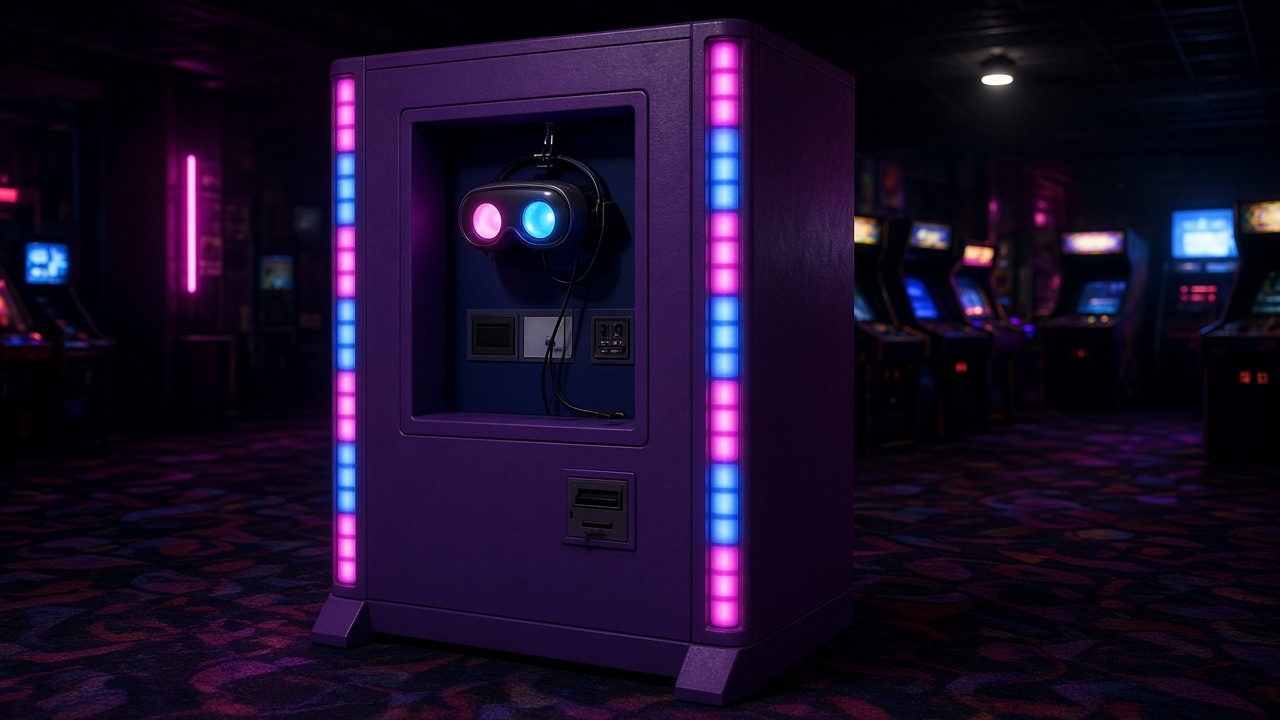
Arcades and game consoles promised VR at home. Many devices were uncomfortable, low-resolution, or poorly supported. Hype outran hardware, and mainstream interest cooled—while simulation and theme-park rides quietly continued.
Arcade cabinets and gadgets chase a mass market too early.
Location-based VR and console experiments.
Motion sickness and low fidelity hurt adoption.
Research and industrial simulators keep advancing.
Takeaway: Without comfort and content, novelty fades fast.
Comeback2012 - 2016
Kickstarter HMDs and Room-Scale PC VR
Smartphone displays and sensors made lighter HMDs suddenly viable. Oculus Rift’s crowdfunding wave and HTC Vive’s room-scale tracking brought high-quality PC VR to enthusiasts, with motion controllers as a new input language.
Tracked controllers and room-scale play redefine modern VR.
2012–2016: Rift/Vive consumer launches.
Low-persistence OLED and better IMU tracking.
SteamVR ecosystem and early hit experiences.
Takeaway: Phone tech + PC GPUs restart the consumer VR cycle.
Cordless2017 - 2021
Standalone Headsets and Mass Access
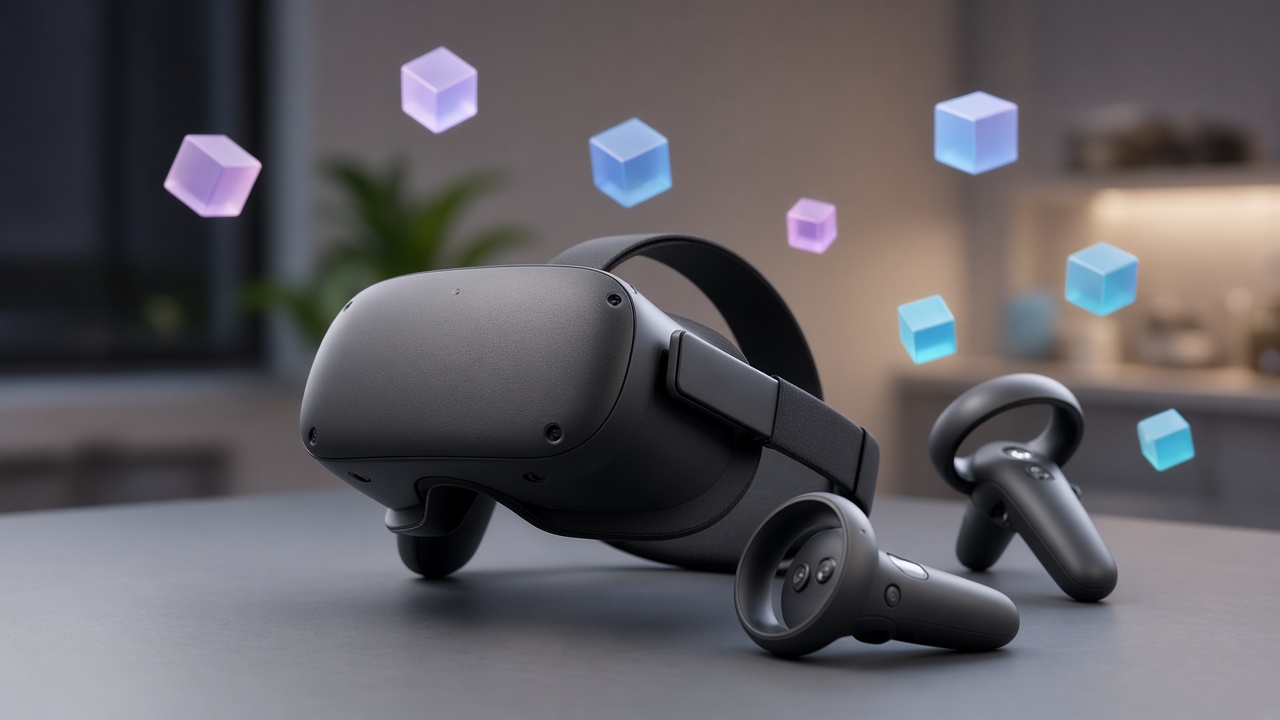
All-in-one headsets removed the gaming PC requirement. Inside-out cameras tracked the room without external boxes. Consoles added VR kits, and enterprises bought HMDs for training, design reviews, and remote collaboration.
No PC cable: compute and tracking live on the headset.
Standalone Quest-class devices scale unit sales.
Inside-out tracking becomes default.
Enterprise XR for safety and skills training.
Takeaway: Convenience—not only fidelity—grows the audience.
Pass-through2022 - Present
Mixed Reality and Spatial Computing
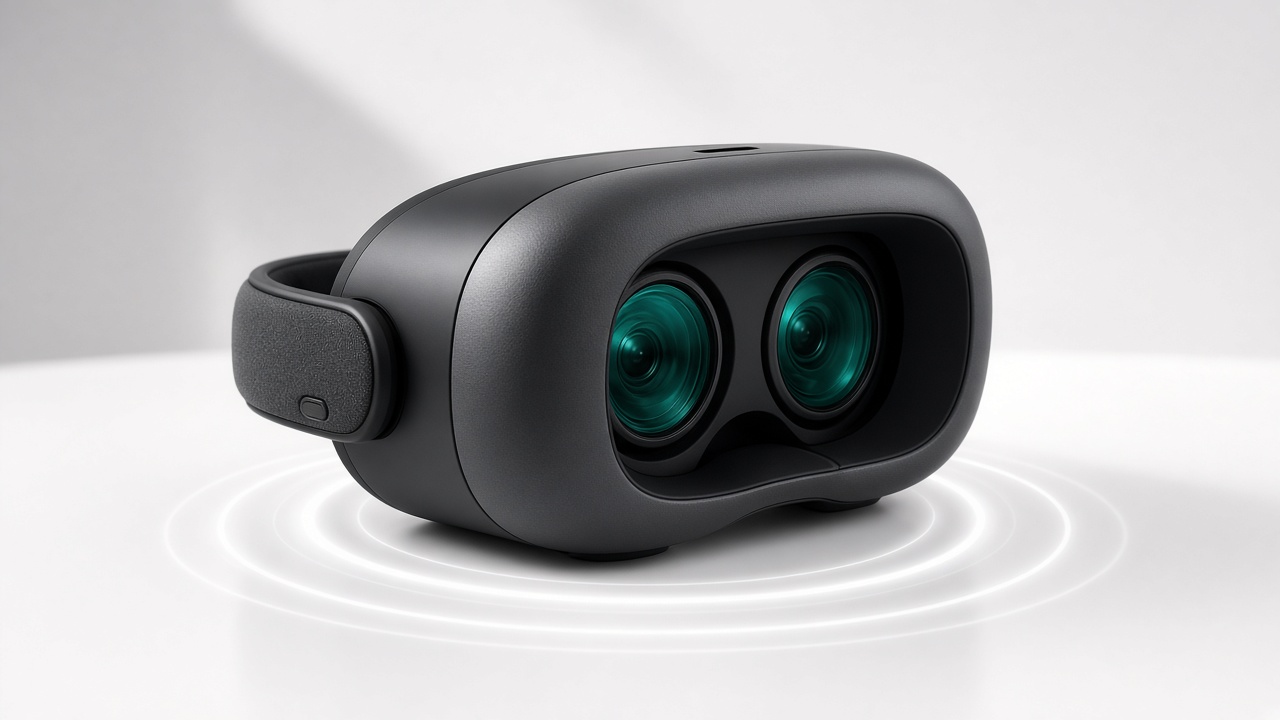
Colour pass-through, hand tracking, and spatial windows blend virtual panels with the real room. AI helps with avatars, scene understanding, and content tools. Comfort, battery life, and useful apps still decide who wears a headset daily.
Virtual windows dock into real spaces—mixed reality as a workplace.
MR headsets with high-quality pass-through.
Hand/eye tracking and spatial UI experiments.
AI-assisted capture, avatars, and training content.
Takeaway: The pitch shifts from “games only” to everyday spatial apps—still proving itself.
Virtual Reality Timeline Summary
Era
Years
Focus
Early concepts
1950s-1970s
Sensorama, Sword of Damocles
Lab HMDs
1980s-1992
VPL, gloves, named VR
Consumer hype
1993-2005
Arcades/consoles, bust
PC VR revival
2012-2016
Rift, Vive, room-scale
Standalone
2017-2021
All-in-one, enterprise
Spatial XR
2022-Present
Pass-through MR, AI tools
Then vs Now
Aspect
Then
Now
Display
Heavy CRTs / low-res LCDs
Fast OLED/LCD, pancake lenses
Tracking
Ceiling mounts, external boxes
Inside-out cameras + IMUs
Compute
Workstation or arcade board
PC, console, or on-headset SoC
Use cases
Demo + niche sim
Games, training, design, social XR
Breakthroughs
Tracked HMD: Graphics that follow head motion.
Low persistence: Less blur when you turn your head.
Six-dof controllers: Hands in 3D space.
Inside-out tracking: No external lighthouse required.
Pass-through MR: Virtual UI over a live view of the room.
Impact on Daily Life
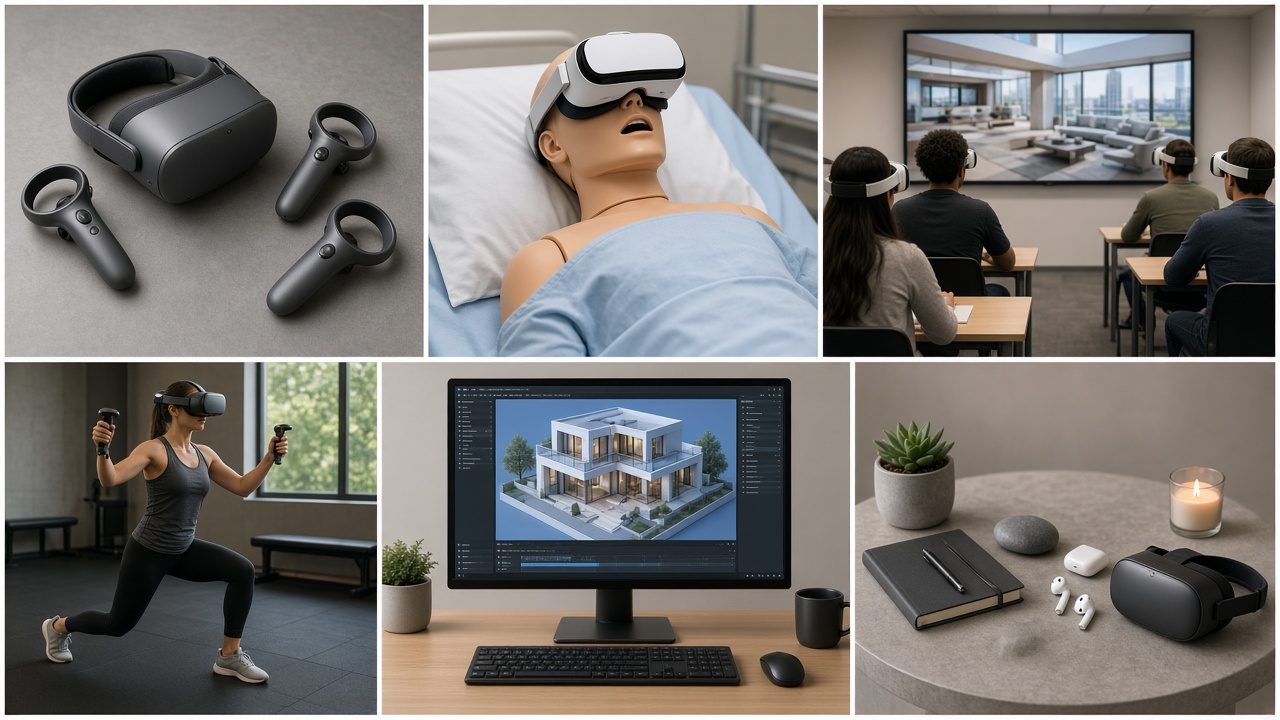
Most people still meet VR as a game demo, mall ride, or school lab. Workers use it for welding practice, soft-skills roleplay, and virtual walkthroughs. Comfort, price, and useful software—not only resolution—decide whether a headset stays on the shelf.
Games, training, design, medicine demos, and classrooms.
India focus
Virtual Reality in India
Indian startups and institutes build VR training for manufacturing, healthcare soft skills, and school STEM demos. Arcades and experience centres introduce headsets to cities, while universities add XR labs. Content in regional languages and affordable standalone kits matter for wider reach.
India: training, education, and experience centres grow XR use.
Enterprise safety and skills training pilots.
EdTech and museum VR storytelling experiments.
Developer communities around Unity/Unreal XR.
Cost and localisation remain adoption keys.
Test Your Knowledge
Twenty quick checks on HMDs, tracking, standalone VR, and spatial computing.
Jump to any other technology timeline on WorldTimelineHub.
Disclaimer: This content is AI-generated for educational purposes and may contain errors or outdated details. For correct and authoritative information, please refer to official and reliable sources such as government publications, manufacturers, museums, and academic references.