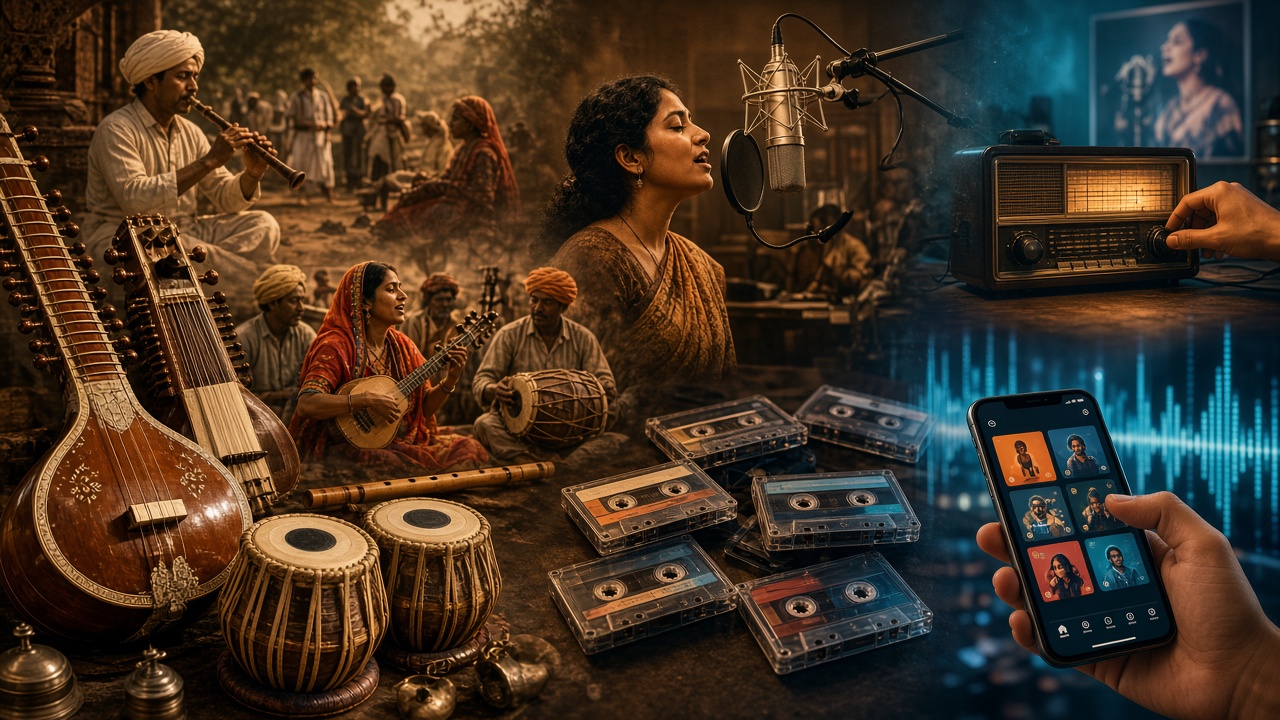
From classical and folk stages to film songs, cassette shops, FM car rides, and streaming apps —
Indian listening kept changing format while melody stayed central.
This timeline follows five turns: classical/folk roots, film-song dominance, cassette culture,
FM radio, and on-demand streaming.
Music is culture plus distribution. Classical and folk taught craft in person; film songs rode cinema;
cassettes put hits in pockets; FM curated city soundtracks; streaming made catalogues infinite —
and algorithms part of taste.
Big picture
Music in one view
Live tradition became recorded culture, then portable, broadcast, and on-demand.
Related timelines:
cinema,
radio,
television,
mobile phones.
From classical/folk stages to film songs, cassettes, FM, and streaming.
🪕 Living TraditionDeep Roots
Classical / Folk
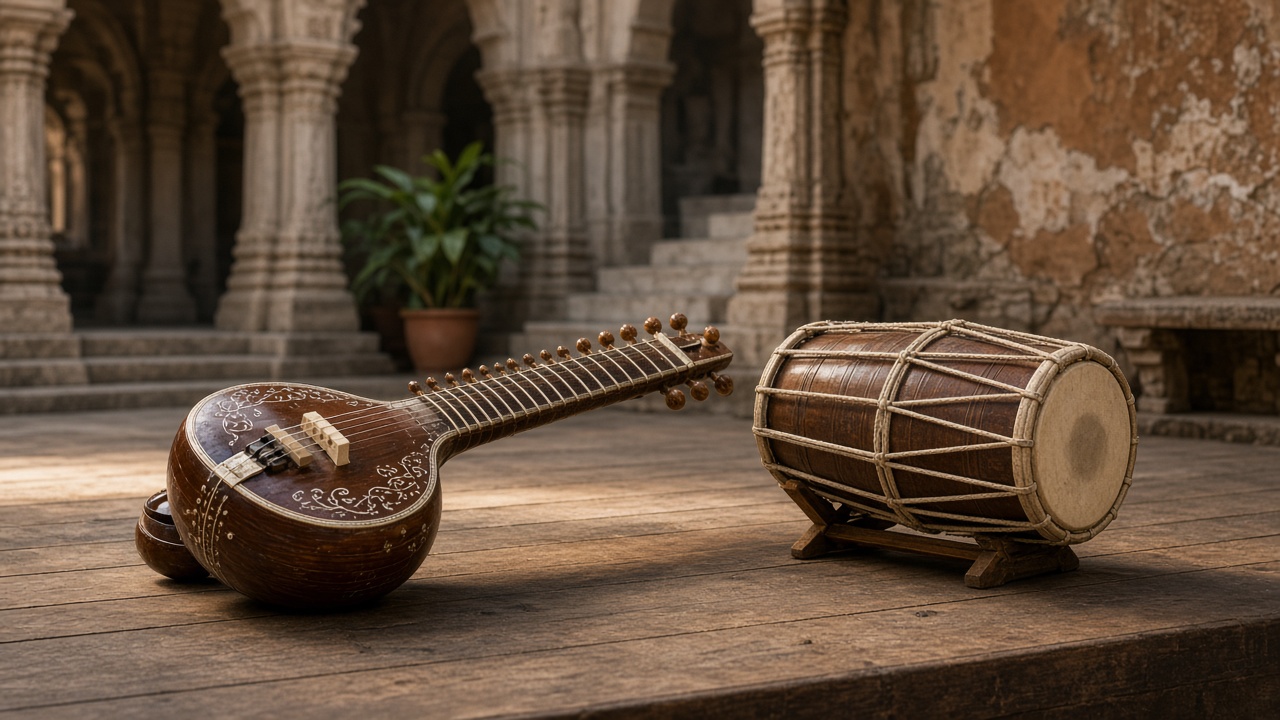
Before mass media, music lived in gharanas, temples, courts, villages, and festivals. Hindustani and Carnatic classical systems refined raga and tala; folk forms carried work, season, and celebration. Teaching was personal — guru, practice, and performance in real rooms.
Classical / folk: craft learned face to face.
Classical systems: Hindustani and Carnatic lineages of raga, tala, and improvisation.
Folk diversity: Region-specific songs, instruments, and dance-linked forms.
Oral transmission: Memory and apprenticeship before widespread recording.
Continuity: Concerts, festivals, and teaching still sustain these traditions.
Ideas & Practices
Acoustic instruments: Voice, strings, drums, and wind crafted by hand.
Performance spaces: Courts, temples, open grounds, later auditoriums.
Notation & memory: Written aids exist, but listening remains core.
Features
Depth: Years of training for mastery.
Local identity: Folk music maps India’s cultural geography.
Source code: Later film and pop borrow from these wells.
🎬 Playback Nation1931 –
Film Songs
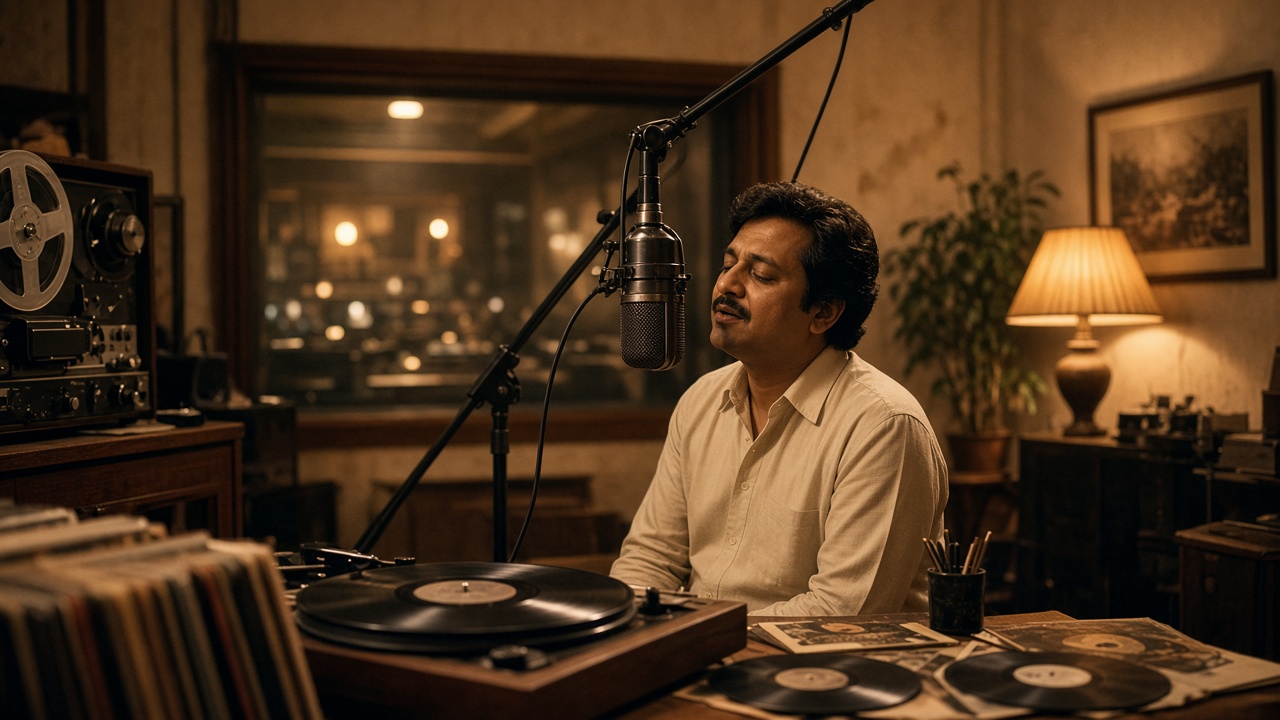
Talkies made song the heartbeat of Indian popular culture. Playback singers, composers, and lyricists built a parallel star system — hits travelled through cinema, radio, and later records long after the film left theatres.
Film songs: cinema as India’s hit machine.
Talkie link: Sound cinema and song rise together from the 1930s.
Playback craft: Studio voices, on-screen lip-sync, unforgettable melodies.
Mass reach: One soundtrack can define a season’s mood.
Industry scale: Music labels and composers become cultural institutions.
Technology Used
Studio recording: Microphones, mixing, and film sync.
Radio airplay: Film music fills national airwaves.
Features
Shared repertoire: Songs everyone knows across languages.
Emotional shorthand: Film music narrates weddings, buses, and festivals.
Dominance: Non-film genres often compete for the same ear.
📼 Tape Everywhere1970s – 1990s
Cassettes
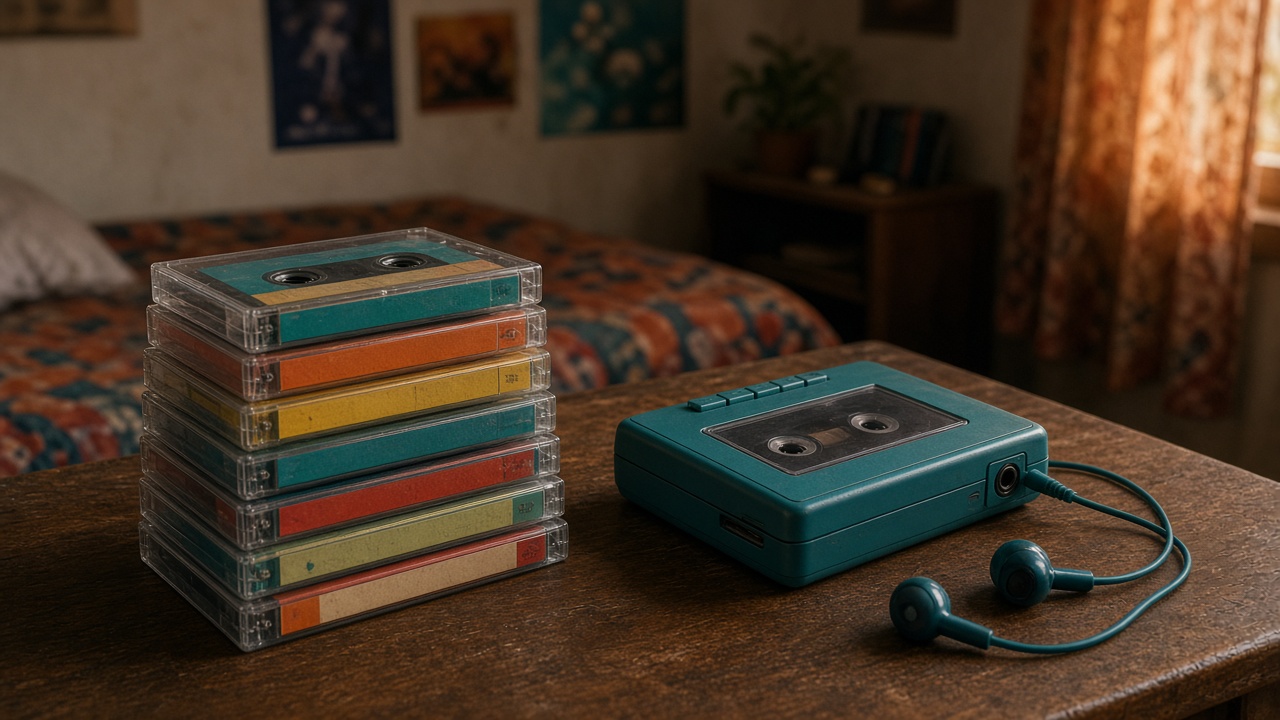
Compact cassettes made music cheap, portable, and shareable. Walkmans, car decks, and roadside cassette shops turned film soundtracks into everyday objects — and piracy debates into a national soundtrack of their own.
Cassettes: music you could carry, copy, and gift.
Portability: Personal listening leaves the living-room record player.
Retail boom: Music stores and pavement vendors sell tapes everywhere.
Mix culture: Home recording and dubbing create personal playlists early.
Industry shift: Labels adapt to tape economics and later CDs.
Technology Used
Magnetic tape: Analogue storage of stereo sound.
Players & recorders: Two-in-ones, walkmans, car stereos.
Duplication: Fast copying expands reach — and piracy.
Features
Access leap: Lower cost than many earlier formats.
Fragility: Tape wear, tangles, and hiss.
Nostalgia: Still a cultural memory of the 80s–90s.
📻 City Soundtrack2000s – Present
FM
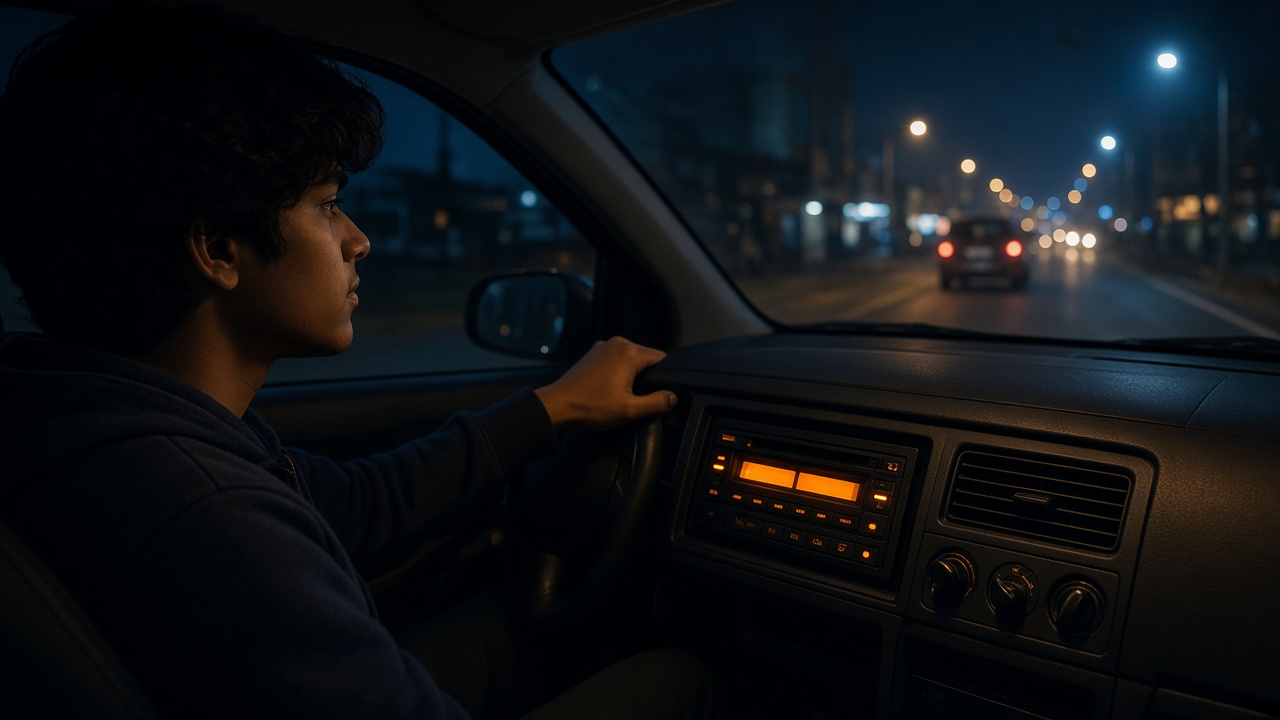
Private FM radio turned commuting into a playlist. RJs, request lines, and tightly curated charts made film hits and ads ride along in traffic — a broadcast layer between cassette shops and smartphone streams.
FM: curated hits for the city on the move.
Private FM boom: City stations expand from the 2000s.
RJ culture: Personality-driven shows and call-ins.
Chart power: Airplay still launches film songs.
Local + national: Language mixes and regional flavours per city.
Technology Used
FM broadcasting: Higher-fidelity local radio transmission.
Car & phone radios: Always-on listening during travel.
Automation systems: Playlists and ads scheduled by software.
Features
Free access: No subscription required to listen.
Shared moments: Cities hear the same morning show.
Competition: Streaming later pulls younger ears away.
📱 Infinite Catalogue2010s – Present
Streaming
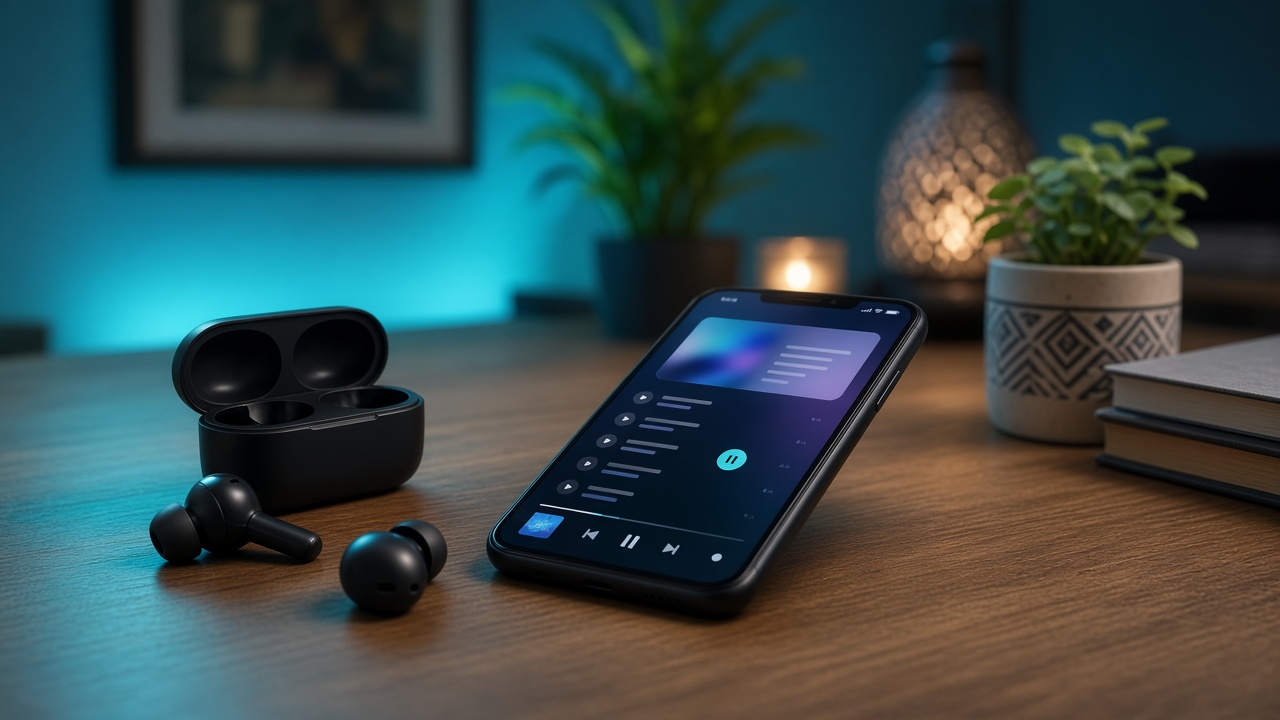
Music apps put libraries in every pocket. Cheap data, smartphones, and recommendation engines made on-demand listening normal — film songs still rule charts, but indie, regional, and global catalogues share the same screen.
Streaming: playlists replace shelves for many listeners.
On-demand: Skip, shuffle, and offline downloads.
Data unlock: Affordable 4G/5G makes continuous streaming practical.
Creator mix: Film industry plus independents on one platform.
Click any panel to expand and explore the visual mood.
Music in pictures — classical/folk, film songs, cassettes, FM, and streaming.
Classical / Folk
Living tradition
Film Songs
Playback nation
Cassettes
Tape everywhere
FM
City soundtrack
Streaming
Infinite catalogue
Through Time
Raga to playlist
Explore all technology timelines
Jump to any other technology timeline on WorldTimelineHub.
Disclaimer: This content is AI-generated for educational purposes and may contain errors or outdated details. For correct and authoritative information, please refer to official and reliable sources such as government publications, manufacturers, museums, and academic references.