From silent projectors to talkies, Golden Age single-screens, mall multiplexes, and OTT apps —
Indian cinema kept reinventing how stories reach audiences.
This timeline follows five turns: silent film, synchronised sound, the Golden Age, multiplex exhibition,
and over-the-top streaming.
Cinema is storytelling plus technology: cameras, sound, exhibition halls, and now broadband.
Each era changed not only how films were made, but where India watched them — from neighbourhood
single-screens to malls and living-room screens.
Big picture
Cinema in one view
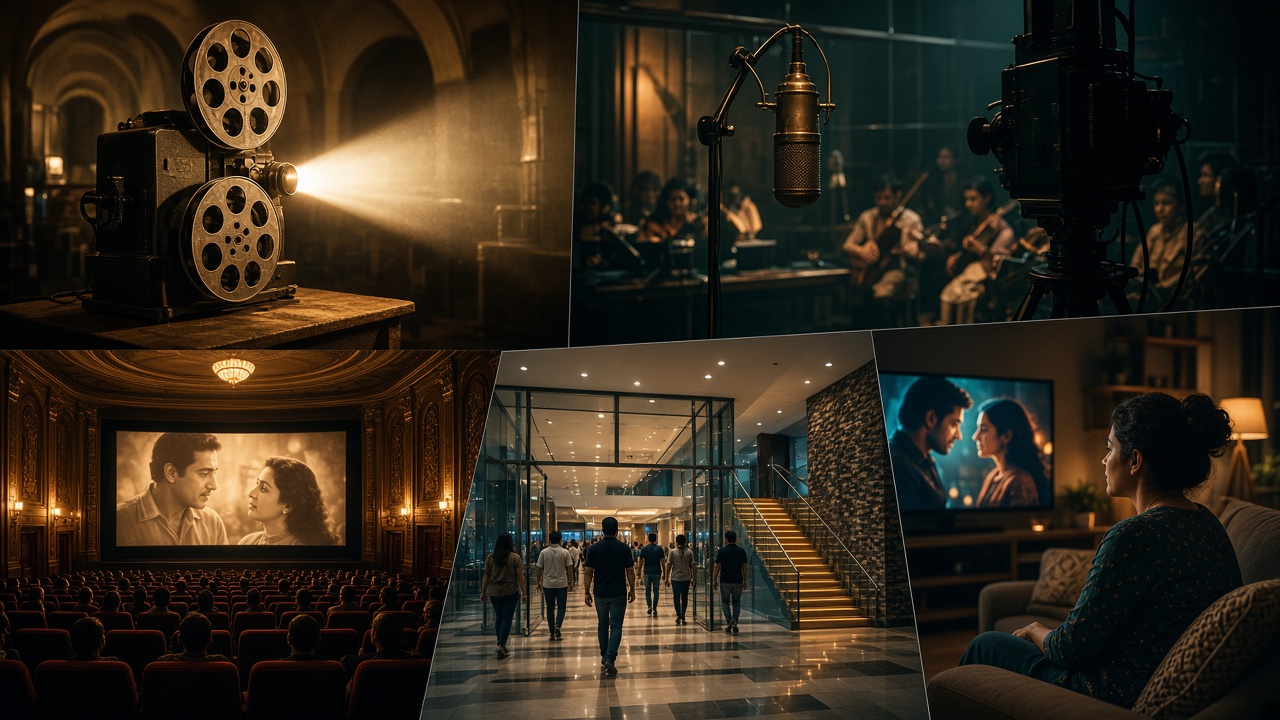
Pictures learned to speak; studios built a Golden Age; malls remade the outing; apps remade the living room.
Related timelines:
television,
radio,
mobile phones,
advertising.
From silent projectors to talkies, Golden Age halls, multiplexes, and OTT.
🎞️ No Dialogue Track1910s – 1920s
Silent
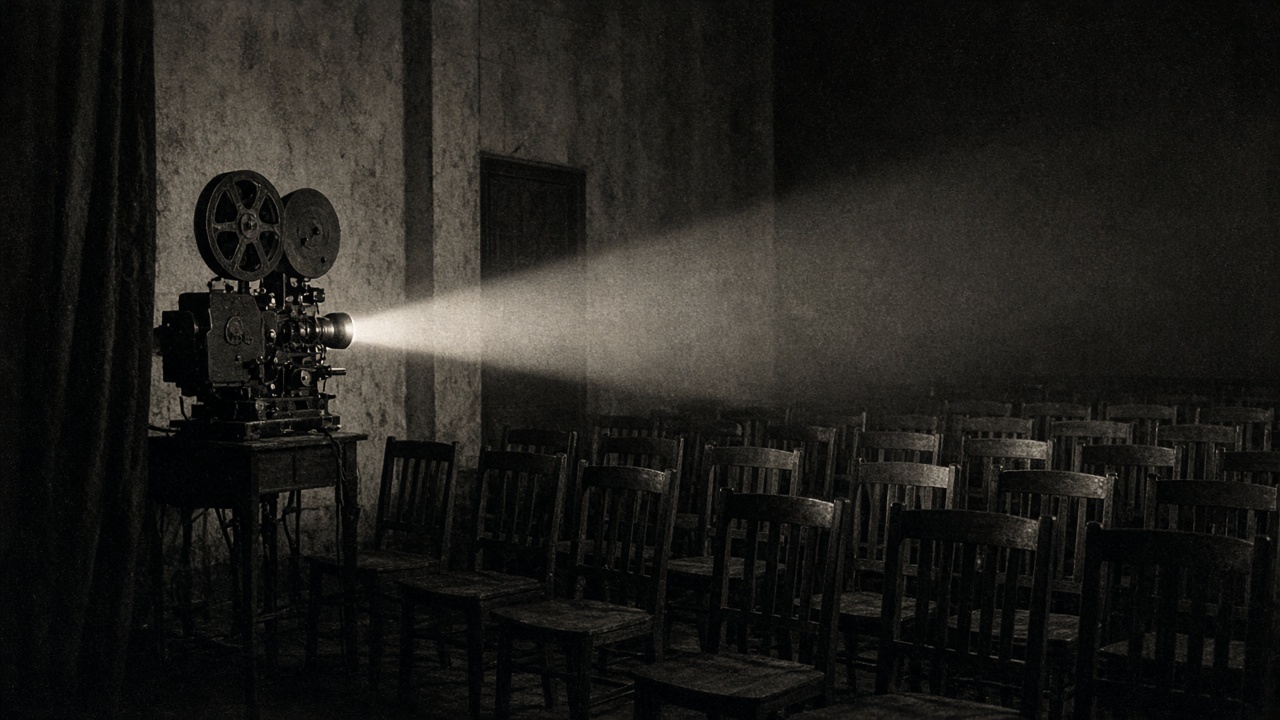
Indian cinema begins with silent films — gesture, intertitles, live musicians, and mythic or social stories on nitrate film. Early pioneers proved movies could be made in India for Indian audiences, long before recorded songs filled the soundtrack.
Silent era: pictures first, recorded voices later.
Pioneer features: Landmark silent films establish Indian feature cinema (often dated from the 1910s).
Live accompaniment: Music and commentary fill the missing dialogue track.
Myth & modernity: Stories draw on epics, reform themes, and urban curiosity.
Exhibition: Travelling shows and early halls build a film public.
Technology Used
Hand-cranked / early cameras: Mechanical capture of motion.
Film stock: Photochemical frames projected as light.
Intertitles: Text cards carry plot and speech.
Features
Visual storytelling: Acting and editing do the talking.
Language flexible: Titles can be swapped for regions.
Limit: No recorded songs or star voices yet.
🎙️ Sound Arrives1931 –
Talkies
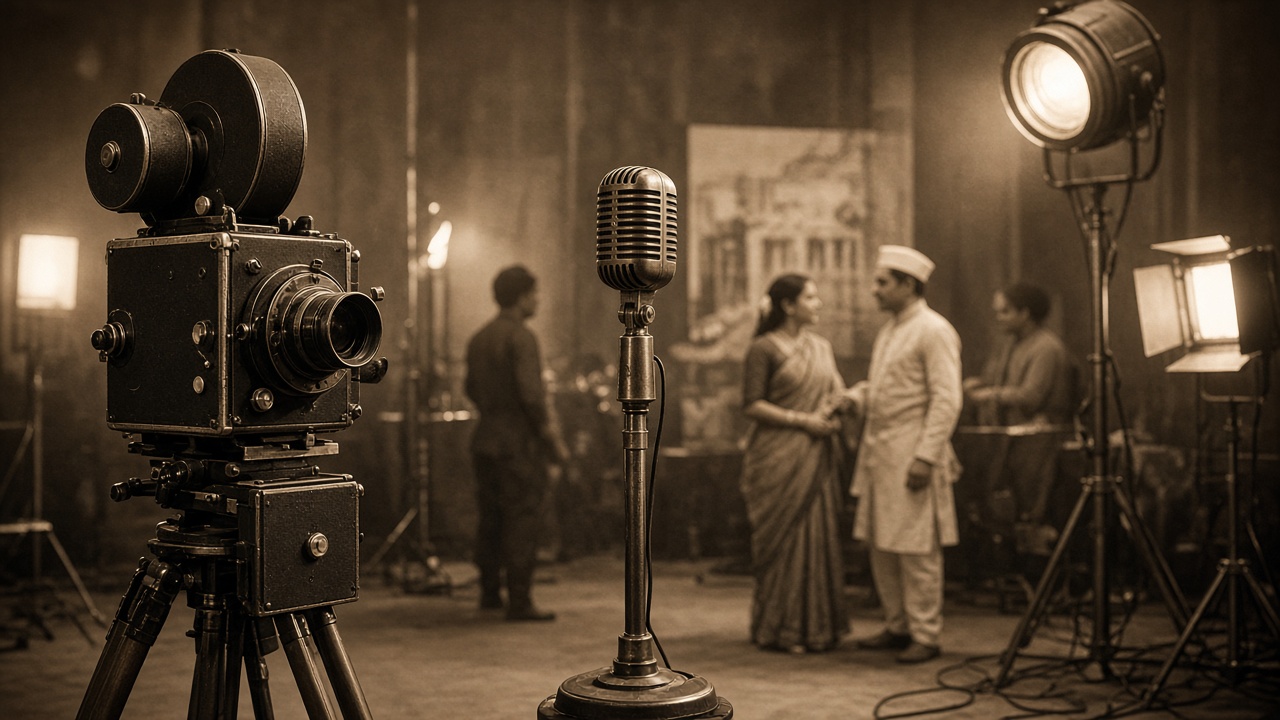
Synchronised sound remade cinema. With talkies — led in India by Alam Ara (1931) — dialogue and songs became the engine of popular film. Studios raced to wire for sound; audiences came for voices as much as faces.
Talkies: sound makes song-and-dialogue cinema possible.
1931 landmark: Full-length Indian talkie era begins.
Song culture: Film music becomes a national soundtrack.
Language industries: Sound strengthens Hindi and regional film markets.
Studio tech race: Recording, mixing, and theatre sound systems expand.
Technology Used
Optical / early sound-on-film: Audio locked to picture.
Theatre speakers: Exhibition upgrades for dialogue clarity.
Features
Star voices: Playback and singing stars reshape fame.
Genre glue: Musical numbers become structural.
Higher costs: Sound equipment raises production barriers.
🌟 Studio Classic1940s – 1960s
Golden Age
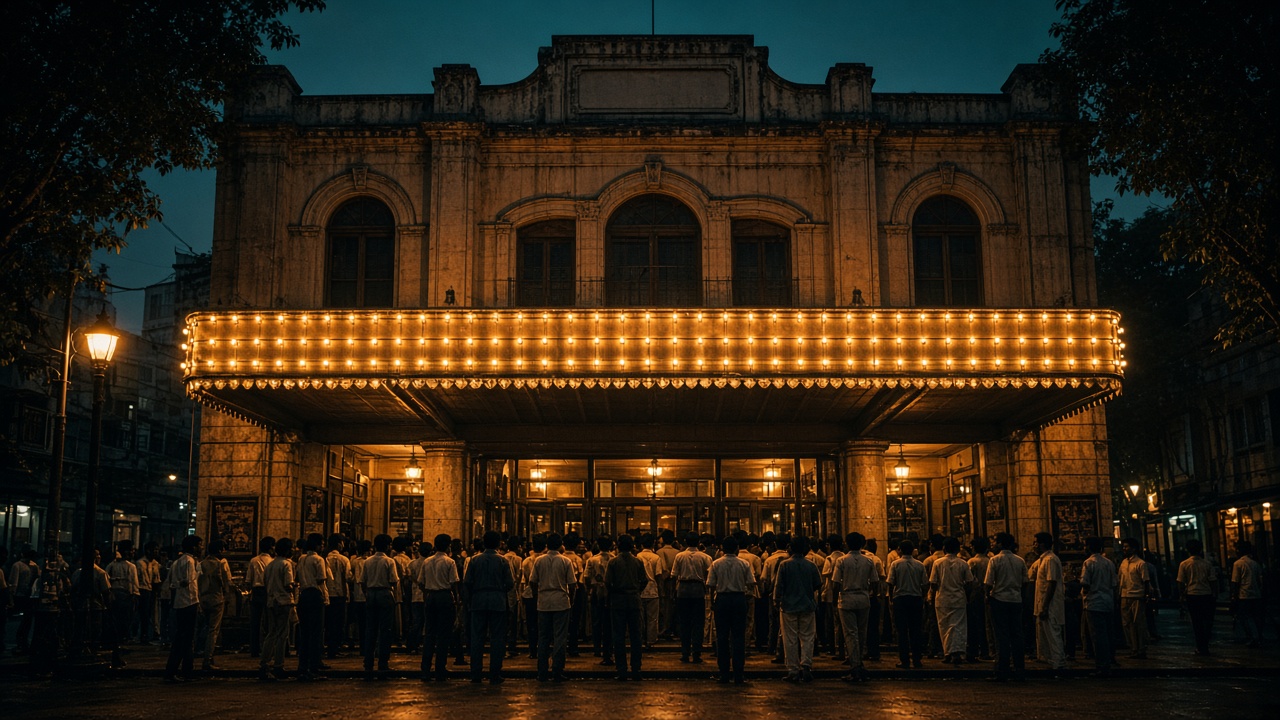
The Golden Age built India’s film identity: powerful studios and independents, unforgettable music, social dramas and romances, and single-screen theatres packed with families. Cinema became a shared national language across regions — even when languages differed.
Golden Age: single-screens and studio storytelling at their peak.
Star system: Icons define fashion, dialogue, and aspiration.
Music industry link: Film songs dominate popular listening.
Single-screen network: Local halls are community events.
Studio workflows: Sets, labs, and editing rooms industrialise production.
Colour arrives gradually: Black-and-white classics give way to colour spectacles.
Print distribution: Film reels travel city to city.
Features
Cultural memory: Songs and scenes enter everyday speech.
Mass reach: Cinema as affordable outing.
Template: Formulas that later eras remix.
🏬 Mall Screens1990s – Present
Multiplex
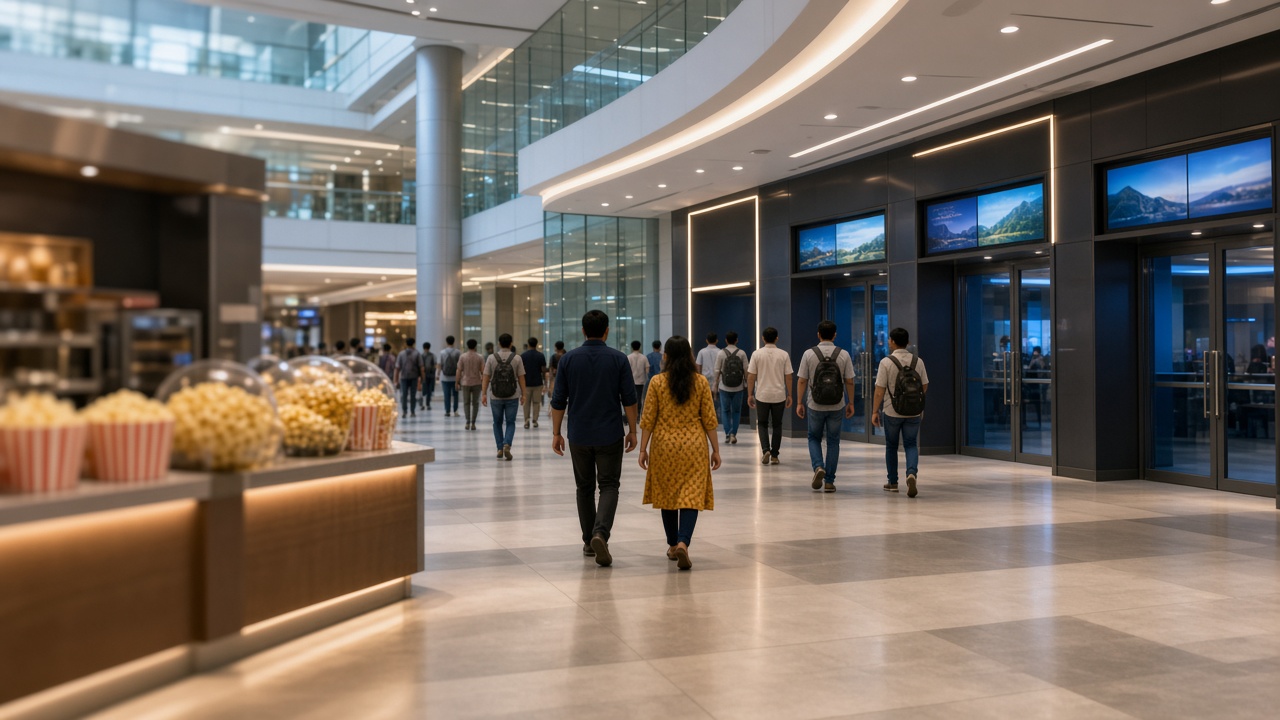
Multiplexes moved cinema into malls: many screens, air-conditioning, popcorn counters, and premium pricing. Exhibition became a lifestyle product — reshaping which films get weekend slots, how trailers market to urban youth, and how single-screens struggle to compete.
Multiplex era: many screens, one mall outing.
Multi-screen model: One building runs several films at once.
Urban middle-class focus: Comfort and brands redefine the outing.
Digital projection: Film reels give way to digital packages.
Technology Used
Digital cinema packages: Secure files replace cans of film.
Surround sound & screens: Immersion as a selling point.
Online booking: Seats chosen before you arrive.
Features
Choice: More films available the same night.
Price tiers: Premium vs economy experiences.
Single-screen stress: Older halls lose audiences or reinvent.
📱 Stream Anywhere2010s – Present
OTT
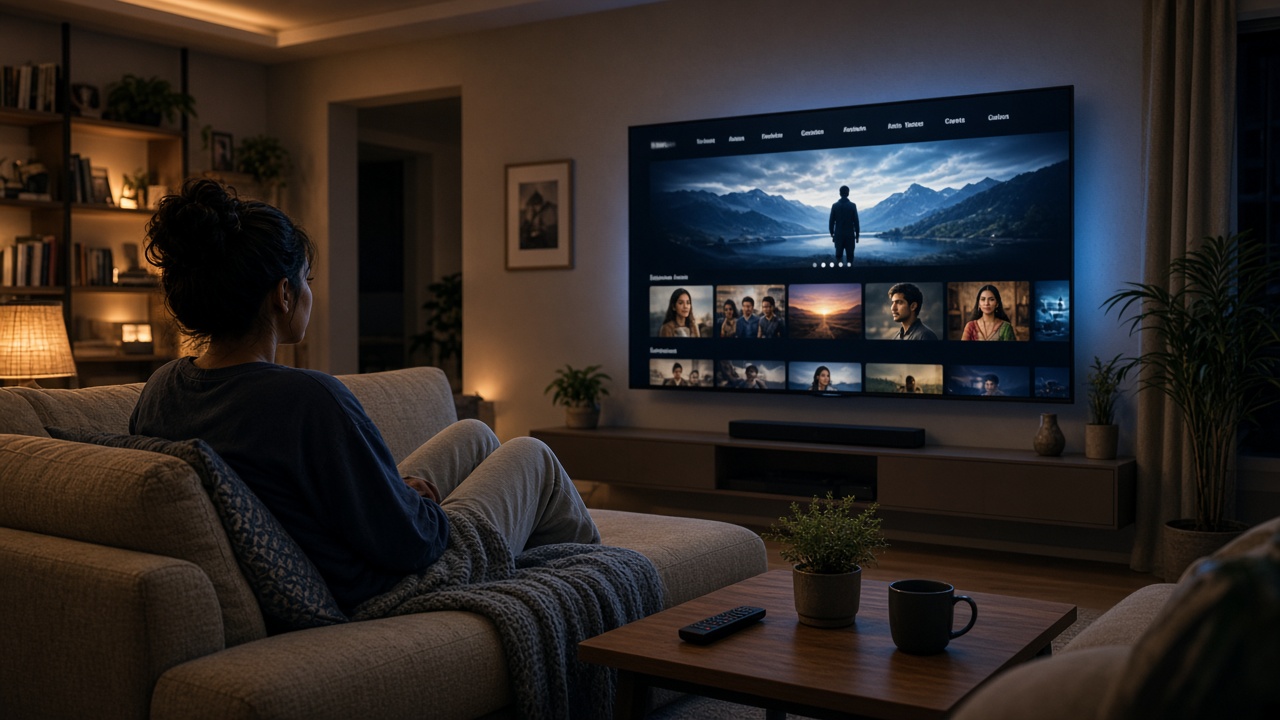
Over-the-top platforms delivered cinema and series over Internet — to phones, tablets, and smart TVs. Cheap data and smartphones made binge-watching normal. Theatres still host big events, but discovery, niche films, and web originals now live in apps.
OTT: the cinema that fits in your pocket and living room.
App libraries: Films and series on demand, anytime.
Data boom: 4G/5G and cheap plans unlock mass streaming.
New formats: Web series and direct-to-OTT premieres.
Hybrid releases: Some titles split between theatres and platforms.
Technology Used
CDN streaming: Video delivered from nearby edge servers.
Adaptive bitrate: Quality adjusts to network speed.
Recommendation engines: Algorithms shape what you watch next.
Features
Access: Small towns stream without a local multiplex.
Attention fight: Cinema competes with endless scroll.
Coexistence: Big-screen spectacle still matters for events.
Cinema Eras Compared
Each era answers a different need: visual storytelling, sound spectacle, national culture, comfort outing, and on-demand access.
Era
Main idea
Strength
Limitation
Silent
Pictures without dialogue
Visual invention
No recorded songs/voices
Talkies
Synchronised sound
Songs & dialogue
Costlier tech & studios
Golden Age
Studio & star culture
National memory
Single-format exhibition
Multiplex
Mall multi-screen
Choice & comfort
Higher prices, urban bias
OTT
Internet streaming
Anytime access
Attention & theatre debate
India Spotlight: Cinema Milestones
From early features and Alam Ara to multiplexes and streaming apps.
Year / Era
Milestone
Significance
1910s
Silent feature beginnings
Indian cinema industry takes root.
1931
Talkie era (Alam Ara landmark)
Sound & songs remake popular film.
1940s–60s
Golden Age
Stars, studios, single-screen culture.
1990s–2000s
Multiplex boom
Mall cinema becomes the urban default.
2010s–present
OTT platforms
Streaming reshapes viewing habits.
Cinema Timeline Summary
Year / Era
Milestone
1910s–20s
Silent cinema
1931+
Talkies / sound cinema
1940s–60s
Golden Age
1990s+
Multiplex exhibition
2010s+
OTT streaming
Test Your Knowledge
10 quick questions from the cinema timeline. Click each question to reveal the answer.
Answer: Recorded synchronised dialogue / soundtrack speech.
Answer: 1931 (Alam Ara).
Answer: Recorded dialogue and songs.
Answer: 1940s–1960s.
Answer: Single-screen halls.
Answer: In shopping malls / urban lifestyle centres.
Answer: Over-the-top (streaming over the internet).
Answer: Smartphones, cheap data/4G, or streaming CDNs (any one).
Answer: No — many single-screens continue or reinvent, especially outside metro malls.
Answer: Yes — big theatrical events and collective watching still matter.
Classroom activity
Students Tasks
Use these prompts for discussion or projects on cinema technology and culture.
Media historyTechnologyCultureStreaming
Make a five-panel poster from silent cinema to OTT.
Explain why talkies changed Indian film music forever.
Interview elders about single-screen theatres they remember.
Compare multiplex and OTT viewing in a two-column table.
List three technologies needed for streaming a movie at home.
Debate: “OTT is killing cinema” vs “OTT is expanding cinema.”
Design a fair school film club that includes regional-language films.
Research one Golden Age film and present three facts about its era.
Map where your town’s cinemas are — single-screen vs multiplex.
Predict one change Indian cinema exhibition will see by 2040.
Click any panel to expand and explore the visual mood.
Cinema in pictures — silent, talkies, Golden Age, multiplex, and OTT.
Silent
Pictures first
Talkies
Sound arrives
Golden Age
Studio classic
Multiplex
Mall screens
OTT
Stream anywhere
Through Time
Silent to stream
Explore all technology timelines
Jump to any other technology timeline on WorldTimelineHub.
Disclaimer: This content is AI-generated for educational purposes and may contain errors or outdated details. For correct and authoritative information, please refer to official and reliable sources such as government publications, manufacturers, museums, and academic references.